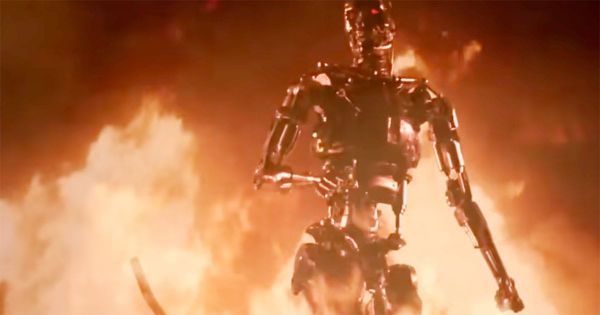
SFC Newsletter Before the Terminator, There Were Killer Robots "The Terminator," science fiction gave us Gort, the Gunslinger, Cylons, Maximilian, and Hector. See how decades of killer robots paved the way for the T-800.
Book Review "Star Maker" Reaches Beyond Science Fiction Into Creation Itself Olaf Stapledon’s "Star Maker" explores alien civilizations, cosmic intelligence, creation, and humanity’s place in an immense and often unsettling universe.
Science Fiction Films "Until the End of the World" (1991) Saw the Digital Future Coming Wim Wenders' "Until the End of the World" (1991) imagined a digital future of portable screens, recorded dreams, and technology that could isolate people from the world around them.
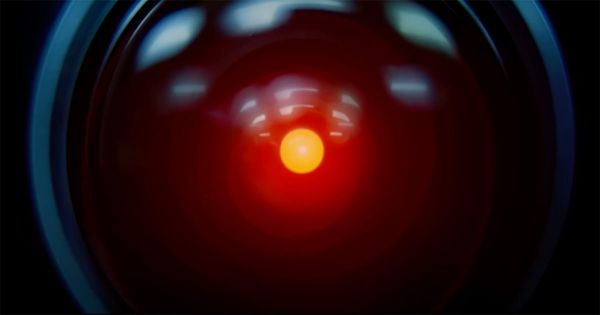
SFC Newsletter How Science Fiction Created the Killer Robot Before the Terminator came HAL and the Gunslinger. The killer robot evolved from obedient servant into one of science fiction's most frightening and enduring villains.
SFC Newsletter When Science Fiction Made the Future Fun Classic science fiction imagined futures both wonderful and frightening. From "The Jetsons" to "Star Trek," discover why tomorrow once seemed like a place worth reaching.
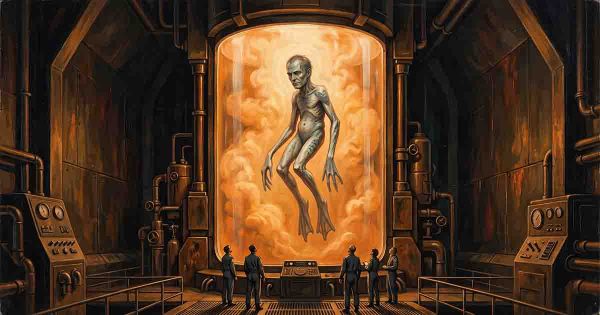
Book Review “Last and First Men” and Two Billion Years of Humanity Our “Last and First Men” review examines Olaf Stapledon’s ambitious science fiction classic, its vision of deep time, human progress, evolution, and its enduring influence on the genre.
Book Review Featured The Ultimate List of Science Fiction's Classic Novels A ranked list of 207 classic science fiction novels, from Verne and Wells to the present day, with spoiler-free summaries and links to full reviews.
SFC Newsletter Yesterday's Tomorrow and the Futures That Never Arrived Classic science fiction promised Moon bases, flying cars, and computerized futures. A look back at the tomorrows imagined by "2001," "Blade Runner," and more.
SFC Newsletter The Great Science Fiction Twist and Why It Worked From "The Twilight Zone" to "Planet of the Apes," classic science fiction mastered the twist ending. Discover why the best surprises changed everything we thought we knew.
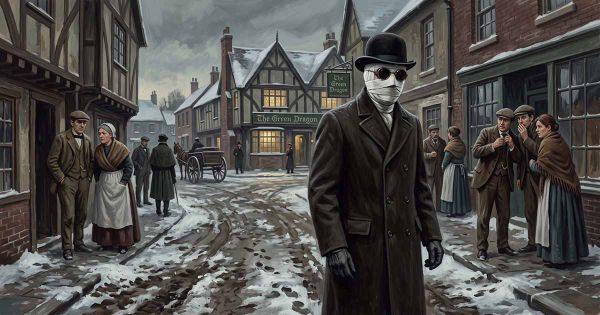
Book Review “The Invisible Man” and the High Price of Unseen Power H.G. Wells turned invisibility into a study of science, power, and human nature. Our “The Invisible Man” review examines why this 1897 classic still works.
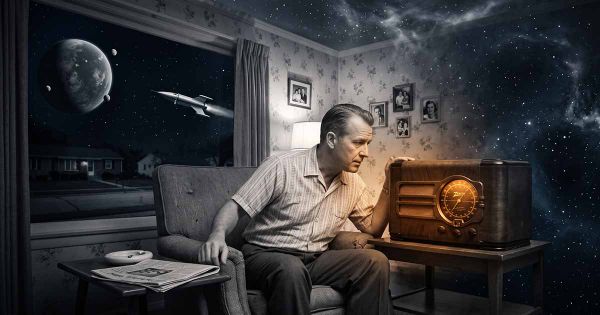
SFC Newsletter When Science Fiction Ruled the Radio Classic science fiction found a natural home on radio as “Dimension X” and “X Minus One” brought stories by Bradbury, Asimov, Heinlein, and other great SF writers to American listeners.
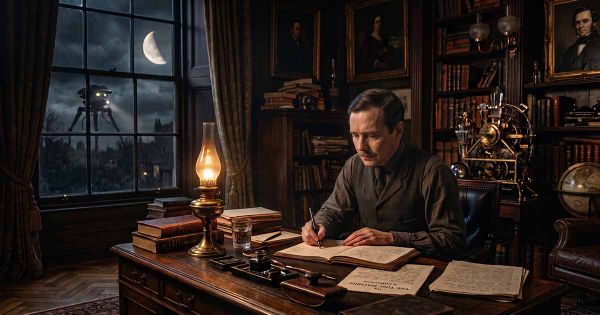
SFC Newsletter H. G. Wells Helped Create Modern Science Fiction Born September 21, 1866, H. G. Wells helped shape modern science fiction. Discover how his time machines, alien invaders, strange experiments, and bold ideas transformed the genre.
Science Fiction Films Why "The Incredible Shrinking Man" Still Looms Large "The Incredible Shrinking Man" turns an impossible scientific premise into a gripping story of survival, ingenuity, changing scale, practical effects, and one man’s enduring significance before God.
SFC Newsletter The Biggest Spaceship in Science Fiction On "Space: 1999," the Moon became a wandering spaceship. Here’s how Moonbase Alpha turned an impossible premise into one of science fiction’s strangest journeys.
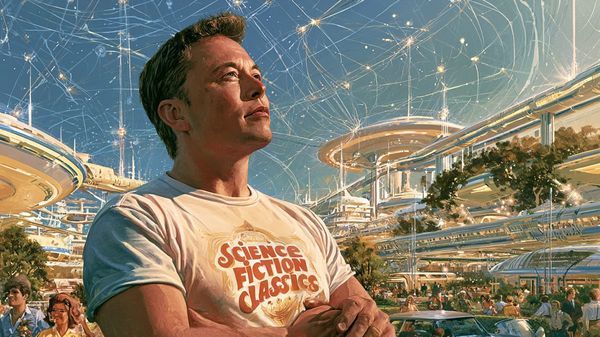
The Work That Does Not Shape Atoms Elon Musk just put a date on a future science fiction has been arguing about for a century.
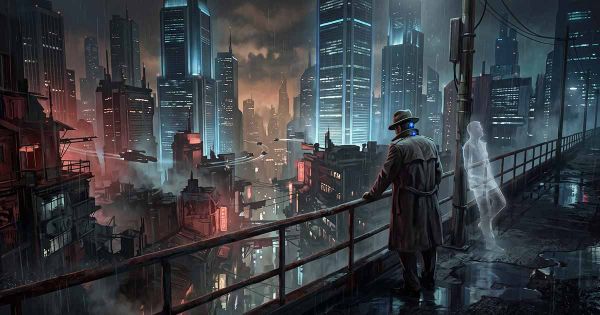
Book Review "Altered Carbon" Makes Death a Luxury Richard K. Morgan's "Altered Carbon" blends cyberpunk noir, brutal action, and bold ideas about immortality, identity, wealth, and the price of turning human consciousness into a commodity for profit.
Dune Why Edric Matters in Dune Edric, the Spacing Guild Navigator from "Dune Messiah," reveals the limits of prescience, the Guild’s dependence on spice, and the risks facing Paul Atreides.
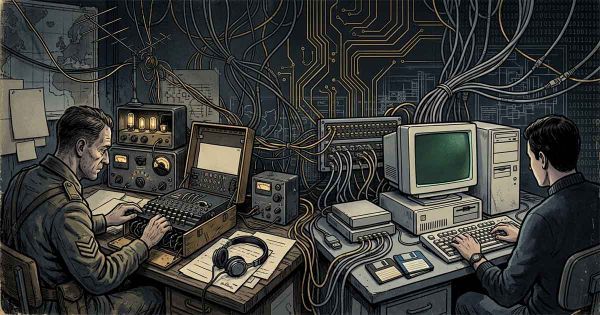
Book Review War Cryptography and Power in Cryptonomicon Neal Stephenson’s “Cryptonomicon” blends World War II, cryptography, computers, and adventure in a sprawling, funny, and ambitious novel about information, power, and technological change.
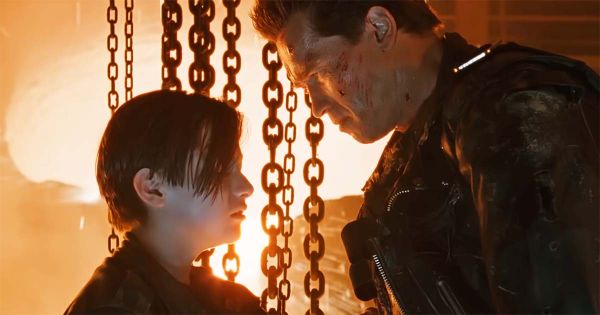
SFC Newsletter How the Terminator Became a Father In “Terminator 2: Judgment Day,” the T-800 becomes John Connor’s unlikely father figure through loyalty, restraint, protection, and a final act of sacrifice.
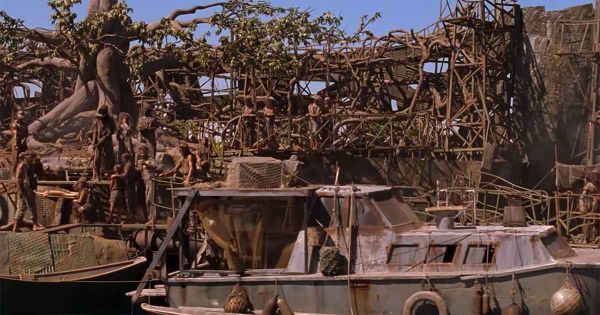
SFC Newsletter Building Impossible Worlds Thirty years after "Waterworld," discover how classic science fiction creates believable worlds by changing one idea and following its consequences through society, survival, and human nature.
Book Review The Enduring Power of "The Diamond Age" Neal Stephenson's "The Diamond Age" remains one of modern science fiction's defining novels. We examine its themes, world-building, literary strengths, and lasting influence.
Science Fiction Television "Rogue One" Legacy Expands With Two New Marvel Comic Series Lucasfilm confirms two new "Rogue One" comic series, spotlighting Chirrut, Baze and Darth Vader, as Marvel marks the film's 10th anniversary.
Dune House Harkonnen in "Dune" Behind the Power, Politics, and Legacy House Harkonnen shaped the conflict at the heart of "Dune" through wealth, strategy, and fear. This look at Frank Herbert's canon explores its origins, power, legacy, and screen adaptations.
Trivia Baseline Test in "Blade Runner 2049" Explained The Baseline Test in "Blade Runner 2049" measures replicant stability, obedience, and identity through one of the sequel's most haunting rituals.
Book Review Why "Snow Crash" Remains One of Cyberpunk's Defining Novels Neal Stephenson's "Snow Crash" blends cyberpunk action, sharp satire, and ambitious ideas into a science fiction classic whose influence continues to shape discussions of virtual reality and technology.