
Chani and Life on Arrakis
Chani of "Dune" examined through her life on Arrakis, her bond with Paul Atreides, and her role in grounding prophecy, power, and survival in Frank Herbert’s classic science fiction saga.

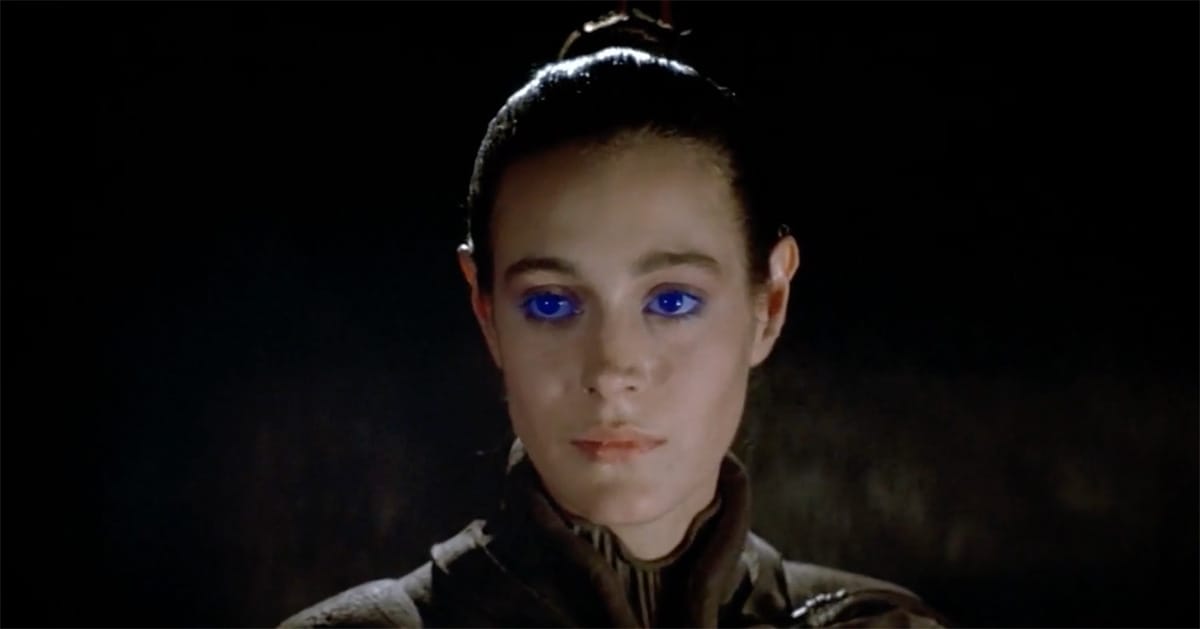
Chani
Liet-Kynes's Daughter and Paul's Lover
Chani holds a central place in "Dune" because she ties its sweeping ideas to ordinary survival. She is a Fremen warrior, the daughter of Liet-Kynes, and the woman Paul Atreides loves. Each role overlaps and reinforces the others rather than standing alone. Frank Herbert uses Chani to keep prophecy anchored to human cost.
Her importance often goes understated in casual summaries. She does not command armies or issue decrees. Instead, she shapes the story through instruction, loyalty, and restraint. Chani reminds the reader that no empire rises without people who know how to live on the ground beneath it.
Origins and Context
Chani is born on Arrakis and raised among the Fremen. Her childhood reflects a culture shaped by scarcity, discipline, and long memory. Water conservation, silence, and endurance define daily life. These habits form her worldview before politics ever enters it.
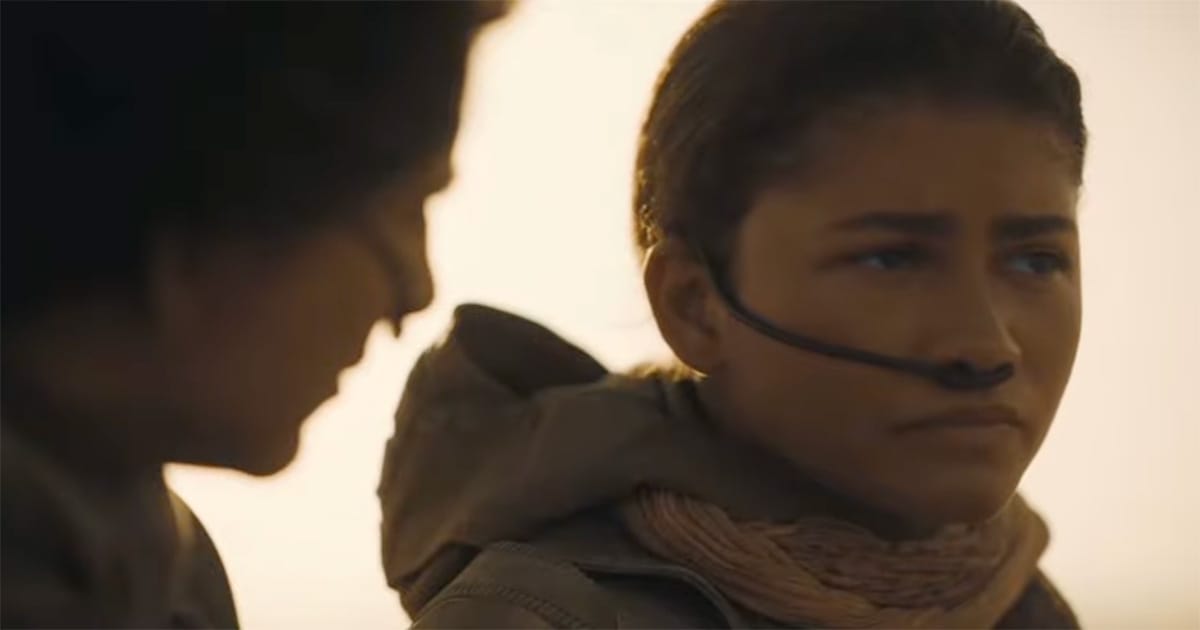
Her father's Imperial position exposes her to broader forces at work on Arrakis. Liet-Kynes understands ecology as destiny rather than theory. Chani absorbs this outlook through experience rather than abstraction. She lives with the consequences of environmental balance every day.
Her lineage gives her a quiet standing among the Fremen. Some readers describe her as a princess, but the label misleads. Fremen society values usefulness and loyalty over rank. Chani's authority rests on competence and trust earned over time.
| Field | Details |
|---|---|
| Name | Chani Kynes |
| Affiliation | Fremen of Arrakis; House Atreides by union |
| First Appearance | "Dune" (1965) by Frank Herbert |
| Rank and Role | Fremen warrior; daughter of Liet-Kynes; later consort of Paul Atreides |
| Description | Desert-born fighter who guides Paul into Fremen life and becomes his partner amid prophecy and political upheaval |
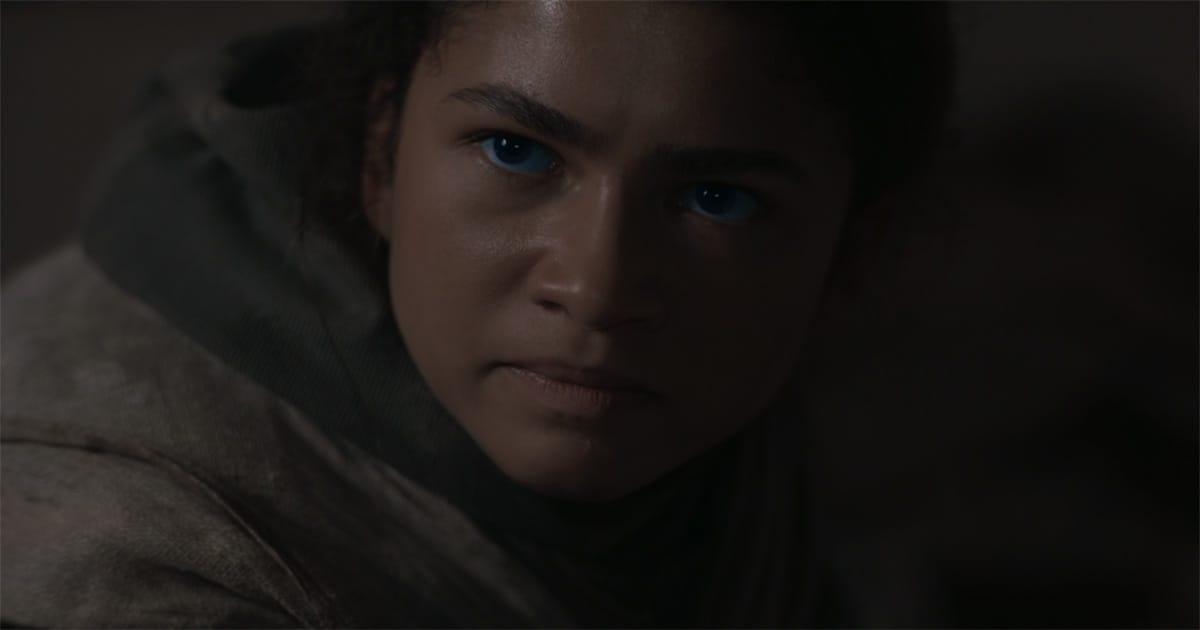
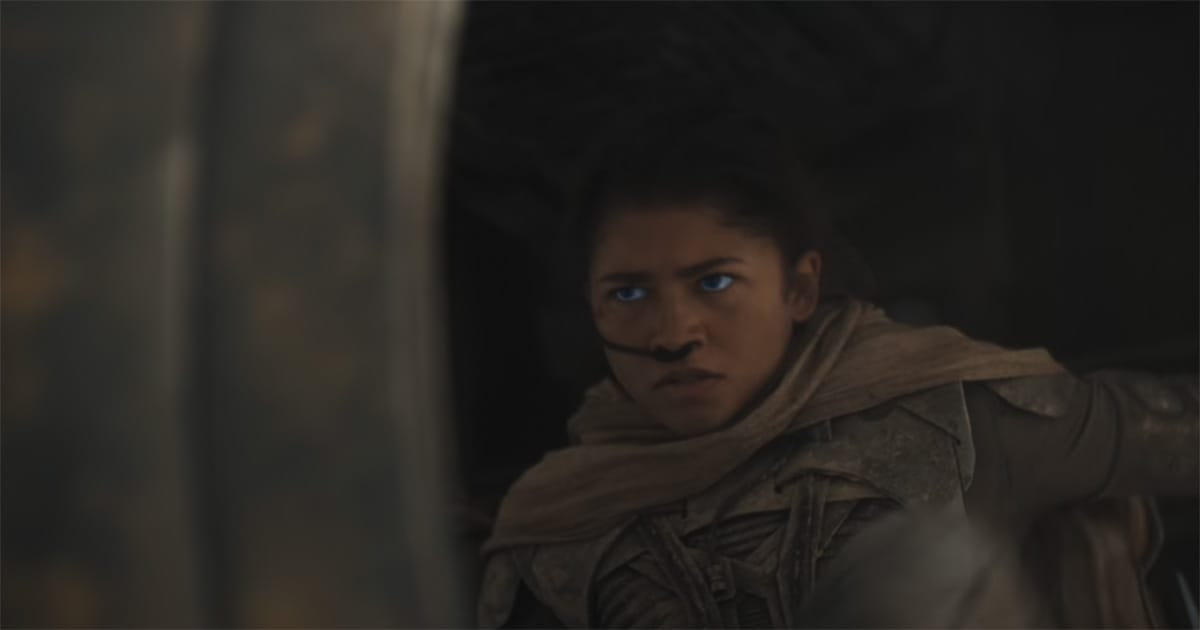
| Notable Trait | Blue-within-blue eyes and unwavering loyalty shaped by Fremen discipline |
| Portrayed By | Sean Young in "Dune" (1984); Barbora Kodetová in "Frank Herbert’s Dune" (2000); Zendaya in "Dune" (2021) and "Dune Part Two" (2024) |
First Visions and Destiny
Paul first sees Chani through prescient dreams on Caladan. Herbert presents her as inevitable rather than idealized. These visions mix attraction with foreknowledge. They also suggest the danger of mistaking foresight for understanding.
The dreams establish expectation without intimacy. Paul recognizes Chani before he knows her. Herbert uses this device to show how prophecy intrudes on private life. Affection becomes entangled with fate from the start.
When Paul meets Chani in the desert, the tone changes. Dreams give way to heat, danger, and effort. Herbert contrasts foresight with lived experience. Destiny only matters if it survives reality.
Becoming Fremen Together
After House Atreides falls, Paul and Jessica enter a Fremen sietch. Acceptance depends on action rather than words. Paul must learn survival as the Fremen practice it. Observation alone is not enough.
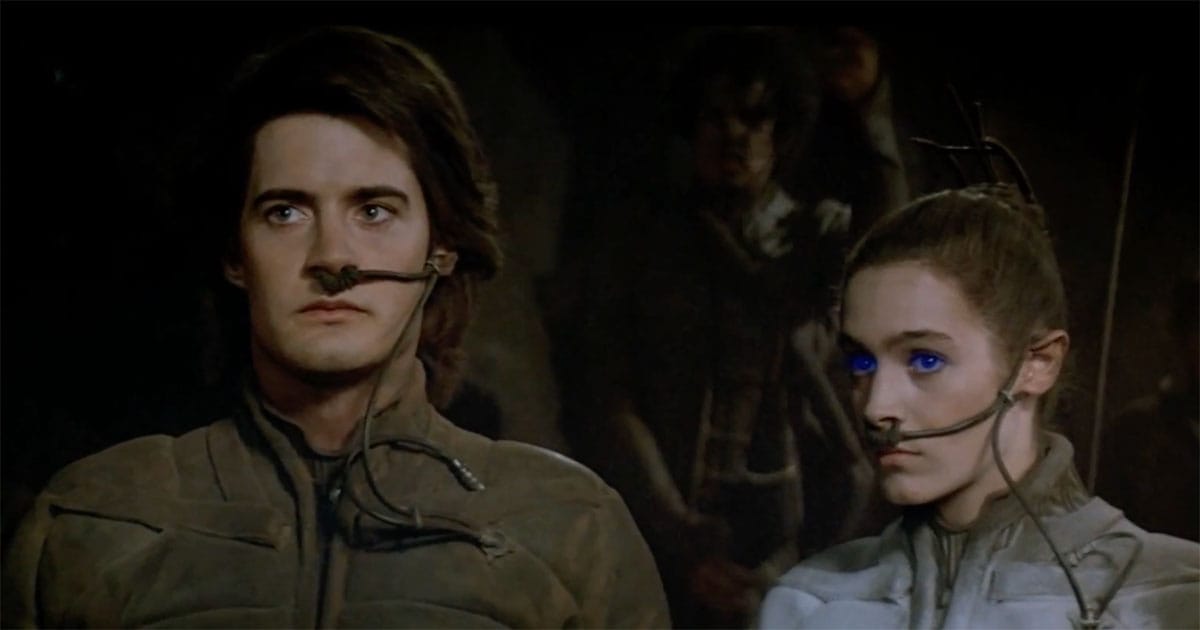
Chani becomes Paul's primary instructor. She teaches movement across sand, water discipline, and readiness for violence. Her lessons are practical and unsentimental. Failure carries immediate consequences.
This instruction carries social meaning. Stilgar may lead the tribe, but Chani tests Paul every day. Her approval signals whether Paul can belong in fact. Without it, his claim to Fremen loyalty remains fragile.
Love Without Illusion
Paul and Chani's relationship forms without ceremony. They share danger, labor, and risk. Herbert avoids romantic excess and keeps their bond practical. Love develops alongside responsibility.
Chani never treats Paul as a myth. She responds to the man adapting to her world. This perspective keeps Paul grounded longer than prophecy allows. It also reveals how fragile that grounding becomes.
Their bond reflects Fremen values. Partnership grows from shared survival rather than promise. Herbert presents this as durable and honest. It stands in contrast to many relationships elsewhere in the Imperium.
Power and Political Reality
Paul's rise forces a political compromise. He marries Princess Irulan to secure legitimacy within the Imperium. Chani remains his official concubine and personal partner. The arrangement is direct and unsentimental.
Herbert presents this as a critique of power. Political systems reward symbols and documentation. Truth often exists outside formal titles. Love and loyalty receive no official recognition.
Lady Jessica explains this reality to Chani with blunt clarity. History will record Irulan as empress. Memory will preserve Chani differently. Herbert leaves no illusion about which carries greater personal cost.
Loss and Consequence
SPOILER
The death of Paul and Chani's first child during a Sardaukar raid brings prophecy into focus. Abstract futures collapse into personal grief. The cost of the rule becomes immediate and human. No vision softens the blow.
This loss changes the tone of the story. Paul's remaining choices narrow. The future he foresaw becomes unavoidable. Chani bears the weight of that turn alongside him.
Herbert places the moment carefully. It closes the door on retreat. The price of leadership becomes irreversible. Chani's grief gives the reader a measure of what the empire demands.
Adaptations and Interpretations
David Lynch's 1984 film presents Chani as a dreamlike figure. Romance and mysticism receive strong emphasis. Her practical role receives less attention. The result leans toward symbolism.
The Sci-Fi Channel miniseries allows more space for daily life. Chani appears as a steady presence within the sietch. Her partnership with Paul feels earned through shared routine. This approach aligns closely with the novel's texture.
Denis Villeneuve's films expand her skepticism toward prophecy. Chani observes Paul's rise with growing distance. This sharpens tensions that Herbert leaves quieter at the end of the first novel. The interpretation emphasizes consequence rather than contradiction.
Why Chani Endures
Chani endures because she remains tied to reality. She drinks water, counts losses, and watches myths form around someone she knows. Herbert uses her to measure the distance between vision and cost. Without Chani, the story risks abstraction.
She represents the human scale within a historical saga. Empires rise and fall around her. Her concerns remain immediate and tangible. That focus keeps the narrative honest.
For readers returning to "Dune" decades later, Chani still matters. She reminds us that the future is built by people who must live through it. Herbert never lets the reader forget that truth.
Source List
Dune Fandom Wiki entry on Chani Kynes
Audible article, Chani Kynes character guide
Reddit discussion on Chani's parentage and status
"Dune" 1984, directed by David Lynch
"Frank Herbert’s Dune," 2000, Sci-Fi Channel miniseries