
How Babylon 5 Changed the Look of TV Space
“Babylon 5” helped redefine television science fiction by using early CGI and Amiga Video Toaster systems, enabling dynamic space scenes and setting the technical foundation for modern sci-fi TV.

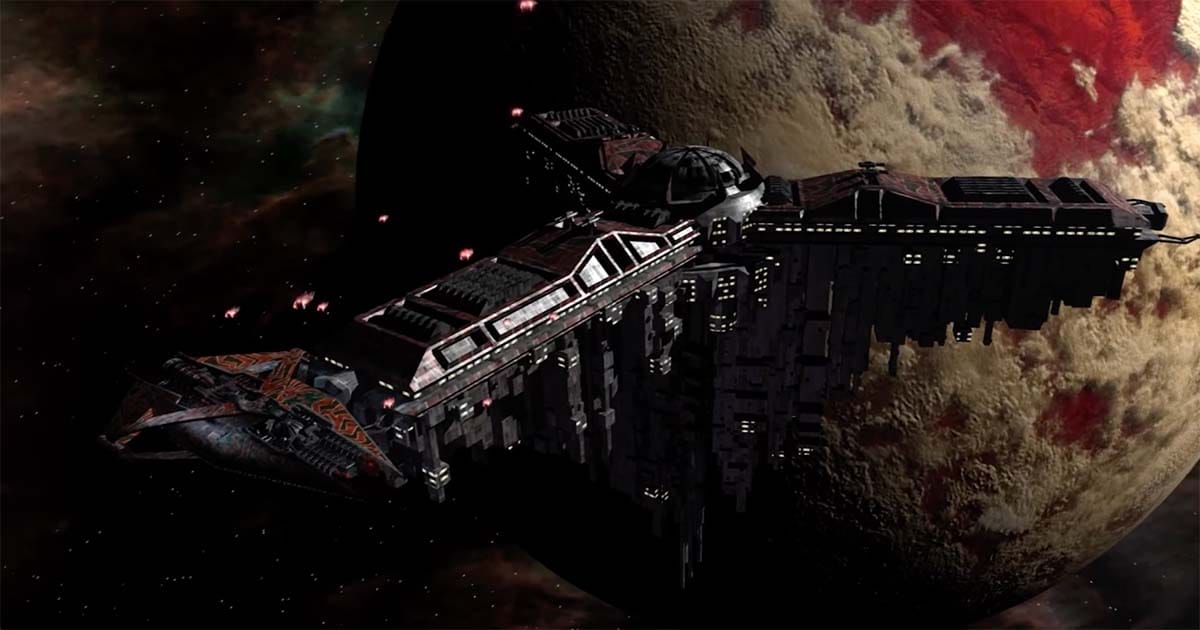
In the early 1990s, television science fiction still looked backward. Spaceships drifted slowly past the camera, photographed as physical miniatures under studio lights. The future was imagined using techniques perfected decades earlier. Then came "Babylon 5," and the grammar of televised space began to change.
When the series premiered in 1994, it made a quiet but radical choice. Instead of relying on physical models, it embraced computer generated imagery for nearly all of its space scenes. This was not the polished CGI of blockbuster films, but something leaner and more experimental.
A Modest Machine With Big Consequences
The technology behind that choice sounded modest even then. The effects team relied on Commodore Amiga computers paired with NewTek's Video Toaster and LightWave 3D software.
These machines belonged more to the world of independent video production than Hollywood visual effects houses.

What mattered was not prestige but possibility. The Video Toaster allowed direct broadcast video output, which reduced costs and simplified workflows. LightWave made it possible for small teams to model, animate, and render complex scenes on a weekly schedule.
The result was a new visual freedom. Space in "Babylon 5" moved with speed and weight. Ships rolled, banks of fighters swarmed, and the camera swept through battles in ways that miniature photography rarely allowed on television.
The rotating Babylon 5 station itself became a symbol of this shift. Its constant motion suggested scale and industrial purpose rather than static grandeur. That sense of movement made the station feel inhabited and alive.
Visual Effects As Storytelling Infrastructure
The choice of CGI also reshaped storytelling. Digital ships could be reused across seasons, allowing fleets to grow and conflicts to escalate without rebuilding physical assets. Damage could persist, and familiar vessels could return with narrative history etched into their hulls.

This economy of scale supported a larger ambition. "Babylon 5" told a serialized story that unfolded over five years. The visuals evolved alongside the narrative, reinforcing the sense of a living universe rather than a reset button pressed each week.
At the time, not everyone was impressed. Critics noted flat lighting, simple textures, and visible limitations in early seasons. Compared to the smoother miniatures of "Star Trek: The Next Generation," the CGI looked rough.
Yet roughness carried its own honesty. The effects served the story rather than overshadowing it. Viewers were invited to accept a slightly imperfect future in exchange for a bigger one.
When The Experiment Became The Standard
The industry took notice. As computing power improved and costs fell, other series followed the path "Babylon 5" helped clear. Later shows embraced fully digital pipelines without apology or hesitation.
By the early 2000s, physical miniatures had nearly vanished from television science fiction. CGI was no longer a gamble but a given. The precedent had become the norm.
Today, the visuals of "Babylon 5" look unmistakably dated. Polygon edges show, and lighting lacks modern subtlety. Yet those images still carry historical weight.
They represent a moment when imagination outran tradition. Armed with affordable computers and a willingness to risk criticism, a television series redefined what space could look like on a weekly budget. In doing so, "Babylon 5" did not merely depict the future, but quietly built it.