
Risk Without Heroes? Frederik Pohl’s Gateway Reconsidered
A critical review of Frederik Pohl’s Gateway exploring risk psychology and alien technology and how the novel reshaped science fiction away from heroic adventure toward consequence and uncertainty.

"Gateway" and the Cost of Opening Doors
Published in 1977, "Gateway" arrived at a moment when science fiction was quietly shedding its adolescence.
The science fiction genre had begun to look inward, asking what space travel did to people rather than what people did in space. Pohl seized that moment with a novel that was both accessible and unsettling.
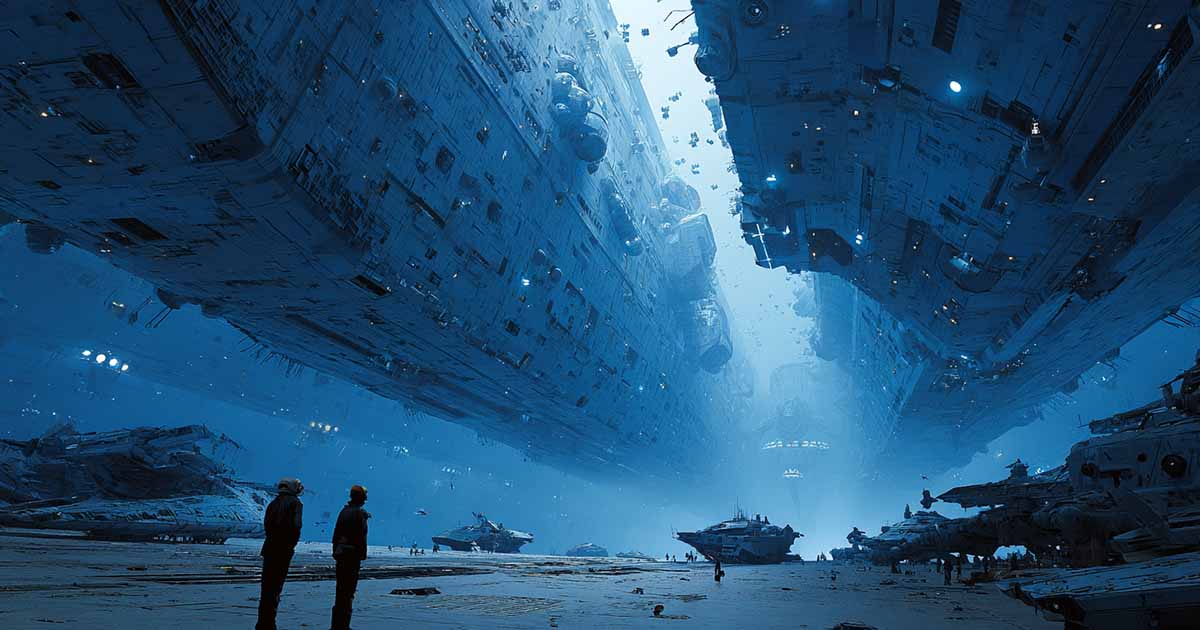
The premise is famously economical. Humanity discovers a vast alien installation filled with usable but poorly understood spacecraft, and people begin to take enormous risks to exploit it. From this simple setup, Pohl constructs a story that feels less like adventure fiction and more like an examination room.
From the first pages, it is clear that the novel is not interested in triumph. Its attention is fixed on uncertainty, fear, and aftermath. That focus explains why "Gateway" has remained in print and in discussion long after many louder novels of its era have faded.
The speculative engine and its implications
The central idea of "Gateway" is not exploration but chance. Voyages are undertaken without reliable knowledge of destination or duration. Success and catastrophe are separated by margins too small to measure.
Pohl reframes spaceflight as a form of gambling rather than conquest.
The characters are not pioneers in the traditional sense but speculators staking their lives against unknowable odds. This shift quietly dismantles decades of heroic assumption in the genre.
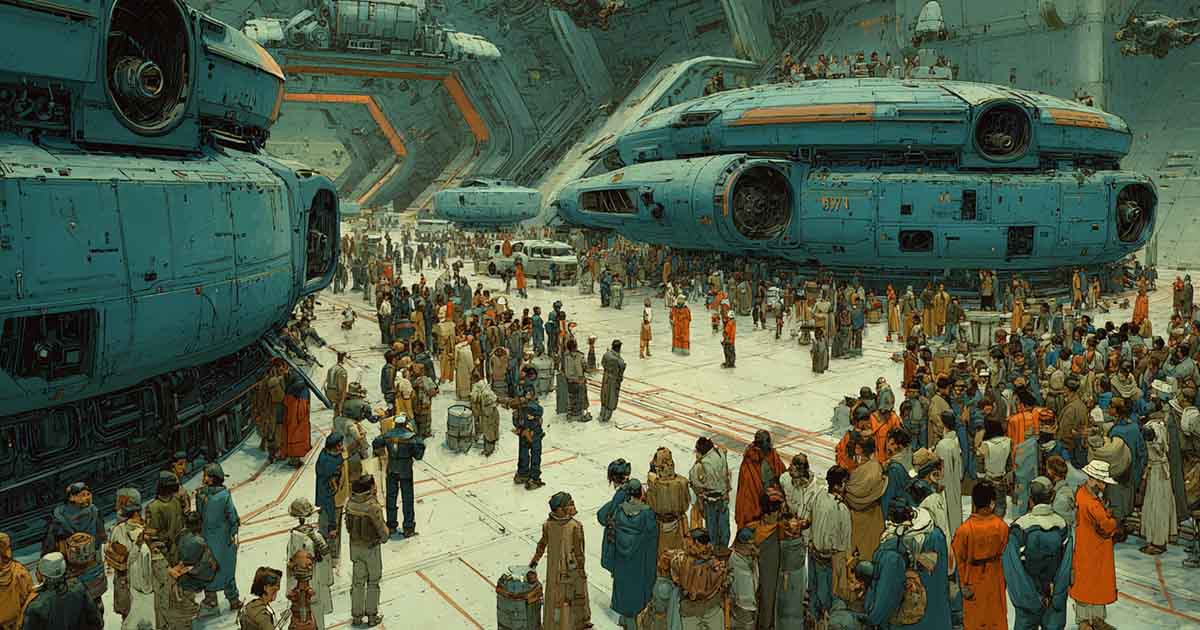
Equally important is the social pressure behind these risks. The future Pohl depicts is crowded and economically strained, making danger a rational choice for those with few alternatives. Exploration becomes labor, and bravery becomes a byproduct of desperation rather than virtue.
The alien technology itself reinforces this perspective. It is functional yet opaque, offering opportunity without guidance. Humanity can use it, but cannot master it, which gives the entire enterprise a tone of borrowed time.
What makes this speculation endure is its emotional plausibility. Readers recognize the logic that pushes people toward lethal chances in exchange for sudden mobility. The science fiction element magnifies the pattern, but does not invent it.
Character as the true frontier
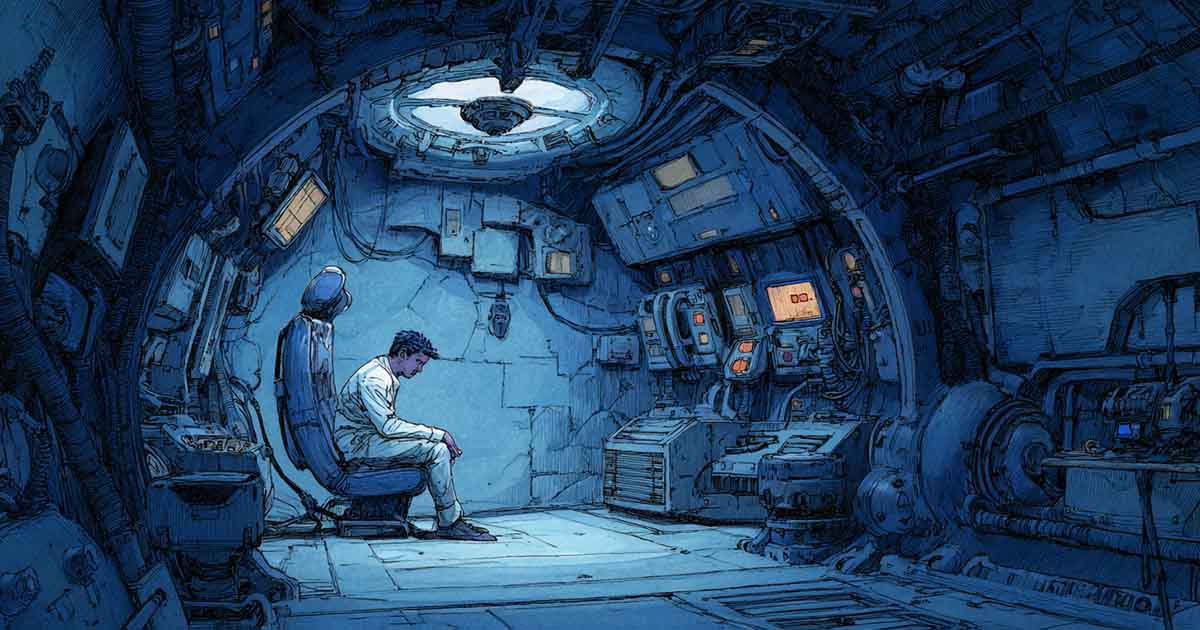
At the center of the novel is a protagonist defined not by competence but by self awareness fractured by fear. The narrative spends little time proving intelligence or bravery. Instead, it lingers on hesitation, justification, and regret.
Pohl builds tension through interior conflict rather than spectacle. The most consequential moments are often decisions made under pressure with incomplete information. These moments reveal character not through action but through reaction.
The use of reflective framing allows the novel to examine memory itself. Events are filtered through recollection, which introduces doubt without resorting to trickery. The result is a narrator whose reliability is emotional rather than factual.
This focus on psychology was unusual for mainstream science fiction of the period. It aligns the novel more closely with contemporary literary fiction than with traditional space opera. The reader is asked to understand rather than admire.
Crucially, the book does not ask for sympathy in easy terms. The protagonist is neither hero nor villain. He is simply human, shaped by fear and incentive, and forced to live with the consequences of his choices.
Style, structure, and tonal restraint
Pohl's prose in "Gateway" is controlled and unadorned. The language avoids grandiosity, even when describing extraordinary circumstances. This restraint keeps the focus on implication rather than display.
The structure alternates between experience and reflection. This rhythm creates a sense of compression, as though events are constantly being weighed after the fact. It also prevents the narrative from slipping into momentum for its own sake.
Humor appears, but it is dry and often edged with discomfort. Laughter rarely releases tension. Instead, it exposes the absurdity of rationalizing danger once it has already been embraced.
The pacing is deliberate rather than brisk. Scenes are allowed to breathe just long enough to register their emotional cost. Action is never allowed to eclipse consequence.
This stylistic maturity places the novel firmly within the late twentieth century evolution of the genre. "Gateway" does not reject science fiction traditions. It interrogates them quietly, from the inside.
Reputation, influence, and lasting judgment
Upon release, "Gateway" received immediate acclaim from critics and peers. It was recognized not merely as a successful novel but as a signpost for where science fiction could go. That reputation has proven durable.
Later generations of writers have returned to its central ideas again and again. The use of alien artifacts as catalysts rather than answers has become a familiar device. Few works, however, match Pohl's insistence on psychological cost.
What keeps the novel alive is not nostalgia. Its questions about risk, reward, and responsibility remain unresolved because they remain recognizable. The setting may be distant, but the pressures feel contemporary.
For readers approaching it now, "Gateway" offers neither comfort nor spectacle. It provides clarity about how people behave when choice is constrained and danger is normalized. That clarity is its lasting strength.
In the landscape of science fiction classics, "Gateway" stands as a quiet provocation. It reminds the genre that the most alien territory is often the human mind under strain, and that survival is not the same as victory.