
“Silent Running” as a Quiet Warning from the Future
An analysis of Silent Running from 1972 examining stewardship isolation and sacrifice in a quiet science fiction film that favors conscience over progress and leaves a lasting unease for viewers today.

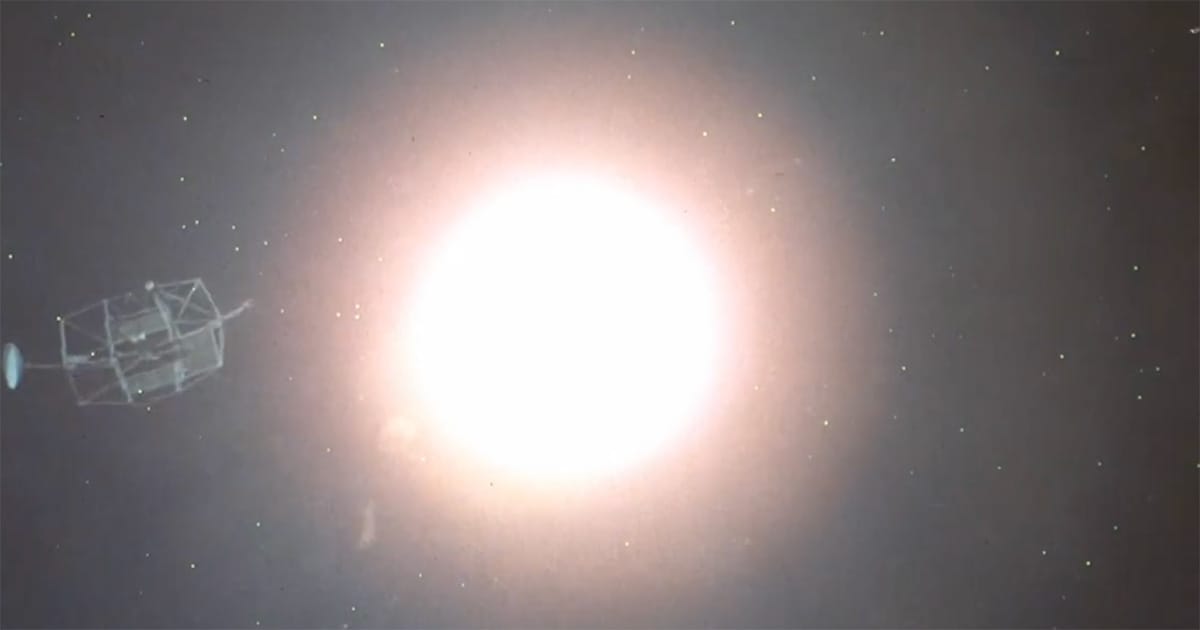
“Silent Running" from 1972 belongs to a short season of American science fiction that preferred reflection over spectacle. Directed by Douglas Trumbull, whose reputation rested on visual effects rather than character drama, the film makes a deliberate turn inward. It concerns itself less with the wonders of the future and more with what that future has chosen to discard.
The setting is space, yet the film feels strangely terrestrial in its concerns. Technology functions smoothly and without ceremony, while the natural world survives only as a managed remnant. This is a future that has solved many practical problems but has quietly misplaced its sense of obligation. Trumbull presents this condition without exaggeration, trusting understatement to do the work.
Bruce Dern's Freeman Lowell is not introduced as a hero, nor even as a particularly likable man. He is simply the last person in his environment who still believes something should be preserved because it matters. The film observes him closely, allowing his convictions and flaws to reveal themselves through action rather than explanation.
In this way, "Silent Running" aligns with the best tradition of idea driven science fiction. It asks what remains of humanity when efficiency becomes the highest value and conscience becomes an inconvenience. The film offers no rousing speeches or triumphant reversals. Instead, it leaves the viewer with a quiet unease that lingers well after the final image fades.
| Attribute | Details |
|---|---|
| Title | Silent Running |
| Director | Douglas Trumbull |
| Writer | Derk Richardson, Michael Cimino |
| Actors or Actresses | Bruce Dern |
| Rated | G |
| Runtime | 89 min |
| Box Office | $3,800,000 |
| U.S. Release Date | 10 Mar 1972 |
| Quality Score | 7.4/10 |
Synopsis
"Silent Running" is set in a future where Earth's natural ecosystems no longer exist in the open world. The last surviving forests are sealed inside vast geodesic domes and carried through space aboard commercial freighters. These ships operate not as exploratory vessels, but as utilitarian machines serving an economy that has already decided nature is expendable.
Freeman Lowell serves as a caretaker on the Valley Forge, one of these forest ships. He tends the plant life with a devotion that sets him apart from the rest of the crew, who regard the domes as cargo rather than living systems. Their mission is routine and temporary, sustained only until corporate authorities decide otherwise.
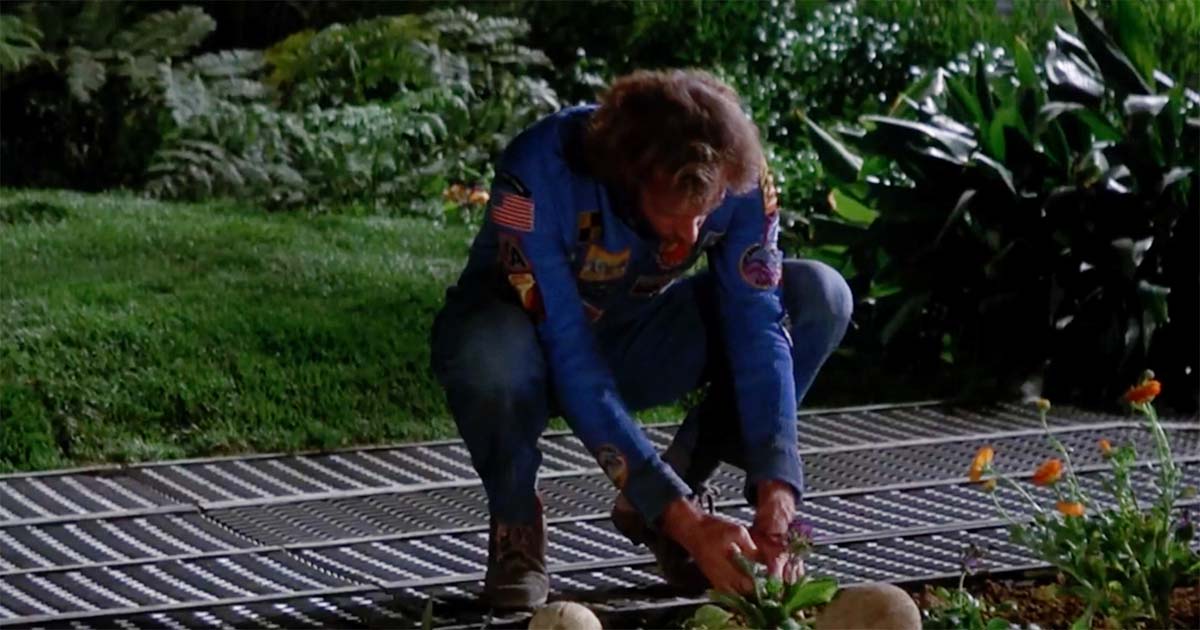
That decision arrives without ceremony. Orders are issued to destroy the domes and return the ships to profitable service. The command is treated as a simple logistical correction, leaving no room for debate or appeal. Lowell reacts not with negotiation, but with action that permanently alters the course of his life.
Following a violent and irreversible choice, Lowell finds himself alone aboard the ship with a single remaining forest dome. Accompanied only by service drones designed for maintenance tasks, he attempts to preserve what remains while evading detection. The Valley Forge drifts onward, transformed from a commercial vessel into a private sanctuary and a prison.
Life aboard the ship becomes a careful balance between routine and fragility. Lowell teaches the drones simple behaviors, projecting companionship onto machines that respond only within their limited programming. The forest thrives for a time, though its survival depends entirely on one increasingly isolated man.
As resources dwindle and mechanical failures accumulate, the limits of Lowell's plan become clear. Preservation demands sacrifice, and solitude sharpens rather than softens that truth. The film moves steadily toward a conclusion shaped not by confrontation, but by acceptance.
The final movement of "Silent Running" avoids rescue or reversal. Instead, it resolves itself through a quiet act of preservation carried out at great personal cost. What remains is not a restored world, but the possibility that something living has been given a future beyond human convenience.
Themes
"Silent Running" is built around the idea of stewardship as an obligation rather than a preference. The forests survive not because they are efficient or profitable, but because one man believes they possess inherent value. The film treats preservation as work that demands sacrifice, patience, and personal cost. It rejects the notion that care can be delegated to systems once conscience has been removed.
Isolation functions as both setting and consequence. Freeman Lowell's physical solitude mirrors his moral separation from the society that issued its orders without hesitation. The film suggests that moral clarity often produces loneliness rather than admiration. Conviction does not bring comfort here, only responsibility that cannot be shared.
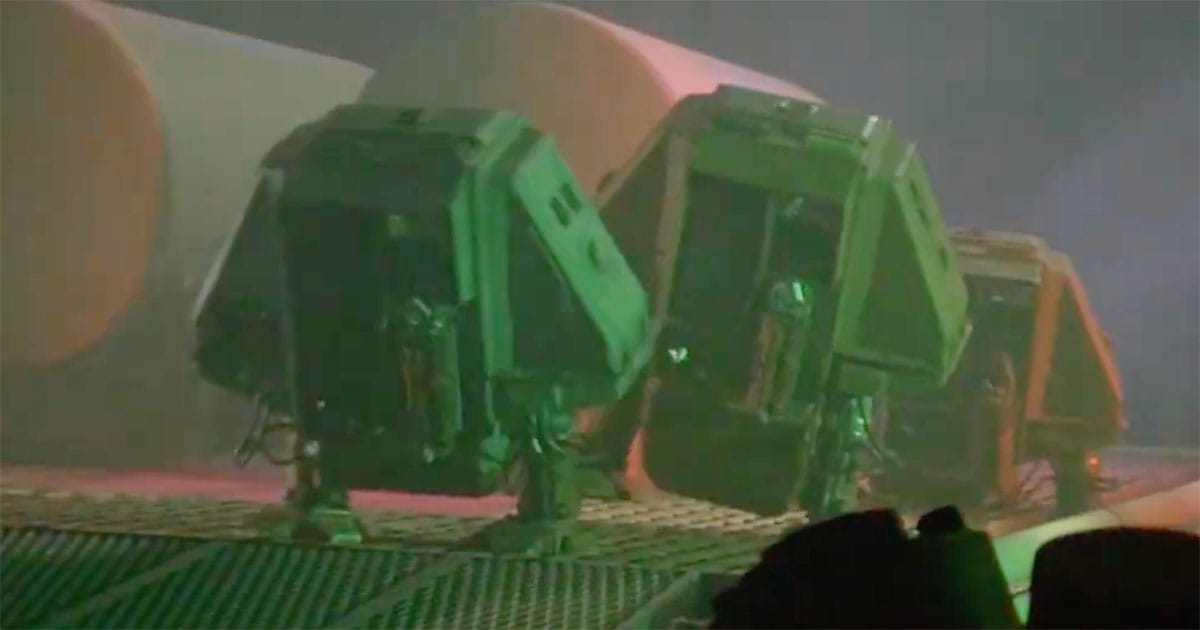
Technology in the film is neither villain nor savior. Machines operate exactly as designed, executing commands without malice or compassion. The drones become meaningful only when Lowell projects purpose onto them. This reflects a quiet warning that technology reflects human intent, not human wisdom.
Progress is presented as forward motion stripped of memory. The future world of "Silent Running" values smooth operation and economic return above all else. Advancement continues while something essential is quietly erased. The film implies that progress without restraint eventually consumes the very things it claims to improve.
Hope exists in the film, but it is limited and unsentimental. There is no restoration of what has been lost and no promise of correction on a grand scale. The hope offered is smaller and more fragile. It lies in the idea that preservation, even when incomplete, still matters.
Finally, the film examines sacrifice without reward. Lowell's actions do not earn recognition or vindication. They exist only to ensure survival beyond his own presence. "Silent Running" argues that some acts are worth performing even when no one is left to say they were right.
Who Will Watch This
"Silent Running" will appeal most strongly to viewers who value ideas over action. Those who enjoy science fiction as a forum for ethical reflection rather than spectacle will find the film rewarding. Its pace is deliberate, and its pleasures come from observation and thought rather than excitement.
Fans of 1970s science fiction will recognize a familiar seriousness of purpose. This was a period when films trusted the audience to sit with discomfort and ambiguity. Viewers who admire works that allow silence and restraint to carry meaning will feel at home here.

The film also suits audiences interested in character driven narratives. Freeman Lowell is not designed to be reassuring or heroic in a conventional sense. His presence invites viewers who appreciate flawed protagonists whose convictions lead to difficult consequences rather than easy resolution.
Readers of classic science fiction literature may find the film especially compatible with their tastes. The story unfolds like a short novel expanded carefully to screen length, with emphasis on premise, implication, and outcome. It reflects the tradition of speculative fiction that asks one straightforward question and follows it through with discipline.
This is not a film for viewers seeking comfort or optimism in large measure. Those expecting redemption, validation, or social correction may find the ending unsettling. "Silent Running" speaks instead to viewers willing to accept that meaningful acts are sometimes isolated and unseen.
In the end, the film rewards patience and seriousness. It is best suited to those who believe science fiction works best when it examines what humanity chooses to protect and what it quietly allows to disappear.