
The 10 Worst Sci-Fi Christmas Episodes Ever
A look at ten infamous science fiction Christmas episodes, from the Star Wars Holiday Special to Doctor Who misfires, and why holiday television so often fails the genre.

Christmas has never fit comfortably inside science fiction. The holiday is rooted in tradition, ritual, and inherited meaning, while science fiction thrives on rupture, discovery, and change. When television forces the two together, the tension often exposes cracks that are otherwise easy to ignore.
Holiday episodes place unusual demands on genre storytelling. They ask invented worlds to pause their internal logic and make room for familiar symbols, shared songs, and moral reassurance. For science fiction, that pause can feel unnatural, even dishonest.
The result is a small but persistent tradition of Christmas episodes that fail not only as entertainment, but as science fiction. These stories linger in fan memory because they reveal what happens when comfort replaces consequence.
This list looks at ten of the most widely criticized science fiction Christmas episodes and specials. Some are infamous. Others are forgotten except by devoted fans. All illustrate the same problem from different angles.
1. The Star Wars Holiday Special (1978)
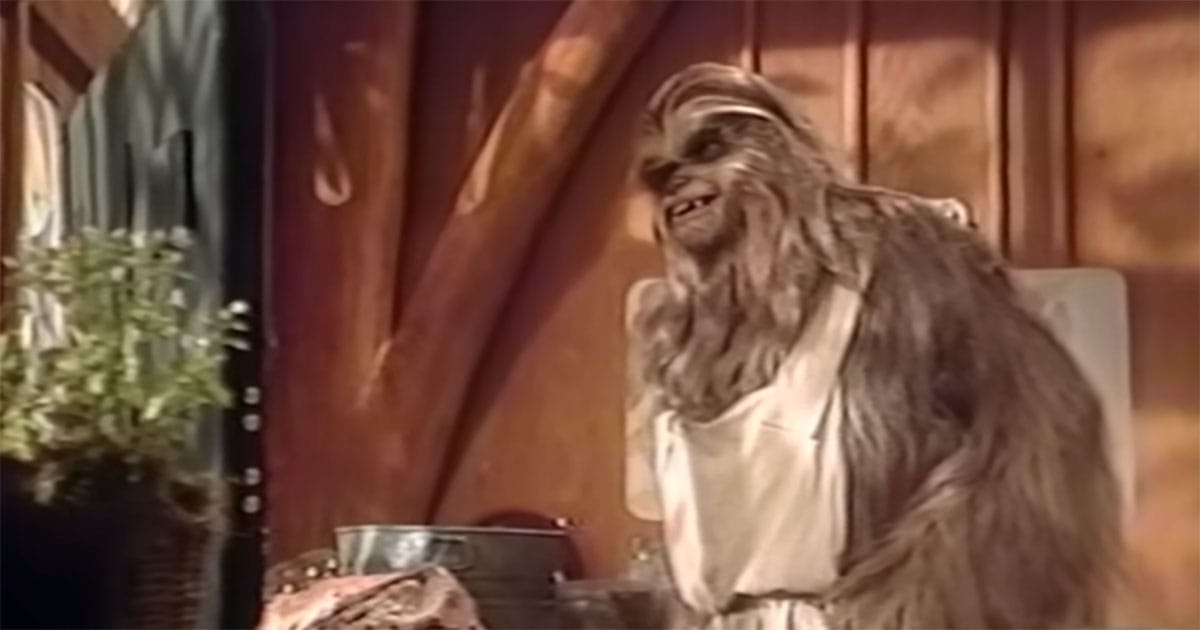
This special remains the most infamous science fiction Christmas production ever made. It attempted to fold a modern space myth into a 1970s variety show format that valued novelty over coherence. The result felt disconnected from the universe that audiences had embraced only a year earlier.
Long stretches without dialogue, awkward musical performances, and unfocused comedy drained the story of narrative momentum. Its single broadcast and permanent exile from official release sealed its reputation.
2. Doctor Who "The Feast of Steven" (1965)
This early Christmas experiment arrived during the First Doctor era. It interrupted an otherwise serious historical serial with jokes, holiday greetings, and direct acknowledgment of the audience. The tonal shift proved jarring even by the looser standards of early television.
The episode was not preserved by the BBC. Its absence has become part of its legacy, reinforcing the sense that it was an idea best left behind.
3. Pac-Man Christmas Comes to Pac-Land (1982)
This animated special reflects the excesses of early 1980s licensed television. The Christmas theme feels mechanically attached to a property that had no narrative foundation to support it. Characters exist largely to move the viewer toward consumer recognition.
The animation quality is poor even by the standards of the era. The story never rises above its function as a holiday commercial.
4. He-Man and She-Ra Christmas Special (1985)
This special attempts to explain Christmas to characters from a fantasy world by introducing modern Earth children. The device collapses Eternia's internal logic and replaces it with suburban familiarity. The result feels confused rather than festive.
The episode shifts wildly between cosmic fantasy and conventional holiday messaging. Neither tone is given enough space to feel sincere.
5. Doctor Who "The Doctor, the Widow and the Wardrobe" (2011)
This episode borrows imagery from classic fantasy but fails to capture its emotional depth. The story emphasizes reassurance over risk, leaving little sense of consequence. Characters resolve their conflicts quickly and without lasting impact.
The Doctor himself functions more as a benevolent guardian than a wandering moral force. The episode feels designed to comfort rather than challenge.
6. Doctor Who "Voyage of the Damned" (2007)
This Christmas special promised spectacle and scale. It framed its story as a disaster narrative set aboard a space liner, complete with guest star emphasis. The execution, however, never quite matches the ambition.
Emotional beats feel rushed and underdeveloped. The episode entertains briefly but leaves little lasting impression.
7. The Twilight Zone "The Night of the Meek" (1960)
This episode remains divisive within science fiction circles. It abandons speculative tension in favor of gentle fantasy and overt moral reassurance. For some viewers, that shift feels appropriate to the season.
For others, it softens the series' defining edge. It represents an early example of holiday sentiment overwhelming speculative purpose.
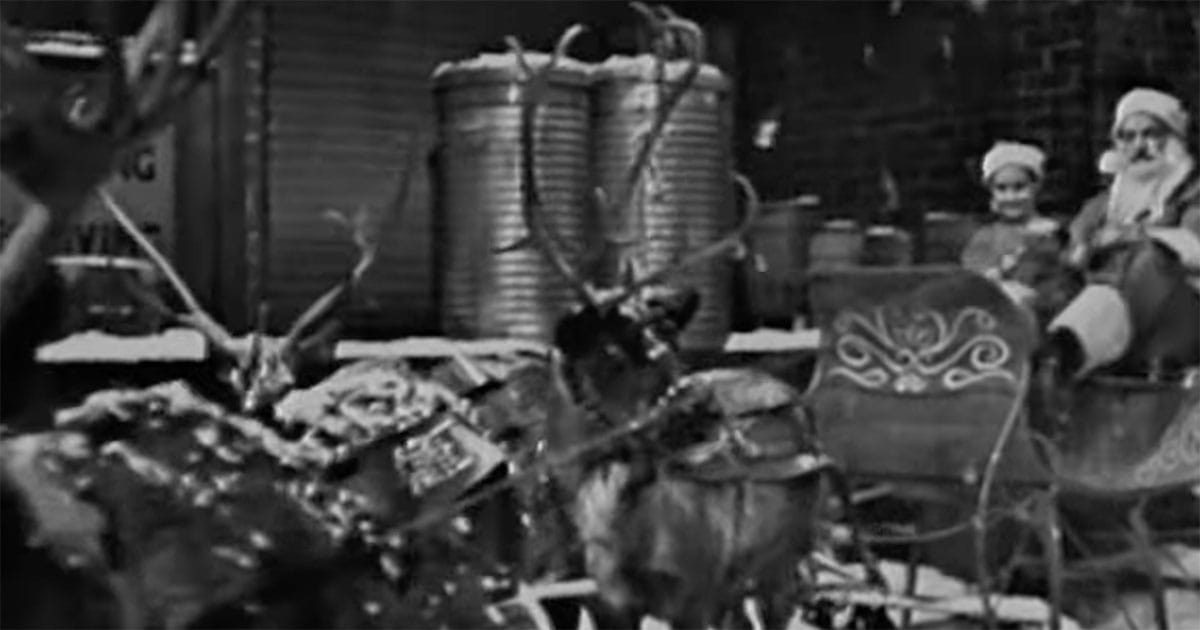
8. Lost in Space late season sentimental episodes (1967 to 1968)
Lost in Space never aired a formal Christmas episode. Its later seasons, however, leaned heavily into whimsy, broad comedy, and moral lessons aimed at children. The shift mirrors many of the failures seen in later holiday programming.
Scientific curiosity gave way to familiar reassurance. The series gradually lost the tension that had once defined it.
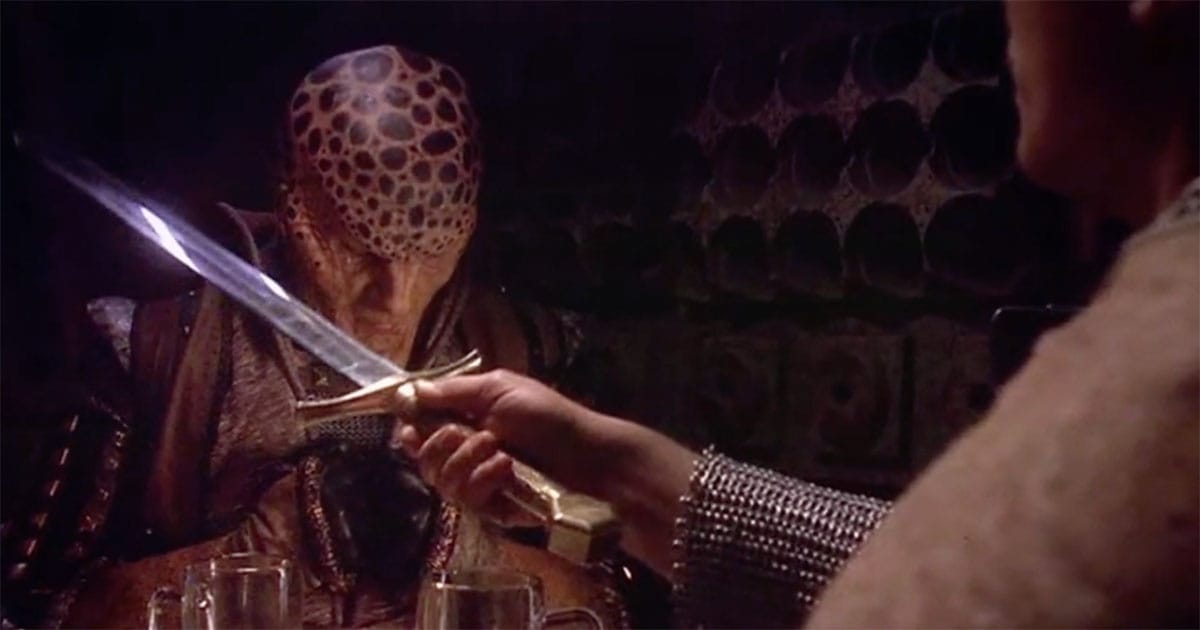
9. Babylon 5 "A Late Delivery from Avalon" (1998)
This holiday adjacent episode introduces Arthurian myth into a series known for political realism. The intention is earnest, but the execution feels disconnected from the show's established tone. The allegory overwhelms the narrative.
The episode disrupts the long-form storytelling Babylon 5 is known for. It remains one of the series' most debated installments.
10. ALF's Special Christmas (1987)
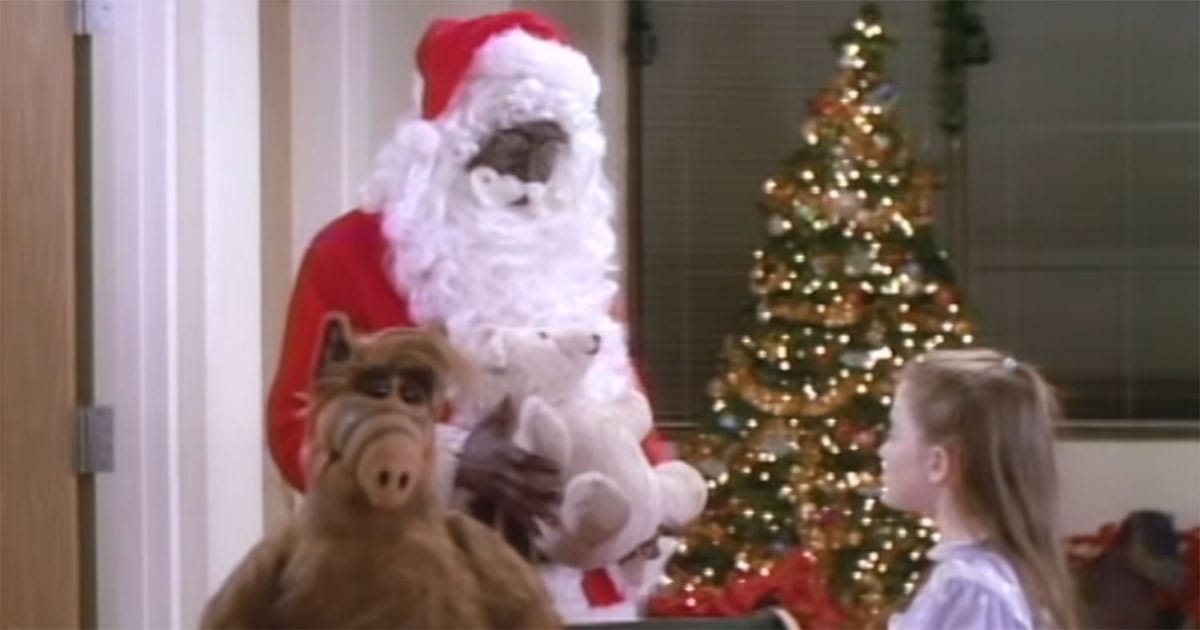
This special is remembered for its uncomfortable tonal clash. It attempts to blend sitcom comedy with themes of terminal illness and despair. The emotional register shifts abruptly and without warning.
Viewers are left unsure how to respond. The episode is unsettling in ways that feel unintentional.
ALF observes a hospital Christmas visit, a sitcom moment where science fiction gives way to seasonal charity.
Why science fiction struggles with Christmas
These episodes endure because Christmas magnifies creative decisions. The holiday demands reassurance, reconciliation, and closure. Science fiction, at its best, thrives on uncertainty and consequence.
When writers prioritize comfort over coherence, the genre's foundations weaken. Worlds feel less real. Stakes feel artificial. Meaning gives way to familiarity.
The worst science fiction Christmas episodes are not remembered only because they are bad. They are remembered because they reveal how fragile genre storytelling can be when it forgets its own rules.
That lesson feels especially relevant at Christmas. Tradition matters, but only when it serves the story rather than replaces it. Science fiction remains strongest when it remembers why its worlds exist in the first place.