
"The Andromeda Strain" as Cold War Science Fiction Procedural
A thoughtful review of "The Andromeda Strain" examining its procedural realism, Cold War anxieties, and lasting influence as one of science fiction’s most disciplined and unsettling films.

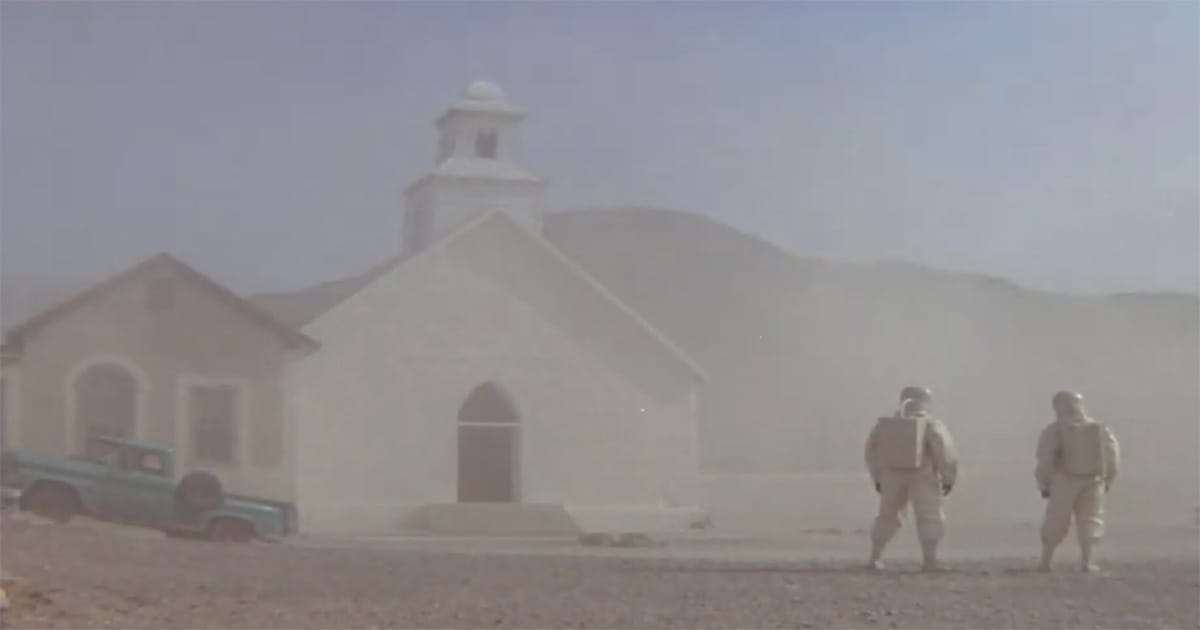
"The Andromeda Strain" was released at a moment when American science fiction still trusted expertise, institutions, and rational process. The film emerged from a late Cold War culture that believed complex problems could be understood through discipline and analysis.
Rather than presenting catastrophe as spectacle, it frames danger as a technical challenge. This choice gives the film a seriousness that was unusual even in its own era.
The film is adapted from "The Andromeda Strain" by Michael Crichton, and that origin matters. Crichton wrote the novel as a fictional technical report, emphasizing documentation, procedure, and systems failure.
The film preserves this structure almost intact. Its tone feels less like entertainment and more like a classified reconstruction.
Instead of heroes or villains, the story centers on method. Progress comes slowly through verification and repeated testing. Mistakes arise not from recklessness but from assumptions embedded in design. This approach requires patience from the viewer, but it also creates a deeper and more credible tension.
Director Robert Wise reinforces this seriousness through restraint. The film trusts the audience to follow technical dialogue without simplification. That trust remains one of its most distinctive qualities.
| Attribute | Details |
|---|---|
| Title | Logan's Run |
| Director | Michael Anderson |
| Writer | David Zelag Goodman, William F. Nolan, George Clayton Johnson |
| Actors or Actresses | Michael York, Jenny Agutter, Richard Jordan |
| Rated | PG |
| Runtime | 119 min |
| Box Office | $25,000,000 |
| U.S. Release Date | June 23, 1976 |
| Quality Score | 7.0/10 |
Synopsis
The story begins when a United States military satellite crashes near a small town in Arizona. Shortly afterward, nearly every resident is found dead where they stood, with no visible injuries. The deaths appear sudden and uniform, suggesting a cause that is invisible and systemic. Authorities immediately quarantine the area and suppress information.
A classified containment project, Wildfire, is activated to address potential biological threats.
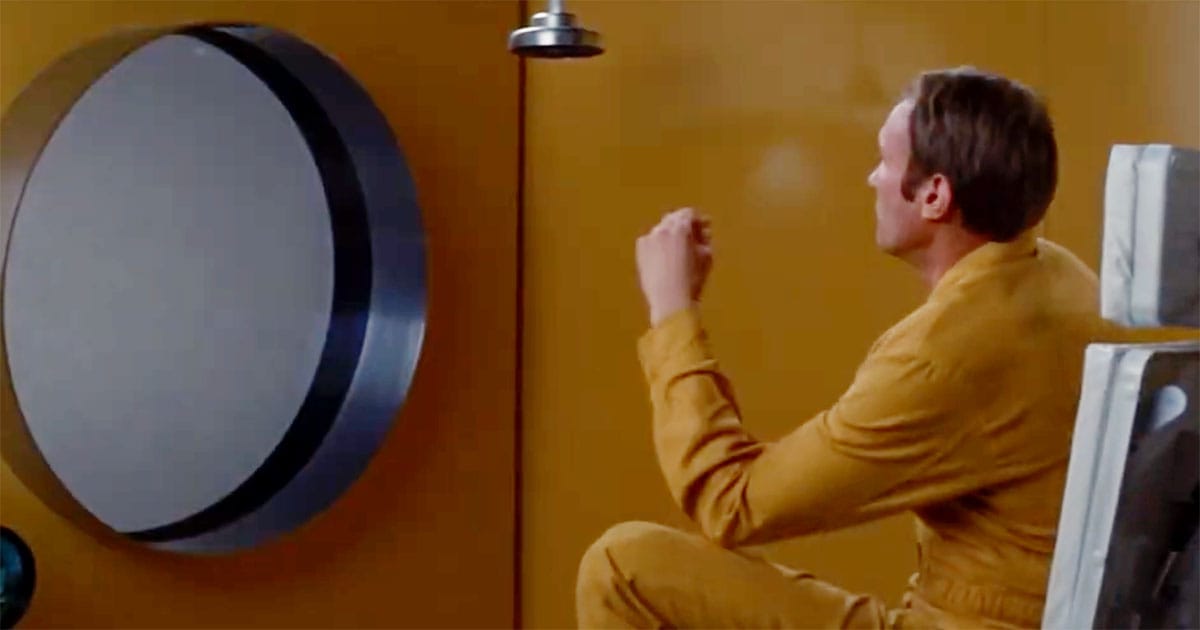
A small team of scientists is assembled and transported to a vast underground laboratory. Entry into the facility requires multiple automated decontamination stages. The process is precise, impersonal, and irreversible.
Inside Wildfire, the scientists begin analyzing the organism recovered from the satellite. Early findings reveal a form of life unlike anything previously encountered.
It lacks conventional genetic material and does not behave like terrestrial organisms. In its initial state, it kills by triggering massive blood clotting.
The investigation advances when two survivors from the town are identified. An infant and an older man remain alive under seemingly unrelated conditions.
Careful analysis shows that both share abnormal blood chemistry. This discovery reveals the organism's narrow biological limits.

As understanding improves, the organism mutates. It stops attacking humans and begins consuming plastics and synthetic materials.
This change threatens the laboratory's seals and structural systems. Automated safeguards initiate a nuclear self-destruct sequence.
The scientists realize that the ultimate safety measure could worsen the threat. A nuclear explosion could provide energy to accelerate the organism's evolution.
The final crisis focuses on stopping the system rather than defeating the organism. The incident ends without certainty or celebration.
Theme
The film's central theme is the illusion of control created by complex systems. Every mechanism in Wildfire operates according to careful logic.
Yet when these systems interact, they generate risks that no single safeguard anticipates. Danger arises from coordination rather than failure.
Another major theme is biological indifference. The organism does not act with intent or hostility. It does not invade or judge.
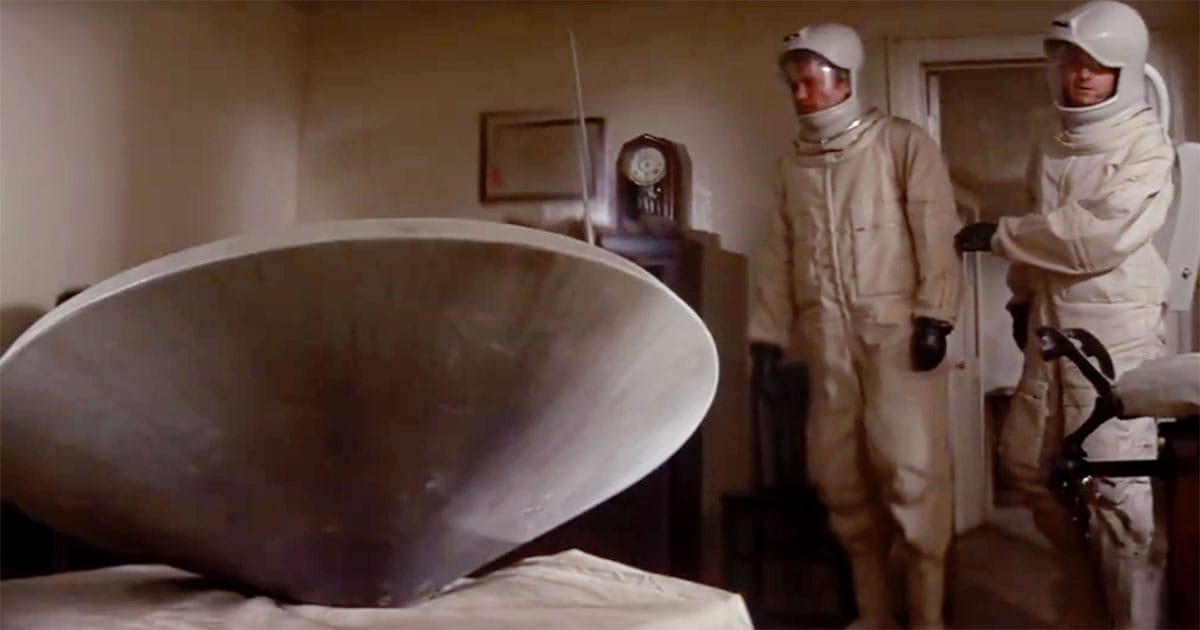
Its threat comes from simple interaction with human environments. This removes moral framing and replaces it with scientific reality.
The story also examines the limits of professional expertise. The scientists are intelligent, disciplined, and cautious. Their difficulty lies in operating within systems designed for known threats. When faced with something truly alien, even sound judgment becomes constrained. Secrecy plays a quiet but important role.
The satellite program exists outside public oversight. Decisions with global consequences occur in isolation. The film presents this structure without commentary, allowing outcomes to serve as critique.
The ending reinforces humility rather than reassurance. Humanity survives not because it masters the threat, but because the threat changes course. Survival is accidental rather than earned. This conclusion rejects the idea of permanent solutions.
Who Will Watch This
This film suits viewers who value intellectual engagement over action. It rewards attention, patience, and curiosity. Those expecting fast pacing may find it restrained.

Fans of classic science fiction will appreciate its seriousness and discipline. The film reflects a period when the genre trusted reason and professionalism. Its tone is sincere rather than ironic.
Viewers interested in institutional decision making will find the story compelling. The narrative focuses on process, protocol, and unintended interaction. These concerns remain relevant in an age of automation and layered safeguards.
The film also appeals to viewers who enjoy procedural storytelling. The drama unfolds through investigation rather than confrontation. Each discovery reshapes the problem rather than resolving it.
This is not background entertainment. It demands focus and quiet. For viewers willing to meet it on those terms, the film remains one of the most rigorous science fiction works ever produced.