
The Hidden Strength of Shmi Skywalker
Shmi Skywalker’s untold history and quiet resilience shaped the foundations of the entire saga. Explore the hidden strength and lasting legacy of the woman who began the Skywalker story.

The quiet beginning of the Skywalker saga
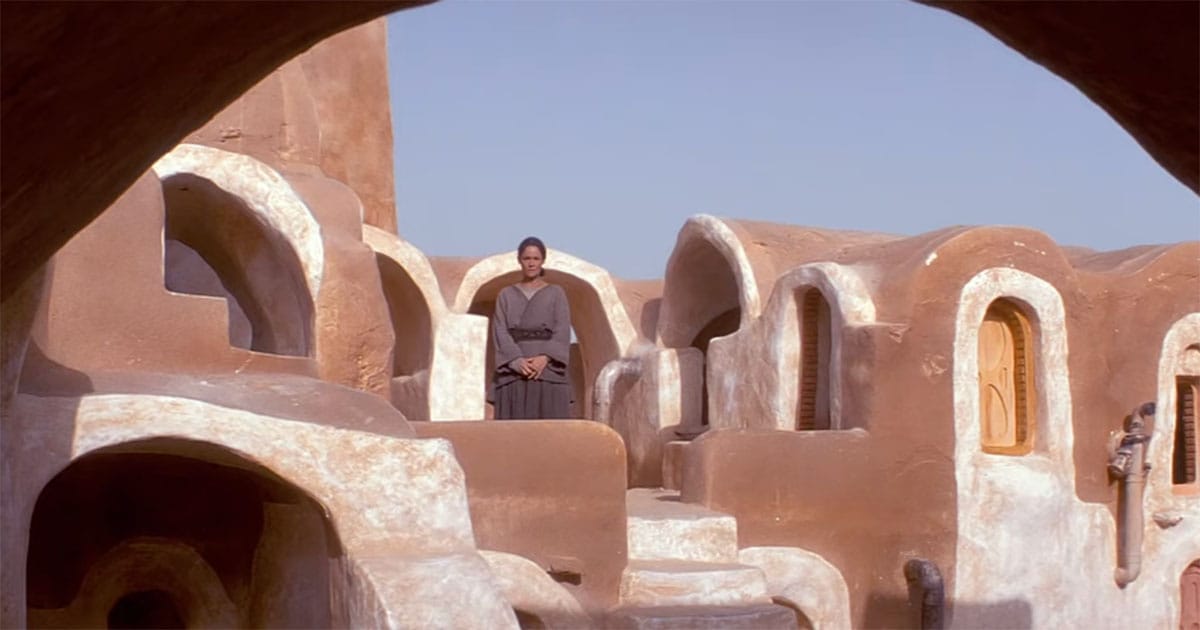
Shmi Skywalker stands at the true threshold of the Skywalker narrative, though the films introduce her with remarkable restraint. Her life in the slave quarters of Tatooine gives the saga a grounded starting point that contrasts with the grandeur that follows. Viewers encounter a mother whose daily struggle feels older than the Republic itself.
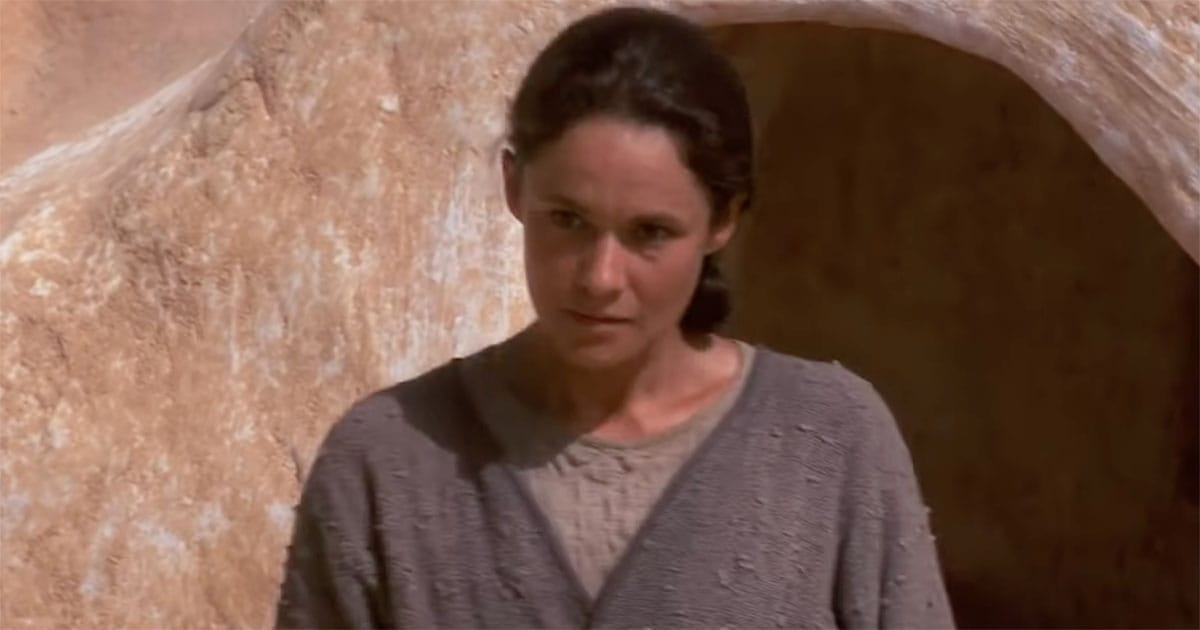
Her appearances in "Star Wars Episode I The Phantom Menace" and "Star Wars Episode II Attack of the Clones" show brief fragments of a difficult life shaped by forces beyond her command.
The camera never lingers on her long enough to explain the full weight she carries. Yet these small glimpses create a vivid sense of a woman whose endurance has become second nature.
The films keep her on the margins, but the plot relies on her choices at every major turn. Her decision to trust Qui-Gon and allow Anakin to leave sets in motion a chain of events that defines the destiny of the Jedi and the Republic. Her later absence becomes the echo chamber in which Anakin's fears grow.
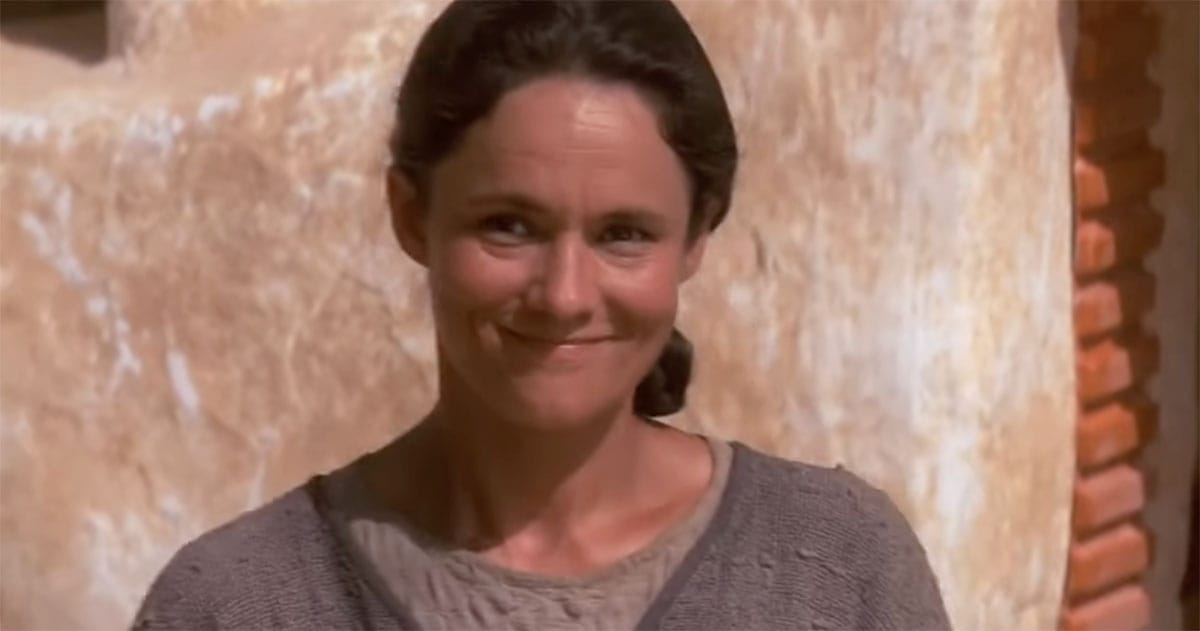
Over time, novels and reference works elevate Shmi into a figure touched by mystery and moral gravity. These stories treat her as the first guiding voice in the Skywalker line. Through this wider lens, she becomes the quiet keystone of the entire saga.
Shmi on screen and on the page in the prequel era
The prequel films present Shmi as a figure shaped by hardship and steady resolve. Her home on Tatooine feels worn yet orderly, suggesting years of practiced endurance. Each scene with her and Anakin shows a family bonded by affection rather than comfort. Her quiet trust in Qui-Gon reveals a woman who has learned to recognize rare opportunities when they appear.
Novelizations and early tie in books expand these impressions with careful detail. They explore her private thoughts about Anakin's gifts and her fear that his talents might draw unwanted attention. These accounts trace her awareness of their dependency on Watto and the fragile rhythms that govern life in the slave quarter. They also show her measured hope that Anakin might find a future beyond the dust and circuits of her workshop.
The story of Anakin's fatherless birth appears in both film and prose with a deliberate lack of explanation. Shmi describes it plainly and without ceremony, as if the mystery had become an accepted part of her life. This understated approach lets the audience project a range of interpretations. It gives her character an aura of quiet myth that deepens on the page.

Her final scenes in "Star Wars Episode II Attack of the Clones" cast a long shadow over Anakin's development. The brutality she endures and her death in his arms open the first fissure in his moral stability. Later stories mark this moment as the point when loss becomes fear and fear becomes rage. Shmi's absence becomes one of the saga's most potent forms of presence.
Shmi in novels and stories beyond the films
Legends continuity fills in parts of Shmi's life that the films leave untouched. "Tatooine Ghost" reveals that Shmi kept a journal even before her freedom and that she recorded weather patterns to help the Lars farm improve its harvests. These entries show her as someone who studied her environment with care. They also frame her as a woman who made herself indispensable in every household she entered.
The journal suggests that Shmi had a modest network of neighbors in the slave quarter. She traded small services and parts with other families and often repaired broken items for free when children brought them to her. These details present a community shaped by shared hardship and quiet acts of generosity. They also show how Shmi kept a sense of connection in a place designed to isolate people.
New canon works add glimpses of her reputation on Tatooine. Travelers mention a woman in Mos Espa who possessed an unusual calm that set her apart from others living under the same pressures. Later novels note that some residents remembered her as the mother of the boy who could fix anything. These understated memories broaden her presence without giving her dramatic scenes.
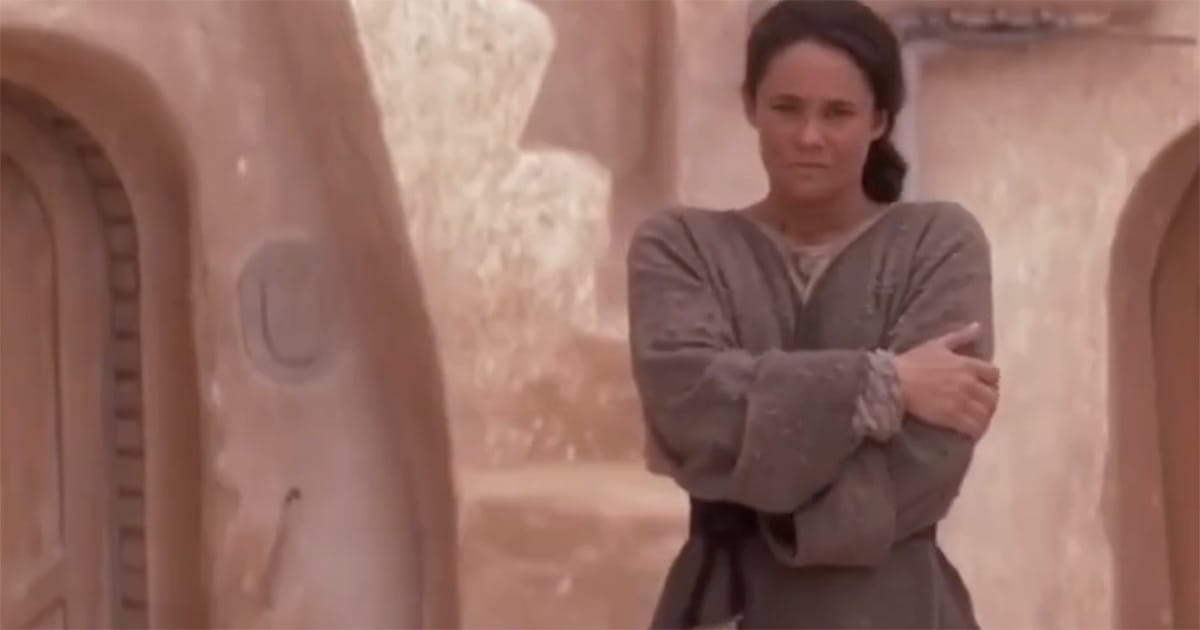
Reference books and visual guides reveal lesser known pieces of her domestic world. They mention that she built most of the furniture in her home and that she taught Anakin how to repair moisture vaporators long before he built droids. A few guide entries suggest she once worked in the shop of a previous owner before Watto acquired her. These fragments outline a life shaped by adaptation.
Themes of providence, freedom, and ordinary virtue
Shmi's early years in Legends add depth to the idea of providence in her story. Several older reference works note that she was likely taken from her birth world by pirates during a border raid.
Nothing in canon confirms this, yet it remains one of the earliest sketches of her origins. This thread casts her later calm as something earned through survival rather than temperament alone.
Her long experience under different owners reinforces the theme of inner freedom. Some sources mention that she once worked for a small family on a remote trading route before being sold again. The memory of that brief period of relative kindness appears in her journal when she reflects on how people can choose to treat others, even under challenging systems. These small recollections highlight her moral consistency across many environments.
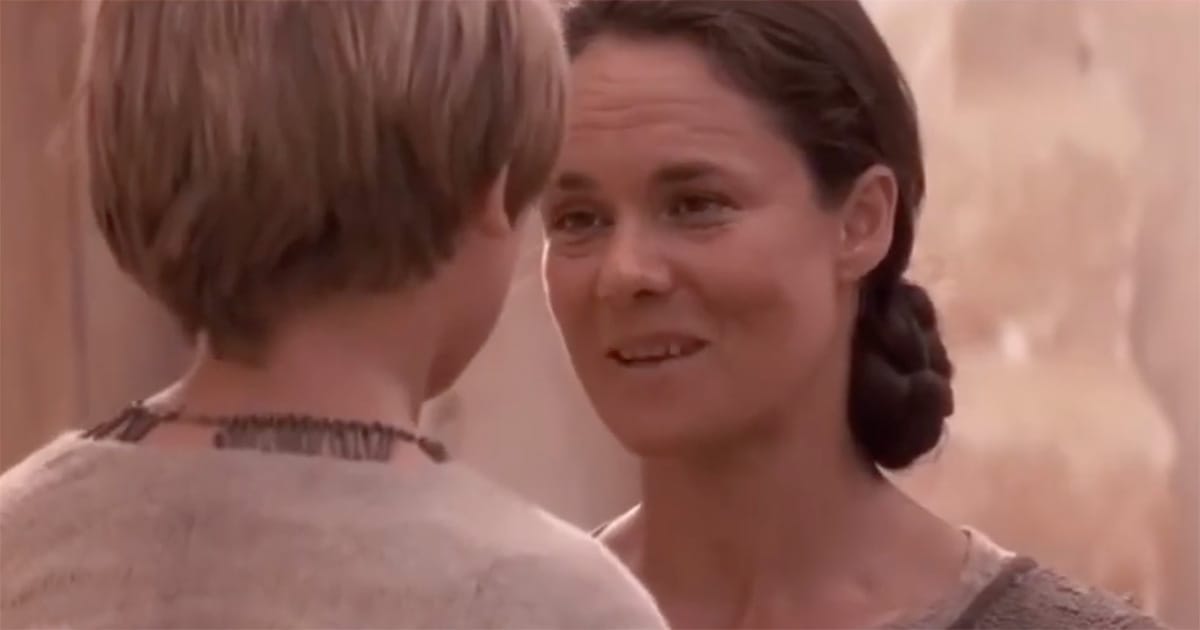
Her marriage to Cliegg receives only a few lines in the films, but Legends adds small details that build a fuller picture. Shmi wrote about her early uncertainty on the farm and her fear that she might never see Anakin again. She also described learning the habits of the Lars homestead and gaining confidence as she moved from servant to partner. These details show a woman rebuilding her life from the edges inward.
The quieter stories about her work and habits reinforce a different form of heroism. She repaired equipment for neighbors, tended to injured animals in the desert outskirts, and kept careful records of seasonal changes. None of these acts shape battles or politics. They shape character. Shmi demonstrates that the foundation of the Skywalker family rests on patience, responsibility, and the kind of strength that expects nothing in return.
Legacy and the unfinished story of Shmi Skywalker
Recent commentary on the prequel era has brought renewed attention to Shmi's role in the Skywalker story. Critics and longtime readers have begun to note how often the saga leans on her presence even when she is offstage.
Her steadiness becomes a point of comparison that later generations use to measure Anakin's rise and fall. Her influence lingers as a steady pulse beneath the noise of galactic conflict.
Many readers express a growing desire for a dedicated narrative that explores her early years and the lost periods that remain scattered across guides and older Legends entries.
These requests reflect a recognition that Shmi's life holds threads that could enrich the wider history of Tatooine and the origins of the Skywalker name. A full account of her past would give shape to the shadowed spaces that surround her. It would also complete a story that has remained intentionally unfinished.
Her legacy inside the saga operates through memory rather than spectacle. Characters who search for meaning in Anakin's life often return to Shmi as the first voice that shaped him.
Her presence becomes a moral reference point for those who try to understand how hope and fear can coexist within the same family. She stands as the earliest and most consistent guide to what the Skywalker line might have been.
Shmi Skywalker endures because her story suggests strength born from ordinary life. She anchors the myth not through power but through the steady habits that kept her family alive on the edge of the desert.
The films and novels treat her as the quiet beginning of a legend that would grow far beyond her sight. Her legacy remains one of the most human and underappreciated elements in the entire saga.