
The Making of "Star Trek: TMP"
How a canceled TV revival became Star Trek’s first feature film. An in-depth look at Phase II, production chaos, and why Star Trek: The Motion Picture emerged as a serious sci-fi epic.

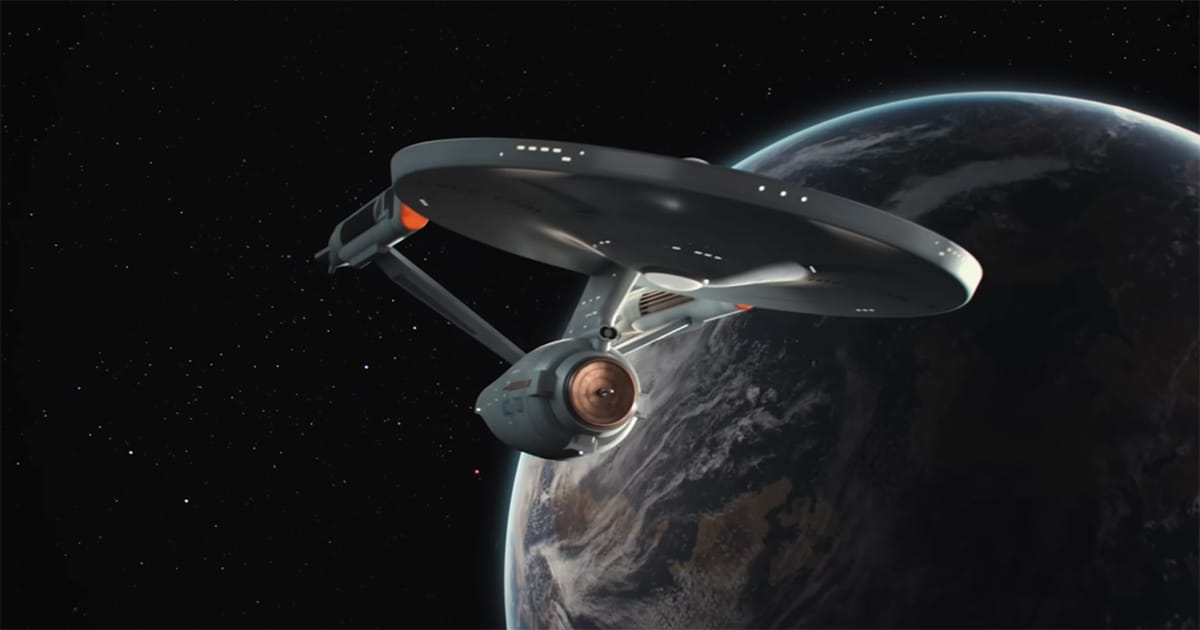
A franchise in limbo
By the mid-1970s, "Star Trek" existed in a strange cultural space. The original television series had failed to thrive in prime time yet flourished in syndication, transforming reruns into a grassroots phenomenon. Fans knew the characters intimately, but Hollywood did not yet know what to do with them. The property was respected, even admired, but not trusted as a cinematic engine.
Paramount's solution was a cautious revival rather than a reinvention. The studio greenlit a new television project titled "Star Trek: Phase II", conceived as the flagship program for a proposed fourth broadcast network. This approach kept budgets under control and expectations in check. It also meant that "Star Trek" was still being thought of primarily as television, even as its audience grew more devoted by the year.
Building a show that would never air
"Phase II" moved well beyond the planning stage. Scripts were commissioned, sets were constructed, and the Enterprise was redesigned with smoother lines and a more contemporary aesthetic.
Negotiations with cast members became the main uncertainty, with availability and interest fluctuating as months passed. Everything about the project suggested a serious commitment, but not a leap.
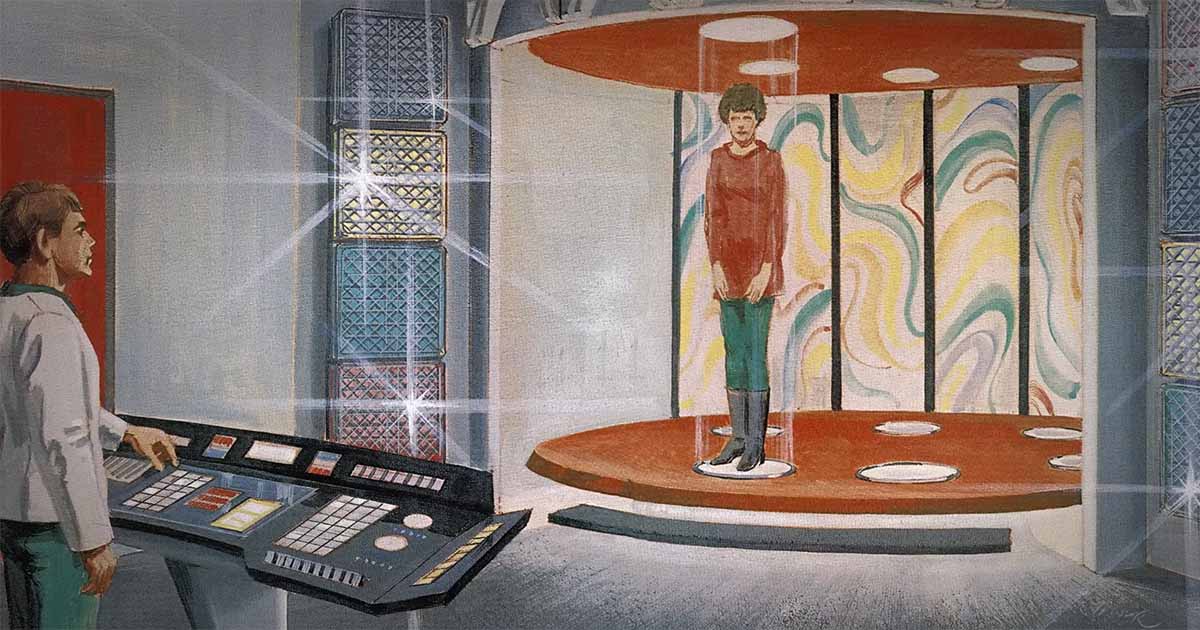
What mattered most was the mindset behind it. The stories leaned toward extended ideas, dialogue-driven problem solving, and ethical puzzles suited to episodic television. No one involved was preparing for a spectacle designed to compete with the era's largest films. The ambition was continuity, not escalation.
The shockwave of "Star Wars"
The release of "Star Wars: Episode IV – A New Hope" in 1977 changed the arithmetic overnight. Suddenly, space was no longer a niche genre but a box-office imperative.
Studios recalculated what audiences wanted, and television suddenly felt too small for a property with built-in recognition. Paramount canceled "Phase II" almost immediately.
In its place came a directive that was both simple and dangerous. "Star Trek" would return as a feature film, and it would do so quickly. Assets built for television would be repurposed, scripts would be expanded rather than replaced, and a release date would be fixed before a final story existed. The result was a project rushing toward theaters while still wearing its television skeleton.
A film assembled under pressure
The hiring of Robert Wise signaled the studio's priorities. Wise was not chosen to reinvent "Star Trek" but to stabilize it. His reputation was built on professionalism, discipline, and an ability to deliver finished films under difficult conditions. What he inherited, however, was closer to a construction site than a set.
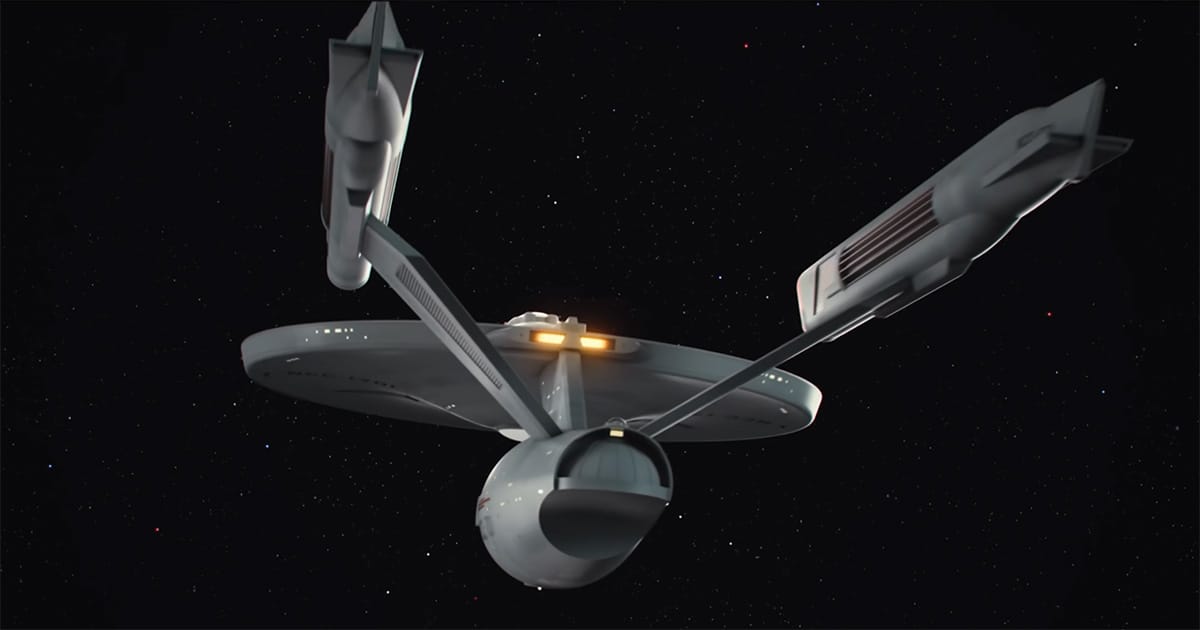
The screenplay evolved continuously, drawing heavily from "Phase II" concepts and drafts. Ideas meant to sustain forty-eight minutes were stretched toward two hours, often without time for structural refinement. Meanwhile, visual effects work fell behind schedule, forcing last-minute overhauls and emergency solutions. Wise completed the film with shots still being finished, an almost unheard-of situation for a major studio release.
Why the pacing looks the way it does
These production realities shaped the movie's rhythm in visible ways. Long passages without dialogue, extended flybys of the Enterprise, and sustained visual sequences were not indulgences alone. They were also practical responses to unfinished effects and evolving narrative logic. Yet these same elements gave the film its most distinctive quality.
Unlike later entries, "Star Trek: The Motion Picture" treats space as something to be regarded rather than conquered. The camera lingers because the story itself is about observation and comprehension. Movement slows so that scale can be felt rather than merely registered. In this sense, necessity became philosophy.
V'Ger and the return of cosmic inquiry
At the center of the film is V'Ger, an intelligence defined less by hostility than by incompleteness. It is not a villain in the conventional sense, but a vast question moving through space. The crew's task is not to destroy it but to understand what it is and what it wants. This approach places "TMP" firmly in the tradition of speculative science fiction rather than action adventure.
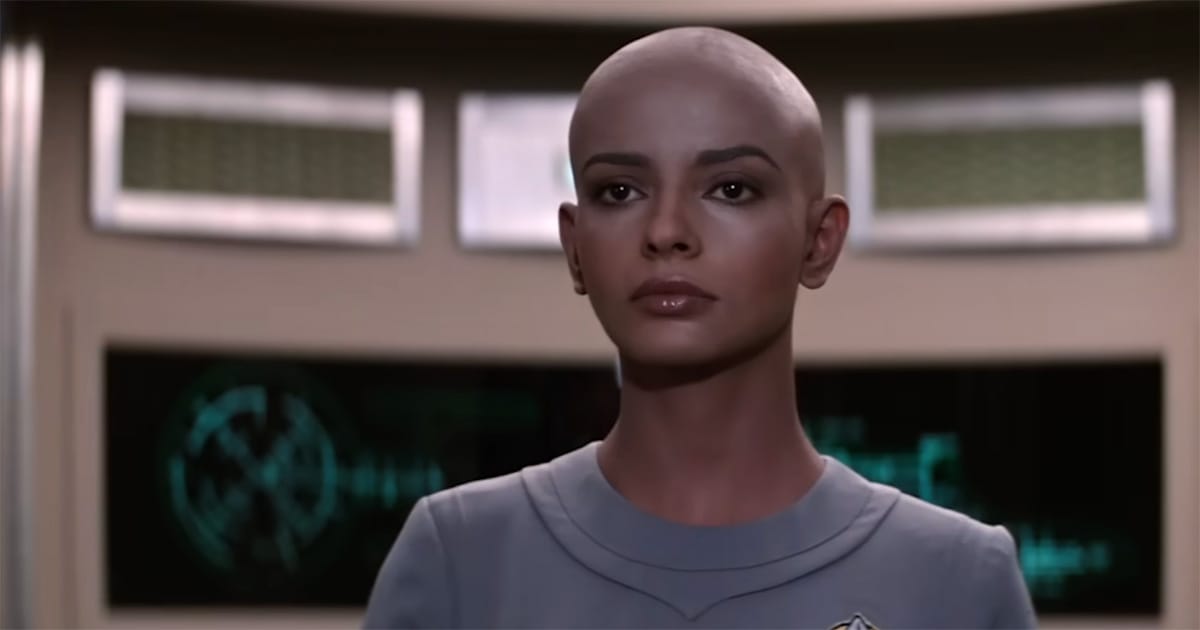
The story's resolution reinforces this intent. Meaning is found through synthesis, curiosity, and humility rather than firepower. The climax privileges transformation over victory, a choice that puzzled some audiences in 1979. Over time, it has come to define the film's identity.
Sound, design, and seriousness
Every major aesthetic choice reinforces the film's seriousness. Jerry Goldsmith's score treats space with solemn grandeur rather than excitement alone. Production design favors clean geometry and monumental interiors, presenting Starfleet as an institution shaped by order and restraint. Even the color palette leans toward the cool and formal.
These elements combine to create a tone closer to late-1960s cinematic science fiction than contemporary blockbusters. The movie feels less like a response to "Star Wars" than a counterargument. It insists that wonder can be quiet, and that awe does not require speed.
Reception and misunderstanding
When "The Motion Picture" premiered in 1979, it performed strongly at the box office. Critical response, however, was sharply divided. Many viewers expected fast-paced adventure and found something slower and more abstract. The contrast with "Star Wars" proved impossible to ignore.
This reaction shaped the franchise's future. Subsequent films moved decisively toward character conflict, humor, and tighter pacing. In that sense, "TMP" became a necessary outlier, defining what "Star Trek" would not be as much as what it could be. Its influence was felt even as its style was set aside.
Rehabilitation and legacy
Over the decades, "The Motion Picture" has undergone steady reassessment. Home video releases, director's cuts, and fan scholarship have highlighted its ambitions rather than its compromises. What once seemed inert now reads as deliberate. What felt slow now feels contemplative.
The irony is unmistakable. A project born of cancellation, indecision, and industrial panic became the franchise's most metaphysical statement on the big screen. "Star Trek: TMP" stands as proof that chaos does not always dilute meaning. Sometimes it clears space for it.