
The Meaning Behind Darth Vader’s Armor Design
An encyclopedia style explanation of Darth Vader’s armor design exploring its life support function visual influences symbolism and role in shaping authority fear and control in Star Wars lore legacy


What Is the Meaning Behind Darth Vader's Armor Design
Darth Vader's armor design is one of the most deliberate visual constructions in classic science fiction cinema. Introduced in "Star Wars" (1977), the costume communicates character and theme before the audience learns the details of the man inside it. The armor tells a story of power shaped by damage and order imposed through force.
Armor as Survival and Sentence
At a narrative level, the armor functions as a life-support system. Vader depends on the suit to breathe and survive after devastating injuries. The visible machinery on his chest and belt reinforces the idea that technology sustains him rather than enhances him.
The sound of mechanical breathing is essential to this meaning. Each breath reminds the viewer that survival comes at a cost. The armor turns existence itself into labor, reinforcing the character's separation from ordinary human life.
Warrior Imagery and Imperial Authority
The visual influences behind the armor draw from older warrior traditions. The helmet echoes the shape and presence of Japanese samurai armor. This connection reflects George Lucas's admiration for samurai cinema and its emphasis on discipline and hierarchy.
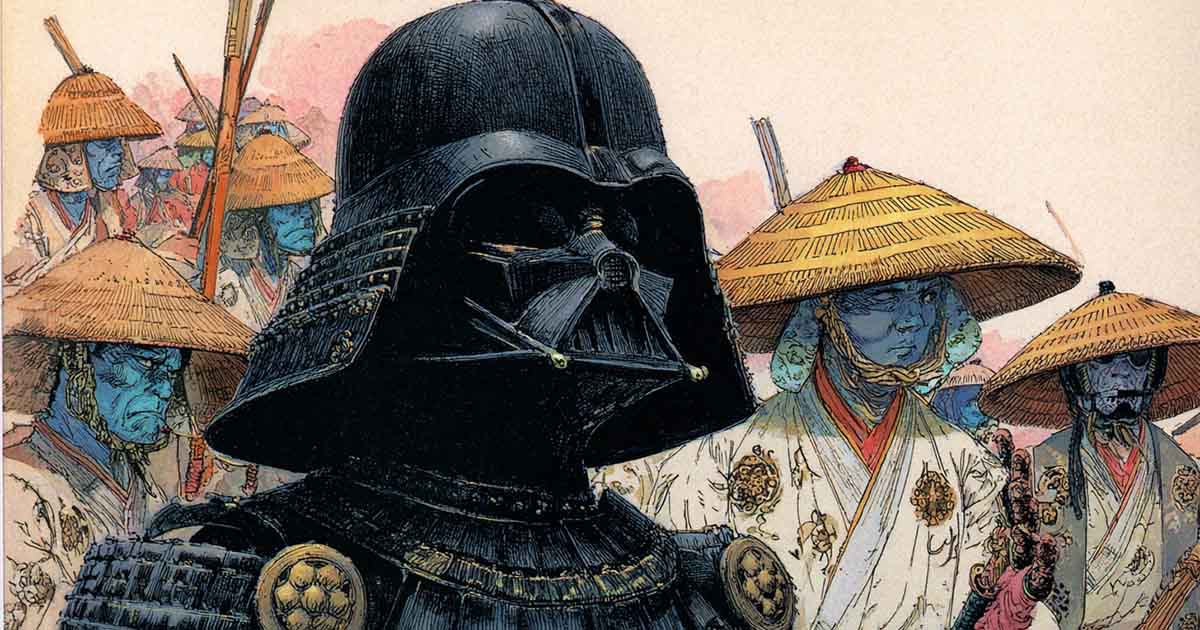
European medieval imagery also plays a role. The flowing black cape suggests feudal authority and judicial power. Vader resembles a dark noble or executioner rather than a frontline soldier.
The armor's silhouette establishes dominance through scale and structure. Broad shoulders and rigid lines enlarge the character's presence on screen. He appears less like a man and more like a moving structure of authority.
Color reinforces this effect. The uniform black finish absorbs light and minimizes detail. This visual weight makes Vader feel final and unavoidable whenever he enters a scene.
Dehumanization Through Technology
The mask is central to the armor's symbolic meaning. It removes facial expression and blocks emotional access. Viewers are denied the usual human cues of sympathy or doubt.
Speech filtered through the mask deepens this distance. Vader's voice sounds processed and artificial. Even language passes through machinery before reaching others.
The armor also standardizes the body. Its symmetry and rigidity erase individuality. Vader becomes an emblem of imperial order rather than a distinct personality.
Movement further supports this idea. The suit limits speed and flexibility. Each step appears measured and deliberate.
Power, Control, and Confinement
This restraint creates an impression of control. Vader does not rush or react impulsively. Others move around him while he advances steadily.
Power and imprisonment coexist within the armor's design. The suit grants strength and protection while denying freedom. Vader cannot survive without it.
This contradiction adds moral weight to the character. Authority emerges from suffering rather than triumph. The armor becomes a visible consequence of past choices.
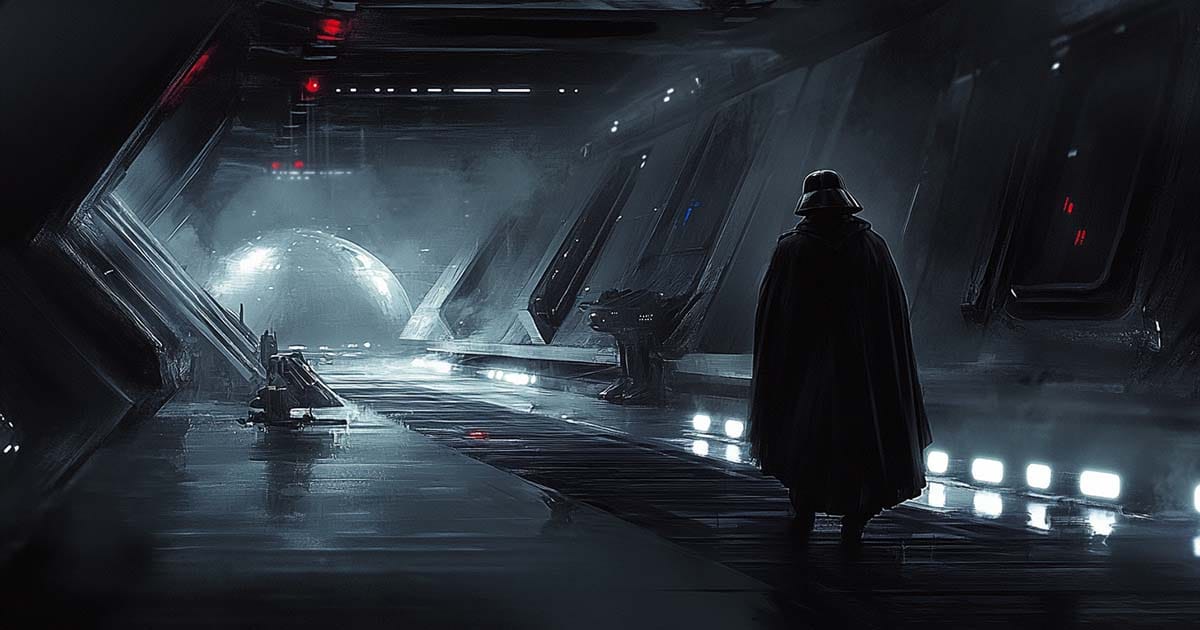
Science fiction often explores humanity's relationship with machines. Vader's armor presents that theme in personal form. Technology preserves life while stripping away intimacy.
The design also communicates hierarchy within the Empire. Vader's appearance separates him from officers and soldiers. His armor marks him as an instrument of ultimate enforcement.
This visual clarity contributes to the character's endurance. The audience understands Vader's role instantly. No explanation is required.
Darth Vader's armor succeeds because form and function align. Every element supports story and theme. Nothing appears decorative without purpose.
For readers of "Science Fiction Classics," the armor remains a benchmark of effective genre design. It demonstrates how costume can convey history, ideology, and consequence. Few science fiction creations express so much meaning with such restraint.