
TIE Fighter Meaning in "Star Wars" and the Twin Ion Engine Explained
TIE in the "Star Wars" TIE fighter means Twin Ion Engine, the propulsion system behind the Galactic Empire’s iconic starfighter and its distinctive design in one of science fiction’s most famous spacecraft.

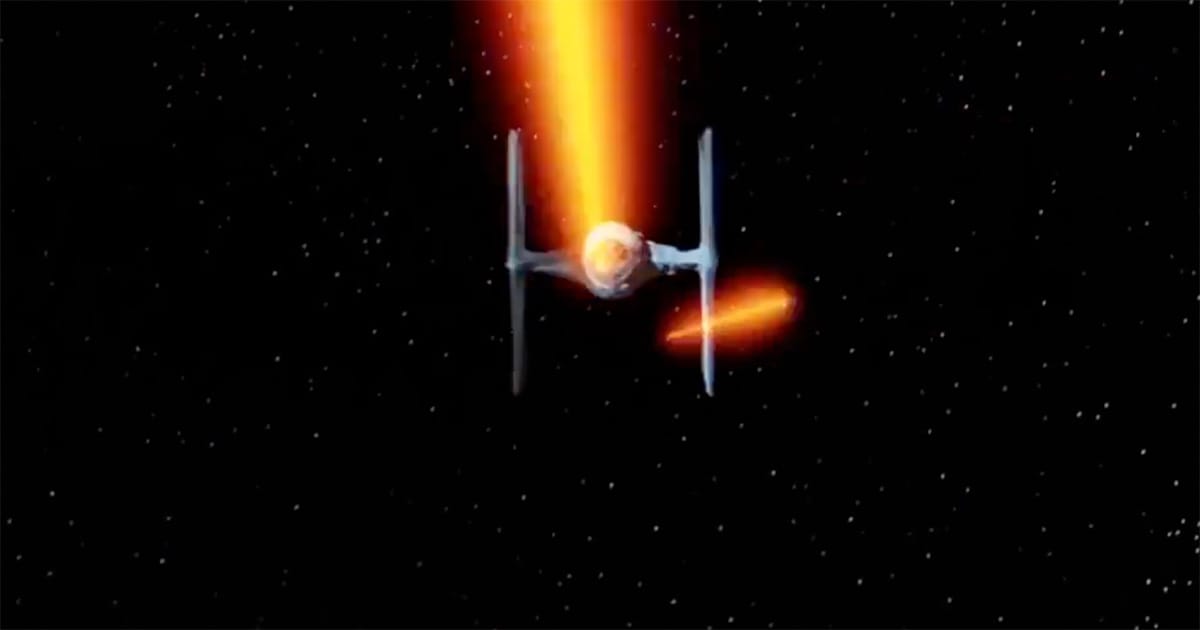
In the "Star Wars" universe, TIE is an acronym for Twin Ion Engine. The name refers to the propulsion system that powers the Imperial starfighter, the TIE fighter.
The term appears across a family of Imperial craft, such as the TIE/ln fighter, the TIE Interceptor, and the TIE Bomber.
The designation reflects the engineering concept behind the ship. Two ion engines mounted at the rear of the cockpit generate thrust for space flight and combat maneuvering.
The name also aligns with the ship's visual shape. The large vertical panels attached to each side of the cockpit produce a silhouette that resembles a bow tie when viewed head on.
The Twin Ion Engine System
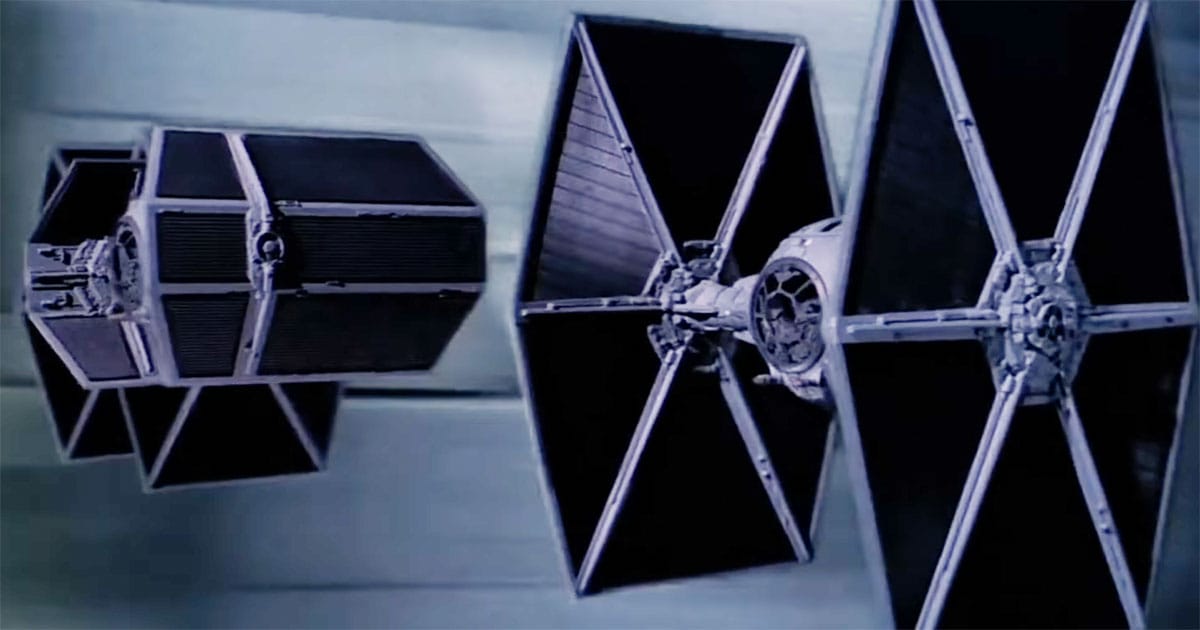
The twin ion engine system forms the core technology of the TIE fighter. In the fictional science of "Star Wars," ion engines accelerate charged particles to produce thrust in the vacuum of space.
This propulsion system gives the fighter exceptional speed and agility. Imperial pilots rely on rapid acceleration and tight maneuvering during dogfights against Rebel starfighters.
The TIE fighter's large side panels support this engine system. These panels collect solar energy and channel power to the craft's engines and weapons.
This arrangement allows the fighter to operate with a lightweight structure. The design sacrifices heavy defenses in favor of speed and mass production.
Structure of the TIE Fighter
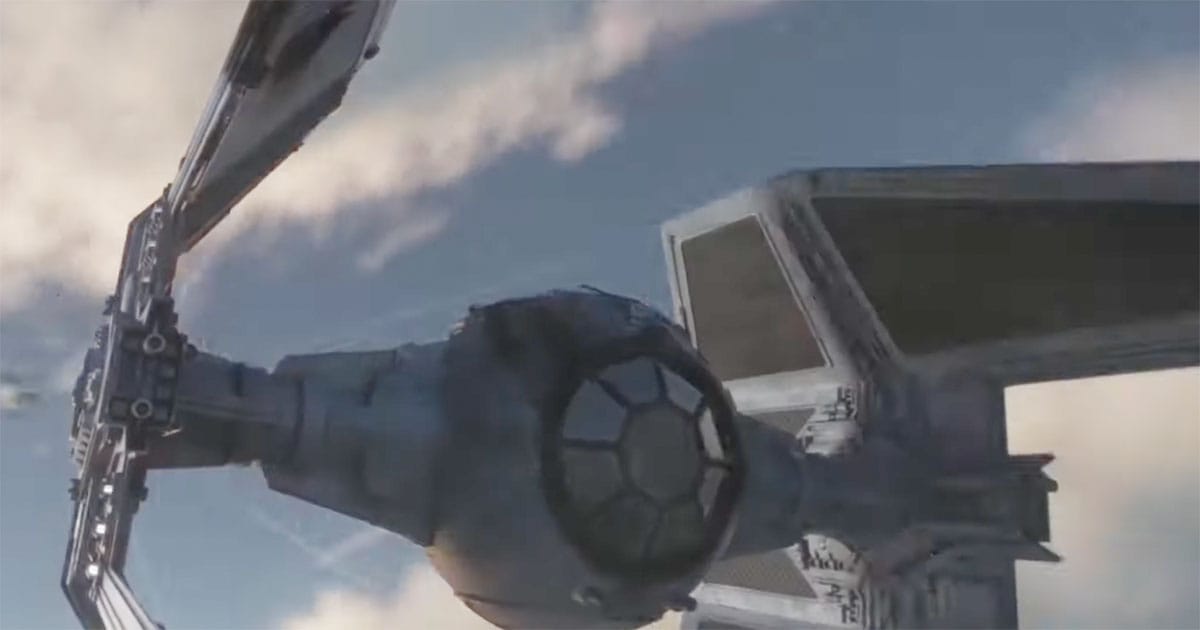
The standard Imperial TIE fighter follows a simple and recognizable layout. The craft centers on a spherical cockpit pod that contains the pilot and control systems.
Two vertical panels extend outward from the cockpit on narrow pylons. These panels contain power systems and energy collectors that support the craft's engines.
Behind the cockpit sit the twin ion engines that drive the fighter forward. The pilot operates the craft alone, relying on onboard targeting systems and the fighter's high maneuverability.
This minimalist structure reduces weight and simplifies manufacturing. The Empire can produce large numbers of these fighters for deployment across its fleet.
Imperial Starfighter Doctrine
Within "Star Wars" lore, TIE fighters are built by Sienar Fleet Systems, a major defense contractor serving the Galactic Empire. The company develops several starfighters based on the Twin Ion Engine platform.
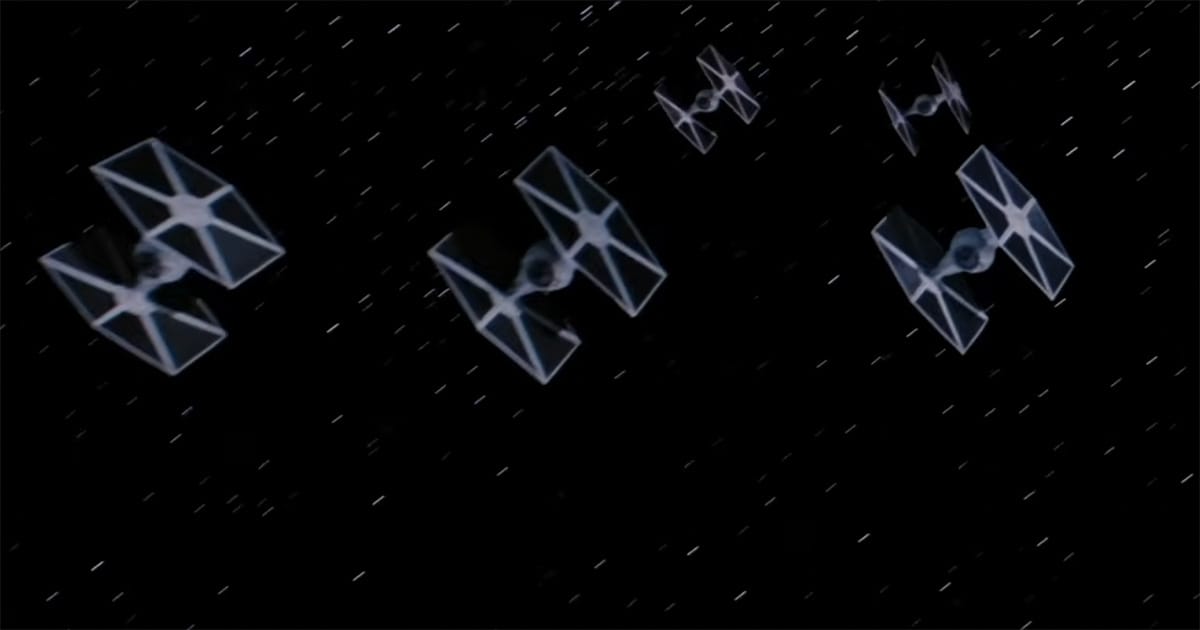
Imperial strategy favors swarms of fast attack fighters launched from large warships. Star Destroyers often deploy entire squadrons of TIE fighters during space engagements.
Several variants expand on the basic design.
TIE/ln fighter – The standard Imperial space superiority fighter.
TIE Interceptor – A faster craft designed for aggressive dogfighting.
TIE Bomber – A heavier model capable of carrying bombs and torpedoes.
TIE Defender – A more advanced fighter equipped with shields and hyperdrive.
Each of these ships retains the fundamental Twin Ion Engine design that defines the TIE family.
Legacy in Science Fiction
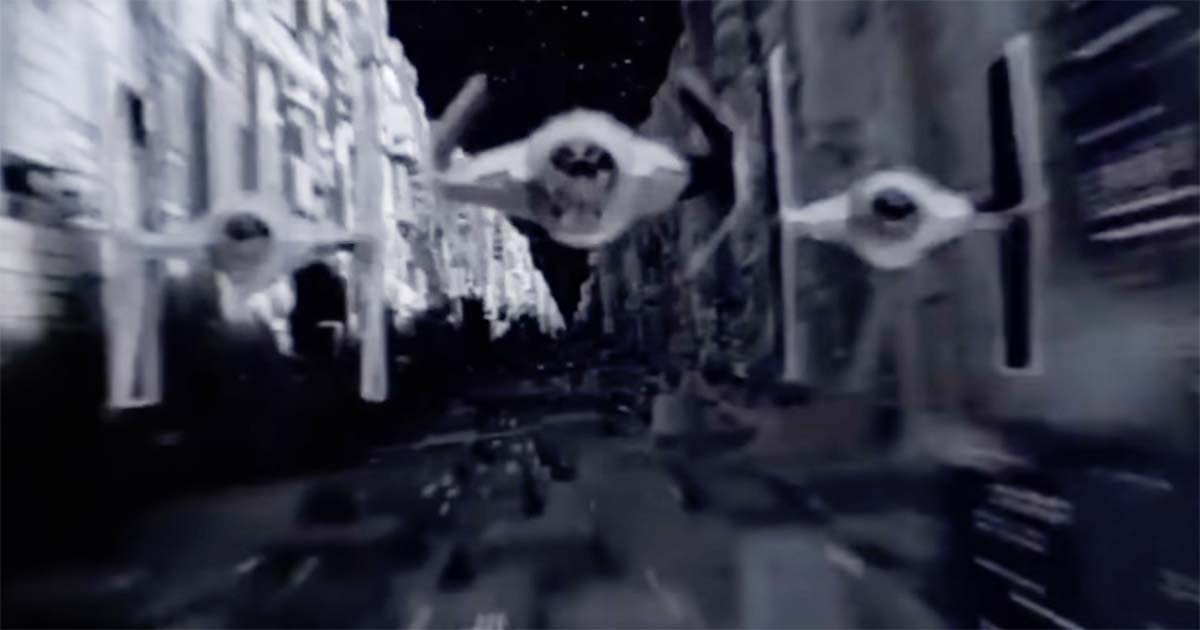
The TIE fighter first appears in the 1977 film "Star Wars," later retitled "Star Wars Episode IV – A New Hope." The spacecraft quickly becomes one of the most recognizable starfighters in science fiction cinema.
Its stark design communicates the cold efficiency of the Galactic Empire. The ship's iconic engine scream also becomes one of the most memorable sound effects in film history.
The name TIE fighter, therefore, carries both a technical and visual meaning. It describes the Twin Ion Engine propulsion system while echoing the bow tie shape created by the craft's side panels.
For fans of classic science fiction, the TIE fighter remains a symbol of the imaginative engineering that defines the "Star Wars" saga.