
What Is the Mandalorian Creed in "Star Wars"
The Mandalorian Creed defines honor, identity, and survival in "Star Wars." Learn its meaning, origins, and why “This is the Way” shapes Mandalorian culture across the galaxy.

A Cultural Code in "Star Wars"
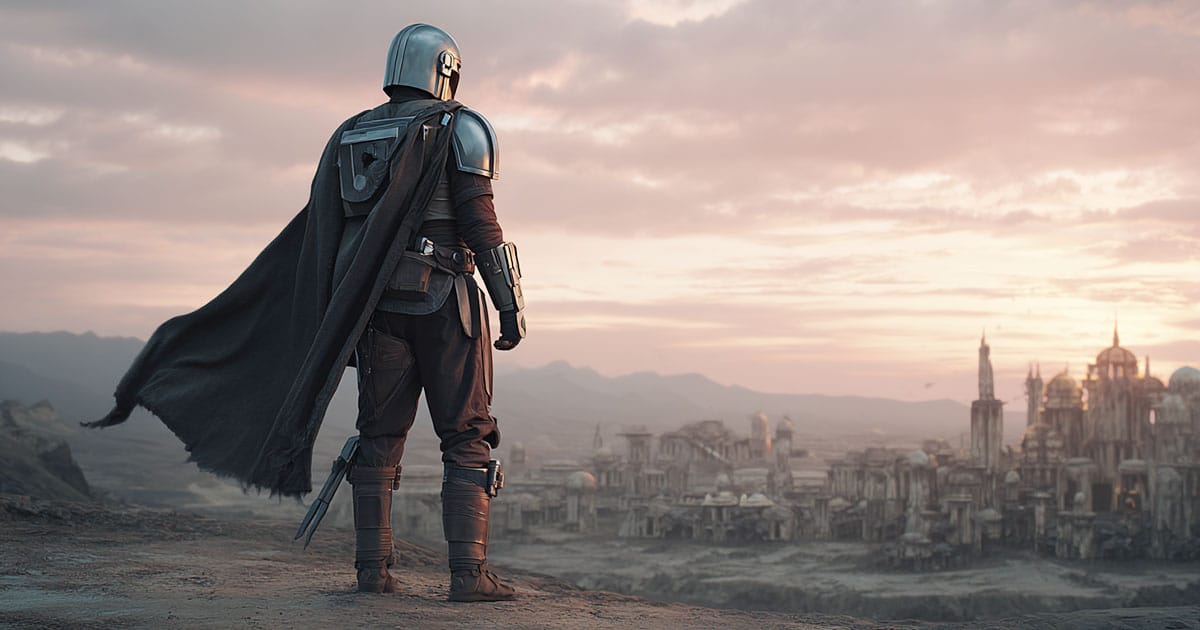
The Mandalorian Creed is a fictional system of belief that defines the warrior society of Mandalorians in the "Star Wars" universe. It is not preserved as a formal document, but as a set of traditions practiced and reinforced over time.
The Creed governs identity, duty, and belonging within Mandalorian culture. Its modern depiction in the television series The Mandalorian provides one of the clearest portrayals of how these ideas function in daily life.
At its foundation, the Creed answers a direct question. What makes someone a Mandalorian? The answer is not bloodline alone, but commitment to a shared code.
Origins in War and Survival
The Mandalorian Creed grows out of a long history of conflict. Mandalore is a world shaped by conquest, civil war, and eventual collapse. These conditions produce a culture that values strength, order, and endurance.
As political structures fail, the Creed becomes the anchor of identity. It allows Mandalorians to remain a people even when they lose their homeworld. In this sense, the Creed acts as a portable civilization carried by its adherents.

"This Is the Way"
The phrase "This is the Way" serves as the most recognizable expression of the Creed. It is spoken as a form of agreement and affirmation within Mandalorian groups. The phrase signals that an action aligns with tradition and duty.
For figures like Din Djarin, this phrase reflects discipline rather than emotion. It shows that personal doubts are set aside in favor of collective rules. The simplicity of the phrase reinforces the clarity of the system.
The Armor as a Living Symbol
Armor holds a central place in the Mandalorian Creed. Forged from beskar, it represents both survival and continuity. Each piece of armor may carry history tied to battles, family, or personal achievement.
In stricter sects, the helmet is never removed in front of others. This rule eliminates outward individuality and strengthens group identity. The man becomes secondary to the role he fulfills.
Foundlings and the Expansion of Identity
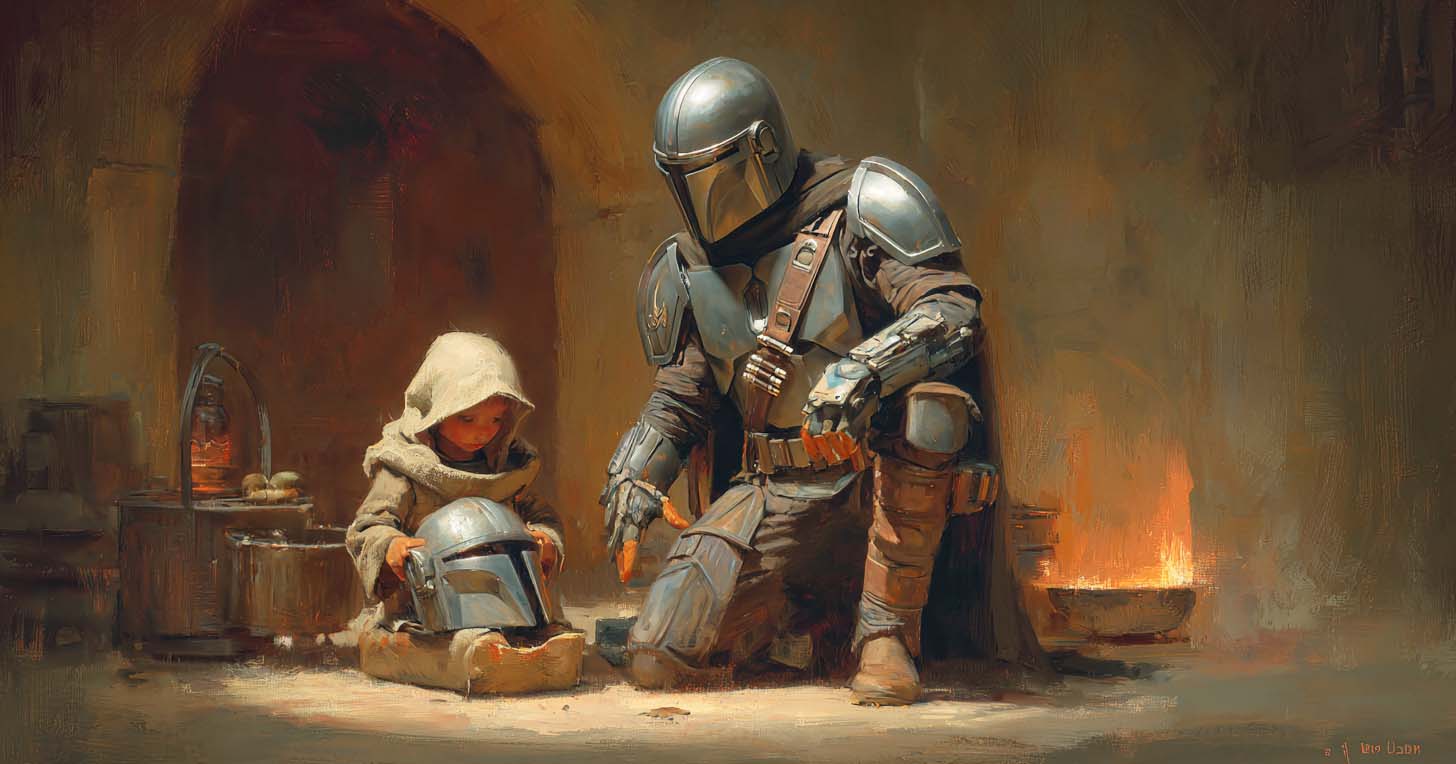
The Mandalorian Creed does not restrict membership to those born into the culture. Foundlings are adopted and trained as Mandalorians, becoming full members of society. This practice ensures that the culture can survive across generations.
The journey of Din Djarin illustrates this idea clearly. His identity is shaped entirely by the Creed that raises him. Loyalty and discipline define him more than origin ever could.
Clan Structure and Obligation
Mandalorian society is organized into clans and smaller covert groups. Loyalty to these units is essential under the Creed. Each member is expected to protect his people and uphold their reputation.
Honor is tied to collective strength rather than individual gain. A Mandalorian succeeds when his group endures. This structure reinforces stability in an otherwise unstable galaxy.

Warfare as Cultural Expression
Combat is central to Mandalorian life. It is not only a necessity, but a defining feature of the culture. Skill in battle reflects discipline, preparation, and adherence to the Creed.
Weapons training and tactical awareness are treated as moral responsibilities. A Mandalorian who cannot defend himself or his clan fails in his duty. Warfare becomes both practical and symbolic.
Orthodoxy and Change
The Mandalorian Creed is not practiced uniformly across all factions. Some groups follow strict interpretations that emphasize ritual and separation. Others adapt the Creed to fit political and social realities.
This contrast appears in leaders like Bo-Katan Kryze, who takes a more flexible approach. These differences reveal that the Creed is not static. It evolves in response to changing circumstances while retaining its core principles.
A Philosophy of Identity and Duty
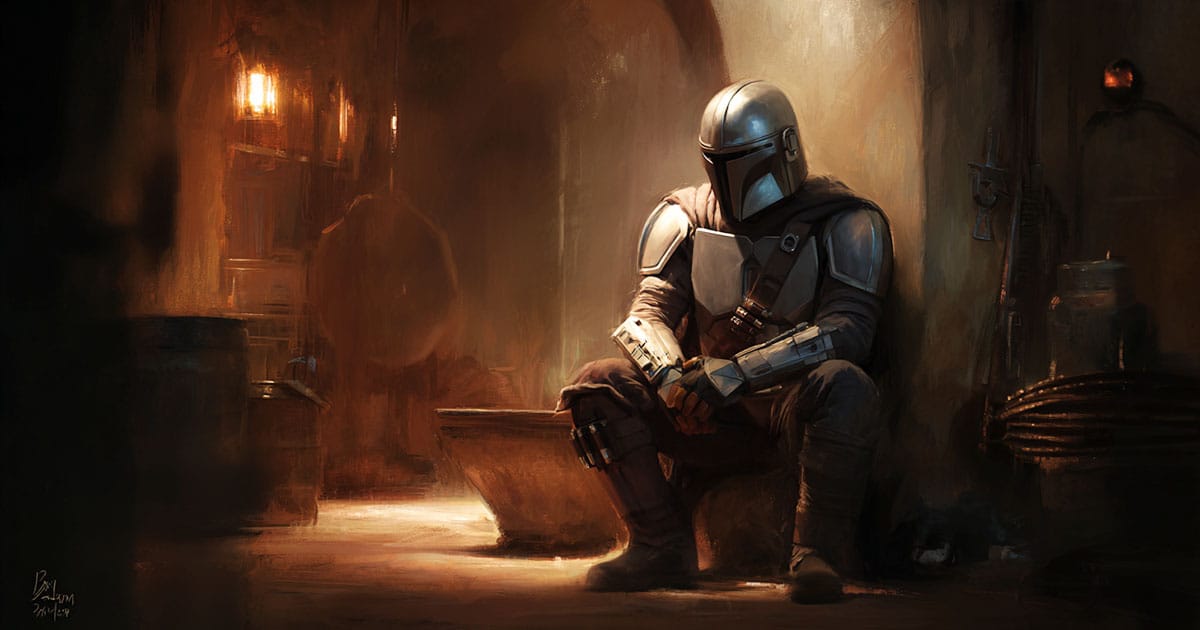
At a deeper level, the Mandalorian Creed explores the relationship between identity and obligation. It presents a model in which a man defines himself through action and loyalty rather than inheritance. The Creed offers a clear structure amid a universe of uncertainty.
This emphasis on order, discipline, and belonging reflects the enduring concerns of classic science fiction. It aligns with the storytelling principles outlined in the, where moral clarity and cultural continuity play central roles.
A Creed Carried Through the Stars
The Mandalorian Creed endures because it is both simple and adaptable. It binds individuals into a shared identity through ritual, discipline, and belief. Its strength lies in its ability to survive loss, exile, and change.
In a galaxy defined by conflict, the Creed provides stability. It defines what it means to belong, to serve, and to endure.