
When Thirty Is the Deadline in “Logan’s Run” (1976)
A thoughtful review of “Logan’s Run” (1976) exploring its vision of enforced youth, artificial comfort, and the hidden cost of a perfect future in classic 1970s science fiction cinema.

Released in 1976, "Logan's Run" emerges during a brief period when Hollywood treated science fiction as a vehicle for large ideas rather than niche thrills.
Studios invested in futures that were colorful, expensive, and strangely anxious. The genre had not yet retreated into cynicism or nostalgia.
The film presents a future that appears orderly and benevolent. Its cities are clean, its citizens relaxed, and its technology efficient. Everything about the setting signals success.
That success, however, depends on a rule that is never questioned within the society itself. No one is permitted to live past the age of thirty. The promise of renewal masks an unspoken finality.
Unlike darker dystopias of the era, this world does not collapse under violence or scarcity. It collapses under comfort. The population is not oppressed so much as gently managed.
The film reflects a 1970s suspicion of systems that promise perfect balance. It suggests that order without moral struggle leads to stagnation. The danger is not tyranny, but surrender.
Seen today, the film feels both dated and revealing. Its ideas remain familiar, even if its surfaces belong to another age. That tension makes it worth revisiting.
| Attribute | Details |
|---|---|
| Title | Logan's Run |
| Director | Michael Anderson |
| Writer | David Zelag Goodman, William F. Nolan, George Clayton Johnson |
| Actors or Actresses | Michael York, Jenny Agutter, Richard Jordan |
| Rated | PG |
| Runtime | 119 min |
| Box Office | $25,000,000 |
| U.S. Release Date | June 23, 1976 |
| Quality Score | 7.0/10 |
Synopsis
The story is set inside a sealed domed city where humanity lives protected from the outside world. Citizens are provided entertainment, food, and companionship without effort. Conflict appears to have been eliminated.
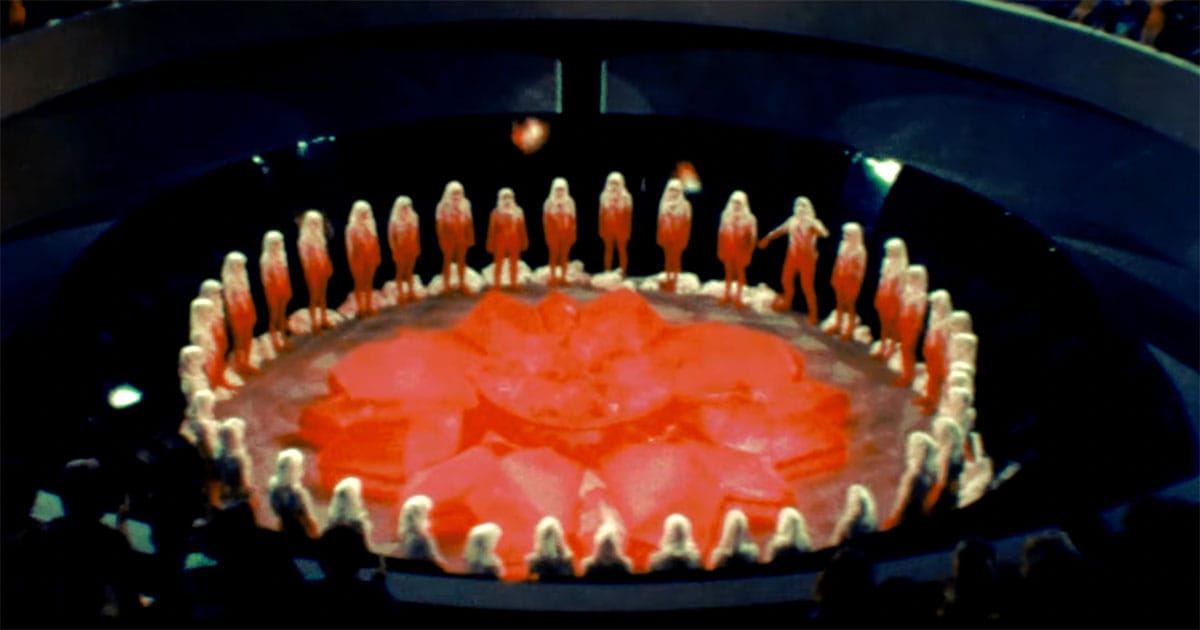
This stability is enforced through a strict age limit. At thirty, every citizen must participate in a public ritual known as Carrousel. The ceremony promises rebirth but delivers death.
Carrousel is framed as a celebration rather than a punishment. Music, spectacle, and social approval turn termination into entertainment. The population accepts the process as natural law.
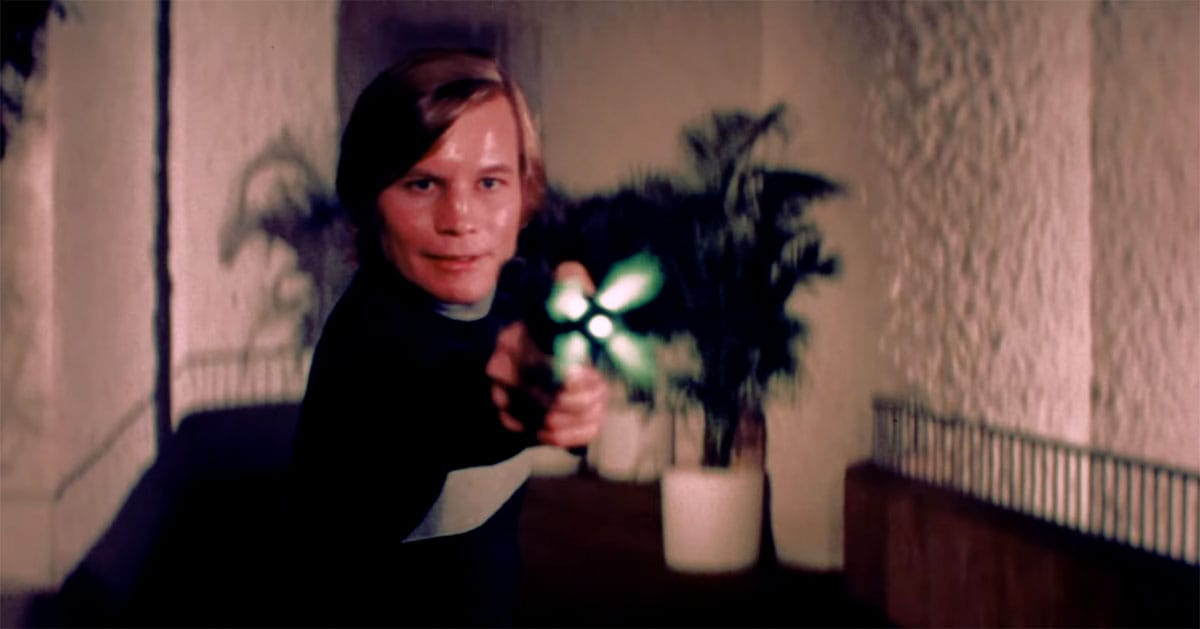
Enforcement falls to elite police known as Sandmen. Their role is to locate and eliminate Runners who attempt to avoid their final day. Logan 5 is one of the most effective among them.
Logan believes in the system he serves. He views Runners as selfish threats to social balance. His confidence rests on unquestioned assumptions.
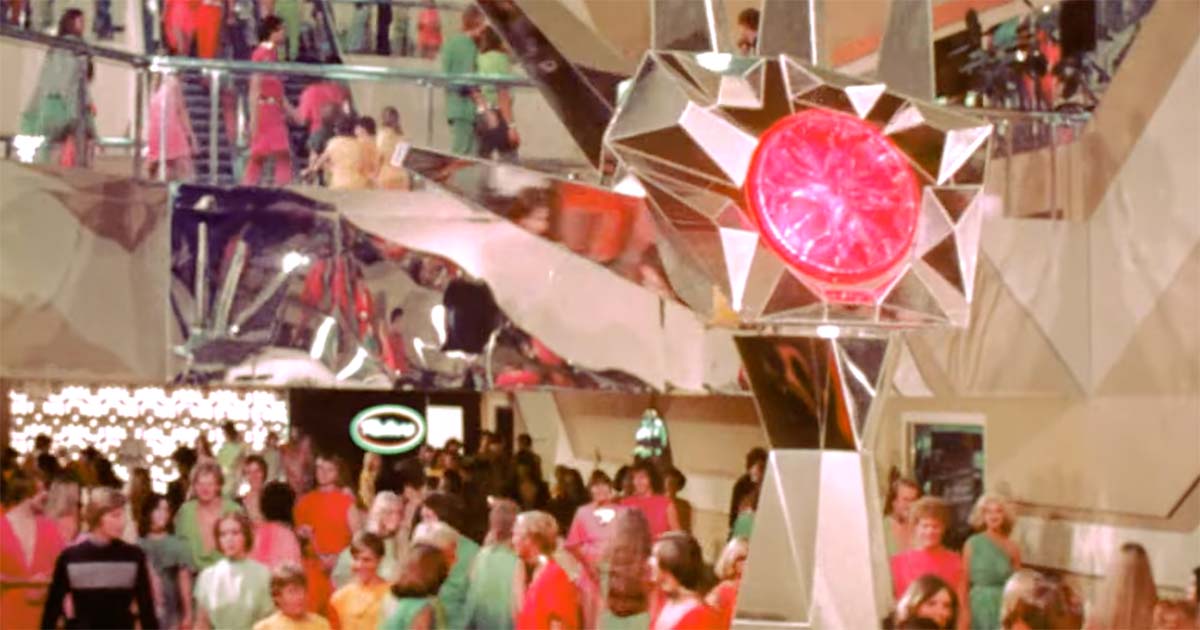
That confidence is shaken when the city's central computer secretly alters Logan's life clock. He is given a limited time to live and ordered to locate Sanctuary. Sanctuary is rumored to be a place where Runners escape death.
To complete his mission, Logan must become a Runner himself. He is forced into the role he once despised. The transformation is both professional and personal.
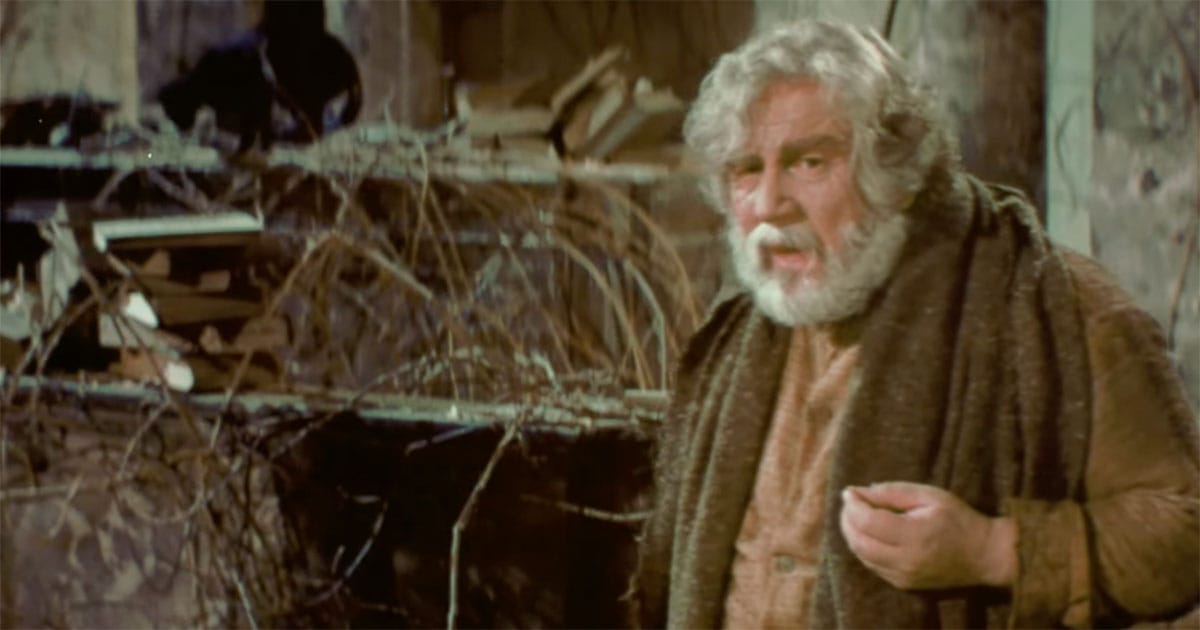
Outside the dome, Logan encounters a world erased from public memory. Ruins, silence, and age challenge everything he has been taught. The further he travels, the more fragile the city's logic appears.
Themes
The film's central theme is control achieved through pleasure. Citizens are not coerced by fear or force. They are distracted into obedience.
Comfort replaces responsibility. Choice exists only within approved boundaries. True alternatives are treated as threats.
Another major theme is fear of aging. Youth is elevated as the highest value. Age is framed as decay rather than wisdom.
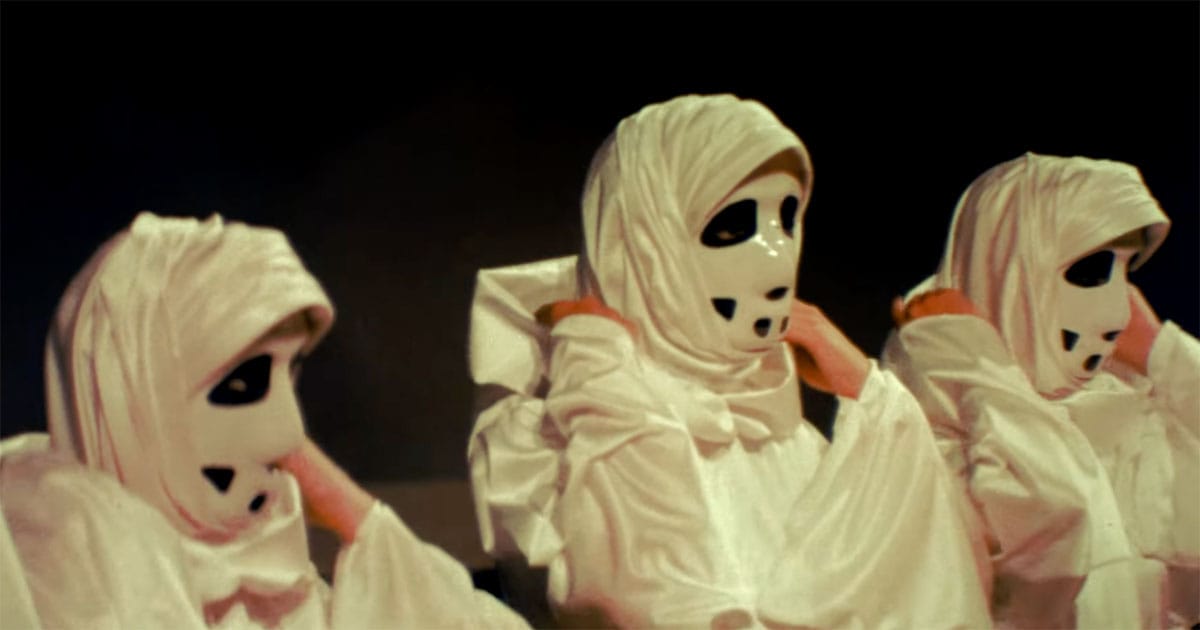
By eliminating old age, society also eliminates the inheritance of knowledge. No one grows old enough to challenge the system with experience. The result is a population frozen in adolescence.
History is deliberately erased. The past is neither taught nor remembered. Without history, citizens lack the ability to measure loss.
Technology replaces moral judgment. The central computer administers justice without compassion or understanding. Efficiency becomes the highest virtue.
The film also questions the idea of renewal through destruction. Carrousel promises rebirth but delivers replacement. Life is not renewed, only recycled.
Unlike many dystopias, the system does not fall due to rebellion. It fails because it cannot adapt. Perfection proves brittle when confronted with truth.
Who Will Watch This
This film is best suited for viewers who appreciate classic studio science fiction. It values ideas over realism. Patience is rewarded.
Audiences accustomed to relentless pacing may find the film slow. Its tension is philosophical rather than kinetic. The drama unfolds through discovery, not action.
The visual design reflects its era. Costumes and sets feel theatrical rather than practical. Viewers seeking modern grit may struggle.
Fans of cautionary futures will find lasting value here. The film asks timeless questions about comfort, mortality, and control. Its warnings remain relevant.
For viewers willing to look past dated effects, the film offers thoughtful speculation. It stands as a reminder of when science fiction trusted audiences to think.