
Why Twi’leks Became Dancers and Slaves in "Star Wars"
Why Twi’leks are often portrayed as dancers or slaves in "Star Wars," from early film choices to in-universe explanations and how later stories expanded their roles beyond the stereotype.

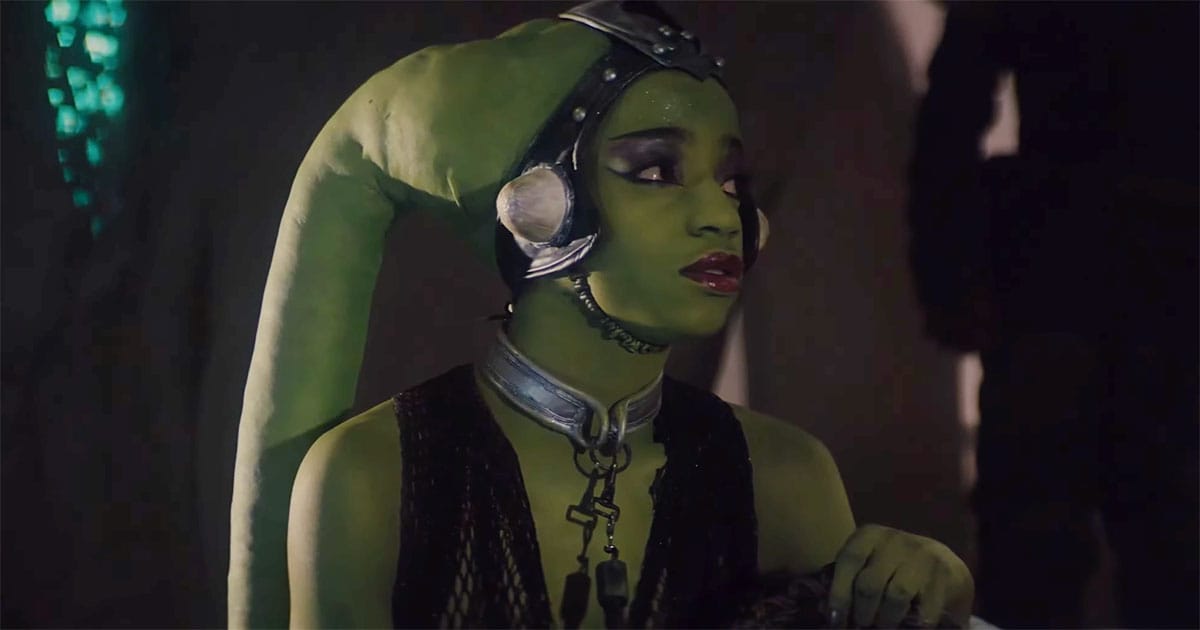
Why Are Twi'leks Often Portrayed as Dancers or Slaves
Twi'leks are one of the most recognizable alien species in "Star Wars," known for their colorful skin and long, expressive head-tails called lekku. Across multiple films and series, however, they are frequently depicted as dancers, servants, or enslaved individuals.
This pattern is not accidental. It emerges from a combination of early filmmaking choices, narrative reinforcement, and later attempts to explain those choices within the story world.
The First Impression on Screen
The portrayal begins in "Return of the Jedi," where audiences encounter Twi'leks in the palace of Jabba the Hutt. Characters like Oola appear as captive entertainers, performing for a criminal court that treats them as disposable. These scenes are striking and memorable, combining alien design with spectacle and danger.
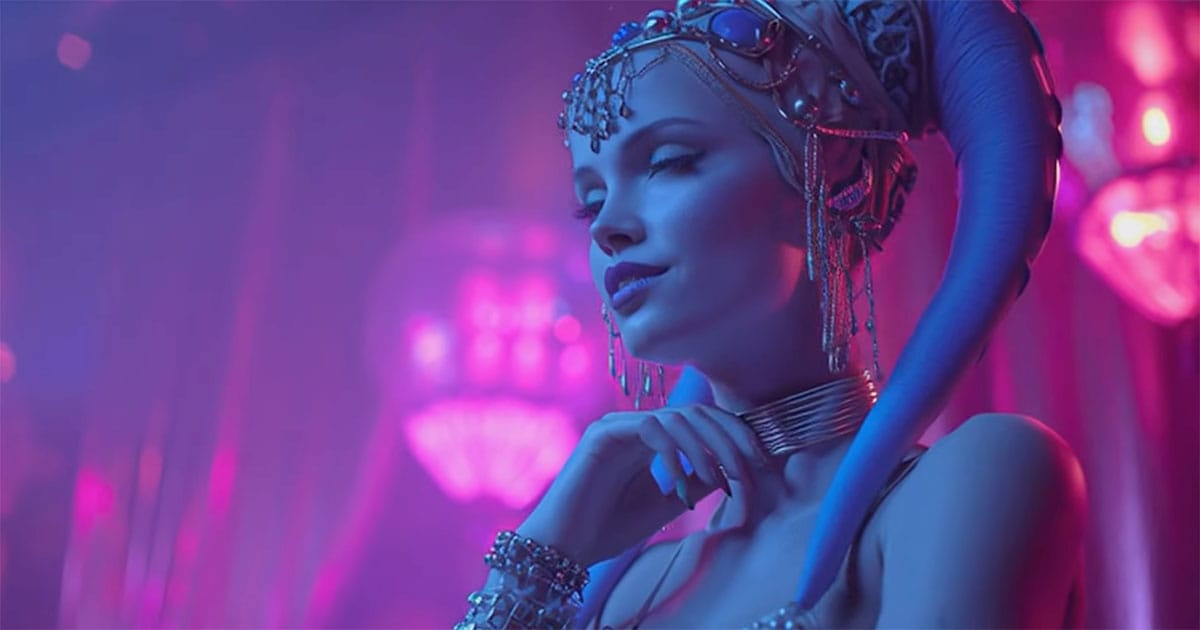
Because this was the first major exposure many viewers had to Twi'leks, it established a lasting impression. The image of the Twi'lek dancer became shorthand for the species. Later appearances often echoed that original depiction, reinforcing the connection between Twi'leks and servitude.
A Pattern Takes Hold
Once a visual idea is introduced in a popular franchise, it tends to repeat. Twi'leks were visually distinctive, and their earlier portrayal gave writers and designers a ready-made role to place them in. This made them easy to include in scenes involving crime syndicates, cantinas, or exotic settings.
Over time, repetition turned into expectation. Audiences began to associate Twi'leks with specific roles, and creators continued to meet that expectation. The result is a feedback loop where the stereotype strengthens with each appearance.
In-Universe Explanations
Later "Star Wars" stories attempted to justify the pattern within the fictional universe. The Twi'lek homeworld, Ryloth, is often depicted as economically disadvantaged and politically unstable. Its location in the Outer Rim places it beyond the consistent protection of central authority.
These conditions make the planet vulnerable to exploitation. Crime syndicates and slave traders operate with relative freedom, and Twi'leks are often the victims of trafficking and forced labor. Some narratives suggest that local leaders tolerate or participate in these systems, further entrenching the cycle.
This explanation provides internal logic, but it arrives after the initial portrayal. The stereotype existed first, and the story world adapted to explain it.
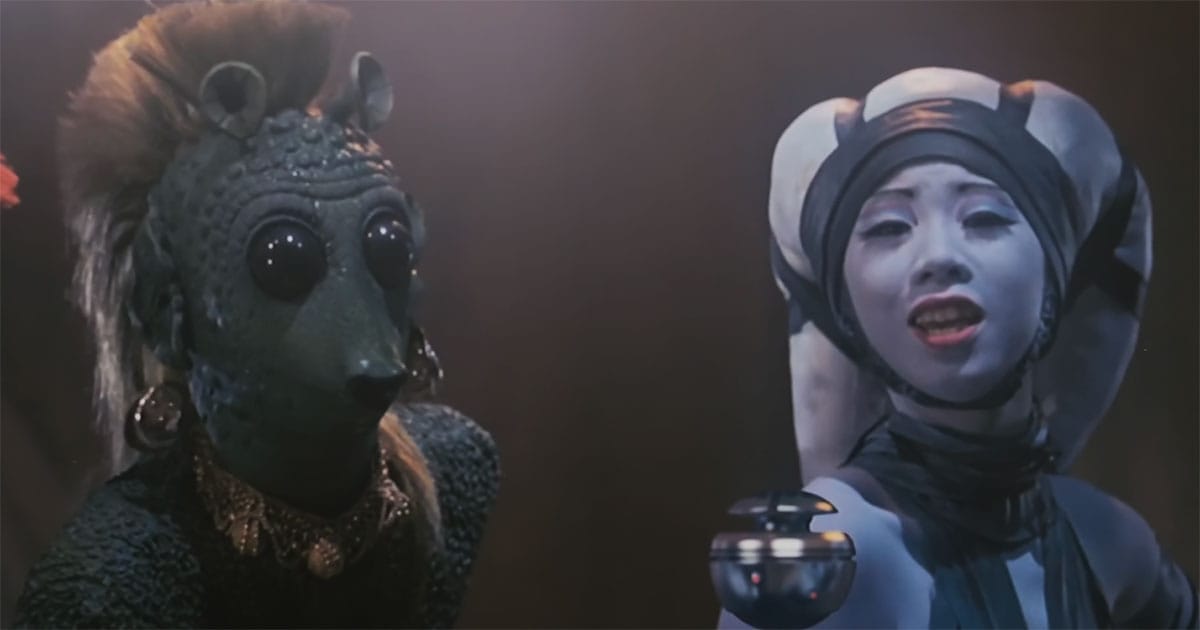
Real-World Creative Choices
The roots of the portrayal are also grounded in the filmmaking context of the early 1980s. Science fiction of that era often emphasized the exotic nature of alien species. Designers aimed to create beings that felt visually distinct from humans, sometimes drawing on familiar cultural imagery to do so.
In "Return of the Jedi," Twi'leks were presented with a blend of alien features and recognizable performance styles. Female characters were often placed in decorative or sensual roles, reflecting broader trends in film and television at the time. These choices were meant to enhance visual interest, but they also shaped how the species would be perceived for decades.
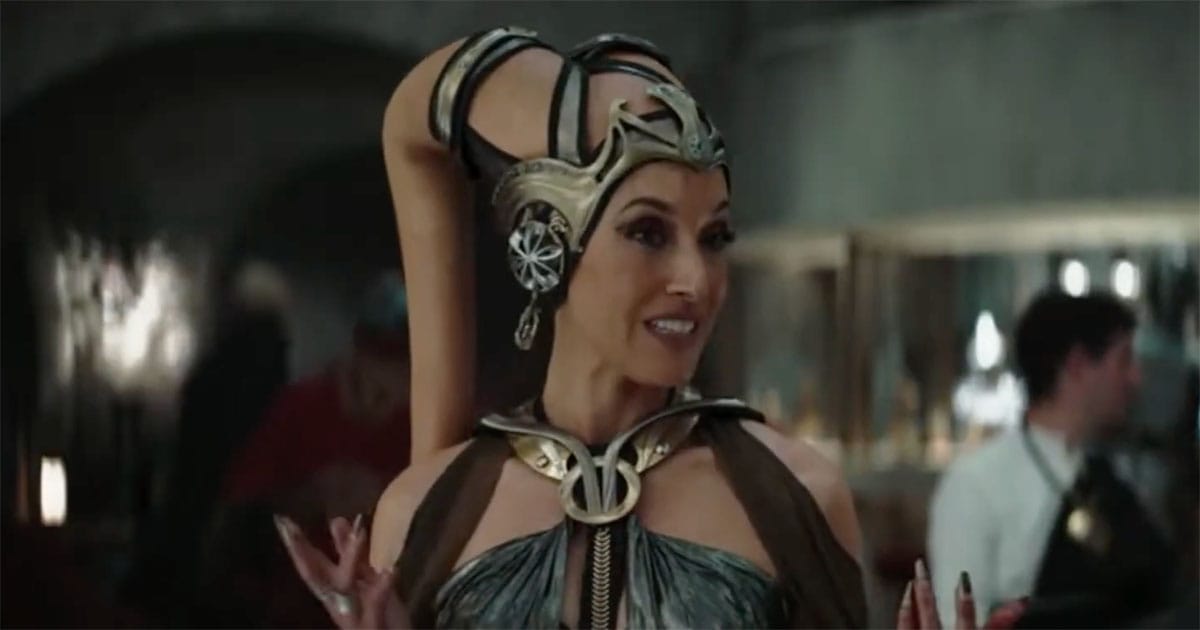
The Role of Visual Identity
Twi'leks are designed to be expressive. Their lekku move with emotion and gesture, making them visually engaging on screen. This expressiveness made them well suited for performance roles, at least from a production standpoint.
That visual strength became tied to a narrow set of roles. Instead of exploring a wide range of occupations or personalities, early portrayals leaned into what was immediately striking. Over time, that emphasis limited how the species was initially understood.
Expanding the Portrayal
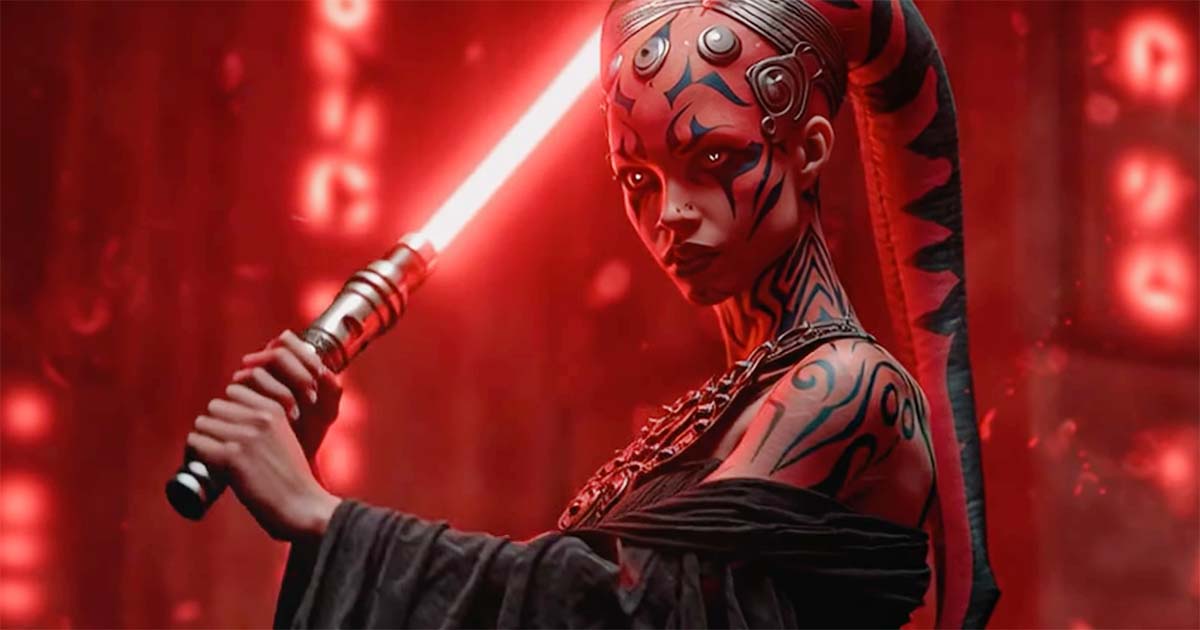
As the "Star Wars" universe grew, creators began to present Twi'leks in a broader range of roles. Characters like Aayla Secura appear as capable Jedi, while Hera Syndulla serves as a leader and pilot in the Rebel Alliance. These figures challenge the earlier stereotype by showing Twi'leks as agents of action and authority.
This shift reflects a broader trend in storytelling. Long-running franchises often revisit earlier ideas and expand them. In the case of Twi'leks, the goal has been to move beyond a single defining image and present a more complete culture.
A Layered Legacy
The continued association of Twi'leks with dancers or slaves is the result of layered influences. Early cinematic imagery created a powerful first impression that proved difficult to replace. Repetition across films and shows reinforced that image, while later stories worked to explain it within the narrative.
In spite of these efforts, the original depiction remains part of the species' identity. It is both a product of its time and a reminder of how quickly a single idea can shape decades of storytelling. Today, Twi'leks stand as an example of how science fiction evolves, carrying forward its past while slowly redefining it.