
7 Star Trek Episodes Stranger Than You Remember
Seven "Star Trek TOS" episodes reveal the series at its strangest, from psychological breakdowns to surreal alien experiments, showing how unpredictable the original series could be.

For many viewers, "Star Trek" exists in memory as a set of familiar images. Captain Kirk delivers a speech from the bridge while Spock raises a skeptical eyebrow. Dr. McCoy complains about the dangers of space travel. The Enterprise glides through a painted universe that feels orderly and heroic.
That version of the show certainly exists. The series often celebrated exploration, curiosity, and cooperation among civilizations. Over time, this tone has become the dominant reputation of "Star Trek". Yet a return to the original episodes reveals something far stranger.
The show regularly wandered into unsettling territory. Episodes explored madness, illusion, humiliation, and the frightening possibilities of human evolution. Beneath the optimism was a streak of pulp imagination that refused to behave politely. The result was a series capable of sudden bursts of narrative wildness.
Many famous episodes demonstrate the series at its most polished. "City on the Edge of Forever" remains a masterpiece of tragic storytelling. "The Trouble with Tribbles" still functions as one of television's most charming science fiction comedies. Yet other episodes feel far less predictable.
These hours of television stretch the format of a weekly adventure show. They introduce ideas that feel theatrical, surreal, and occasionally uncomfortable. Their tone shifts from curiosity to dread with little warning. When revisited today, they still possess a strange and unpredictable energy.
When the Mind of the Crew Begins to Fracture
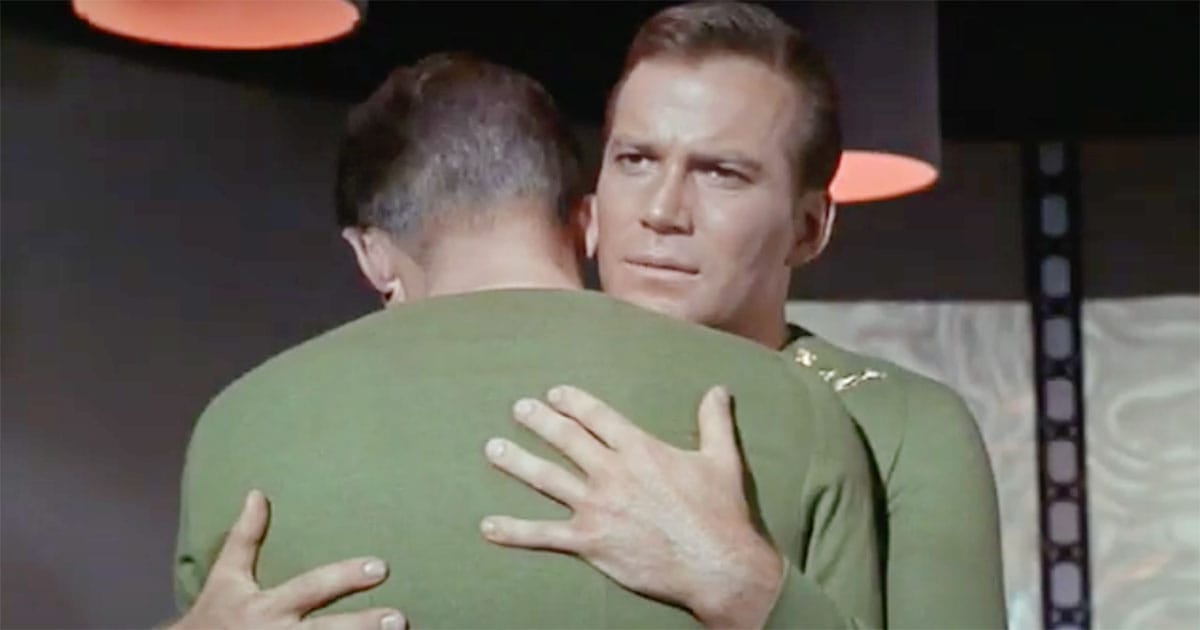
One of the earliest glimpses of this instability appears in "The Enemy Within". A transporter malfunction splits Captain Kirk into two separate individuals. One half represents restraint and responsibility. The other embodies aggression and appetite.
The episode refuses to treat this division as a simple moral lesson. The restrained Kirk cannot make decisive choices. The aggressive Kirk cannot control his impulses. The implication is unsettling because both halves are necessary for command.
"The Naked Time" explores a similar idea through a different device. A mysterious contagion removes the emotional discipline of the crew. Officers who normally embody professionalism suddenly reveal loneliness and frustration. Their private anxieties spill into the open.
The Enterprise briefly becomes a stage for confession and collapse. Sulu charges through the corridors with a fencing foil while others speak openly about fears they normally conceal. Spock himself struggles to maintain control over emotions he has spent a lifetime suppressing. The episode exposes the fragile balance beneath Starfleet discipline.
What makes these episodes memorable is their willingness to destabilize the crew. The bridge of the Enterprise usually represents calm authority. In these stories that authority disintegrates. The ship becomes a laboratory for human weakness.
Strange Worlds and Stranger Rules
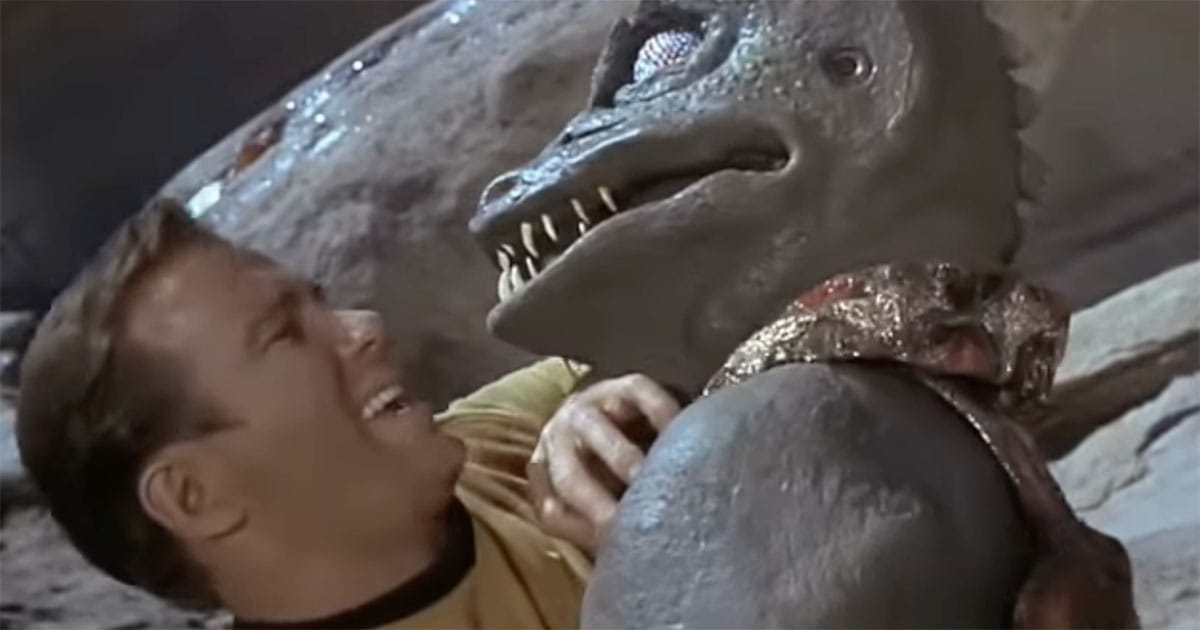
"Arena" is often remembered for the awkward duel between Kirk and the reptilian Gorn. Popular culture has reduced the episode to a single moment of slow motion combat. The story itself is more unusual than that reputation suggests. Two alien beings intervene in a conflict and stage the battle as a ritual experiment.
The commanders of both ships are forced to represent their civilizations. Victory will determine the fate of their crews. Kirk eventually gains the advantage yet refuses to kill his opponent. The decision transforms a simple monster encounter into a reflection on mercy and restraint.
"The Tholian Web" carries the series further into eerie territory. The Enterprise discovers a derelict starship trapped in a strange dimensional disturbance. The crew of that vessel has already succumbed to madness. Soon, Captain Kirk disappears into the same unstable region of space.
What follows is a creeping crisis of command. Spock assumes control of the Enterprise while McCoy questions his judgment at every turn. Alien ships begin constructing a crystalline barrier around the area. The episode replaces adventure with a mounting sense of dread.
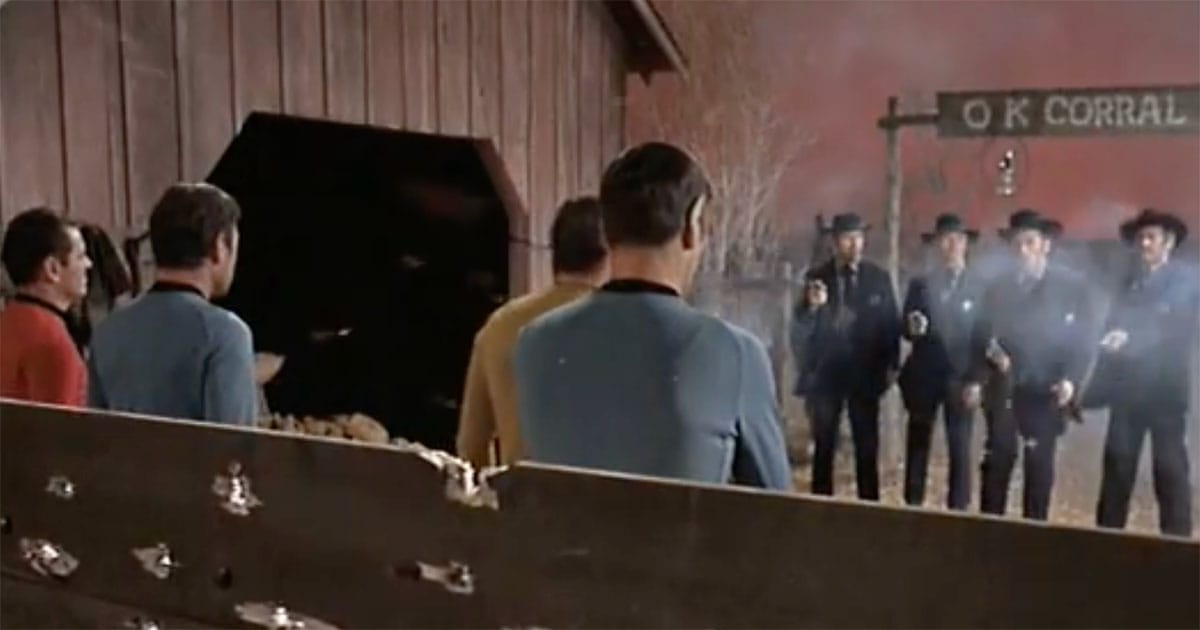
"Spectre of the Gun" embraces an even stranger atmosphere. Powerful aliens place the landing party inside a recreation of the American frontier. The town appears unfinished and oddly stylized. Buildings fade into darkness, and the sky itself feels artificial.
The crew gradually realizes the environment is a psychological test. The aliens are studying how humans react to violence and fear. Survival depends on rejecting the logic of the staged gunfight. The episode unfolds like a dream rather than a traditional adventure.
The Terror of Too Much Power
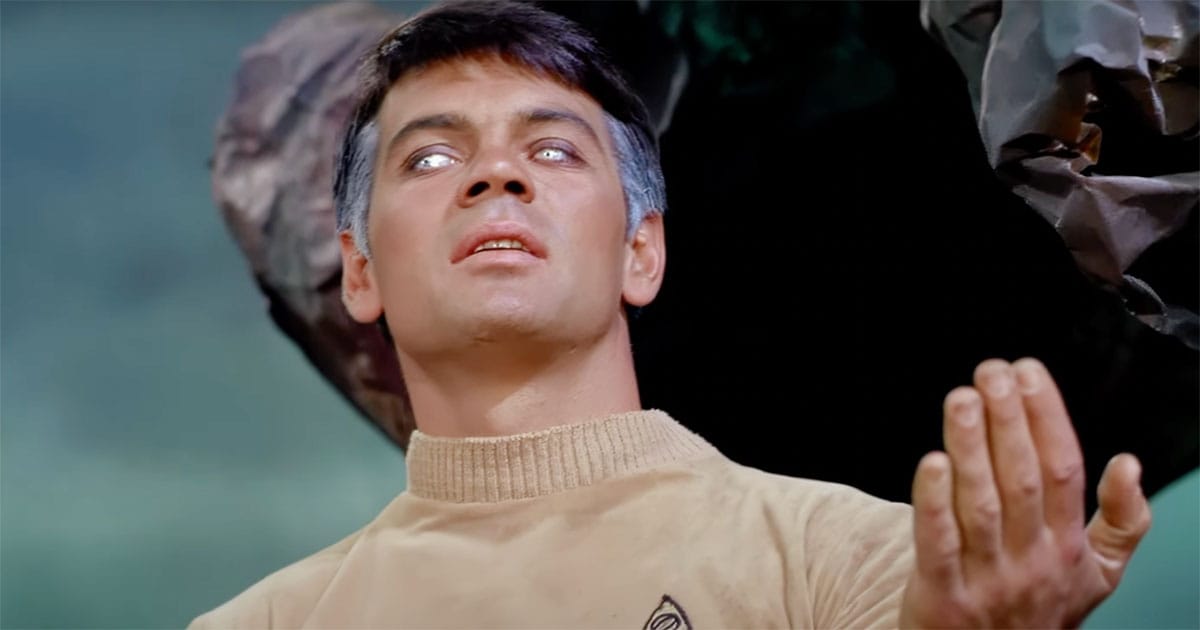
The pilot story "Where No Man Has Gone Before" introduces another form of narrative extremity. Two members of the crew gain extraordinary mental abilities after passing through a mysterious energy barrier. Their powers increase rapidly beyond human limits. What begins as scientific curiosity soon becomes fear.
Gary Mitchell evolves into something closer to a god than a man. His personality changes as his abilities grow stronger. Old friendships become meaningless to him. Kirk eventually faces a terrible choice between loyalty and survival.
The episode carries the stark tone of classic pulp science fiction. The possibility of human transcendence appears not as triumph but as catastrophe. Power isolates the individual from ordinary human sympathy. The result is a bleak and memorable confrontation.
A later episode explores power from another direction. "Plato’s Stepchildren" presents a society that uses telekinetic abilities to torment visitors. The crew of the Enterprise becomes the target of humiliating spectacles. Officers who normally command respect are forced into helpless obedience.
The torment is childish yet deeply cruel. Kirk and Spock are reduced to performers in a grotesque theater. Their captors laugh at displays of suffering and humiliation. Few episodes of the series push the characters into such uncomfortable territory.
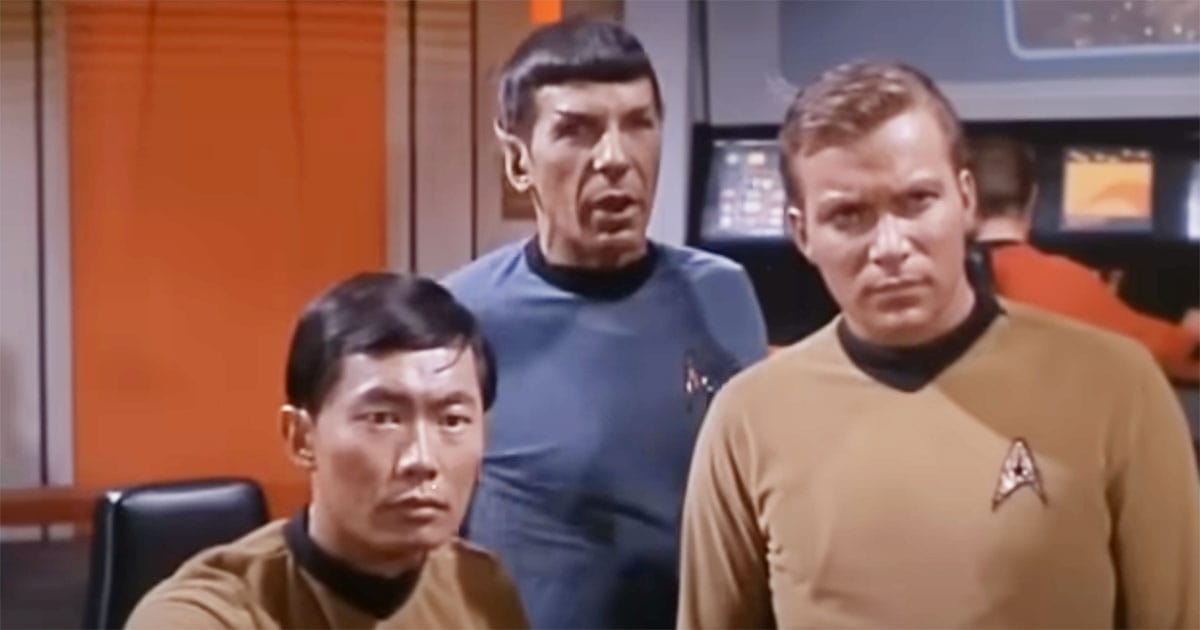
Remembering the Strange Heart of Star Trek
Episodes like these reveal a side of "Star Trek" that is often forgotten. The series was produced quickly and under constant pressure. Writers experimented with unusual ideas because the format allowed it. That freedom occasionally produced something genuinely strange.
The show could shift from comedy to existential dread in a matter of weeks. One episode might feature harmless creatures multiplying across the ship. The next might explore the corruption that comes with godlike power. Such tonal swings created a sense of unpredictability.
Modern television often celebrates ambitious science fiction storytelling. Streaming dramas now build entire seasons around philosophical speculation. Yet "Star Trek" explored many of those ideas decades earlier. It did so within the tight limits of a weekly network series.
That restless imagination explains why these episodes remain so fascinating today. They reveal a franchise that had not yet hardened into familiar formulas. Strange experiments were still possible. In those experiments, the wild heart of "Star Trek" continues to shine.