
Capricorn One and the Illusion of American Certainty
Capricorn One examines a staged Mars mission, media manipulation, and institutional self preservation in a tense 1970s paranoia thriller where belief matters more than truth.


"Capricorn One" was released at the end of a decade marked by political scandal, cultural fatigue, and widespread institutional distrust. Written and directed by Peter Hyams, the film belongs to a cycle of American paranoia thrillers that questioned the reliability of official narratives and public spectacle.
Its science fiction framework is deliberately restrained, functioning less as futurism and more as a vehicle for examining authority, credibility, and belief.
Rather than presenting space travel as wonder or destiny, the film reframes it as performance. The promise of progress remains intact on the surface, while its substance is quietly compromised behind closed doors. This tension gives the film its distinct tone, one rooted in realism, unease, and moral ambiguity rather than technological awe.
The film unfolds with procedural calm, allowing its implications to accumulate gradually. There is little emphasis on spectacle and almost no overt commentary. Meaning emerges through systems, routines, and the quiet efficiency with which individuals are overridden.
| Attribute | Value |
|---|---|
| Title | Capricorn One |
| Director | Peter Hyams |
| Writer | Peter Hyams |
| Actors or Actresses | James Brolin, Sam Waterston, O. J. Simpson, Elliott Gould, Hal Holbrook |
| Rated | PG |
| Runtime | 123 min |
| U. S. Release Date | 02 Jun 1977 |
| Quality Score | 7.0 out of 10 |
Synopsis
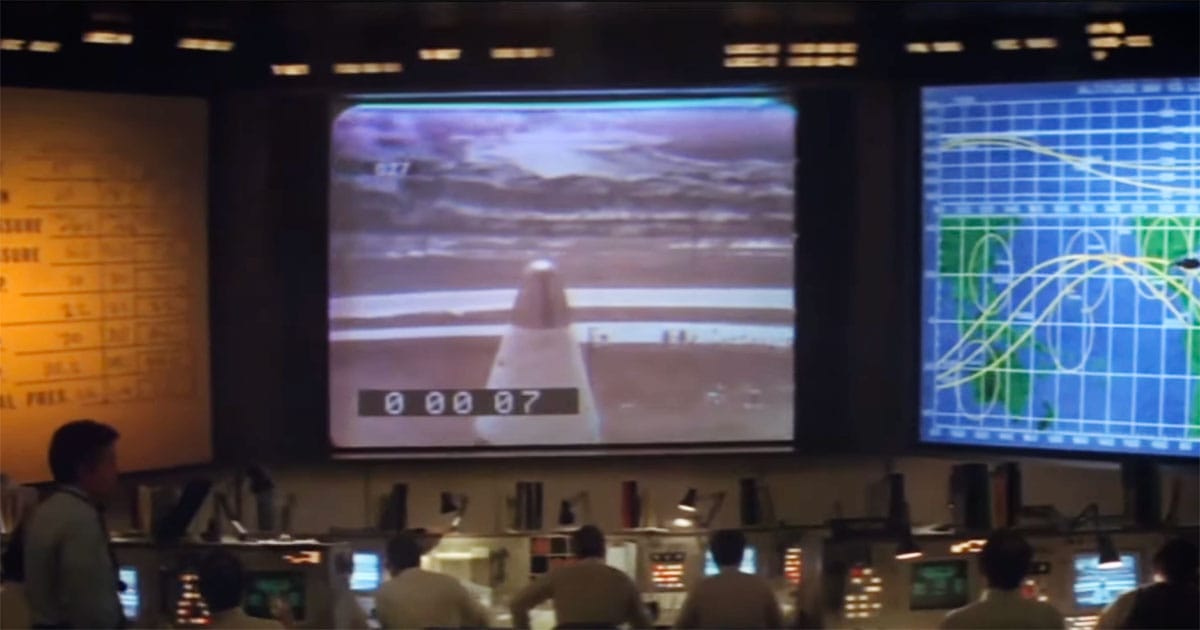
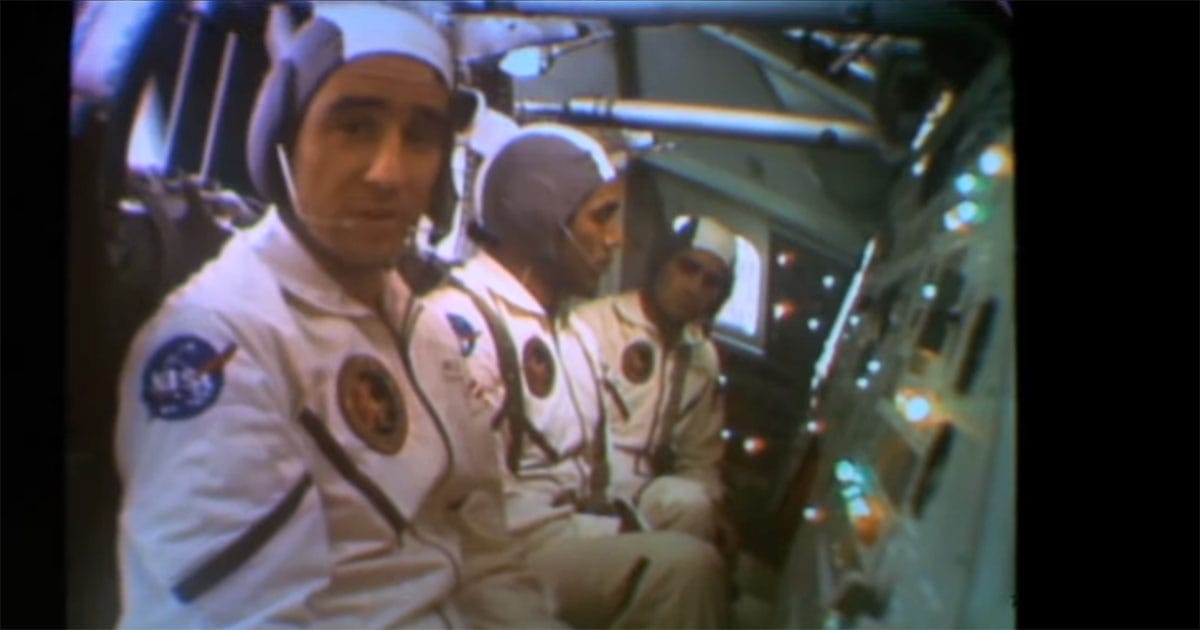
The film opens with preparations for the first manned mission to Mars, presented as a carefully orchestrated public event. The launch is framed as a moment of national confidence rather than scientific risk. Order and reassurance dominate every image.
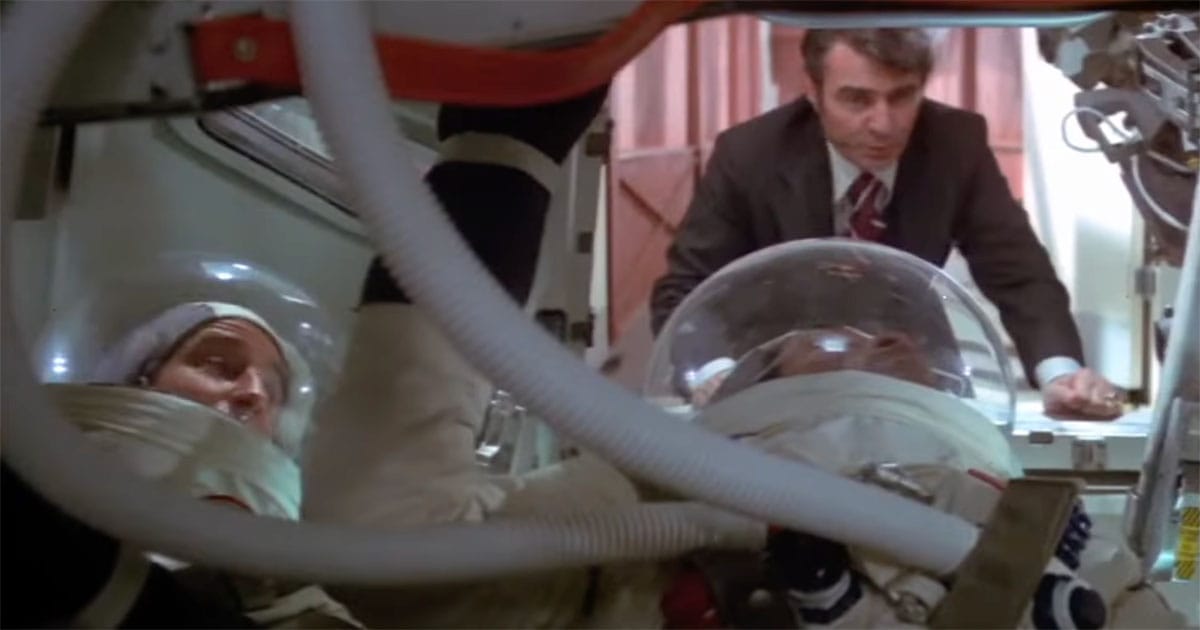
Moments before liftoff, the astronauts are abruptly removed from the spacecraft and transported to a remote military installation. The decision is executed without explanation or visible dissent. An extraordinary act is treated as routine.
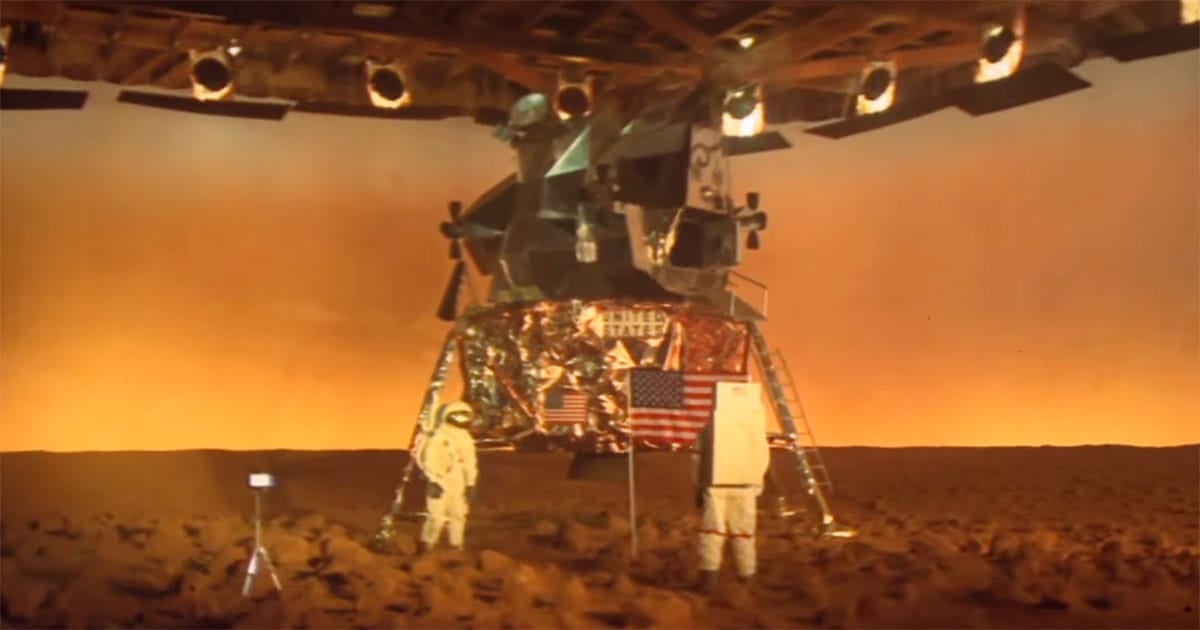
At the facility, the astronauts are informed that a fatal flaw makes the mission impossible. Canceling the launch would destroy public confidence and future funding. A staged mission is chosen instead.
The unmanned rocket launches as planned while the astronauts perform scripted scenes on a fabricated Martian surface. These broadcasts are accepted worldwide as authentic. The illusion succeeds because it meets expectation.
As time passes, the astronauts recognize the danger of their continued existence. Their survival contradicts the official story. Cooperation becomes a threat.
When the returning capsule is destroyed during re-entry, the astronauts are declared dead. The announcement clarifies their fate. They are no longer assets but liabilities.
The narrative splits between the astronauts' attempt to escape and a journalist investigating inconsistencies in the official account. His suspicions arise from missing data and evasive explanations. Truth emerges through absence.
The story moves into open desert terrain where pursuit replaces persuasion. Authority abandons language and asserts itself through force. Survival depends on visibility.
Themes
The film centers on the substitution of image for reality. Achievement is defined by what can be shown rather than what has occurred. Exploration becomes performance.
Institutional self-preservation motivates every major decision. Systems protect continuity rather than individuals. Responsibility dissolves into procedure.
Authority is portrayed as impersonal rather than cruel. Actions are carried out without emotion. This detachment becomes the film's most unsettling element.
Media functions as both a tool and an accomplice. Repetition transforms fabrication into accepted truth. Visibility replaces verification.
The public is not depicted as foolish. Belief is shown as a social necessity. That necessity makes manipulation possible.
Technology is treated with restraint and neutrality. Machines reflect administrative priorities rather than moral intent. Control determines consequence.
The film also explores the fragility of individual agency. Professionalism offers no protection once narratives shift. Identity becomes conditional.
The resolution avoids triumph. Exposure feels partial and fragile. The system remains largely intact.
Who Will Enjoy "Capricorn One"
Viewers drawn to 1970s conspiracy thrillers will appreciate its discipline and tone. The film favors atmosphere and implication over spectacle. Patience is rewarded.
Those interested in science fiction that interrogates institutions rather than futures will find it compelling. The film looks inward rather than outward.
Audiences who value ambiguity will respond strongly. Clear villains and easy resolutions are absent. Unease persists.
Capricorn One endures because it observes rather than predicts. Its warning is quiet and durable. Belief itself becomes the final terrain of conflict.