
“Frankenstein” and the Burden of Creation
A classic science fiction review of “Frankenstein” examines ambition, responsibility, and the moral cost of creation, showing why Mary Shelley’s novel remains urgent and relevant today.


"Frankenstein" occupies a peculiar position in the history of science fiction. It is frequently cited, rarely read with care, and often flattened into a cultural caricature.
Beneath its familiar name lies a serious novel with a sober view of human ambition and its costs. Few early works of speculative fiction approach their subject with such gravity.
Written by Mary Shelley, the novel emerges from a period when science was shedding superstition and gaining confidence. That confidence unsettles Shelley rather than inspiring celebration.
She treats discovery as a moral trial rather than a triumph. This approach gives the book a cautionary tone that feels deliberate rather than reactionary.
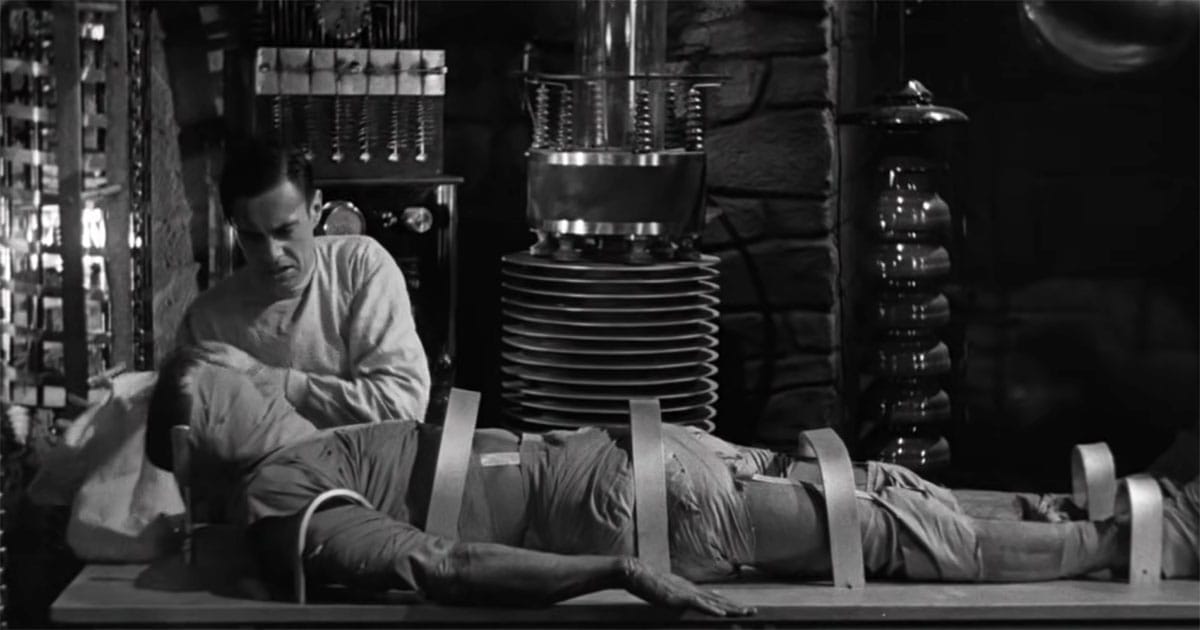
Modern readers often arrive with assumptions shaped by popular adaptations and cultural shorthand. The book itself resists that simplification at every turn.
It moves patiently, builds its arguments through reflection, and avoids easy thrills. Its power comes from steady accumulation rather than sudden shocks.
The novel also refuses to flatter its audience. Shelley does not present progress as inherently noble or curiosity as automatically virtuous. She asks readers to consider the personal cost of obsession and the quiet damage done by neglect. These concerns place responsibility at the center of the story rather than spectacle.
What keeps "Frankenstein" relevant is not its age or its reputation, but its restraint. Shelley asks whether knowledge pursued without responsibility can remain harmless. That question has only grown sharper with time. For a genre built on invention, this novel begins by asking what invention costs the inventor.
The Story Engine: Ambition, Creation, and Consequence
At its core, "Frankenstein" is driven less by spectacle than by intent. The novel begins with a man who wants to know more than those around him and refuses to accept ordinary limits.
That desire is not presented as evil in itself. It is presented as dangerously incomplete when it is allowed to crowd out judgment.
Shelley frames ambition as a narrowing force. The more intensely her central figure focuses on his goal, the less he sees of the world beyond it. Family, friendship, and obligation recede into the background. The pursuit of knowledge becomes isolated from the human setting that once gave it meaning.
Creation in the novel is not treated as a moment of triumph. It is depicted as an act that immediately creates responsibility.
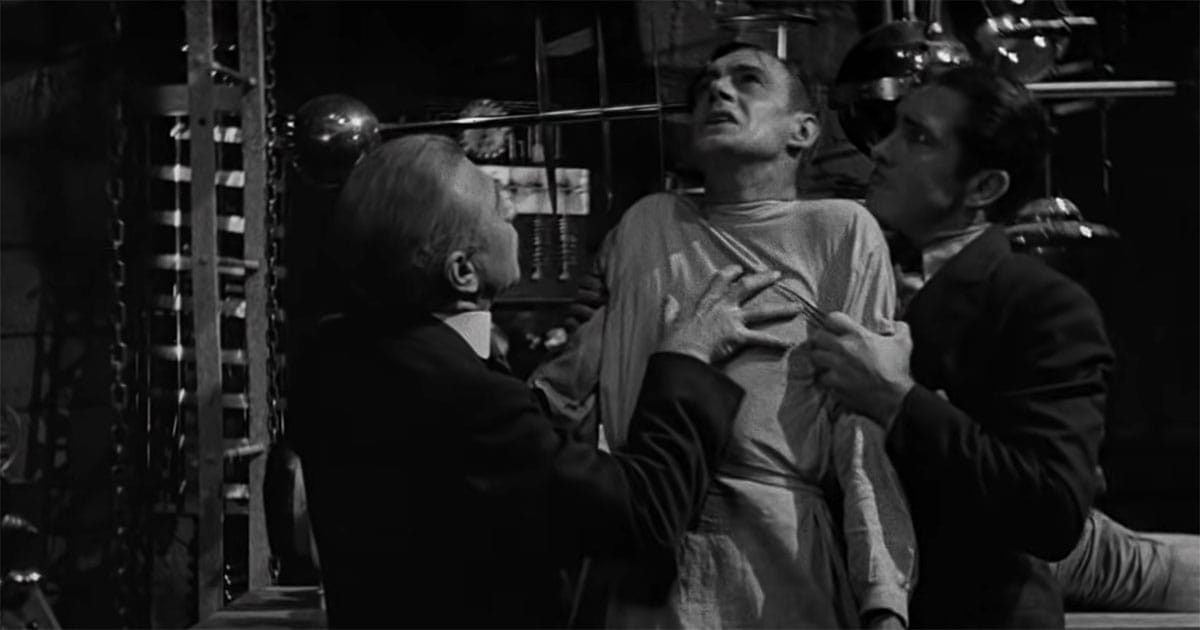
Once something new exists, it demands care, attention, and restraint from its maker. Shelley insists that invention does not end at success, but begins there.
What follows from that act is not chaos, but consequence. Each choice produces pressure that leads to the next. The novel advances through accumulation rather than surprise. Readers sense the weight of earlier decisions even when no action is taking place.
The story engine is also moral rather than mechanical. Shelley shows little interest in technical explanation.
She is concerned with why a man chooses to act and what he refuses to consider afterward. Science serves as the doorway, but character determines what happens once that door is opened.
This approach separates "Frankenstein" from later adventure-driven science fiction. There is no celebration of progress for its own sake. Advancement is treated as morally neutral until human behavior gives it direction. The book argues that invention magnifies character rather than replacing it.
By grounding the narrative in consequence, Shelley gives the novel its lasting force.
The reader is invited to reflect on cause and effect without being instructed what to think. Ambition moves the story forward, but responsibility decides where it leads. That balance remains one of the book's most serious achievements.
Character and Moral Architecture
In "Frankenstein," character is the primary instrument of meaning. The novel advances not through twists of action, but through the steady revelation of moral weakness.
Shelley builds her argument by placing flawed individuals under pressure and observing what they avoid rather than what they do.
Victor Frankenstein is not portrayed as a raving fanatic or a villain in the usual sense. He is intelligent, disciplined, and sincere in his desire to understand the world.
His failure lies in his refusal to accept limits once his goal is in sight. Shelley presents him as a man undone by selective attention rather than malice.
Victor's defining trait is abdication. When responsibility becomes uncomfortable, he withdraws inward. Silence becomes his preferred solution, even when that silence harms others. The novel treats this retreat as a moral act with consequences, not a private flaw without cost.
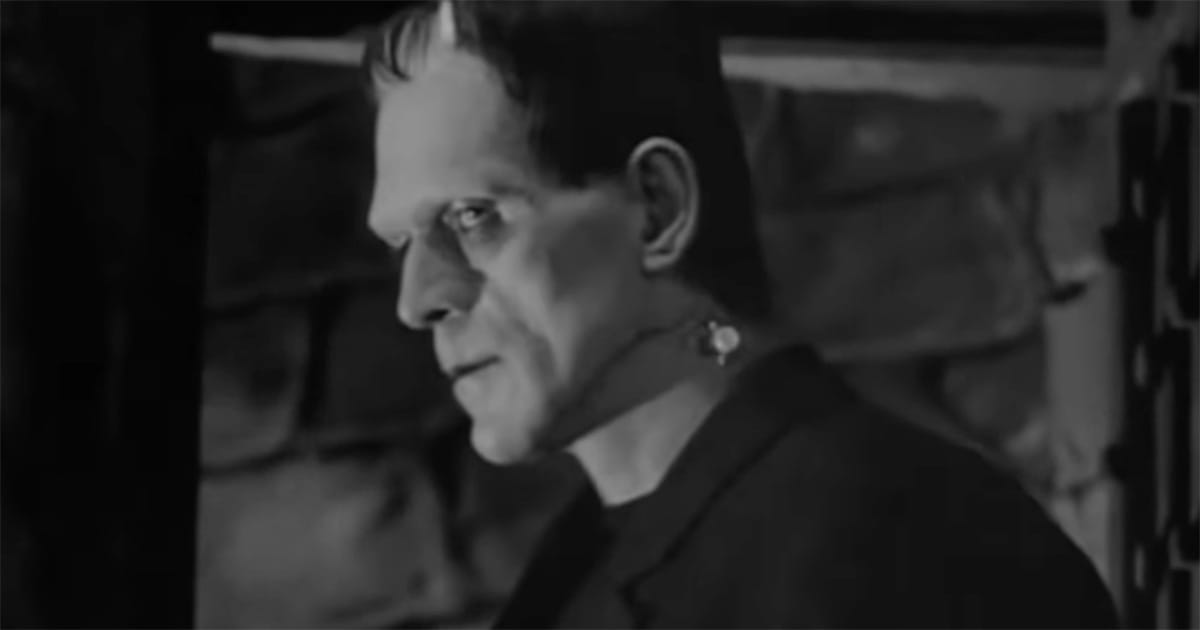
The Creature is written as a counterweight rather than a monster in the conventional sense. He is observant, reflective, and acutely aware of his separation from humanity.
Shelley grants him an interior life that forces the reader to confront the results of rejection. His actions emerge from experience rather than impulse.
What makes the novel unsettling is its refusal to assign purity to either figure. Victor possesses social legitimacy but lacks endurance of conscience. The Creature possesses emotional depth but is shaped by continual exclusion. Each reflects a different form of moral failure.
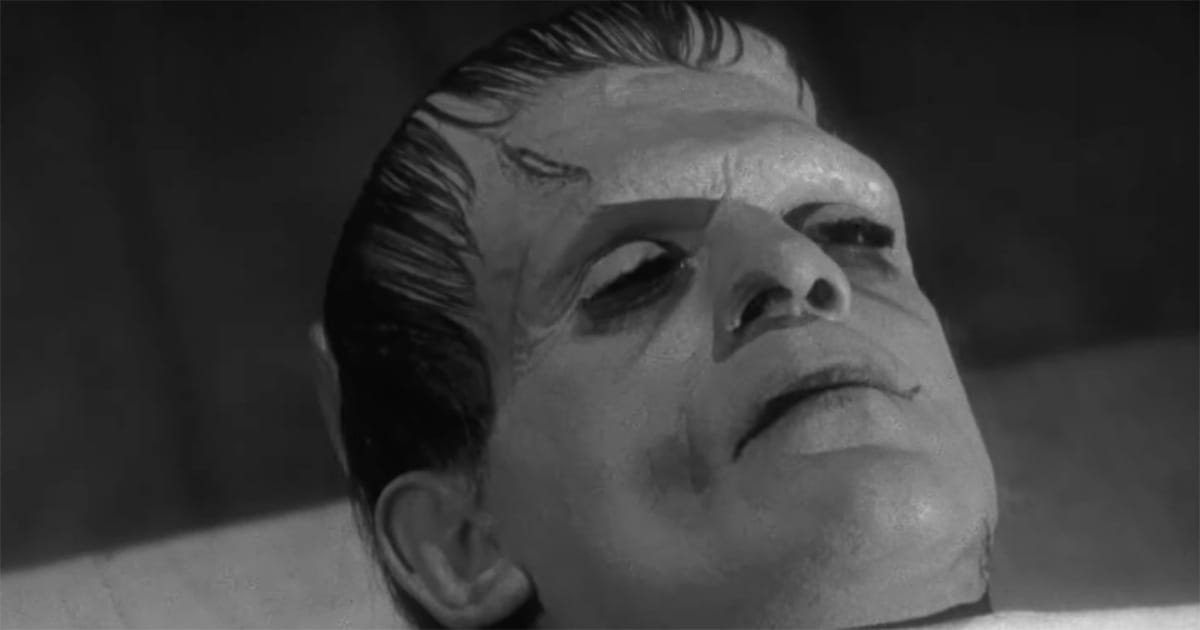
Shelley structures the novel so that sympathy shifts without ever settling. The reader is asked to judge actions rather than appearances or intentions. This shifting perspective reinforces the book's central concern with responsibility. Moral standing is shown to be conditional on conduct over time.
The architecture of character in "Frankenstein" rejects simple instruction. Shelley does not offer a model hero or a clear cautionary emblem. Instead, she presents a chain of choices made under pressure. The result is a moral landscape that feels lived in rather than explained.
By grounding the novel in character rather than doctrine, Shelley gives it durability. Readers are not told what to think. They are asked to watch, remember, and connect. That quiet demand is one of the book's most enduring strengths.
Ideas Over Apparatus and Themes That Define a Genre
"Frankenstein" is often remembered for its premise, yet its lasting influence comes from its ideas rather than its machinery. Shelley shows little interest in explaining how creation works in a technical sense.
She is far more concerned with why a man would pursue it and what he refuses to consider along the way. The absence of detail is intentional rather than evasive.
One of the novel's central ideas is the danger of knowledge separated from responsibility. Curiosity is treated as a neutral force that gains moral weight through action.
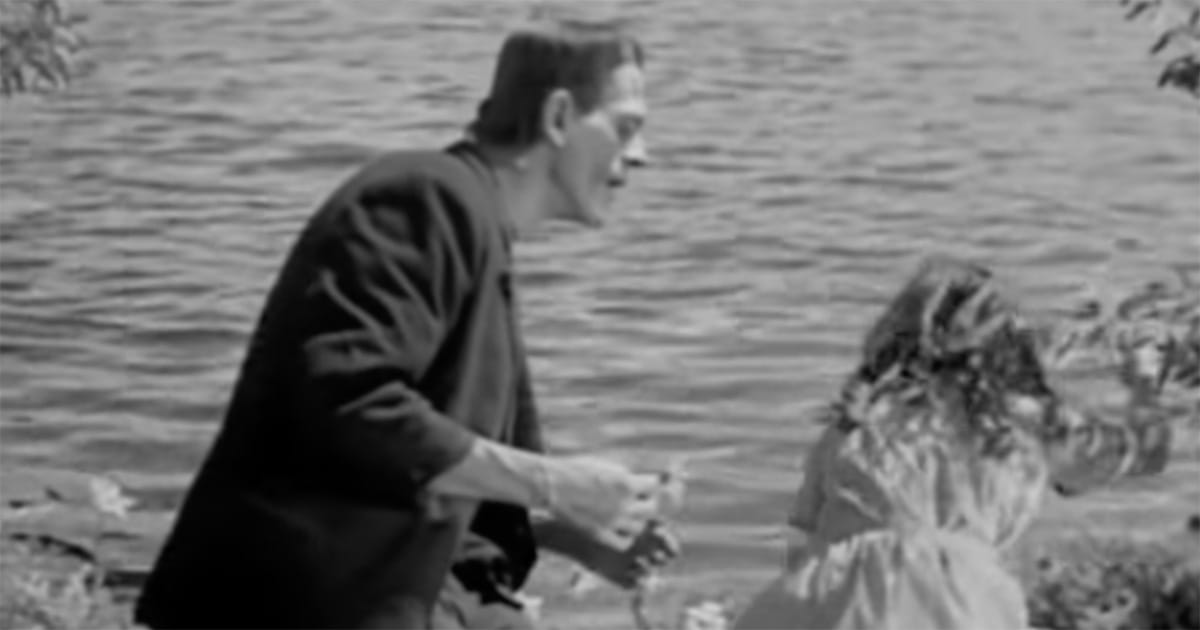
When learning becomes an end in itself, detached from obligation, it turns inward and destructive. Shelley frames this not as a failure of intellect, but as a failure of judgment.
Isolation operates as a second governing idea. Characters withdraw from the community in different ways and for different reasons. That withdrawal produces misunderstanding, resentment, and distorted self-perception. The novel suggests that isolation is rarely harmless, even when it appears self-imposed.
Shelley also explores the tension between nature and human will. Natural settings are presented as restorative rather than triumphant.
They offer perspective, not solutions. The contrast reinforces the idea that human ambition needs grounding rather than acceleration.
What separates these themes from moral instruction is Shelley's restraint. She does not argue directly or lecture the reader. She allows patterns to emerge through repetition and consequence. Meaning develops through observation rather than assertion.
These ideas quietly establish a framework that later science fiction would adopt. The novel treats invention as a mirror rather than a miracle.
What is created reflects the character and limitations of the creator. Technology does not correct human weakness, it exposes it.
This emphasis on moral cause and effect explains why the book continues to matter. It does not depend on obsolete science or period speculation.
Its questions remain portable across generations. Responsibility, isolation, and ambition do not age out of relevance.
By focusing on ideas over apparatus, Shelley gives "Frankenstein" its enduring authority. The novel does not predict the future. It examines the human habits that shape it. That choice places it at the foundation of serious science fiction rather than at its margins.
A Quiet Book With a Long Shadow
"Frankenstein" has endured not because it shocks, but because it unsettles. Readers often approach it expecting spectacle and instead encounter deliberation. The novel asks for patience and attention, then rewards both with moral clarity earned rather than declared.
What becomes clear by the final pages is that Shelley was less interested in warning readers away from science than in warning them about themselves. The book does not reject progress. It questions the habits of mind that accompany it. Ambition without reflection appears efficient at first, then hollow.
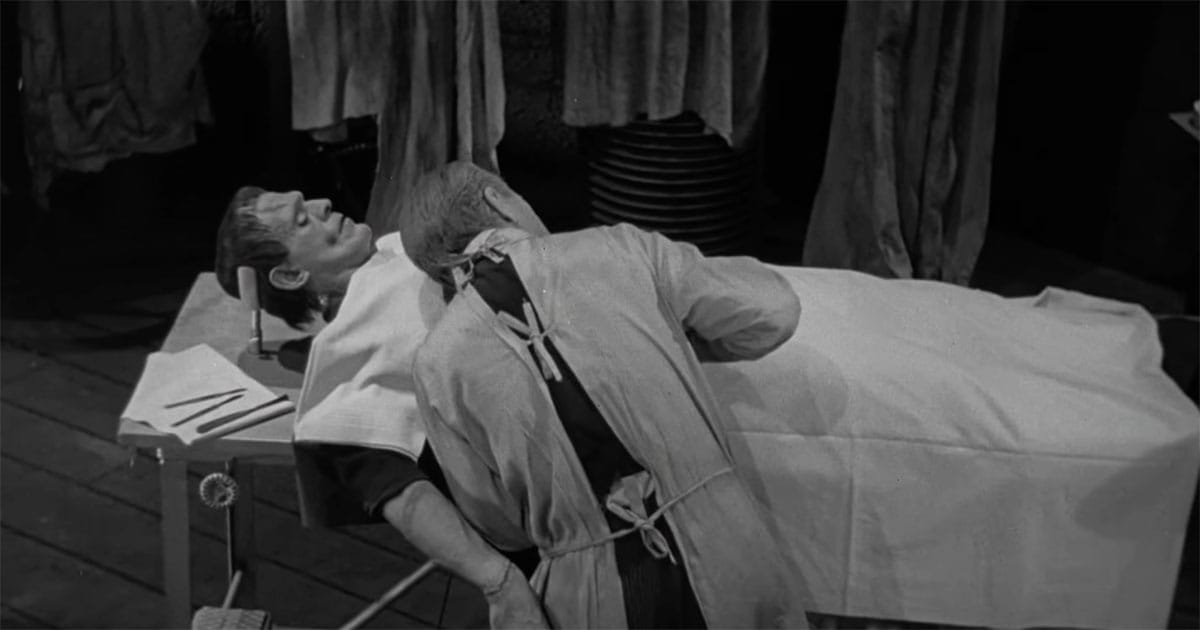
Time has been kind to this novel because it does not depend on novelty. Its concerns are permanent. Responsibility remains difficult. Isolation remains tempting. Justification remains easier than repair. Shelley understood these patterns well enough to let them speak for themselves.
For modern readers, the book offers a useful corrective. It reminds us that invention does not relieve moral burden. It increases it. The story suggests that the real danger lies not in what can be made, but in what is abandoned once it exists.
As a work of science fiction, “Frankenstein” remains unusually disciplined. It resists excess explanation. It trusts the reader to connect causes and outcomes. That trust gives the novel authority.
Shelley’s achievement is not that she imagined something new, but that she examined what follows. Many later works would borrow her premise. Few would match her restraint. That is why this novel remains not just influential, but instructive.