
Glossu Beast Rabban in Dune
Glossu Beast Rabban rules Arrakis through fear in Frank Herbert’s Dune. His fall shows how cruelty and blind ambition turn strength into weakness and bring down House Harkonnen.

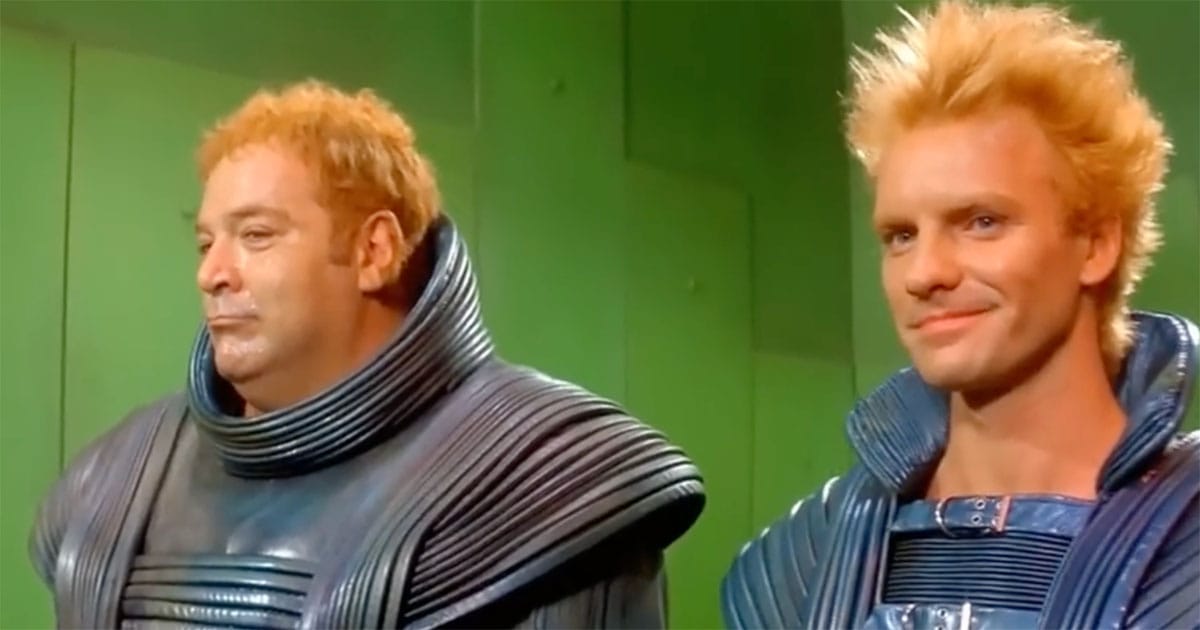
Glossu "Beast" Rabban is the elder nephew of Baron Vladimir Harkonnen and older brother to Feyd-Rautha. He rules Arrakis after the fall of House Atreides and enforces Harkonnen power through fear.
In Frank Herbert's "Dune" (1965), Rabban embodies the dangers of power without restraint. His brutality exposes how fear becomes the cheapest way to maintain authority.
Herbert presents him as the visible hand of the Baron's cruelty. Feyd-Rautha hides ambition behind charm while Rabban flaunts his violence. His physical strength makes him valuable, and his lack of subtlety ensures he can never replace his uncle.
Across film and television, Rabban's image has shifted from monster to soldier. His meaning has never changed. He is the face of a system that confuses control with stability.
Origins and Context
Rabban was born to Abulurd Harkonnen and Emmi Rabban on Giedi Prime. His father rejected Harkonnen cruelty and was cast aside. Rabban murdered him in rage and gained the name "Beast."
The Baron saw his nephew's strength as a weapon. He raised Rabban as an obedient tool. When the Harkonnens retook Arrakis from the Atreides, the Baron ordered Rabban to crush resistance and harvest spice without mercy.
The plan had two purposes. Rabban would rule through terror until the people broke. Feyd-Rautha would then appear as a savior and restore hope in House Harkonnen.
Herbert created Rabban to show that evil often hides inside systems, not individuals. Rabban is both villain and victim, shaped by the world that taught him violence as virtue.
| Name | Glossu “Beast” Rabban |
|---|---|
| Affiliation | House Harkonnen |
| First Appearance | "Dune" (1965) by Frank Herbert |
| Role | Governor of Arrakis and enforcer for the Baron |
| Description | Brutal, proud, and violent ruler who governs through fear |
| Portrayed by | Paul L. Smith (1984), László I. Kish (2000), Dave Bautista (2021–2024) |
Personality and Traits
Rabban rules through violence. He mistakes fear for loyalty and force for wisdom.
Herbert does not portray him as foolish but as trapped within his own limits. He understands power only through punishment and has no patience for diplomacy or restraint.
His confidence hides fear. He clings to strength because it is the only form of respect he has ever known. That belief becomes his downfall.

Role in the Story
After the fall of House Atreides, Rabban becomes governor of Arrakis. The Baron orders him to raise spice production and crush resistance without pity.
Rabban uses fear as policy. He overtaxes workers and burns villages in retaliation. His cruelty unites the Fremen, who learn to see rebellion as survival.
The Baron's plan depends on his failure. Rabban's collapse is meant to prepare the people for Feyd-Rautha's return as a false savior.
SPOILER WARNING
During the Fremen uprising, Rabban becomes the first symbol of Harkonnen defeat. His death ends the era of fear that the Baron built on Arrakis.
Herbert's story turns Rabban into a lesson about power. A ruler who governs by terror creates enemies faster than he creates order.
Themes and Meaning
- Power and decay show how fear destroys rulers and ruled alike
- Fear as control defines the Harkonnen system that Rabban enforces
- Exploitation of spice mirrors ecological imbalance and greed
- Leadership without empathy collapses under its own weight
- Family and failure connect Rabban to a cycle of cruelty
Through Rabban, Herbert shows that strength without understanding becomes weakness disguised as power.
Adaptations and Portrayals
David Lynch's 1984 film cast Paul L. Smith as Rabban, emphasizing grotesque power and rage.

The Sci-Fi Channel miniseries in 2000 presented László I. Kish as a disciplined soldier who obeys the Baron without question.
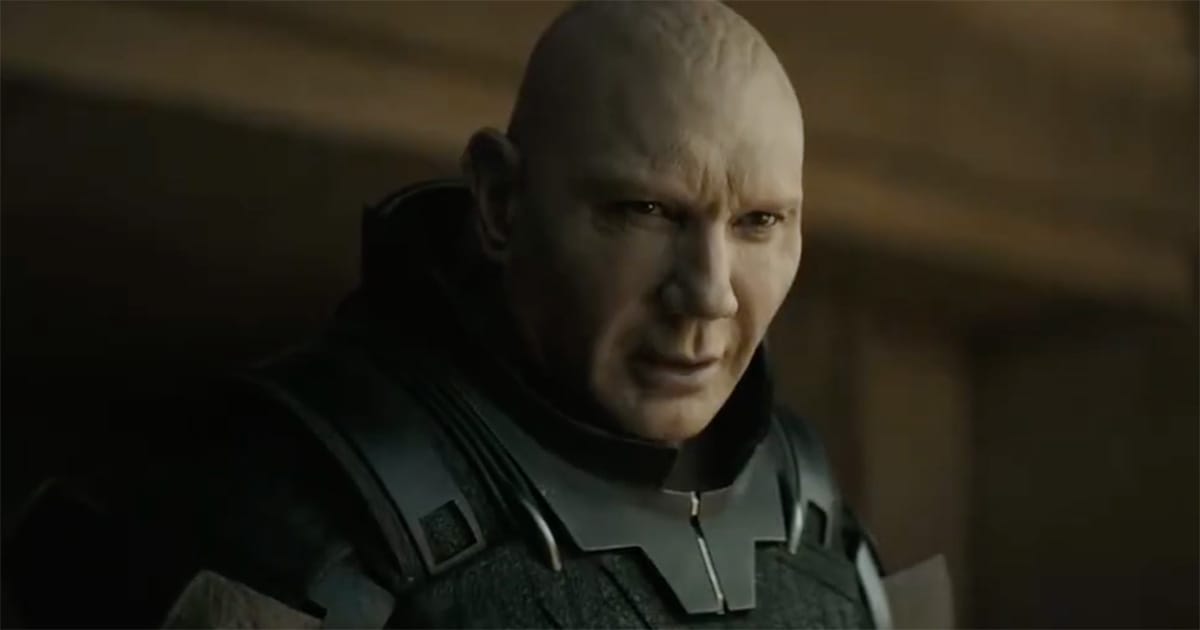
Denis Villeneuve's films (2021–2024) feature Dave Bautista as a brooding enforcer. His performance adds depth, portraying Rabban as dangerous but insecure.
Each version reflects its era. Together, they show how every society redefines brutality in its own image.
Fan Questions Answered
- Why did the Baron trust Rabban to rule Arrakis? – He needed a tyrant whose failure would make Feyd-Rautha seem merciful
- Was Rabban truly stupid? – No. He was narrow in thought and trapped by fear
- How did he earn the name Beast? – He killed his father, Abulurd Harkonnen, in anger
- What caused his downfall? – His cruelty united the people he tried to control
- How does he die? – He is killed during the Fremen revolt
- How do the films portray him differently? – The 1984 version shows rage, the 2000 version obedience, and the 2024 version discipline