
How Burtt Created the Lightsaber Sound with a TV and Projector
George Lucas insisted the lightsaber sound in "Star Wars" had to be perfect. Learn how Ben Burtt used a TV set and film projector to create one of cinema’s most iconic effects.

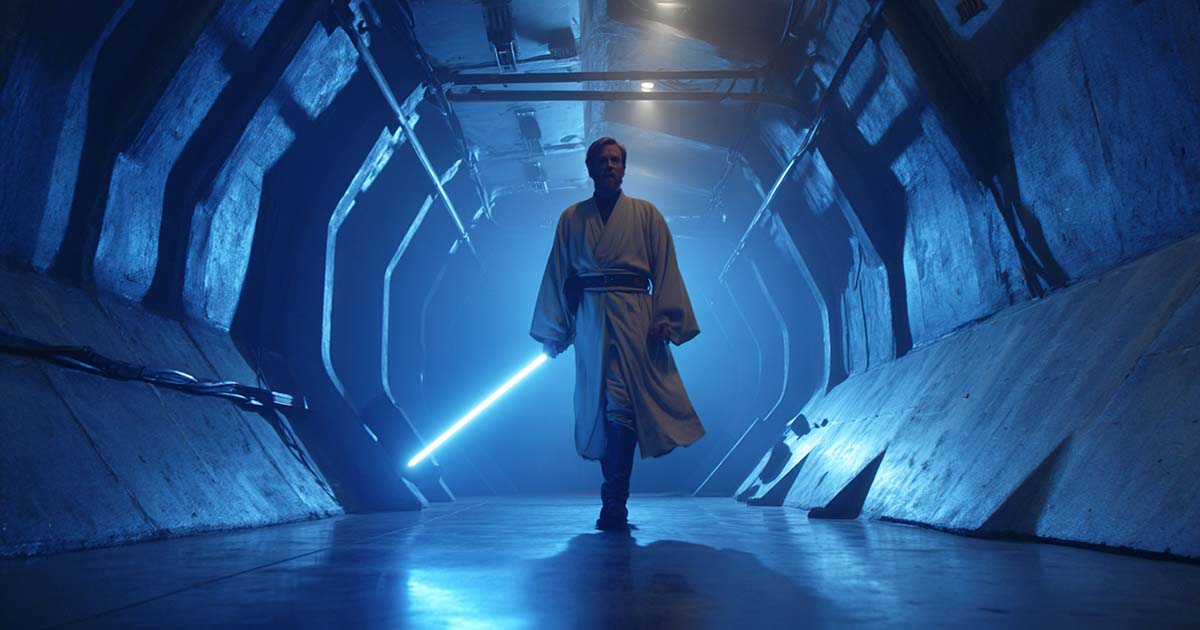
In 1976, George Lucas faced a practical and artistic challenge. He was building "Star Wars" around the idea of a Jedi Knight, a warrior monk carrying a blade made of light. If that blade failed to convince the ear, it would never persuade the eye.
The lightsaber was not decorative technology. It represented lineage, discipline, and moral restraint in a chaotic galaxy. Lucas understood that audiences would measure the seriousness of the Jedi Order the moment the weapon ignited.

The ignition had to sound controlled, not explosive. The hum had to feel stable, not mechanical noise. Every tonal shift during combat had to suggest weight and intention.
Lucas's insistence on perfection was not an obsession for its own sake. It was recognition that one weak detail could undermine the myth he was constructing. In a film that asks viewers to accept hyperspace travel and alien civilizations, the sound of a single weapon carries uncommon responsibility.
Building a Galaxy From Noise
When George Lucas hired Ben Burtt to design the soundscape for "Star Wars," he was not looking for stock effects. He was looking for invention. Burtt quickly discovered that no existing sound library contained anything that resembled a blade of concentrated light.
He began with the hum of an idle 35mm film projector. The motor produced a steady, authoritative tone that felt mechanical but stable. That stability gave the weapon a sense of control, which matched Lucas's conception of the Jedi as disciplined guardians rather than reckless fighters.
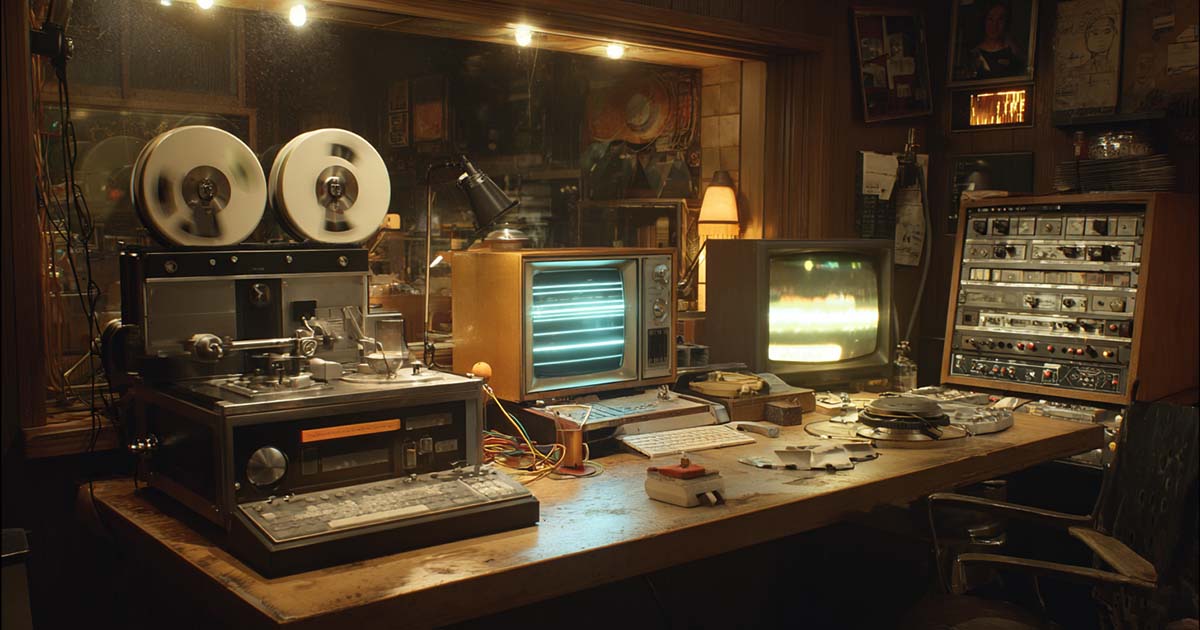
Still, the projector alone sounded static. The crucial discovery came when Burtt placed a microphone near the back of a television set and captured electromagnetic interference. The interaction between the projector hum and the television buzz produced a layered tone that felt energetic, almost electrical.
Burtt then introduced motion into the equation. By moving the microphone in front of a speaker, he created pitch variations that rose and fell naturally as the blade swung. The result was not a simple effect but a responsive instrument that reacted to performance.
This process required patience and repeated experimentation. Lucas rejected sounds that felt thin or exaggerated. In a production already pushing technical limits, the team devoted unusual attention to this single detail, because it carried more narrative weight than its screen time might suggest.
Why the Lightsaber Matters More Than the Blaster
"Star Wars" is rich with mechanical noise. Blasters crack through corridors. Starfighters howl across the vacuum. Explosions punctuate nearly every major battle. Yet none of these sounds carries the moral weight of the lightsaber.
A blaster is a tool of convenience. Anyone can fire one. The lightsaber, by contrast, is bound to training, restraint, and lineage.

When Obi-Wan Kenobi ignites his blade aboard the Death Star, the moment signals more than imminent combat. It marks the reappearance of an older code in a cynical age. The sound itself carries calm authority, not frenzy.
In "The Empire Strikes Back," the duel between Luke Skywalker and Darth Vader unfolds as a test of character. Each clash of their blades rings with tension that extends beyond physical danger. The layered hum and crackle give the confrontation spiritual gravity.
By "Return of the Jedi," the ignition of Luke's green blade announces maturity and self-command. The tone is familiar, yet the context has changed.
The sound reinforces that growth without a line of dialogue.
If the weapon had sounded shrill or weightless, the Jedi tradition would have felt unserious. Instead, the carefully shaped hum anchors the saga's moral center. It reminds the audience that power, in this universe, is meant to be governed by discipline.
The Broader Revolution in Science Fiction Sound
Before 1977, science fiction cinema often treated sound as functional support. Effects signaled action, but they rarely shaped theme or character. Rockets roared, robots beeped, and ray guns snapped, yet few sounds carried symbolic meaning.
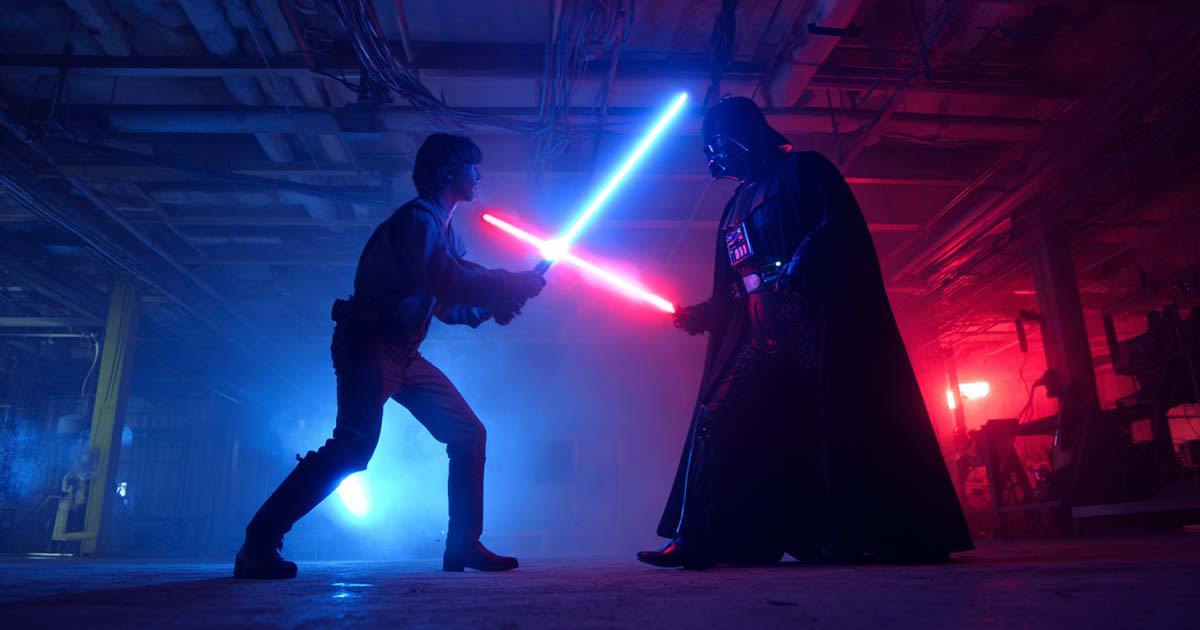
"Star Wars" altered that expectation. Lucas and his team approached sound as an extension of storytelling rather than a technical garnish. The result was a sonic environment that felt inhabited and coherent.
Darth Vader's breathing communicated menace before he spoke. The shriek of a TIE fighter suggested aggression and instability. Even the soft chirps of R2-D2 conveyed personality without translation.
The lightsaber fit within this broader philosophy. Its carefully engineered hum demonstrated that a single sound could reinforce mythology, character, and moral tension at once. Audiences did not simply hear effects. They absorbed a language.
In the decades that followed, science fiction films invested greater attention in immersive sound design. The lesson from "Star Wars" was practical and enduring. Convincing worlds require convincing noise, crafted with intention rather than convenience.
A Lesson for Modern Storytellers
Nearly five decades after the release of "Star Wars," the lightsaber hum remains instantly recognizable. It survives new directors, new actors, and new technologies. That endurance traces back to an early decision to treat one detail as sacred.
Modern filmmakers command digital tools that Lucas could scarcely imagine in 1976. Yet abundance can tempt a man to settle for adequacy rather than excellence. The lesson of the lightsaber is that audiences sense the difference.
A single element, carefully perfected, can anchor an entire fictional universe. When a storyteller respects the moral and symbolic weight of his own creations, the audience responds with belief. When he cuts corners, belief erodes.
Lucas understood that myth requires discipline. He did not chase noise for its own sake. He pursued coherence.
The headline claims that one sound had to be perfect. History supports that claim. Each time the blade ignites, it reminds us that craftsmanship, guided by conviction, still carries power.