
How Spock Taught Sci-Fi Television to Think
A classic look at Spock’s arrival and how logic, restraint, and intellect reshaped television science fiction during the cultural upheaval of the 1960s.

This Week in Classic Science Fiction
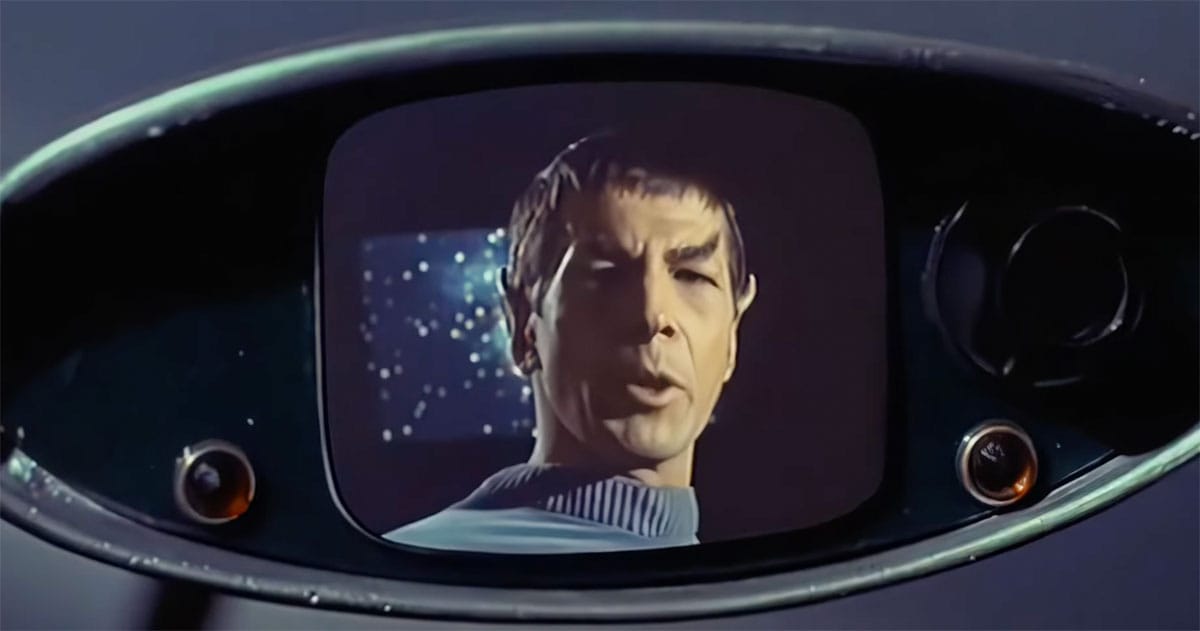
This week marks the arrival of one of science fiction's most influential figures. Spock first appears on television in 1966 with the debut of Star Trek. His presence immediately signals that this is not ordinary adventure television.
Within the fictional timeline, Spock is born in the year 2230 on the planet Vulcan. He is the son of a Vulcan father and a human mother. That single fact quietly defines everything that follows.
Spock is raised in a culture that prizes logic and emotional control above all else. His struggle is not against enemies or monsters. It is against his own divided nature.
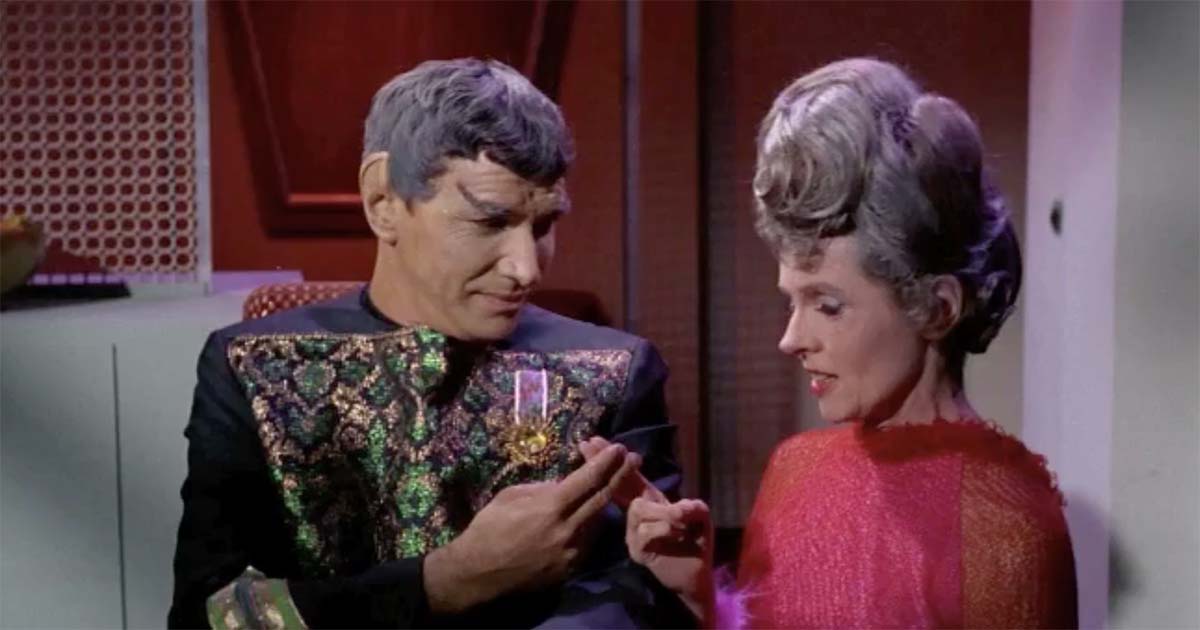
On screen, Spock is something new for network television. He is not driven by impulse or bravado. He thinks before he acts and speaks only when necessary.
Much of this impact comes from the performance of Leonard Nimoy. His restraint gives the character weight and authority. Silence becomes as important as dialogue.
Spock's early popularity surprises network executives. Viewers respond to intelligence, discipline, and loyalty. Science fiction proves it can succeed without constant action.
The birth of Spock marks a turning point. From this moment forward, science fiction on television has room for ideas. The genre never fully turns back.
Sponsored by: Ironclaw Bongo

Ironclaw Bongo is Kongara’s shield on the battlefield. Forged in the mines and tested in war, he fights with discipline, loyalty, and overwhelming force.
This t-shirt captures Bongo mid-charge, armored and unyielding. A clean tribute to classic science fiction strength and resolve.
Why Spock Changed Television Science Fiction Forever
Early television science fiction relies on momentum. Stories move quickly and resolve through confrontation. Reflection rarely drives the outcome.
Heroes are defined by decisiveness more than judgment. Moral questions exist mainly to justify action. Thought follows danger rather than shaping it.
This approach limits what science fiction can explore. Ideas remain secondary. Characters act first and explain later.
Logic as a Dramatic Force
Spock introduces logic as an active presence. Reason is not commentary. It becomes a tool that alters decisions and outcomes.
His conclusions often slow the story. That delay creates a different kind of tension. Viewers are asked to consider consequences before resolution.
This shift allows science fiction to explore restraint. Conflict does not require constant escalation. Control itself becomes dramatic.
Vulcan Order and Human Space
Vulcan discipline brings structure into Starfleet operations. Decisions are evaluated rather than rushed. Procedure gains moral weight.
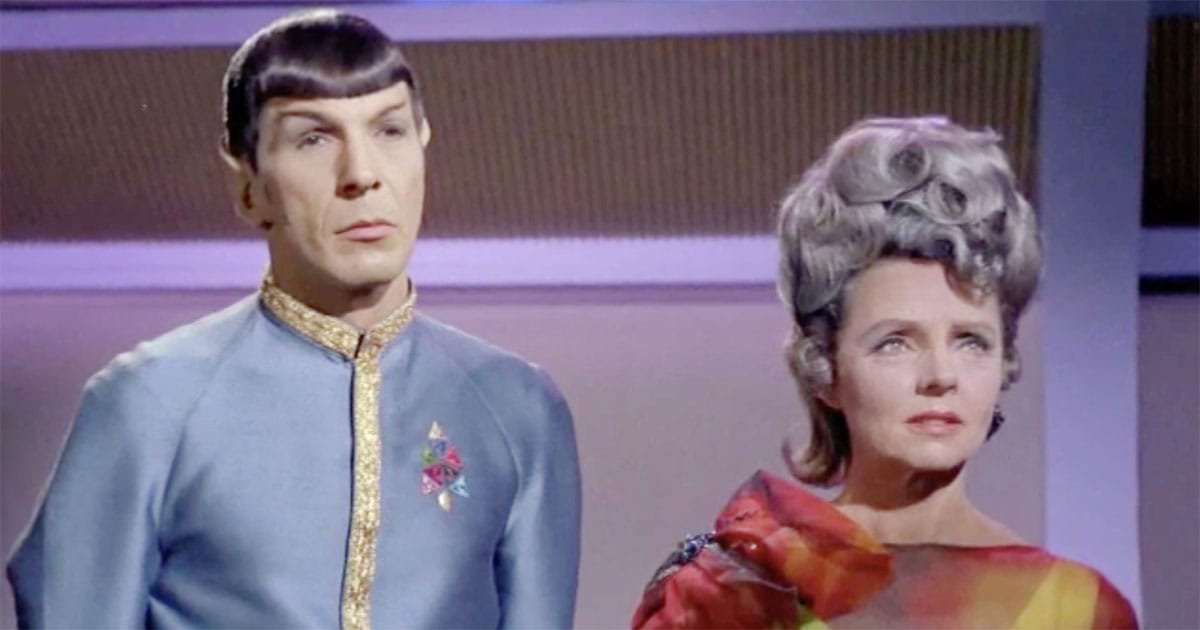
Spock does not reject human behavior outright. He evaluates it. Logic becomes a standard rather than a dismissal.
This balance gives the series credibility. Exploration feels governed rather than reckless. Authority comes from competence.
The Performance That Defines the Idea
Much of this effect depends on Leonard Nimoy. His performance avoids theatrical emphasis. Meaning is conveyed through precision.
Silence carries information. Stillness signals control. The audience learns to watch rather than wait.
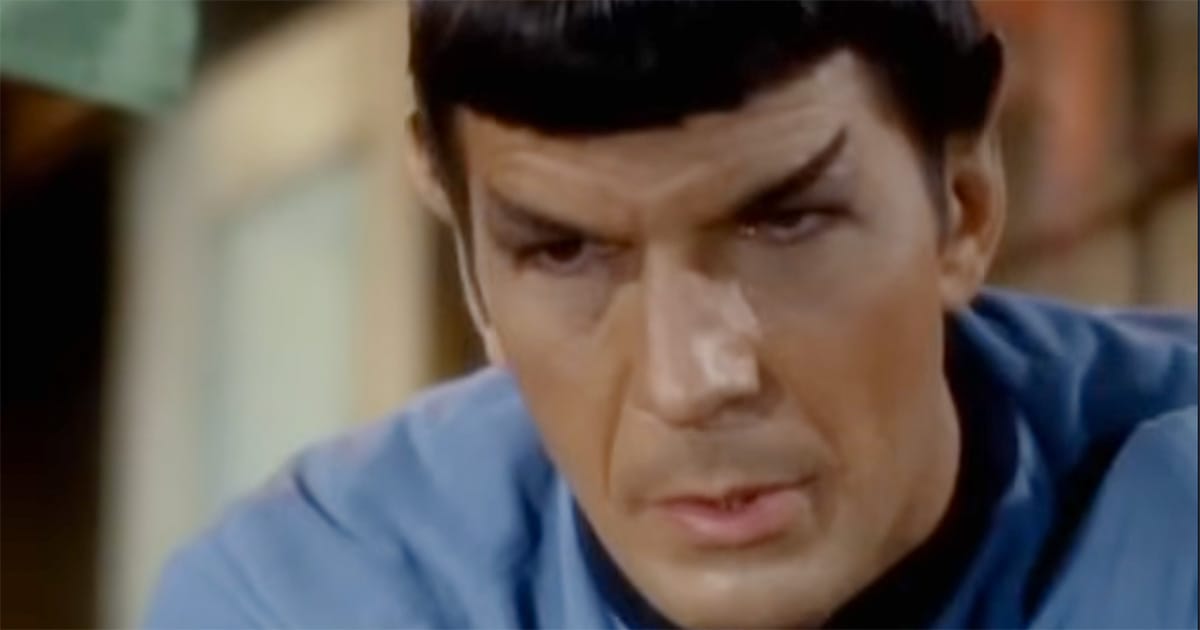
This style reshapes expectations for television acting. Presence replaces volume. Authority replaces display.
Order Beside Instinct
Spock's role gains clarity through contrast with Captain Kirk. Kirk acts when time is short. Spock evaluates when risk is high.
Neither approach is sufficient alone. Their interaction forms a working model. Judgment and action remain in balance.
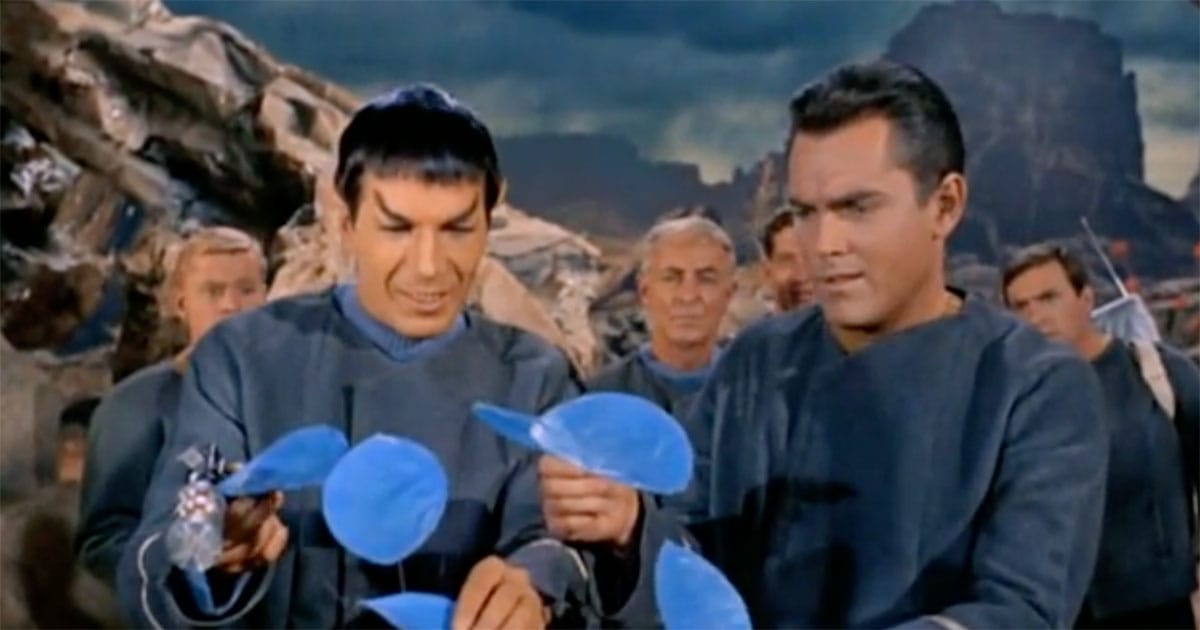
This relationship gives structure to each episode. Decisions feel earned. Outcomes feel examined.
A Broader Influence
Spock's influence extends beyond one character. Science fiction television gains confidence in dialogue. Ideas no longer interrupt the story.
Alien civilizations gain internal logic. They are no longer decorative obstacles. They become moral systems.
Later series adopt these lessons. The thoughtful outsider becomes familiar. Intelligence earns narrative authority.
A Lasting Shift
Spock does not remove excitement from science fiction. He refines it. Drama gains direction.
The genre learns to trust its audience. Thought becomes part of the experience. Action follows understanding.
This change endures. Spock remains its clearest symbol. Television science fiction grows up around him.
Spock Trivia
- Spock was nearly removed from Star Trek after the first pilot because network executives believed audiences would reject a visibly alien regular character.
- In the original unaired pilot episode, Spock displays overt emotion, including smiling, before the character is reworked into the controlled and restrained figure viewers later recognize.
- Leonard Nimoy received more fan mail for Spock during the first season than any other cast member, much of it urging the producers to keep the character exactly as he was.