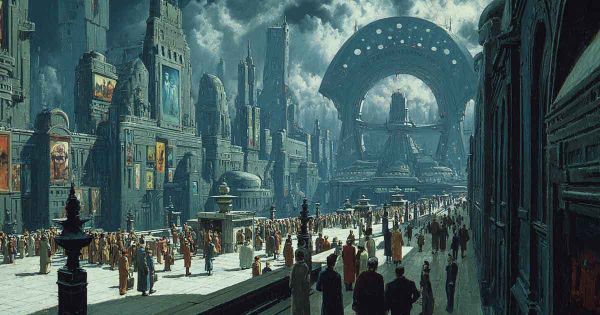

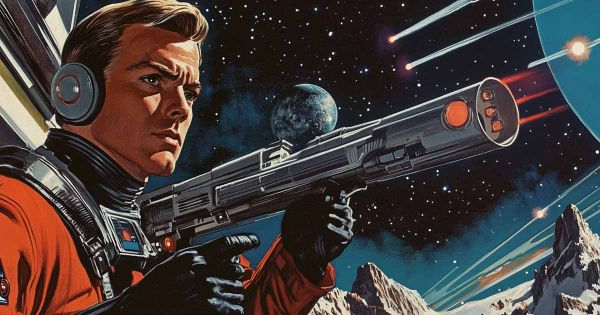
SFC Newsletter Why “May the 4th Be With You” Still Works Today Why "Star Wars" still works decades later. A look at structure, clarity, and discipline in storytelling, and why May the 4th proves its lasting strength.
SFC Newsletter Before Aliens Became the Enemy Early sci-fi asked how man should face the unknown. “The Man from Planet X” shows a time when aliens were not enemies, but tests of human judgment and restraint.
SFC Newsletter World Book Day and the Power of the Written Word in Science Fiction Science fiction shows how books shape civilizations, preserve knowledge, and guide the future. A look at classic works where the written word remains central to survival and progress.
SFC Newsletter Big Worlds Built Small Classic science fiction comes to life through “Dr. Cyclops” and the art of scale. Explore how filmmakers built worlds where small men face big dangers using practical effects and ingenuity.
SFC Newsletter The Limits of Authority in Classic Sci-Fi and "Invaders from Mars" Classic science fiction explores how authority confronts the unknown. From careful observation to evolving understanding, these stories reveal the limits of knowledge and the persistence of reason.
SFC Newsletter "The Matrix" and the Rise of Digital Science Fiction On March 31, 1999, "The Matrix" changed science fiction by shifting focus from machines to digital systems, redefining reality and shaping the genre for the modern age.
SFC Newsletter "Quantum Leap" and the Responsibility of Time Travel A look at "Quantum Leap" and its unique take on time travel, where one man moves through the past to correct mistakes and prove that small actions can change the course of a life.
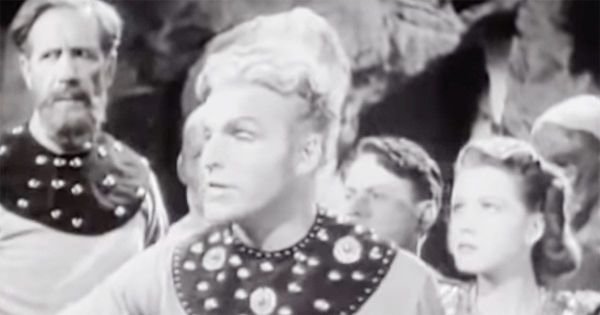
SFC Newsletter Flash Gordon and the Birth of Space Adventure Cinema Flash Gordon blasts off to Mars in the 1938 serial that thrilled Saturday matinee audiences. Discover how this pulp adventure helped shape the style and excitement of modern space epics.
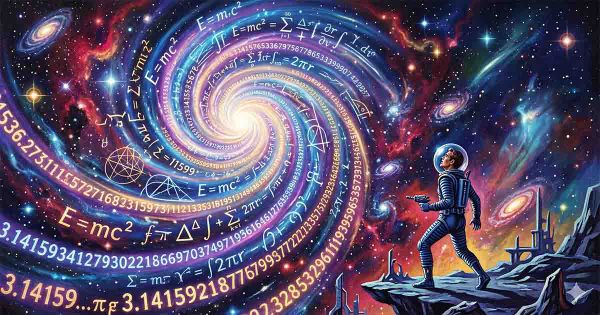
SFC Newsletter Pi Day and the Mathematics of Time in "Doctor Who" Pi Day and classic science fiction meet in a look at mathematics, time travel, and cosmic patterns. "Doctor Who" and legendary authors reveal how numbers shape stories about time and space.
SFC Newsletter James Doohan, D-Day Veteran Who Became Star Trek's Beloved Engineer On James Doohan’s birthday, we remember the man who made Scotty a symbol of steadiness, loyalty, and engineering heroism in "Star Trek," inspiring generations to respect skill and responsibility.
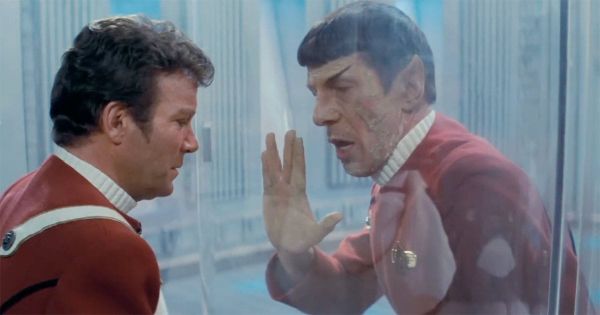
SFC Newsletter Leonard Nimoy’s Enduring Science Fiction Legacy Leonard Nimoy’s career extended far beyond a single iconic role, influencing science fiction through performance, direction, voice, and symbolism, leaving a lasting imprint on the genre’s history and identity.
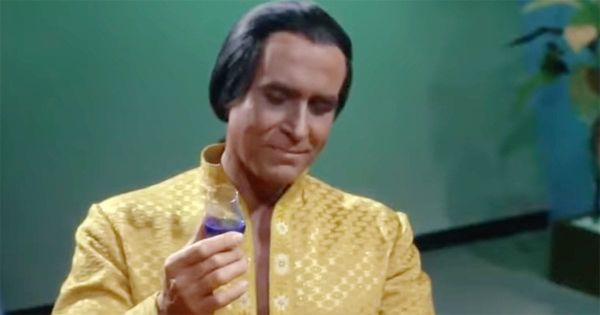
SFC Newsletter Engineered Superiority in Classic Science Fiction Engineered humans, genetic destiny, and the uneasy role of superiority in classic science fiction. From "Star Trek" to "Gattaca," stories that question enhancement, power, and human limits.
SFC Newsletter Why Classic Science Fiction Took Love Seriously A Valentine’s Day look at how classic science fiction treated love with seriousness, restraint, and purpose, from Star Trek to Quantum Leap and beyond.
SFC Newsletter Data and the Meaning of Personhood in Star Trek Data’s quest to understand humanity explores what Star Trek says about personhood, dignity, moral choice, and why Gene Roddenberry believed character defines what makes someone a person.
SFC Newsletter The Quiet Fear at the Heart of “Invasion of the Body Snatchers” A look at how “Invasion of the Body Snatchers” uses conformity, comfort, and fear to warn against surrendering conscience, showing why classic science fiction treated individuality as fragile and worth defending.
SFC Newsletter How The Six Million Dollar Man Grounded Science Fiction How The Six Million Dollar Man made science fiction feel practical by grounding futuristic technology in everyday America, disciplined authority, and a working man hero audiences trusted.
SFC Newsletter Ender’s Game and the Machinery of Command Explore the publication of Ender’s Game and how the novel examines training, command, and moral responsibility in late Cold War science fiction, where victory is engineered long before battle begins.
SFC Newsletter How Spock Taught Sci-Fi Television to Think A classic look at Spock’s arrival and how logic, restraint, and intellect reshaped television science fiction during the cultural upheaval of the 1960s.
The Men of Science Fiction How Isaac Asimov Made the Future Understandable Isaac Asimov, born January 2, 1920, shaped classic science fiction through clarity and reason. Explore how his ideas, robots, and empires made the future understandable.
SFC Newsletter Dr. Who and the Mechanical Spirit of Classic Science Fiction A classic science fiction look with quiet authority. Explore Doctor Who and the mechanical imagination of mid-century sci-fi, plus a subtle alien design made for fans who value restraint and style.
SFC Newsletter Classic Sci-Fi From Jules Verne to the Space Age An exploration of classic science fiction from Jules Verne to the early space age, showing how reason, discipline, and responsibility shaped the genre before spectacle took over.
SFC Newsletter What Makes Star Trek Endure A look at the discipline and steady leadership that shaped classic Star Trek and helped create a future built on order, duty, and purpose.
SFC Newsletter Facts About The Return of Doctor X A look at “The Return of Doctor X” and the legacy of the mad scientist in classic science fiction, plus a featured Radiographic Alien Head T-shirt for fans of bold and mysterious designs.
SFC Newsletter Doctor Who and the Birth of Modern Science Fiction TV Discover how the 1963 debut of "Doctor Who" reshaped science fiction on television with a thinking hero, bold ideas, and the timeless spirit that still defines classic sci-fi storytelling today.
SFC Newsletter How “Close Encounters” Changed First Contact Discover how “Close Encounters of the Third Kind” transformed alien contact in science fiction, replacing fear with wonder through its unforgettable language of light, sound, and human faith.