
Iakin Nefud and the Cost of Obedience in Dune
Who is Iakin Nefud in Dune? A classic analysis of the Harkonnen guard captain, his rise after the Atreides fall, semuta addiction, and what he reveals about power and obedience in Frank Herbert’s novel.

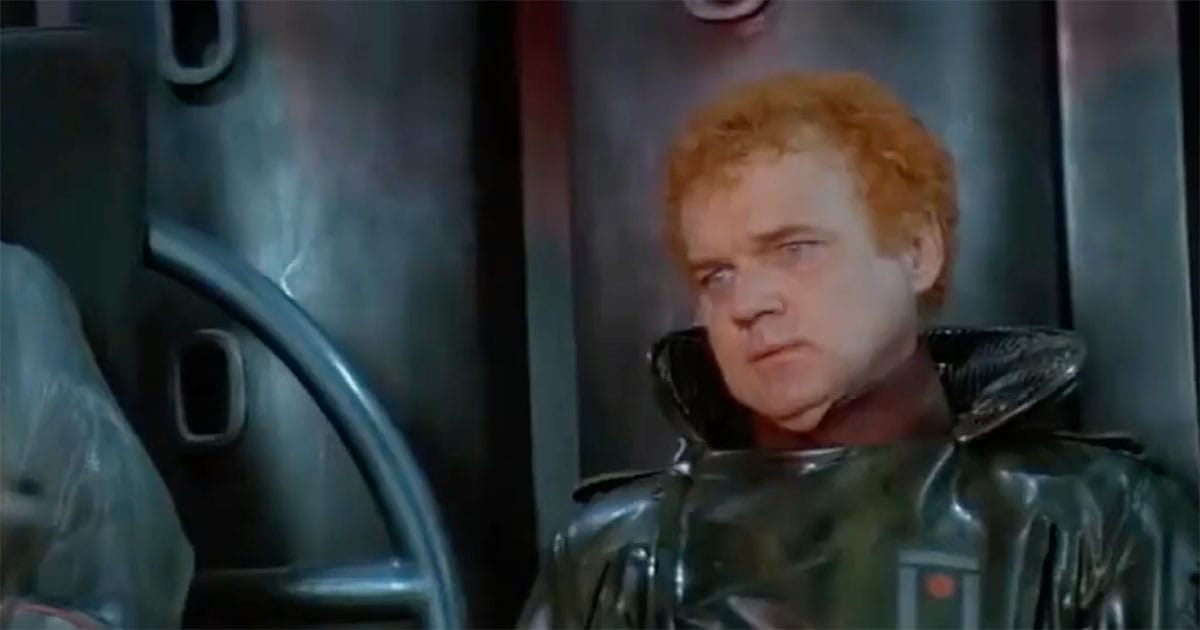
"Iakin Nefud in Dune"
Iakin Nefud occupies a narrow corridor of power in Frank Herbert's "Dune." He is not a mastermind, a warrior, or a figure touched by destiny. He is a guard captain whose value lies in obedience, timing, and availability.
Herbert uses Nefud to show how tyranny functions after catastrophe. When plans collapse and leaders survive, someone must restore order and enforce silence. Nefud exists to make the system run again.
His presence is brief, yet revealing. He shows how House Harkonnen maintains control through dependence rather than loyalty. Power does not rely only on monsters. It relies on men willing to manage fear as routine work.
Origins and Context
Nefud enters the story after one of the novel's most violent turning points. Duke Leto Atreides attempts to kill Baron Vladimir Harkonnen using a poison tooth. The attack fails but kills the Baron's guard captain, Umman Kudu.
That death creates a vacancy, not an opportunity. The Baron requires immediate stability and unquestioned obedience. Nefud is promoted because he is present, competent, and easily controlled.
Herbert places Nefud inside the Harkonnen household rather than on the battlefield. His authority concerns guards, prisoners, and secrecy. He operates where power hides its messes.
This context matters. Nefud does not rise through ambition or loyalty. He is shaped by crisis and necessity, pressed into service by a system protecting itself.
| Field | Details |
|---|---|
| Name | Iakin Nefud |
| Affiliation | House Harkonnen |
| First Appearance | "Dune" (1965) by Frank Herbert |
| Role | Guard captain within the Baron’s household |
| Description | Harkonnen guard officer promoted after Umman Kudu’s death, known for obedience, semuta addiction, and managing internal security |
| Portrayed By | Jack Nance in "Dune" (1984) |
Power and Dependence
Nefud's defining weakness is his addiction to semuta. In "Dune," the drug offers pleasure and escape from pressure. It also creates leverage.
Herbert presents this arrangement without commentary. Addiction becomes infrastructure rather than tragedy. Control flows through supply.
Nefud understands the bargain. Rank ensures access to semuta. Access demands obedience. His loyalty is transactional and fragile.
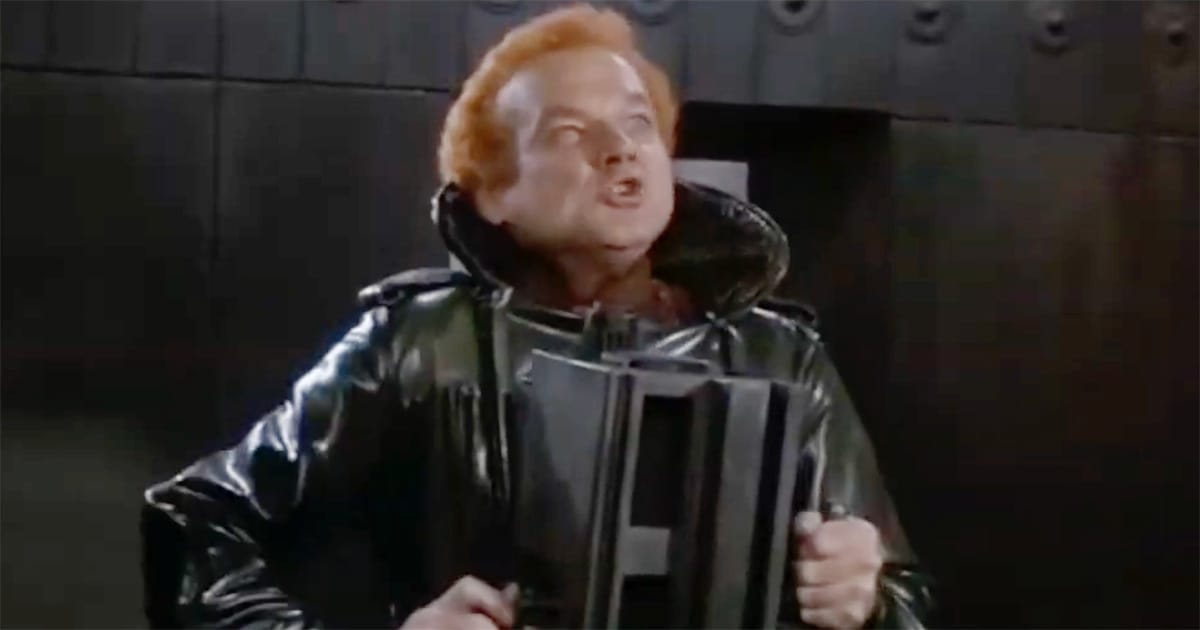
This explains why the Baron trusts him. A dependent servant is safer than a confident one. Weakness becomes reliability inside House Harkonnen.
Role in the Story
After the fall of House Atreides, Nefud's duties become precise and unpleasant. He oversees security, containment, and enforcement. He handles tasks others prefer not to witness.
He is not a planner. He does not design the Baron's schemes or shape political outcomes. He ensures that outcomes leave no evidence behind.
This distinction resolves a common fan confusion. Nefud holds authority over guards, not policy. His power stops where the Baron's comfort begins.
Herbert uses him to show how decisions move downward. Violence imagined at the top becomes procedure in the middle.
Authority Without Agency
Nefud's rank suggests command, yet his agency remains narrow. He can act only within strict boundaries. Initiative invites suspicion.
Other Harkonnen figures enjoy freedom of action. Piter De Vries schemes openly. Feyd-Rautha plots for succession. Nefud executes instructions.
Herbert separates influence from function. Titles flatter, but control resides elsewhere. Authority does not equal choice.
Nefud survives by minimizing himself. He anticipates moods and avoids attention. In House Harkonnen, invisibility equals safety.
Fate and Canon Limits
Readers often ask what becomes of Iakin Nefud after Book One. Herbert provides no answer. His story simply ends.
This silence is not mystery. It is absence. The narrative moves on to larger forces and greater conflicts.
Canon offers no hidden resolution. Nefud is neither punished nor rewarded on the page. He disappears.
That disappearance is meaningful. Herbert does not grant closure to every servant of empire. Many vanish without notice or memorial.
Adaptations and Omissions
David Lynch's 1984 film gives Nefud a stronger presence. Played by Jack Nance, he gains a distinct voice and physical authority. The performance emphasizes procedure rather than spectacle.
The film clarifies what the novel implies. Nefud becomes the visible conduit for Harkonnen orders. Cruelty passes through him calmly.
Later adaptations remove him by name. The Sci-Fi Channel miniseries and the Villeneuve films compress the household hierarchy.
This change reflects narrative economy. Complex systems become symbols. Minor gears disappear while their function remains intact.
Why Nefud Matters
Iakin Nefud matters because he feels plausible. He is neither hero nor monster. He is necessary.
Herbert understood that domination requires administrators. Empires endure through men who trade agency for security.
Nefud embodies that trade. He maintains order while history moves past him. His survival depends on obedience.
In a novel filled with prophecy and upheaval, Nefud represents continuity. The machine keeps running because someone agrees to keep it running.