
James T. Kirk’s Quietest Triumphs
A close examination of seven Star Trek episodes where Captain Kirk resolves crises through reason, restraint, and moral judgment, revealing the thoughtful command style behind the legend.

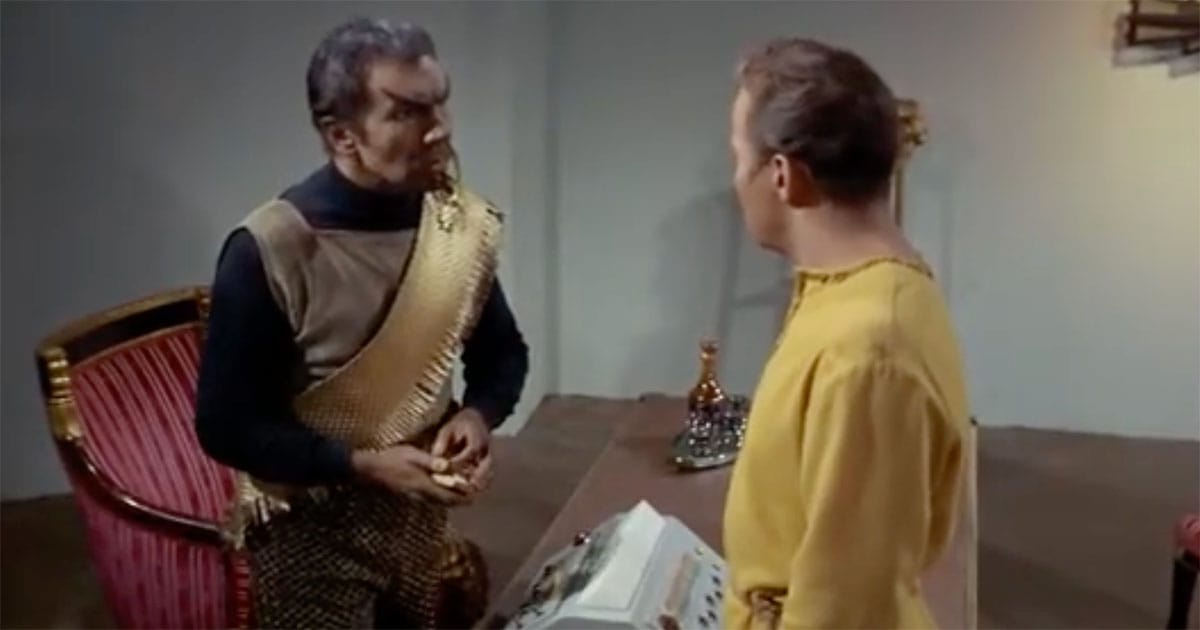
"7 Times Captain Kirk Solved a Problem Without Firing a Shot"
For more than half a century, James T. Kirk has been remembered as a man of action. Parody, shorthand criticism, and cultural drift have recast him as a reckless brawler who solves galactic problems with a clenched fist or a drawn phaser. A closer examination of "Star Trek" reveals a far more disciplined figure whose most decisive victories come through restraint.
Kirk commands during a period when Starfleet authority rests on moral confidence rather than raw force. He operates at the frontier where diplomacy fails, and violence tempts. His greatness lies in knowing when power must be withheld.
The following seven moments illustrate a consistent pattern. When the situation allows, Kirk prefers resolution without bloodshed, even when the cost is personal or political.
"Arena" and the Choice to Spare
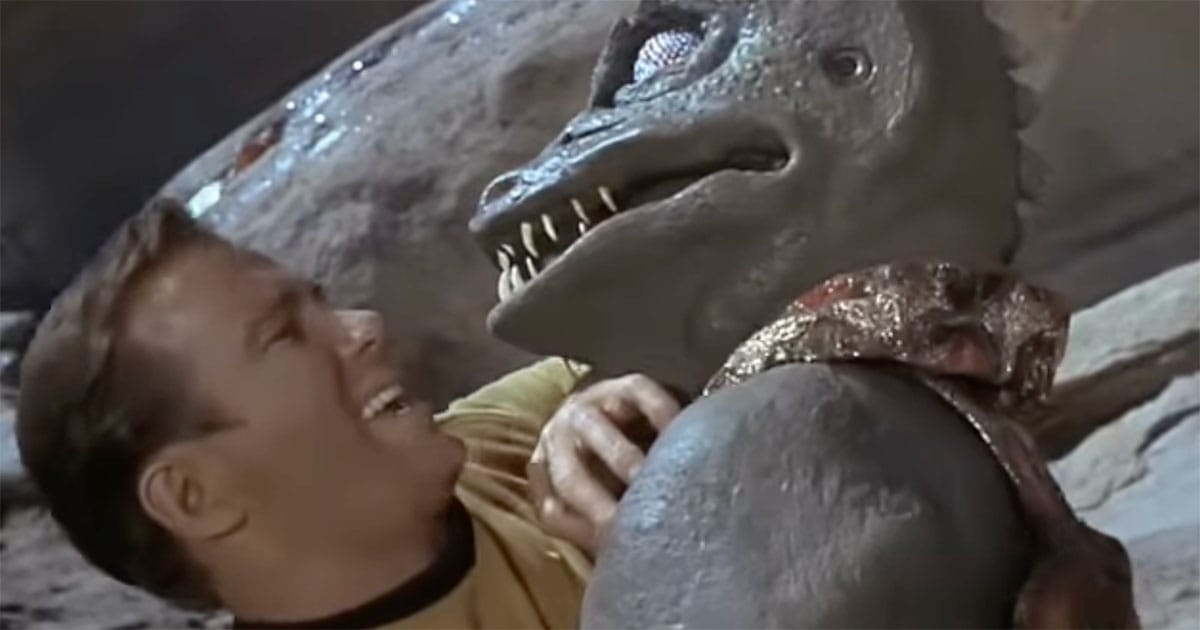
In "Arena," Kirk is placed into a brutal contest against the Gorn, framed as a test of survival by distant overseers. The conditions reward savagery and punish hesitation. Kirk adapts quickly but refuses to become what the contest demands.
When victory becomes certain, he chooses mercy over execution. This decision reframes the entire conflict and halts what could have become an interstellar war. Kirk recognizes that killing a defeated enemy would solve nothing beyond the moment.
"The Devil in the Dark" and the Discipline of Listening
"The Devil in the Dark" presents a classic frontier panic, with miners demanding extermination of an unseen threat. Kirk slows the tempo of the crisis by asking questions no one else considers necessary. The monster is revealed to be a parent defending its young.
Rather than authorize destruction, Kirk negotiates coexistence. The solution preserves human lives and alien life alike without a single shot fired. His authority comes from understanding motive rather than indulging fear.
"Errand of Mercy" and Strategic Frustration
In "Errand of Mercy," Kirk arrives prepared to defend a peaceful planet from Klingon occupation. He expects resistance, improvisation, and possibly guerrilla warfare. Instead, he encounters the Organians, whose pacifism infuriates him.
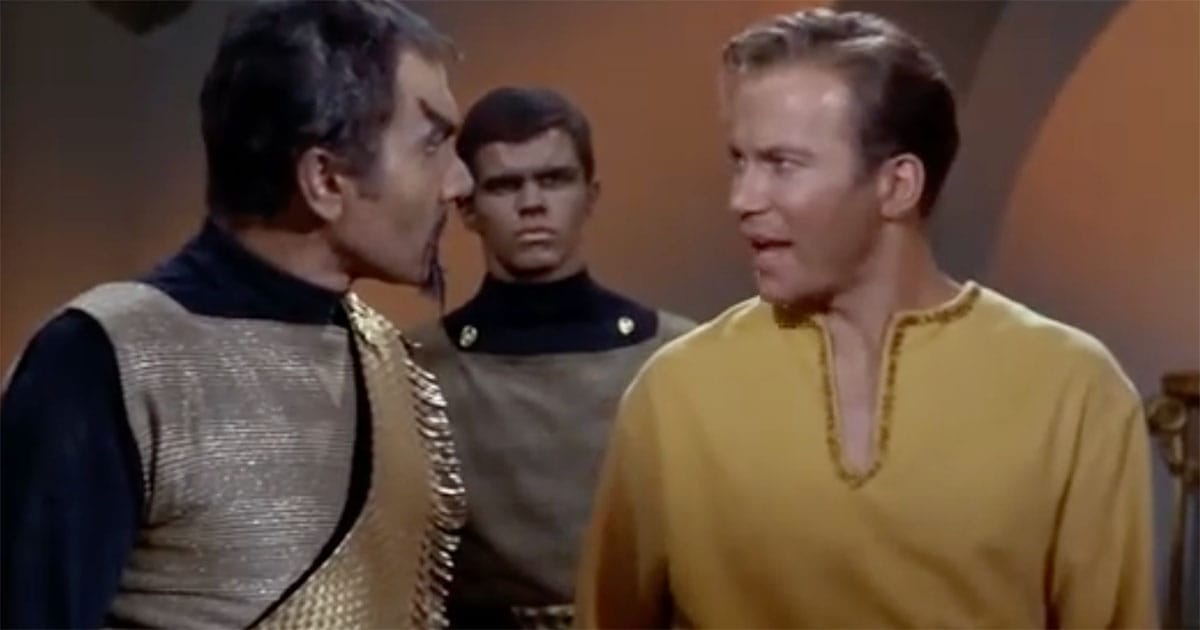
The Organians impose peace by neutralizing both fleets. Kirk's inability to fight becomes the very mechanism that ends the conflict. The episode underscores that command sometimes means accepting an outcome one neither controls nor prefers.
"The Corbomite Maneuver" and the Calculated Bluff
Kirk's reputation as a gambler finds its sharpest expression in "The Corbomite Maneuver." Facing an overwhelmingly powerful alien presence, he invents a fictional doomsday substance to deter attack. The bluff is risky but precise.
The maneuver avoids combat and transforms a hostile encounter into communication. Kirk demonstrates that confidence and timing can substitute for firepower. The resolution affirms Starfleet's preference for first contact over conquest.
"A Taste of Armageddon" and the Rejection of Sanitized War
"A Taste of Armageddon" depicts a society that has made warfare efficient and bloodless through simulation. Citizens report calmly for execution after virtual attacks. Kirk finds the system morally obscene.
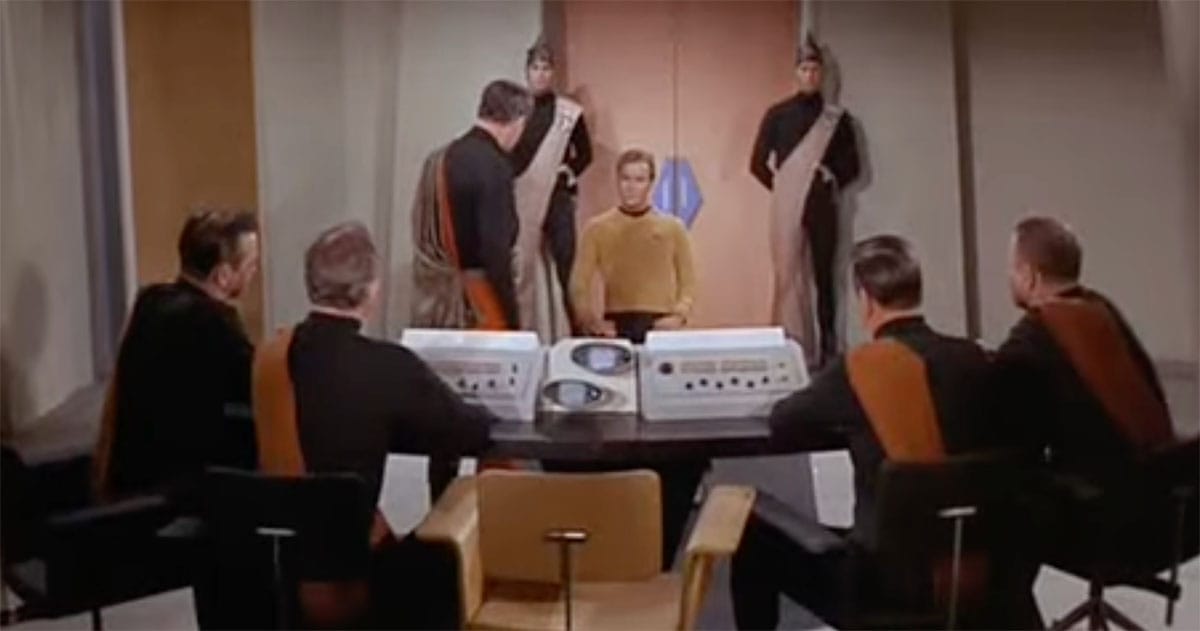
He disrupts the process entirely, forcing the belligerents to confront real consequences. By making war unacceptable again, he compels negotiation. Kirk refuses to legitimize violence by administrative convenience.
"The Return of the Archons" and Intellectual Subversion
In "The Return of the Archons," Kirk confronts a society controlled by an ancient computer masquerading as divine authority. The machine enforces peace through suppression and ritualized conformity. Direct rebellion would only deepen the cycle.
Kirk dismantles the system by exposing its internal contradictions. The population is freed through reason rather than revolt. The victory is quiet, thorough, and permanent.
"The City on the Edge of Forever" and Command Without Reward
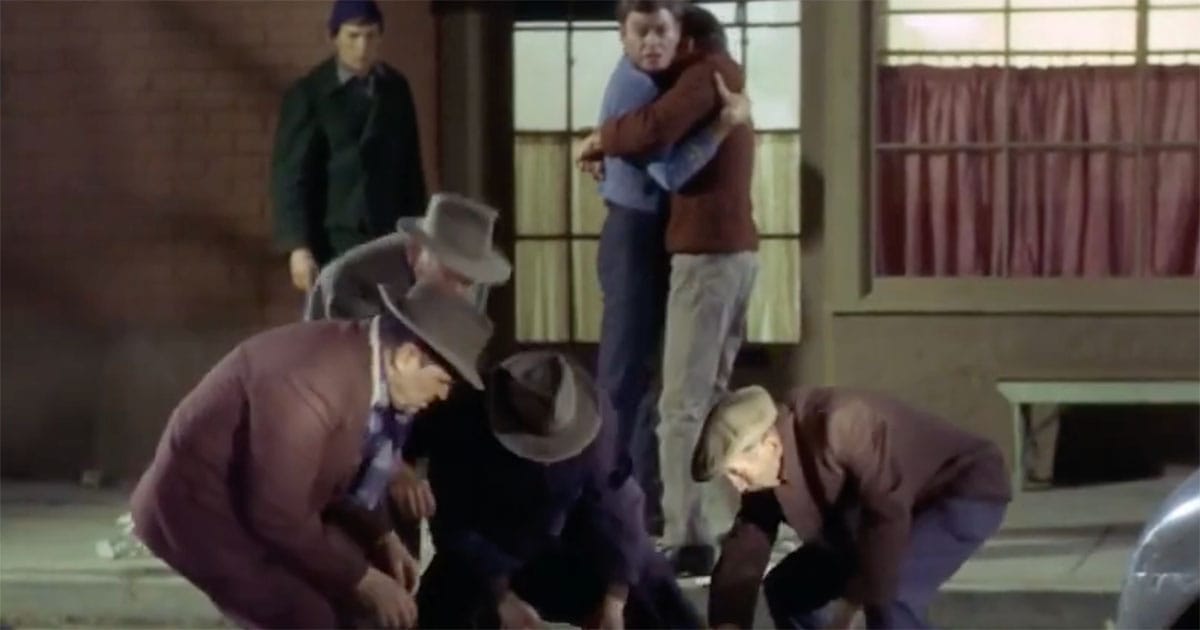
No example better illustrates Kirk's restraint than "The City on the Edge of Forever." Presented with a chance to save a woman he loves, Kirk understands that doing so would unravel history. The correct choice offers no compensation.
He allows events to proceed, knowing the personal cost. No weapon is fired, yet the decision carries the weight of a battlefield. Kirk accepts that command sometimes demands silent endurance.
What These Choices Reveal
Across these episodes, a pattern emerges that contradicts the caricature. Kirk is not opposed to force, but he treats it as a failure state rather than a goal. His instinct is always to seek resolution that preserves future stability.
This approach reflects the values embedded in classic science fiction television. Problems are solved through moral reasoning, dialogue, and courage of conviction. The genre assumes that intelligent men can be trusted with power if they accept limits.
Kirk's legacy endures because it models authority restrained by conscience. In an age fascinated with spectacle, his quiet victories remain instructive. The absence of gunfire often marks his greatest success.