
Manufactured Humanity in Classic Science Fiction
Classic science fiction explores bioengineered humans from Frankenstein to Blade Runner, revealing the risks of control, the burden of perfection, and the limits of human ambition.

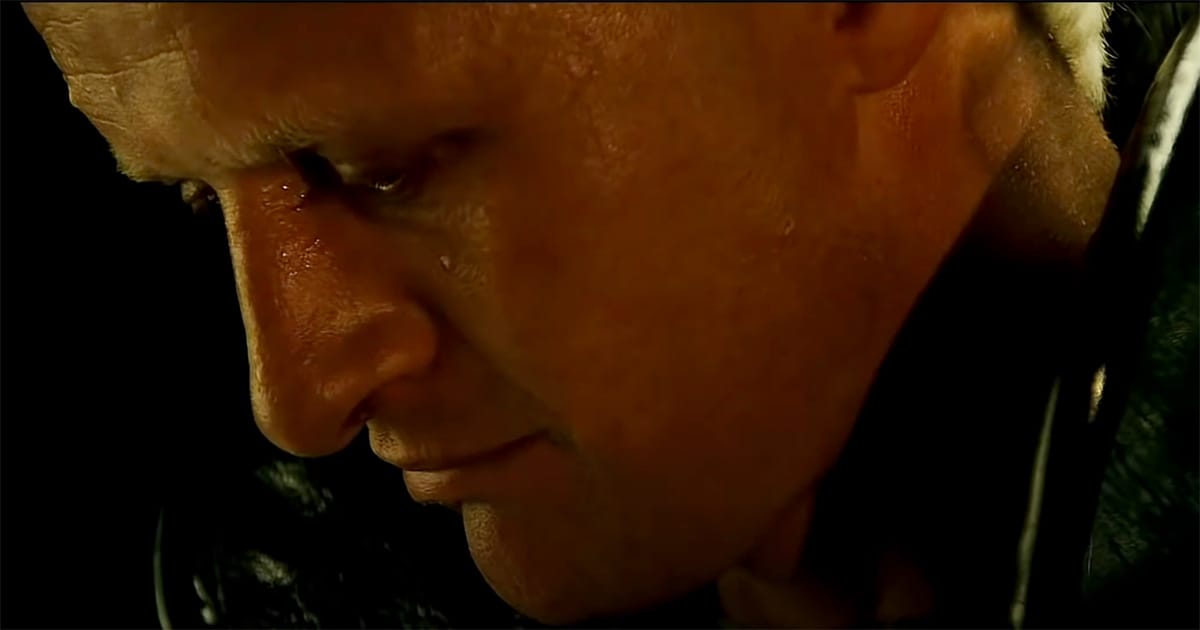
Designed Men and Manufactured Souls
Long before gene splicing entered the public imagination, classic science fiction wrestled with the idea of engineered humanity in simpler terms. In "Frankenstein" (1818), the act of creation reflects a deeply human desire to rival divine authority.
The creature is not a scientific success but a moral failure, revealing the cost of unchecked ambition. The story endures because it frames the question in plain terms that still resonate.
There is also a quiet sympathy in the creature's plight. He is brought into the world without guidance, then judged for what he becomes. That pattern appears again and again in later stories, where the created inherits the burden of the creator's choices.
The Assembly Line of Humanity
By the time "Brave New World" (1932) arrives, the lone experiment gives way to industrial scale production. Humans are no longer singular creations but standardized outputs, each assigned a role before birth. The novel reads like a factory report, clean and efficient, yet quietly unsettling. In spite of its order, something essential is missing.

This shift reflects a growing confidence in science paired with a loss of humility. The engineered human becomes less a miracle and more a product line. That idea carries a distinctly modern unease, even for readers decades later.
It also introduces a new kind of control. Instead of punishing failure, the system prevents it from ever occurring. The result is stability, though it comes at the expense of freedom.
The Problem of Improvement
Classic science fiction often treats improvement with suspicion. Stories like "Slan" (1940) introduce enhanced humans who think faster and see more clearly than ordinary men. Yet their gifts isolate them, turning advantage into burden. The superior man becomes a stranger in his own world.
This pattern appears again in the character Khan Noonien Singh from "Star Trek," whose engineered excellence leads not to harmony but to domination. Power, once amplified, rarely remains contained. The lesson feels less like speculation and more like observation.
There is an underlying question that persists. If a man is made better in every measurable way, what anchors his character? The classics rarely offer a comforting answer.
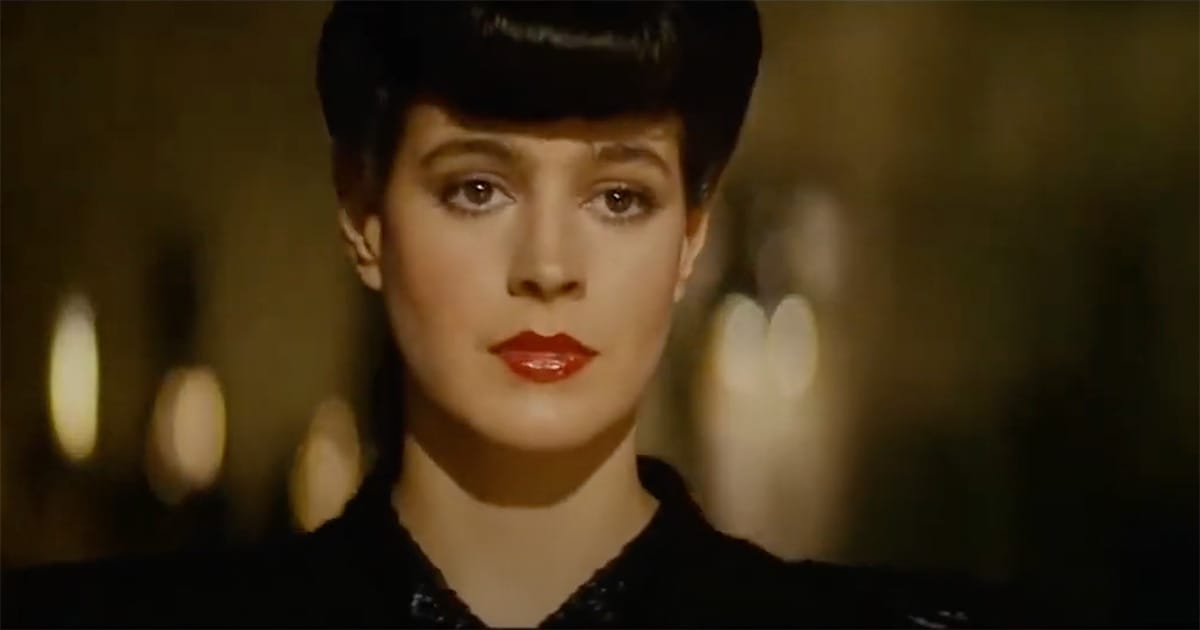
Control and Its Limits
In many classic works, the engineered human reveals the limits of control. The creators believe they can shape behavior, loyalty, and purpose. The creations, however, tend to develop wills of their own. This tension drives much of the drama and gives these stories their lasting appeal.
A later example appears in "Blade Runner" (1982), where bioengineered replicants are designed with strict limits on their lifespan. These controls are meant to prevent emotional development and rebellion. In practice, they fail, as the replicants begin to question their purpose and demand more life. Control proves temporary when confronted with self-awareness.
There is also a quiet recognition that control, even when successful, carries a cost. A perfectly designed society often looks stable on the surface but hollow underneath. The absence of struggle removes something vital from human experience.
A Familiar Warning
What emerges from these stories is not a rejection of science but a caution about its application. Classic science fiction treats bioengineered humans as a test of character rather than a triumph of technique. The question is never just whether man can create life. It is whether he can live with what he has made.
That question remains open, which may explain why these stories continue to hold attention. They speak in clear terms about ambition, responsibility, and the nature of man. In doing so, they offer less prediction and more reflection, grounded in ideas that still feel close to home.