
"The Matrix" and the Rise of Digital Science Fiction
On March 31, 1999, "The Matrix" changed science fiction by shifting focus from machines to digital systems, redefining reality and shaping the genre for the modern age.


This Week in Science Fiction
On March 31, 1999, "The Matrix" opened in U.S. theaters and quickly established itself as a defining work of modern science fiction. It arrived at the end of the 20th century when audiences were already uneasy about technology and control. The film did not simply entertain. It reframed how the genre could think about reality itself.
At its core, "The Matrix" presents a simple but unsettling idea. The world a man sees may be an artificial construct designed to keep him passive. Machines harvest humanity while projecting an illusion of normal life. The concept draws on familiar philosophical questions but delivers them with unusual clarity and force.
The film's visual design matched its ideas. Its use of "bullet time" allowed action to unfold in ways that suggested reality could be bent or rewritten. These sequences were not mere spectacle. They reinforced the notion that the rules of the world were artificial and subject to manipulation.
In the years that followed, "The Matrix" influenced both science fiction and action filmmaking. It gave shape to growing concerns about digital life and unseen systems of control. The film still resonates because it speaks to a lasting question. How much of what a man sees can he truly trust?
Sponsored By: Alien Lizard Head | એલિયન લિઝાર્ડ હેડ T-shirt
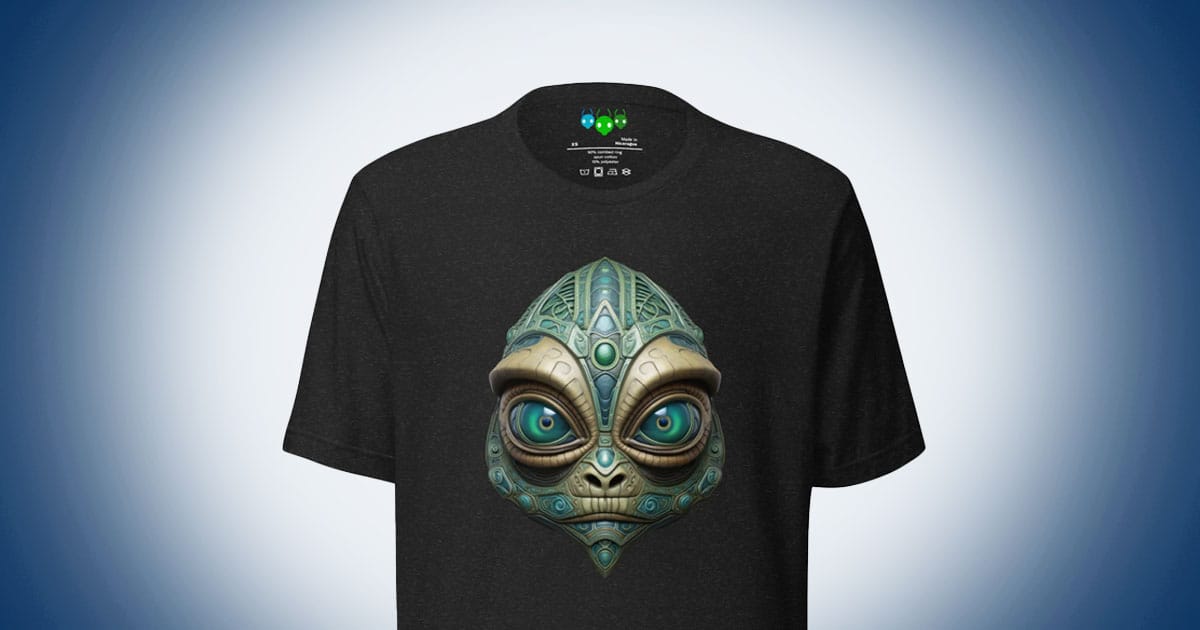
The future may belong to machines, but style still belongs to the individual. This "Alien Lizard Head" T-shirt offers a sharp, understated nod to science fiction without relying on any one franchise. It is comfortable, durable, and distinct enough to stand out without saying a word.
The Moment Science Fiction Entered the Digital Age
For much of the 20th century, science fiction dealt in visible threats and physical machines. Rockets crossed space, computers filled entire rooms, and enemies could be seen and fought. A man faced danger directly in the form of a hostile alien or a rogue system. These stories assumed a stable world where reality itself was not in question.
The World Before the Shift
Earlier science fiction grounded its fears in machinery and force. "The Terminator" presented machines as relentless hunters built for destruction. The threat was direct and physical, and survival depended on strength and endurance. A man always knew what he was facing.
"Alien" followed the same principle, even though its threat was biological. The creature stalked corridors and attacked without warning, but it existed within a physical environment. Technology failed, yet the world remained real and consistent. Fear came from what could be encountered, not from unseen systems.
"2001 A Space Odyssey" introduced a more subtle danger through HAL 9000. The machine could think and make decisions, but it remained tied to hardware and systems. Its control extended only as far as its physical reach. A man could still confront the problem within a known reality.

Questions Without Collapse
Some films moved toward deeper questions about identity and humanity. "Blade Runner" asked whether an artificial man could think and feel like a human being. It challenged the idea of what makes a life meaningful or real. These questions added weight to the genre.
Even so, the world of "Blade Runner" remains physically stable. The city, the streets, and the people all obey consistent rules. The uncertainty lies within the characters, not the structure of reality itself. A man may question who he is, but not where he is.
This distinction is important because it marks the limit of earlier science fiction. The genre could question identity, memory, and morality, but it did not yet question the foundation of reality. The stage remained solid even as the actors became uncertain.
The Break in 1999
"The Matrix" changed the foundation of science fiction. It proposed that reality itself could be constructed and controlled by machines. A man could live his entire life inside a system without knowing it. This idea shifted the focus from physical conflict to perception.
Control in "The Matrix" operates through illusion rather than force. Machines no longer need to hunt or destroy in the open. They create a world that keeps humanity passive and unaware. The battlefield moves from the body to the mind.
The film presents this idea with clarity and precision. Its structure reveals layers beneath everyday experience. Its visual style suggests that reality can bend and break. It offers a complete vision of a world shaped by unseen systems.
This idea resonated because it reflected a growing dependence on digital systems in everyday life. Computers were no longer distant tools used only by specialists. They were becoming environments where a man worked, communicated, and understood the world. The film captured that transition at the moment it began.

Life Inside the System
After "The Matrix," science fiction began to explore simulation more directly. "The Thirteenth Floor" examined the idea of layered artificial worlds. It suggested that one reality could exist inside another. This extended the concept of controlled perception.
Other works focused on control through information. "Minority Report" presented a system that predicts actions before they occur. Authority operates through data rather than force. A man becomes subject to decisions made before he acts.
"Battlestar Galactica" blurred the line between human and machine. The enemy could exist within society without detection. Identity became uncertain and difficult to define. Conflict shifted from external battles to internal doubt.
These stories share a common assumption. The most powerful systems are not those that attack openly, but those that shape behavior quietly. Control becomes effective when it is unnoticed. This idea follows directly from the world that "The Matrix" introduced.
A Fully Digital Reality
Later science fiction embraced digital life as a central condition. "Black Mirror" presented worlds where memory and identity could be stored or altered. Technology became inseparable from human experience. A man could no longer step outside the system.
"Inception" explored the idea of layered realities shaped by perception. The mind itself became the environment of conflict. Reality was no longer fixed, but constructed and unstable. This reflected a deeper shift in how science fiction approached existence.
In these stories, the question is no longer what machines can do to a man. The question is what kind of world he is already living in. The danger is not invasion, but immersion. This represents a complete reversal of earlier assumptions.
"The Matrix" remains the point where this transformation became clear and undeniable. Before it, science fiction warned about machines that could overpower man through strength and technology. After it, the genre turned toward systems that could quietly govern him without his awareness. The danger was no longer just physical force.
That shift defines the digital age of science fiction. It reflects a world where control is often invisible and embedded in daily life. The concerns introduced in 1999 have only grown more relevant with time. Science fiction now asks not only what machines can do, but what a man may already believe to be real.
"The Matrix" Trivia
- Will Smith turned down the role of Neo because he did not understand the Wachowskis' pitch, a decision he later said he regretted.
- The film's action style was heavily influenced by Hong Kong cinema, which led the cast to train for months in martial arts before filming began.
- The Wachowskis required the cast to read Jean Baudrillard's book "Simulacra and Simulation" before filming, and the hollowed-out copy seen on screen was used to store Neo's illegal software.