
Why Darth Vader Still Matters
Three major “Star Wars” anniversaries reveal why Darth Vader remains science fiction’s defining villain through tragedy, power, family, and redemption.

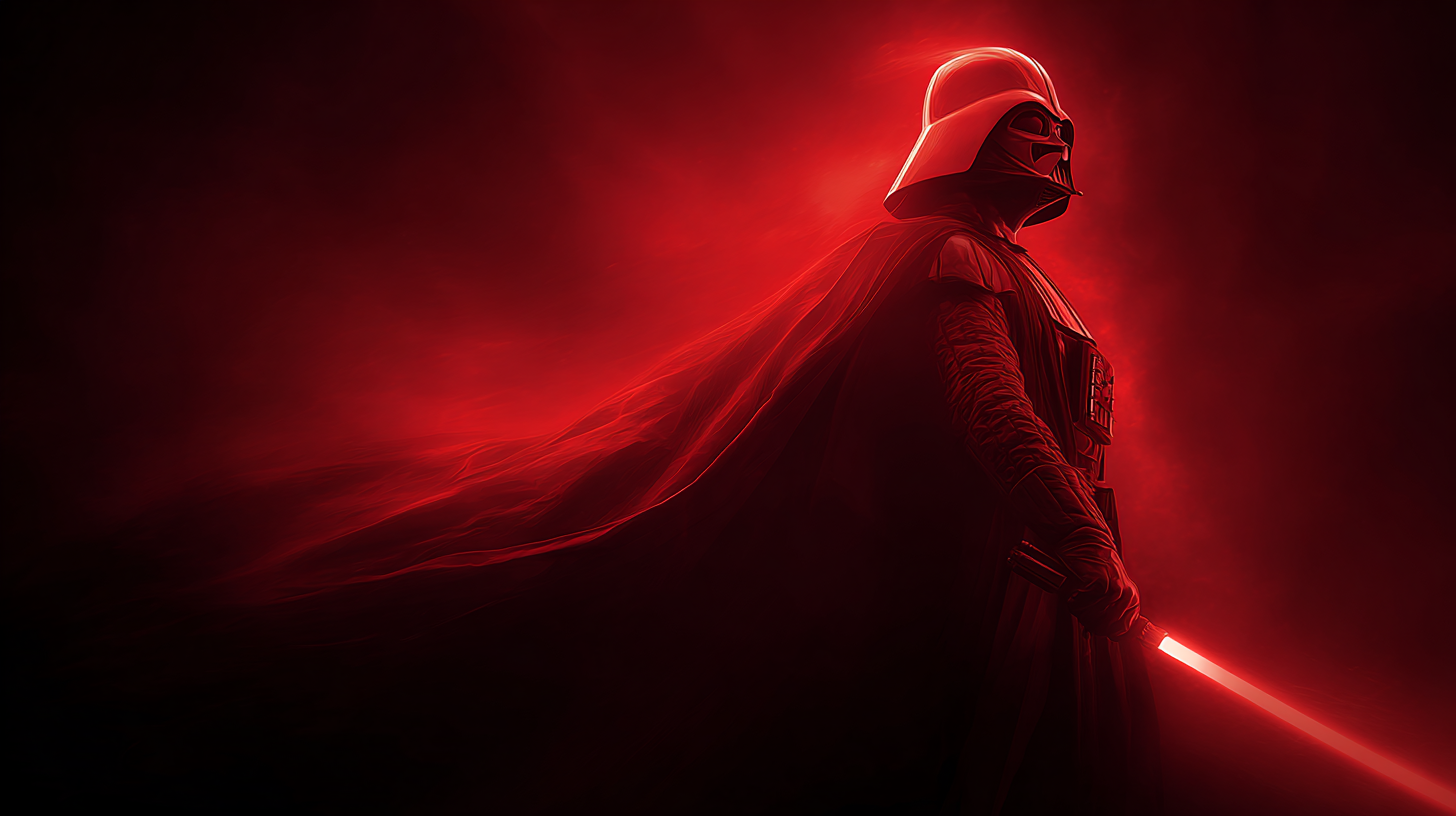
This Week in Science Fiction
In one remarkable week of science fiction history, audiences experienced the birth of Anakin Skywalker, the fall of the Jedi, and the moment Darth Vader became cinema's greatest villain.
May 19 and May 21 mark one of the most important stretches in "Star Wars" history. Together, the anniversaries connect the rise, fall, and revelation of Anakin Skywalker across three landmark films.
On May 19, 1999, Star Wars: Episode I – The Phantom Menace arrived in American theaters. The film introduced audiences to young Anakin Skywalker and reopened the "Star Wars" universe for a new generation of moviegoers. For many fans, it was the first new "Star Wars" film they had ever seen in theaters.
Six years later, on May 19, 2005, Star Wars: Episode III – Revenge of the Sith completed Anakin's transformation into Darth Vader. The Republic collapsed, the Jedi Order fell, and the prequel trilogy reached its tragic conclusion. Over time, the film earned a stronger reputation among fans who grew up with the prequels.
Then, on May 21, 1980, Star Wars: Episode V – The Empire Strikes Back changed science fiction forever. The film expanded the emotional and dramatic depth of the series while delivering one of cinema's most famous revelations. Darth Vader became more than a villain, emerging as a tragic figure tied directly to the story's central family.
Sponsored by: Among the Ruins of Light T-shirt
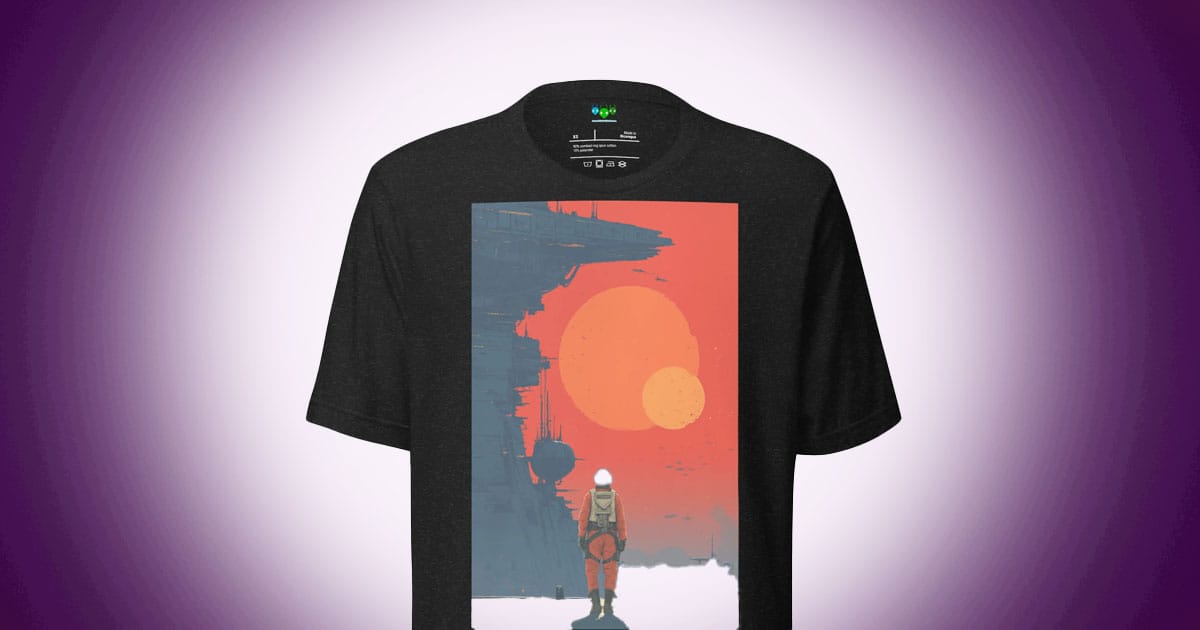
The “Among the Ruins of Light” T-shirt captures the mood that defined so much classic military science fiction. A lone pilot faces the silence of space beneath fading suns and the shadow of endless war. The design feels inspired by the great space opera traditions that shaped generations of science fiction readers and moviegoers.
Why Darth Vader Endures
Darth Vader remains the most recognizable villain in science fiction. Decades after his first appearance, audiences still respond to the black armor, mechanical breathing, and deep electronic voice. Younger viewers discover him through streaming and games, while older fans remember seeing him in theaters for the first time.
Part of that endurance comes from timing. Within a single week in May, three major "Star Wars" films reached American theaters across different years. "The Phantom Menace" introduced Anakin Skywalker to a new generation in 1999. "Revenge of the Sith" completed his fall in 2005. "The Empire Strikes Back" transformed Darth Vader into a cinematic legend in 1980.
Yet Vader survives in popular culture for a deeper reason. He is not simply evil. His story follows the rise, corruption, and redemption of a fundamentally human character.
The Promise of Anakin
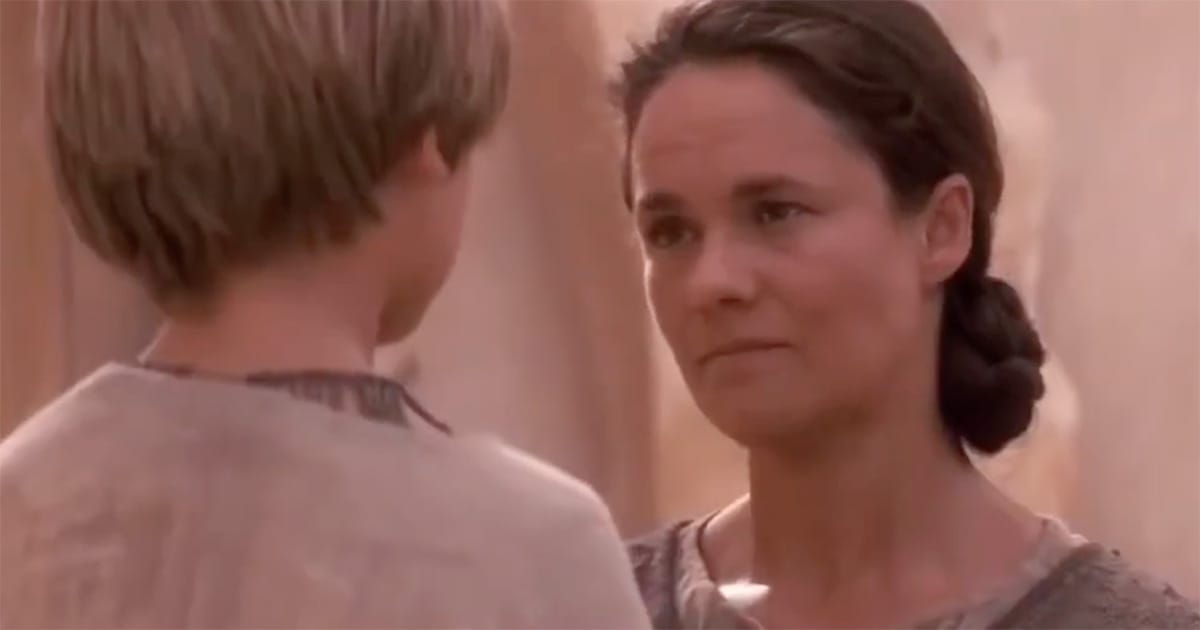
"The Phantom Menace" presents Anakin Skywalker as hopeful and unusually gifted. He is brave, emotional, curious, and eager to help others. In many ways, he resembles the classic young heroes who appeared throughout twentieth-century science fiction.
The film also presents Anakin as a child carrying enormous expectations. The Jedi believe he may be destined for greatness. Adults around him constantly discuss his future, his power, and his importance. Even before tragedy enters the story, pressure already surrounds him.
That early innocence matters more than critics sometimes acknowledge. Darth Vader only works because audiences first see the humanity inside Anakin. Without that foundation, Vader becomes little more than a masked villain in black armor.
Classic science fiction often believed that human beings possessed extraordinary potential. At the same time, many stories warned that gifts without wisdom or discipline could become dangerous. Anakin embodies both ideas from the beginning.
Fear and Corruption
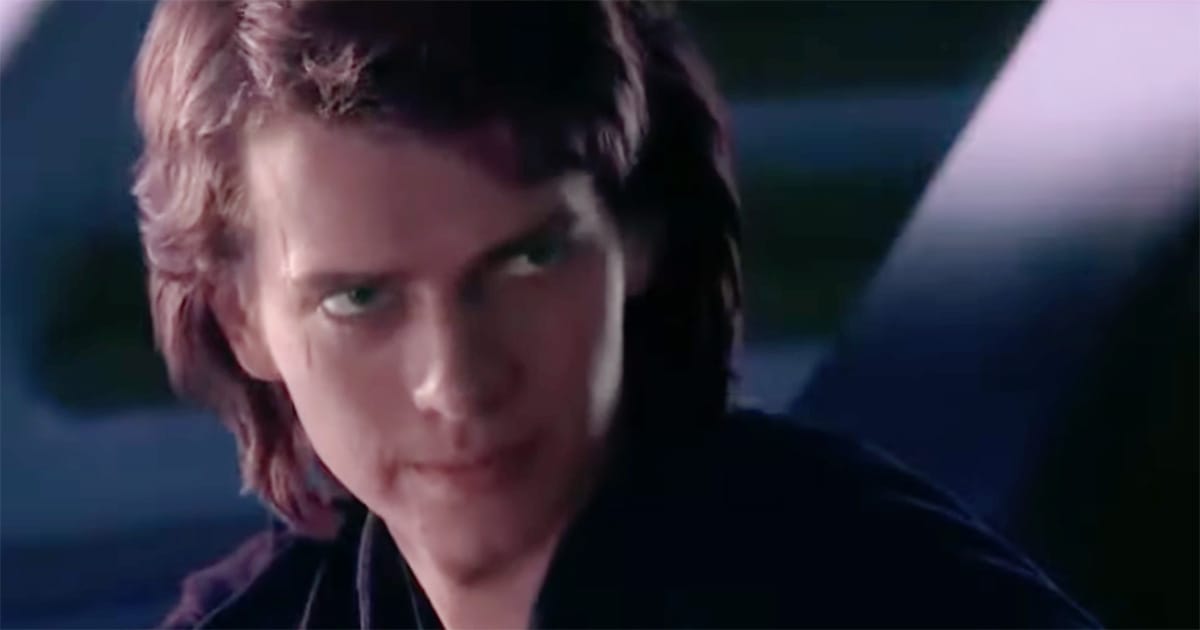
"Revenge of the Sith" transforms Anakin's fear into catastrophe. The character does not become evil overnight. Instead, he slowly convinces himself that immoral actions are necessary to protect the people he loves.
Fear drives nearly every major decision in the film. Anakin fears losing Padmé. He fears death, failure, and helplessness. He also fears exclusion from the power and knowledge controlled by the Jedi Council.
That gradual corruption gives the story emotional weight. Anakin repeatedly believes he can control dangerous choices without surrendering himself completely. Like many tragic figures, he assumes he can step into darkness temporarily and still return unchanged.
The film also reflects a recurring theme in classic science fiction. Power often isolates the individual who seeks it. As Anakin grows stronger, he becomes more suspicious, angry, and detached from those around him. His relationships deteriorate even as his abilities increase.
By the end of the film, the armored Darth Vader emerges less as a conquering villain and more as a broken man. The mechanical suit preserves his life, but it also traps him physically and emotionally. Technology becomes both salvation and prison.
The Villain Becomes Human
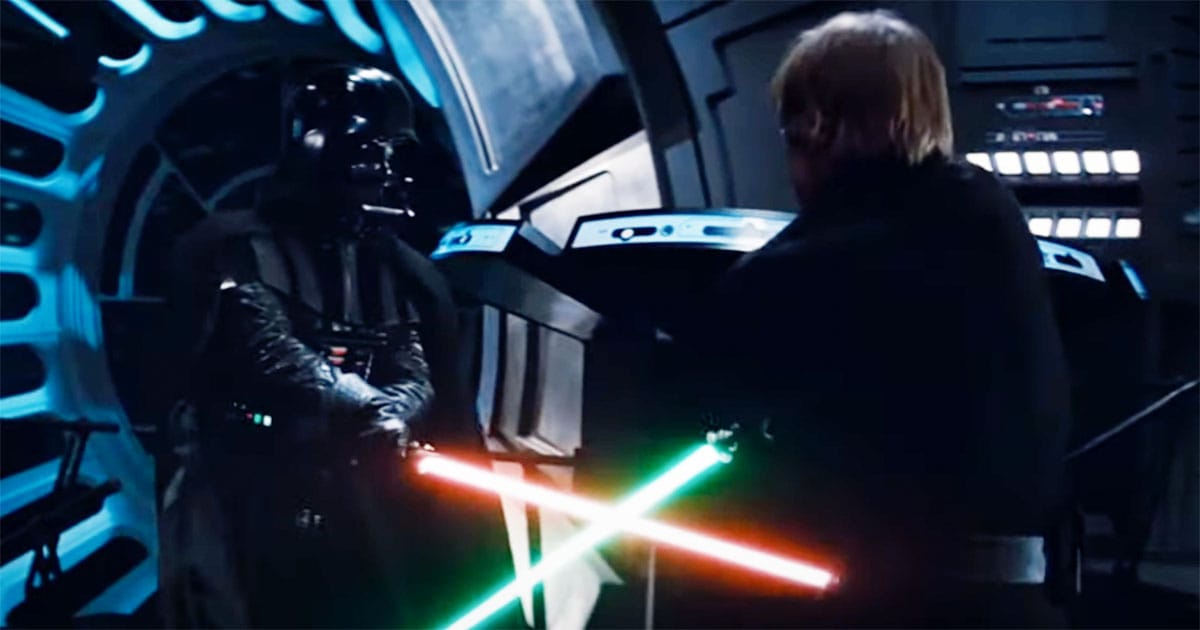
"The Empire Strikes Back" changed the meaning of Darth Vader forever. Before the film, Vader functioned primarily as an intimidating enforcer for the Empire. After the revelation that he is Luke Skywalker's father, the character became something more personal and tragic.
The twist transformed the conflict at the center of "Star Wars." The story no longer focused only on rebels fighting an empire. It became a story about fathers, sons, failure, inheritance, and redemption.
That emotional shift gave science fiction audiences something unusual for a blockbuster film. The villain was no longer distant. He was family.
The revelation also deepened Luke Skywalker's character. Luke must confront the possibility that the same darkness exists within himself. Victory no longer means merely defeating an enemy. It means resisting the temptation to become like his father.
Many modern science fiction films focus heavily on spectacle and destruction. "The Empire Strikes Back" succeeded because the emotional conflict mattered as much as the action. Audiences remembered the revelation because it changed the characters, not simply the plot.
More Than a Monster
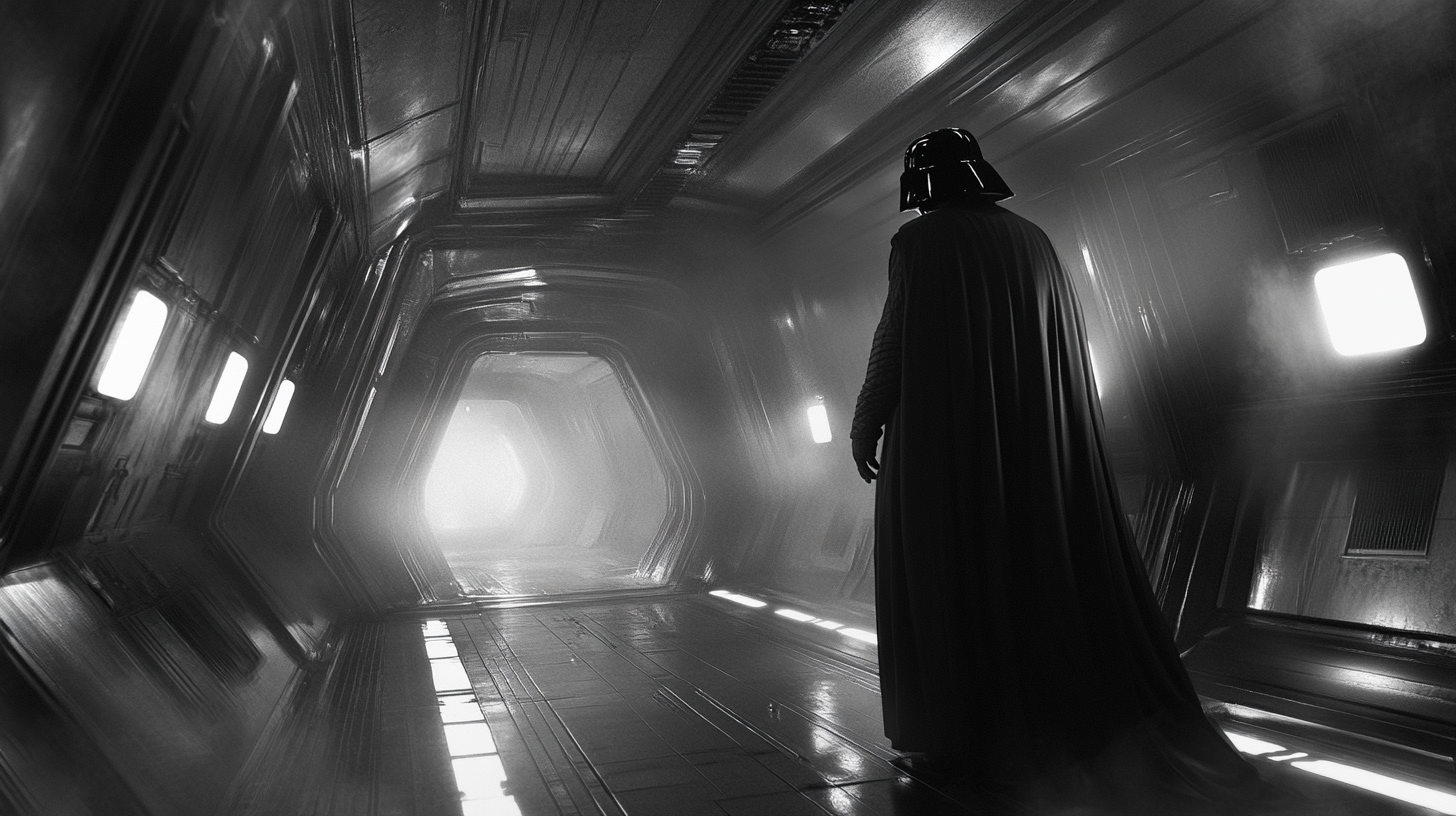
Darth Vader's design remains one of the greatest visual achievements in science fiction cinema. The armor combines military authority, machinery, and anonymity into a single figure. His breathing alone became instantly recognizable across popular culture.
The design also reflects anxieties common during the late Cold War era. Science fiction frequently warned about systems and technologies that stripped away individuality. Vader appears less like a free human being and more like a man consumed by machinery and authority.
Even his movements reinforce that idea. Vader rarely rushes or panics. He moves with the confidence of someone who believes power alone determines reality. That calm presence makes him more intimidating than a louder or more emotional villain might have been.
At the same time, traces of humanity remain visible beneath the armor. Audiences understand there is still a wounded man inside the machine. That tension between man and mechanism gives the character unusual depth.
Science fiction often asks what happens when humanity becomes dependent on technology. Darth Vader presents one possible answer. A man may survive physically while losing essential parts of himself along the way.
Redemption
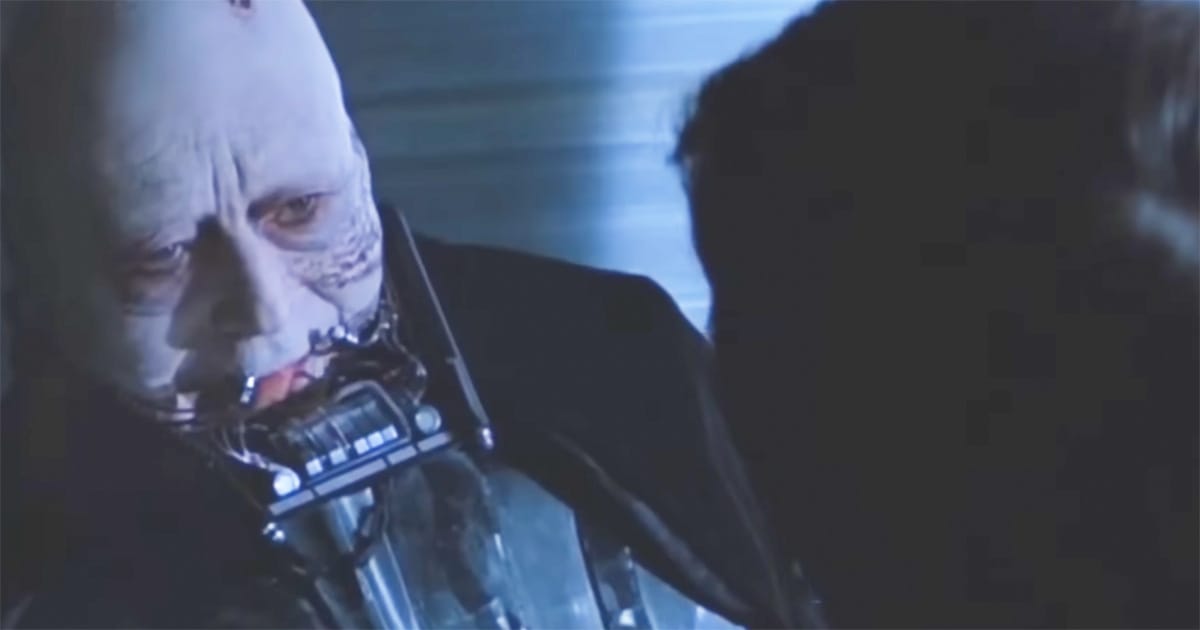
Darth Vader ultimately endures because his story does not end in darkness. "Return of the Jedi" reveals that Luke still believes good survives within his father. That belief becomes the emotional center of the trilogy.
Luke refuses to treat Vader as irredeemable. Instead of destroying him through hatred, Luke appeals to the humanity still buried beneath the armor. Mercy becomes more powerful than violence.
That conclusion separates Vader from many modern villains. Contemporary stories often favor cynicism or moral ambiguity. Older science fiction frequently believed redemption remained possible even after terrible failure.
Vader's final sacrifice restores part of the humanity he lost. The character cannot erase his crimes, but he can still choose to act selflessly. That choice gives the story lasting emotional power.
Audiences continue to respond to Darth Vader because they recognize the struggle within him. Fear, pride, anger, and ambition remain deeply human weaknesses. Yet the story also insists that failure does not have to be final.
That hopeful idea helps explain why Darth Vader still matters after all these years.
"Star Wars" Trivia
- During the production of "The Empire Strikes Back," David Prowse delivered fake dialogue on set instead of the famous father revelation. Most actors and crew heard Vader say that Obi-Wan Kenobi killed Luke's father. Only a handful of people knew the real line before release.
- In "Revenge of the Sith," the medical droids who rebuild Anakin Skywalker speak with calm indifference while Padmé is dying nearby. George Lucas intentionally staged the sequence to feel cold and mechanical, reinforcing the idea that technology could preserve Vader's body but not his humanity.
- While filming "The Phantom Menace," Liam Neeson accidentally activated Qui-Gon Jinn's lightsaber repeatedly during conversations because the prop's handle was sensitive to movement. The cast and crew reportedly joked that the weapon would turn on whenever Neeson gestured with his hands.