
The Best “Doctor Who” Episodes Ever Made (2026 Edition)
The best “Doctor Who” episodes include Tom Baker classics, modern fan favorites, Dalek stories, anniversary specials, and some of science fiction television’s finest moments.

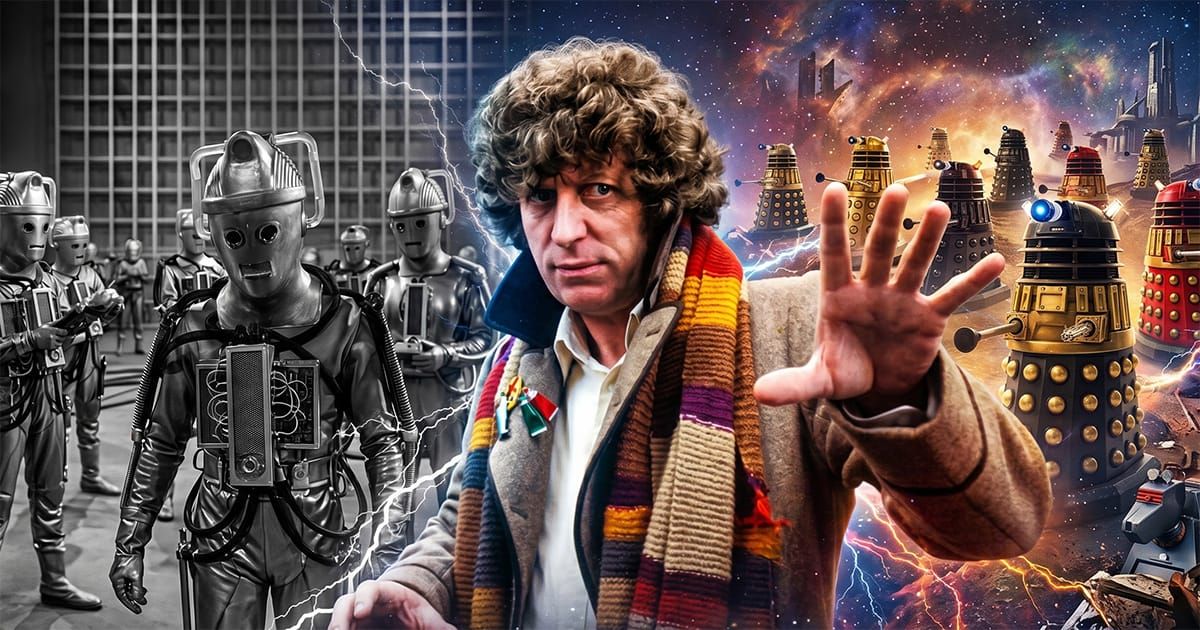
For more than 60 years, Doctor Who has survived cast changes, budget cuts, shifting television tastes, and the occasional truly terrible special effect. In some ways, that persistence is the point. The Doctor changes faces, companions come and go, and the universe somehow survives another Saturday evening.
Ask longtime fans to name their favorite episodes, and the answers become surprisingly passionate. Some viewers prefer the eerie black-and-white years with the First and Second Doctors. Others point to the emotional storytelling of the revival era. A few brave souls will defend nearly anything involving rubber monsters and wobbly sets.
Tom Baker remains, for many fans, the definitive Doctor. His scarf, booming voice, and strange mix of intelligence and mischief defined the character for an entire generation.
In spite of recent missteps, the franchise endures.
The following episodes represent the stories that shaped the franchise. Some introduced iconic villains. Others changed the mythology forever. A few simply reminded viewers why science fiction television mattered in the first place.
| Episode | Original Release Date | Why It Matters |
|---|---|---|
| “An Unearthly Child” | Nov. 23, 1963 | The first episode of Doctor Who. It introduces the Doctor, the TARDIS, and the series’ time-travel premise. |
| “The Daleks” | Dec. 21, 1963 | Introduces the Daleks, the franchise’s most iconic villains. |
| “The Tomb of the Cybermen” | Sept. 2, 1967 | One of the definitive Cybermen stories and an early example of Doctor Who horror. |
| “The War Games” | Apr. 19, 1969 – June 21, 1969 | Introduces the Time Lords and ends the Second Doctor’s era with regeneration and exile. |
| “Spearhead from Space” | Jan. 3, 1970 | Launches the Third Doctor era and marks the series’ transition to color television. |
| “Genesis of the Daleks” | Mar. 8, 1975 | Explores the origin of the Daleks and raises major moral questions about evil and genocide. |
| “City of Death” | Sept. 29, 1979 – Oct. 20, 1979 | A witty and stylish Tom Baker adventure partly written by Douglas Adams. |
| “The Five Doctors” | Nov. 23, 1983 | Celebrates the show’s 20th anniversary with multiple Doctors, companions, and villains. |
| “The Caves of Androzani” | Mar. 8, 1984 – Mar. 16, 1984 | Features one of the strongest regeneration stories in the classic series. |
| “Rose” | Mar. 26, 2005 | Relaunched Doctor Who for modern audiences after a long hiatus. |
| “Dalek” | Apr. 30, 2005 | Reintroduced the Daleks and revealed the emotional scars of the Time War. |
| “The Empty Child / The Doctor Dances” | May 21 & 28, 2005 | Introduces Captain Jack Harkness and delivers one of the revival’s best horror stories. |
| “School Reunion” | Apr. 29, 2006 | Brings Sarah Jane Smith back into the series and reconnects the revival to the classic era. |
| “The Girl in the Fireplace” | May 6, 2006 | Defines the emotional and romantic tone of the Tenth Doctor era. |
| “Army of Ghosts / Doomsday” | July 1 & 8, 2006 | Features a major Dalek-Cybermen conflict and ends Rose Tyler’s original storyline. |
| “Blink” | June 9, 2007 | Introduces the Weeping Angels and became one of the show’s most acclaimed standalone episodes. |
| “Silence in the Library / Forest of the Dead” | May 31 & June 7, 2008 | Introduces River Song and begins one of the revival’s most important story arcs. |
| “The Eleventh Hour” | Apr. 3, 2010 | Successfully reboots the series again with a new Doctor and companion. |
| “Vincent and the Doctor” | June 5, 2010 | Praised for its emotional portrayal of Vincent van Gogh and its themes of art and suffering. |
| “The Day of the Doctor” | Nov. 23, 2013 | The 50th anniversary special that united multiple Doctors and rewrote Time War history. |
| “Heaven Sent” | Nov. 28, 2015 | A psychological masterpiece driven almost entirely by Peter Capaldi’s performance. |
“An Unearthly Child”
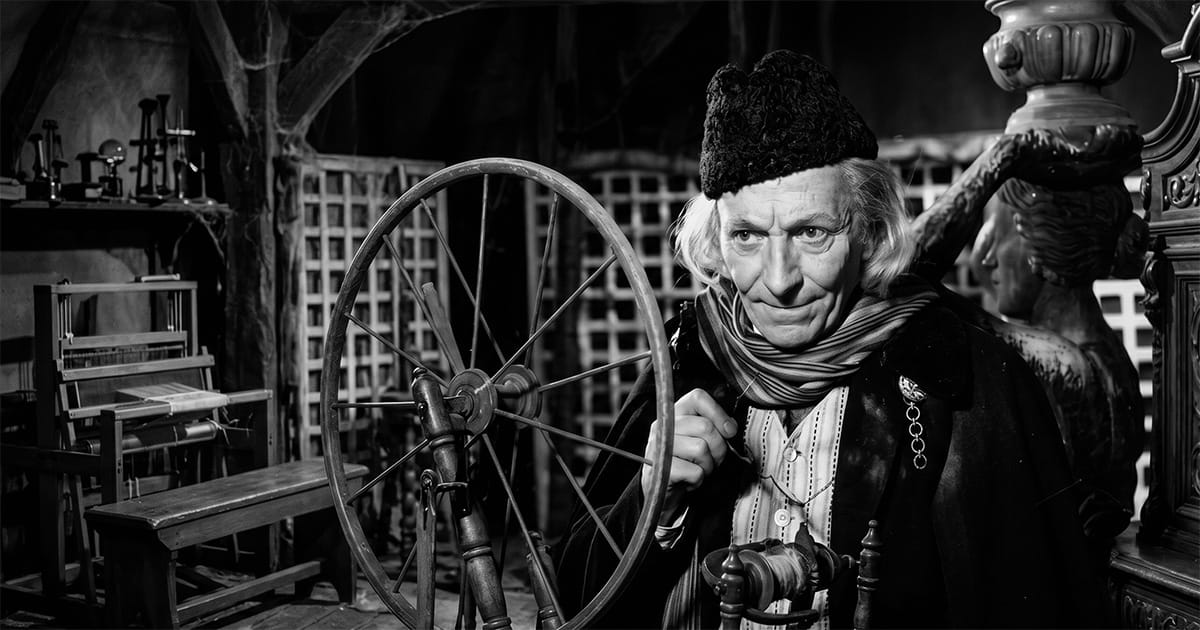
The very first episode aired on Nov. 23, 1963, only one day after the assassination of President John F. Kennedy. In spite of the national mood, the series survived and slowly became part of British television history.
The episode introduces the Doctor as a mysterious old man traveling through time and space in a police box that is bigger on the inside. The story feels smaller and quieter than later adventures, but that restraint gives it power. The Doctor is not yet a superhero. He is strange, secretive, and occasionally dangerous.
William Hartnell plays the First Doctor with a stern edge that later actors softened. Watching the episode now feels like opening a time capsule from another era of television.
“The Daleks”
Science fiction franchises often depend on one great villain. “Doctor Who” found its monster almost immediately.
The Daleks first appeared in late 1963 and quickly became a cultural phenomenon. Their metallic bodies, electronic voices, and genocidal hatred turned them into the series’ defining enemy. Children reportedly hid behind couches whenever they appeared.
The story also introduced one of the show’s central ideas. Evil does not always arrive looking powerful or impressive. Sometimes it rolls slowly into a room, screaming “EXTERMINATE” while made of what appears to be a pepper shaker and a trash can.
“The Tomb of the Cybermen”
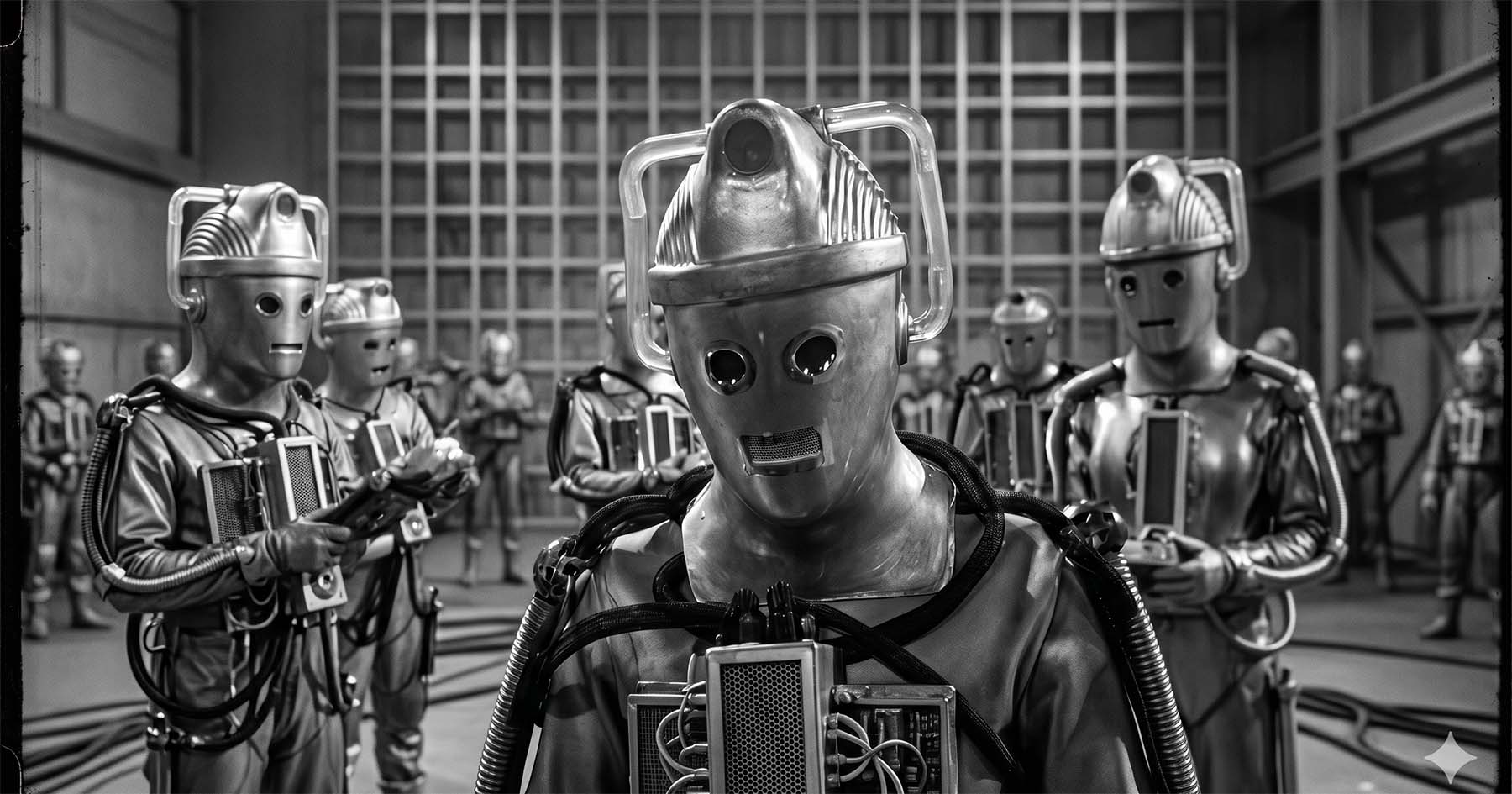
The Cybermen differ from the Daleks in an important way. Daleks are monsters. Cybermen are warnings.
Originally aired in 1967, “The Tomb of the Cybermen” presents humanity transformed into emotionless machines. The horror comes from the loss of the human soul rather than simple destruction. That theme gave the Cybermen unusual staying power.
Patrick Troughton brings warmth and intelligence to the Second Doctor. His performance shaped nearly every actor who followed him, including Baker and Matt Smith decades later.
“The War Games”
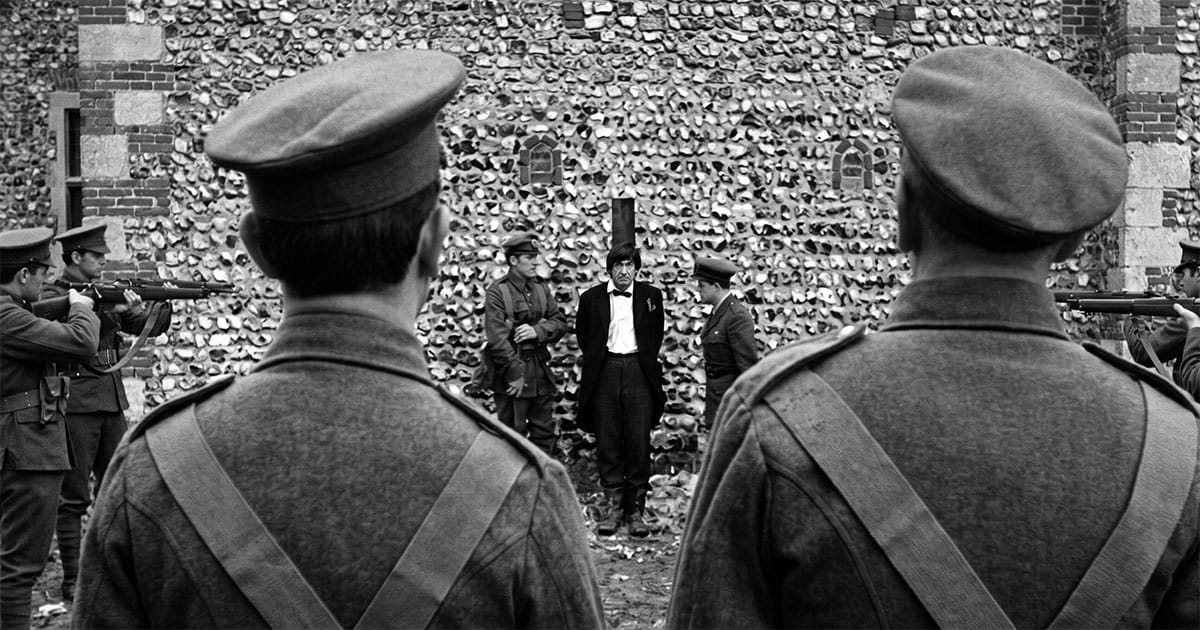
Long before the Time Lords became central to “Doctor Who” mythology, they first appeared in “The War Games.”
Originally broadcast in 1969, the massive ten-part story follows soldiers from different wars mysteriously trapped together by alien manipulators. The scale feels unusually ambitious for the era. Roman soldiers, Confederate troops, and World War I fighters collide inside a science fiction conspiracy.
More importantly, the story ends the era of Patrick Troughton and permanently changes the series. The Time Lords force the Doctor to regenerate and exile him to Earth. In many ways, modern “Doctor Who” mythology begins here.
“Spearhead from Space”
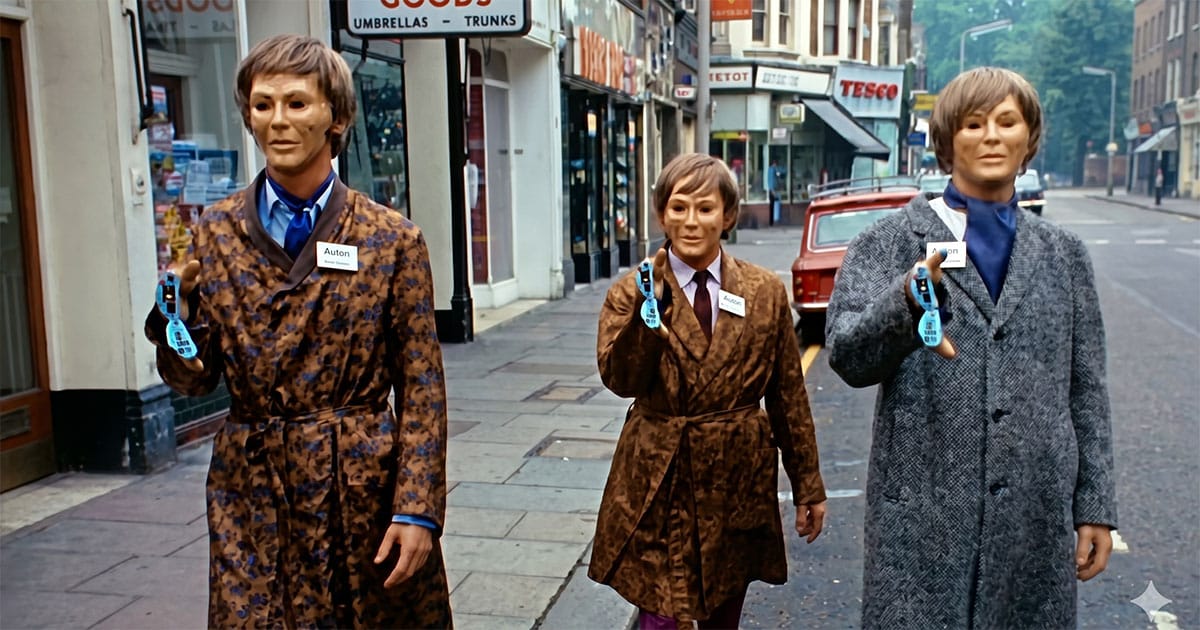
“Spearhead from Space” launched the Third Doctor era and moved the series into color television. The timing mattered. Television itself was changing, and “Doctor Who” adapted without losing its identity.
Jon Pertwee played the Doctor more like an action hero than his predecessors. He drove fancy cars, fought hand-to-hand battles, and insulted military officials with style.
The Autons also made a memorable debut. Killer plastic mannequins may sound silly on paper, but the concept tapped directly into everyday fears about modern consumer culture.
“Genesis of the Daleks”
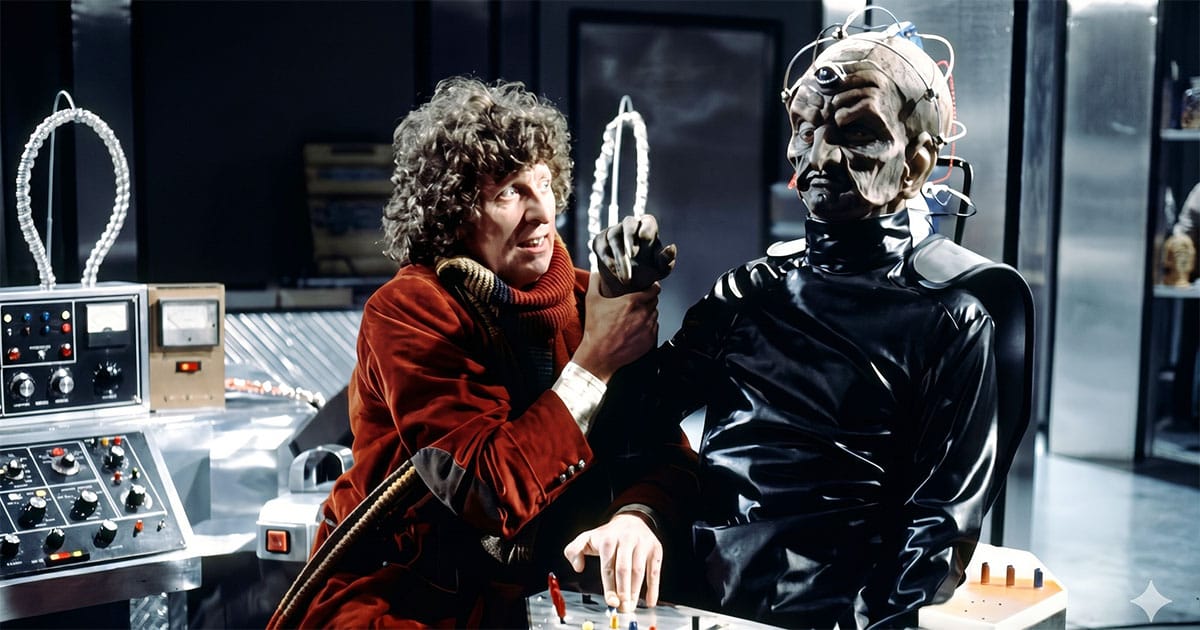
If one story defines classic “Doctor Who,” this may be it.
Originally broadcast in 1975, “Genesis of the Daleks” explores the creation of the Daleks and asks whether evil should be destroyed before it can spread. The Doctor faces a moral question that science fiction returns to again and again. If a man could stop future horrors before they begin, should he?
This story also contains peak Tom Baker. Baker balances humor, intelligence, moral seriousness, and absurdity almost effortlessly. He feels ancient and childlike at the same time.
Many fans still regard this as the greatest “Doctor Who” story ever produced.
“City of Death”
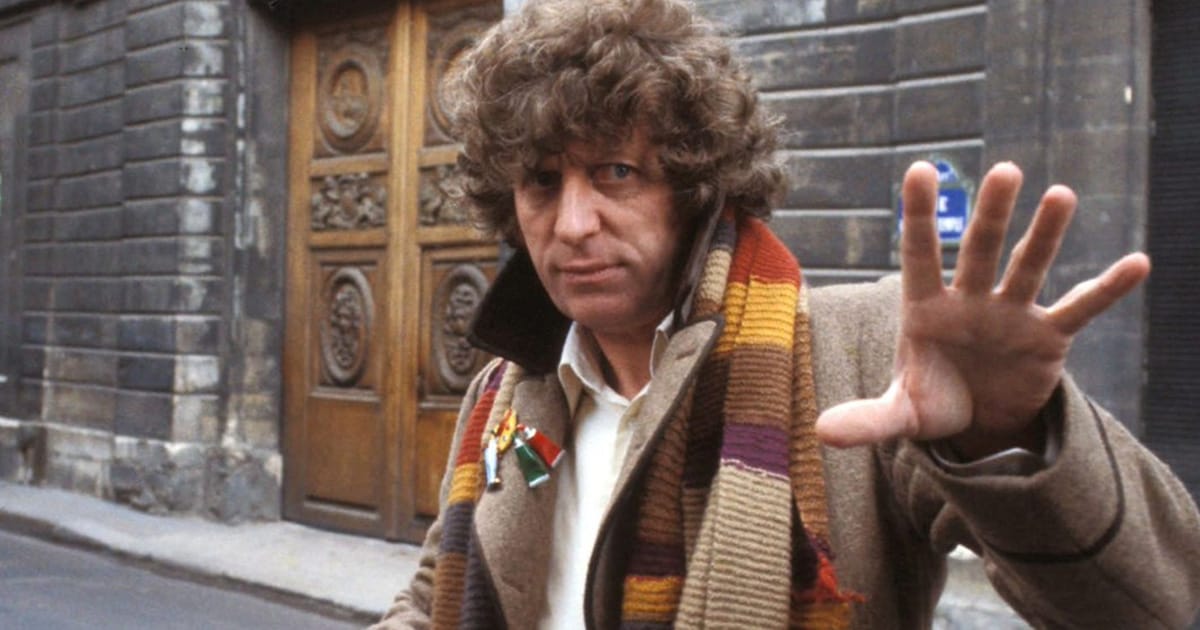
If “Genesis of the Daleks” represents the serious side of Tom Baker, “City of Death” captures his comic brilliance.
Partly written by Douglas Adams before “The Hitchhiker’s Guide to the Galaxy” became famous, the 1979 serial mixes time travel, alien conspiracies, art theft, and absurd humor in a way few science fiction shows could manage.
Paris gives the story unusual visual energy for classic “Doctor Who.” Baker and Lalla Ward also share excellent chemistry throughout. Many longtime fans consider this the most entertaining story the series ever produced.
“The Five Doctors”
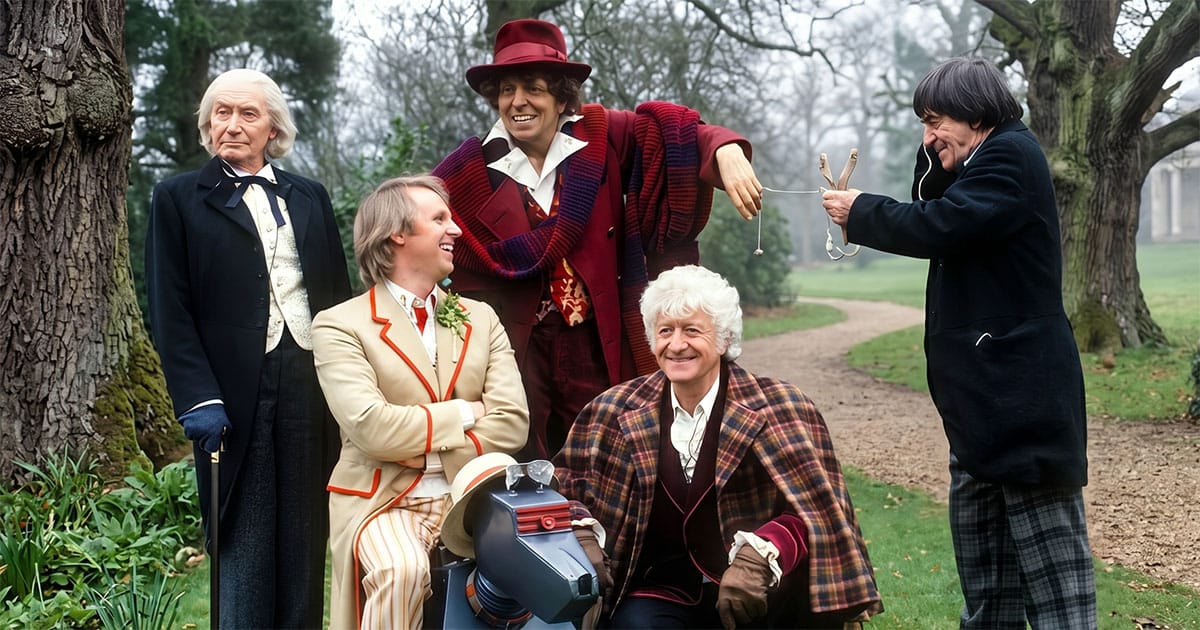
Anniversary specials often collapse under nostalgia. “The Five Doctors” somehow avoids that trap.
The 1983 special brought together multiple incarnations of the Doctor along with classic companions and villains. The plot almost does not matter. The fun comes from watching different versions of the character interact.
The special also reminds viewers that “Doctor Who” works because each Doctor reflects his era while remaining recognizably the same man underneath.
“The Caves of Androzani”
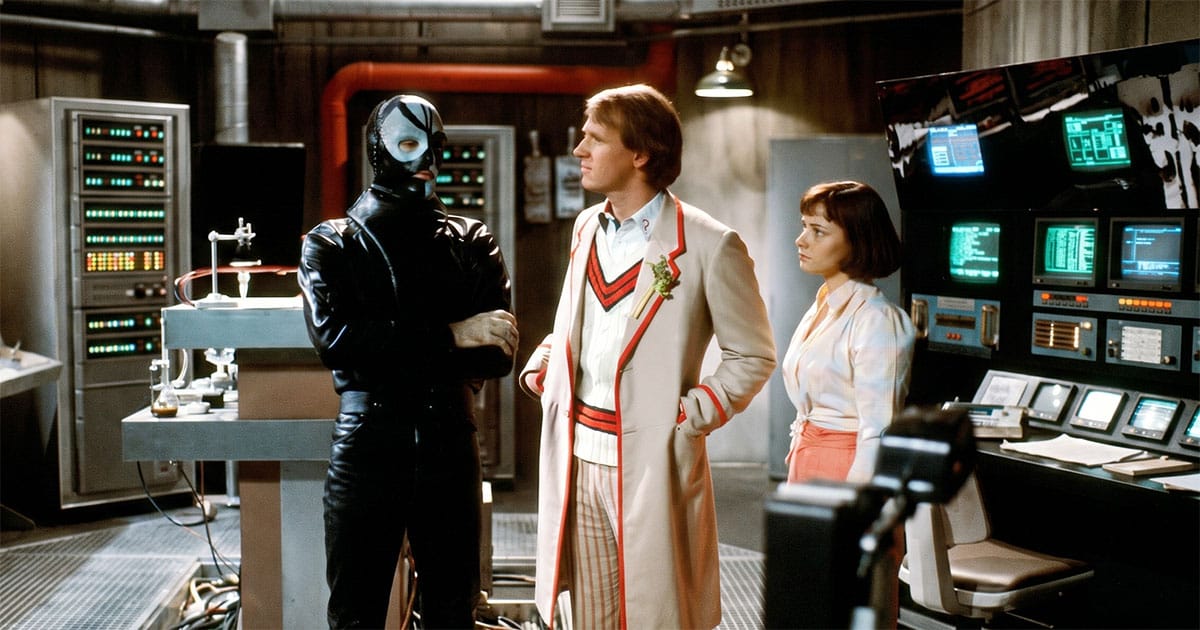
Some Doctors receive a perfect farewell story. Others do not. Peter Davison was fortunate.
“The Caves of Androzani,” first broadcast in 1984, drops the Doctor into a brutal conflict involving smugglers, mercenaries, corrupt politicians, and deadly spectrox poisoning. The story feels harsher and more cynical than many earlier adventures.
Davison delivers perhaps the strongest performance of his tenure as the Doctor slowly sacrifices himself to save companion Peri. The regeneration sequence remains one of the most emotional endings in the classic series.
“Rose”
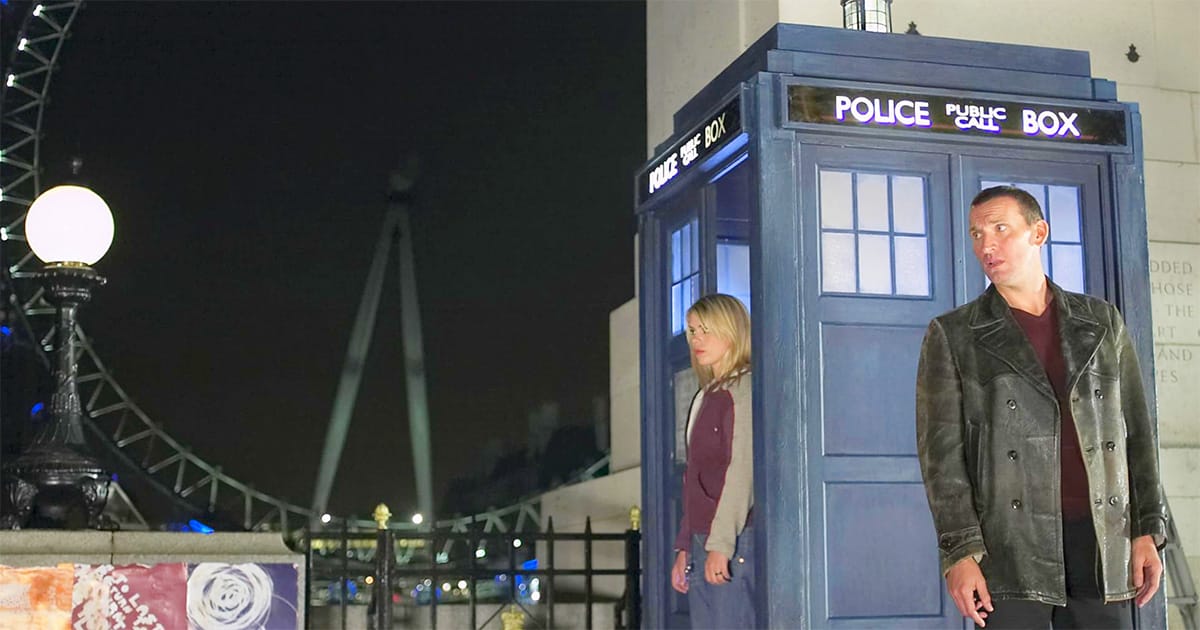
By 2005, many assumed “Doctor Who” belonged to television history. Then “Rose” arrived and revived the franchise for a new generation.
Christopher Eccleston brought intensity and emotional weight to the role. His Doctor carried visible trauma from the unseen Time War, giving the character new depth.
The episode also wisely focused on companion Rose Tyler before fully explaining the Doctor. That decision grounded the story in ordinary human experience rather than science fiction mythology.
“Dalek”
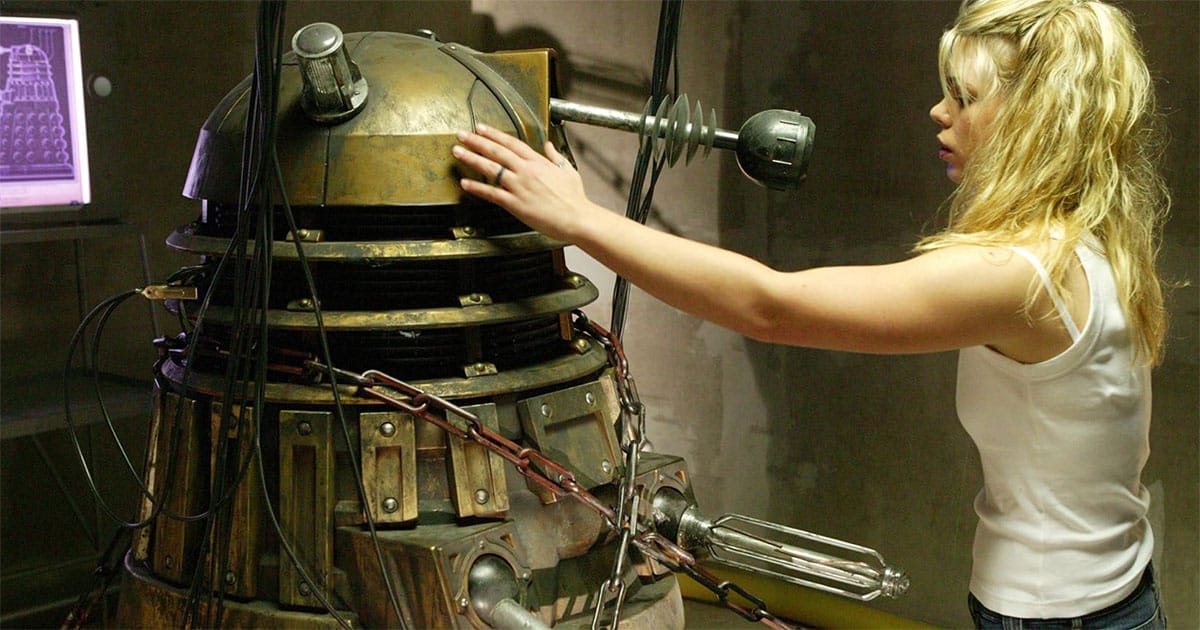
Modern audiences knew the Daleks by reputation, but “Dalek” reminded viewers why the monsters mattered.
The episode traps a single Dalek in a confined setting and still makes it terrifying. More importantly, it reveals how damaged the Doctor himself has become after war.
Eccleston delivers one of the best performances in the revival series. His anger toward the Dalek feels personal and frightening. For a moment, viewers wonder whether the Doctor himself might become the monster.
“Blink”
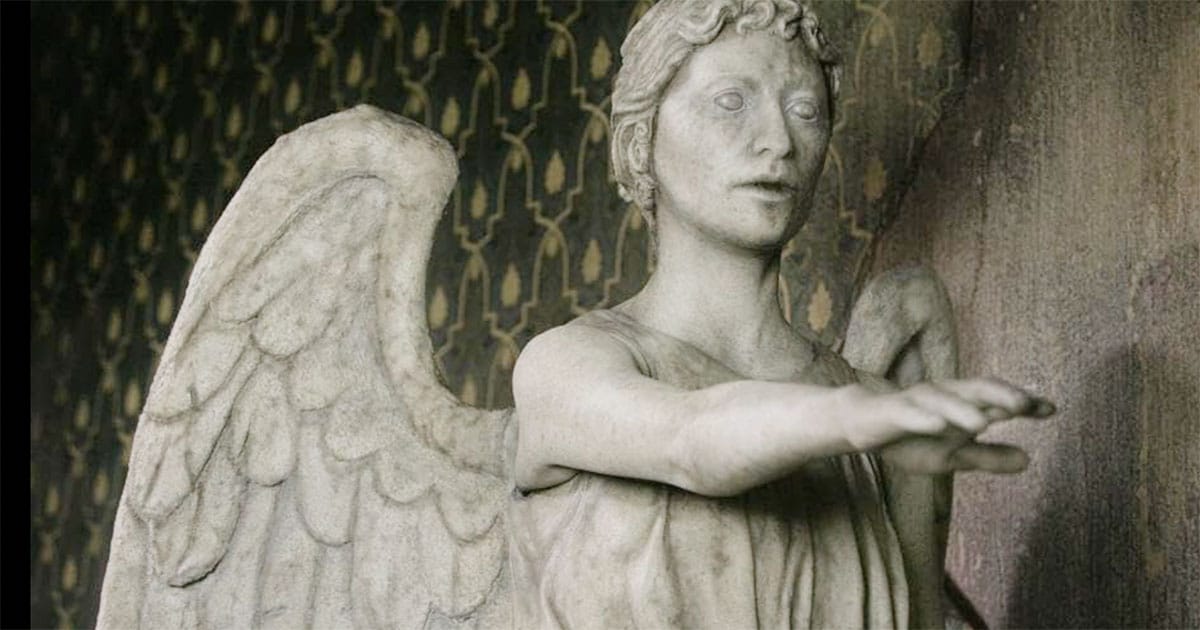
Some episodes succeed because they barely use the Doctor at all.
“Blink” introduces the Weeping Angels, creatures that move only when unseen. The concept feels wonderfully simple in the tradition of classic science fiction horror. A statue should not move. Therefore, when it does, panic follows naturally.
The episode also demonstrated how flexible “Doctor Who” could become under writer Steven Moffat. It remains one of the easiest episodes to recommend to newcomers.
“The Eleventh Hour”
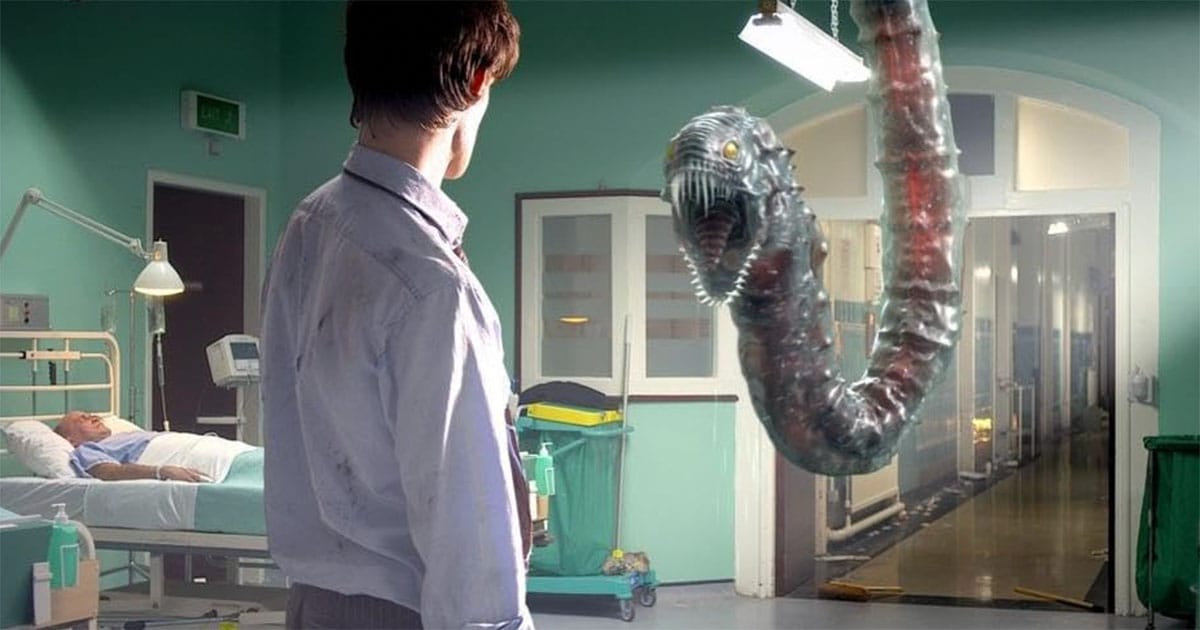
Replacing a popular Doctor is always dangerous. Replacing David Tennant seemed nearly impossible.
Then Matt Smith arrived with wild energy, awkward physical comedy, and sudden moments of ancient authority. “The Eleventh Hour” quickly established his version of the Doctor as both alien and deeply compassionate.
The episode also introduced Amy Pond, one of the revival era’s strongest companions. Her relationship with the Doctor gave the series emotional stability for years.
“Vincent and the Doctor”
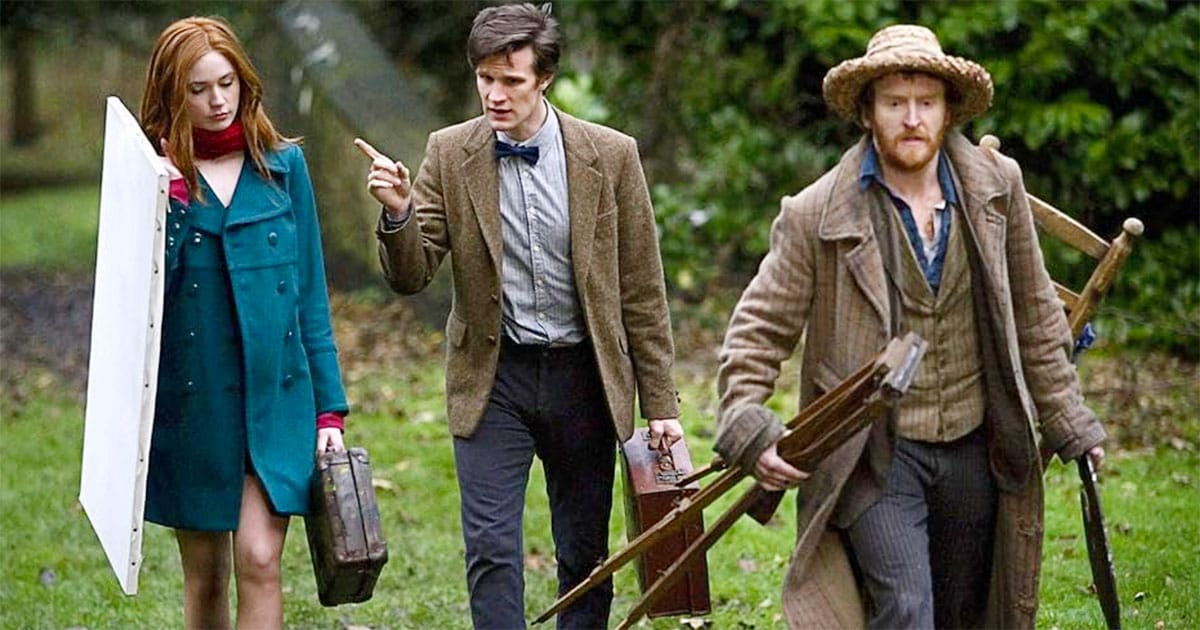
Science fiction rarely handles historical figures with emotional honesty. “Vincent and the Doctor” succeeds because it treats Vincent van Gogh as a human being rather than a caricature.
The episode acknowledges Van Gogh’s suffering without turning him into a cliché. It also recognizes an uncomfortable truth. Great art does not always rescue a man from loneliness or despair.
The final museum sequence remains one of the most emotional scenes in modern “Doctor Who.” Even hardened science fiction fans may suddenly need to clear their throats during the final minutes.
“The Day of the Doctor”
The 50th anniversary special had enormous expectations attached to it. Somehow it delivered.
The story united multiple Doctors while rewriting the Time War mythology that had haunted the modern series since 2005. More importantly, it restored hope to the character.
John Hurt brought gravity and sadness to the Doctor's hidden incarnation. Meanwhile, Tennant and Smith reminded viewers that the series still worked best when balancing humor with moral conviction.
| Doctor | Years Active | Actor |
|---|---|---|
| First Doctor | 1963–1966 | William Hartnell |
| Second Doctor | 1966–1969 | Patrick Troughton |
| Third Doctor | 1970–1974 | Jon Pertwee |
| Fourth Doctor | 1974–1981 | Tom Baker |
| Fifth Doctor | 1982–1984 | Peter Davison |
| Sixth Doctor | 1984–1986 | Colin Baker |
| Seventh Doctor | 1987–1989 | Sylvester McCoy |
| Eighth Doctor | 1996 | Paul McGann |
| War Doctor | 2013 | John Hurt |
| Ninth Doctor | 2005 | Christopher Eccleston |
| Tenth Doctor | 2005–2010 | David Tennant |
| Eleventh Doctor | 2010–2013 | Matt Smith |
| Twelfth Doctor | 2013–2017 | Peter Capaldi |
| Thirteenth Doctor | 2017–2022 | Jodie Whittaker |
| Fourteenth Doctor | 2023 | David Tennant |
| Fifteenth Doctor | 2023–present | Ncuti Gatwa |
“Heaven Sent”
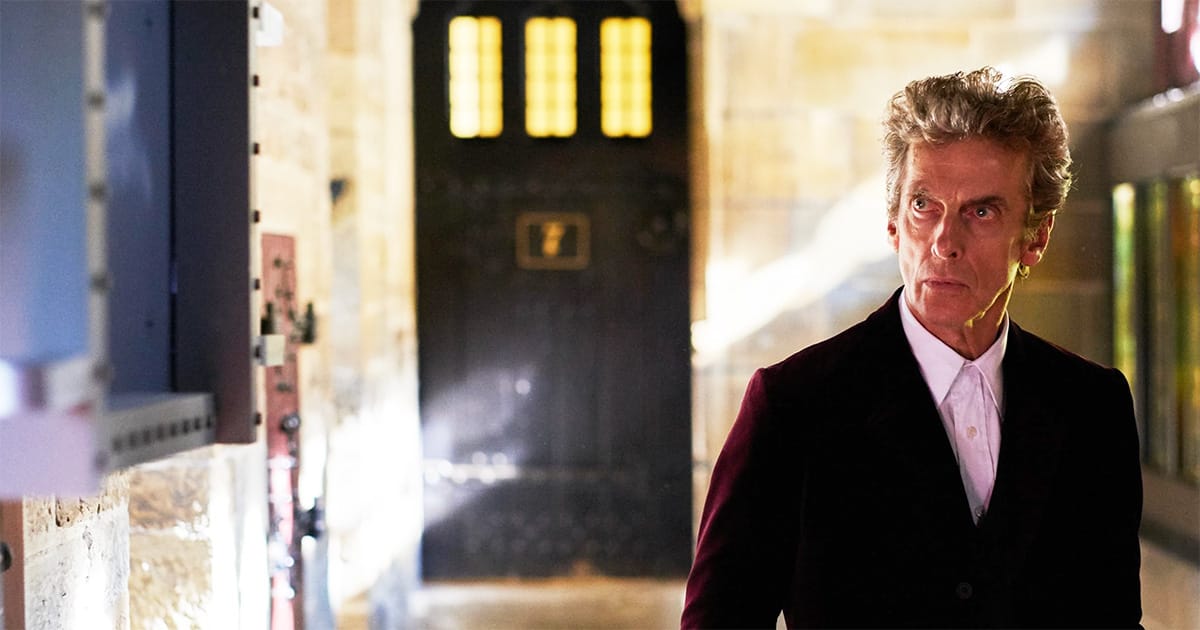
“Heaven Sent” may be the boldest episode the series ever attempted.
For much of the runtime, Peter Capaldi performs alone inside a shifting castle while pursued by a nightmare creature. The episode becomes a meditation on grief, endurance, and identity.
Capaldi’s performance is extraordinary. Older fans especially appreciated his version of the Doctor because he felt closer to the classic era. He relied less on youthful charm and more on intelligence, moral seriousness, and sheer force of personality.
Why These Stories Matter
The best “Doctor Who” episodes endure because they remember something many modern science fiction franchises forget. Spectacle alone is not enough.
At its best, “Doctor Who” tells stories about courage, sacrifice, curiosity, and the stubborn belief that intelligence matters more than violence. Even the wildest episodes usually center on deeply human questions about morality, fear, loyalty, or hope.
That is why the series continues after more than six decades. Beneath the monsters, spaceships, and time paradoxes, the Doctor still represents an old-fashioned idea that many viewers miss in modern entertainment. A good man with a sharp mind and a sense of duty can still make a difference in the universe.