
The Space Age Future of Classic Science Fiction Lives On
Explore floating globes, UFO lamps, levitating speakers, and cosmic decor inspired by classic science fiction films like "2001 A Space Odyssey" and "Interstellar."

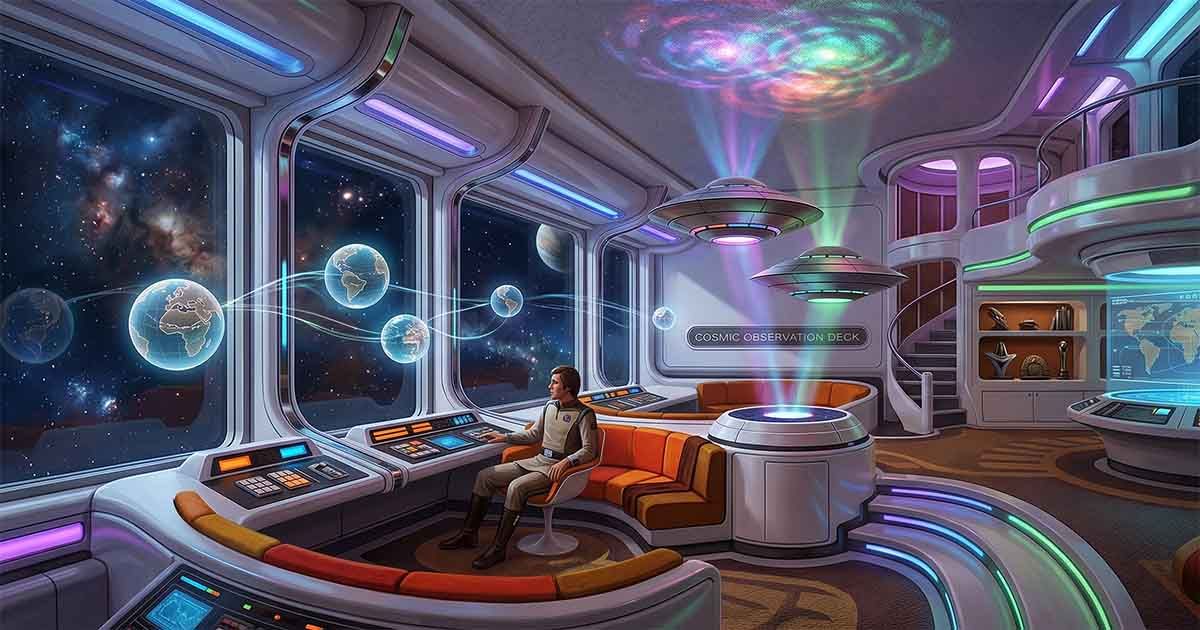
Classic science fiction often imagined the future through atmosphere as much as machinery. Films from the late twentieth century filled their interiors with glowing surfaces, suspended objects, soft electronic light, and vast celestial imagery. The future did not simply arrive through rockets or computers. It appeared through the transformation of ordinary rooms into places shaped by curiosity and speculation.
That visual language became one of the defining features of films like "2001 A Space Odyssey" and "Close Encounters of the Third Kind." Observation rooms drifted in silence beneath artificial light while strange objects floated against dark backgrounds filled with stars. These films treated space not as chaos, but as something calm, ordered, and deeply mysterious. Their futuristic environments carried the quiet confidence of an age that believed exploration still mattered.
Decades later, those images continue to shape the modern imagination. Floating planets, illuminated galaxies, and miniature spacecraft still suggest discovery, engineering, and humanity's enduring fascination with the unknown. The appeal is not rooted in novelty alone. These objects preserve the visual spirit of the space age and the optimistic futurism that once defined American science fiction.
Orbital Sound
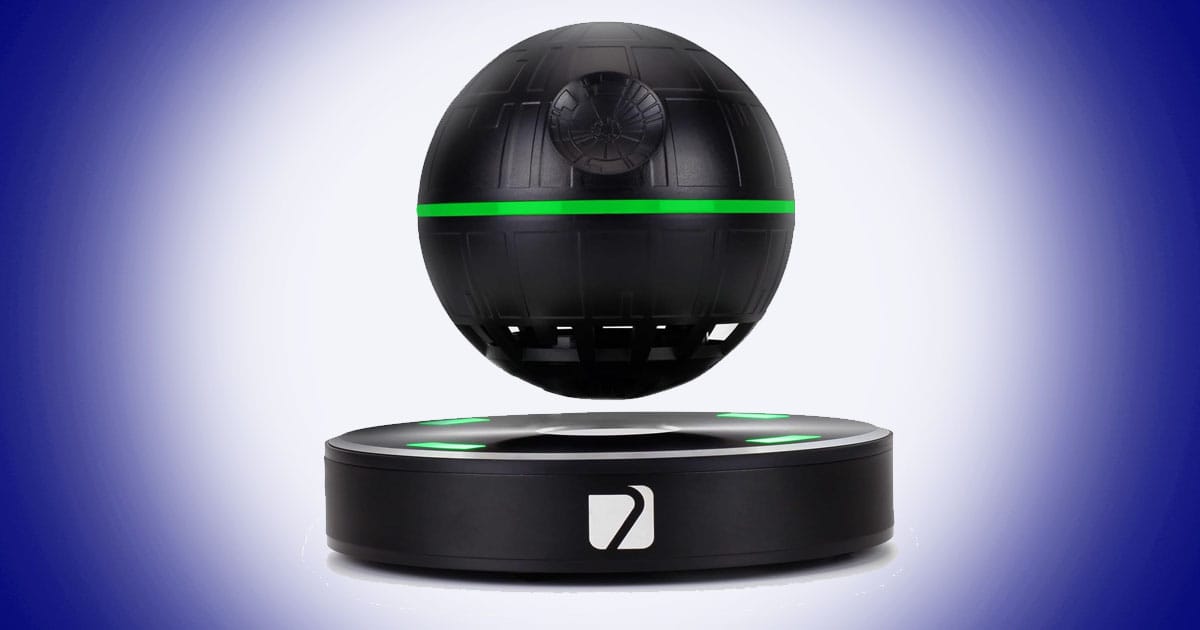
The floating speaker recalls the kind of technology that once appeared only in the background of classic science fiction films. Its suspended design creates the illusion of an object held in place by forces beyond ordinary engineering.
The slow rotation and circular lighting give it the quiet presence of a control room artifact from "2001 A Space Odyssey" or an experimental device from Cold War era speculative fiction. Even when silent, it changes the atmosphere of a room through motion, symmetry, and the enduring fascination of the space age.
Silent Visitor
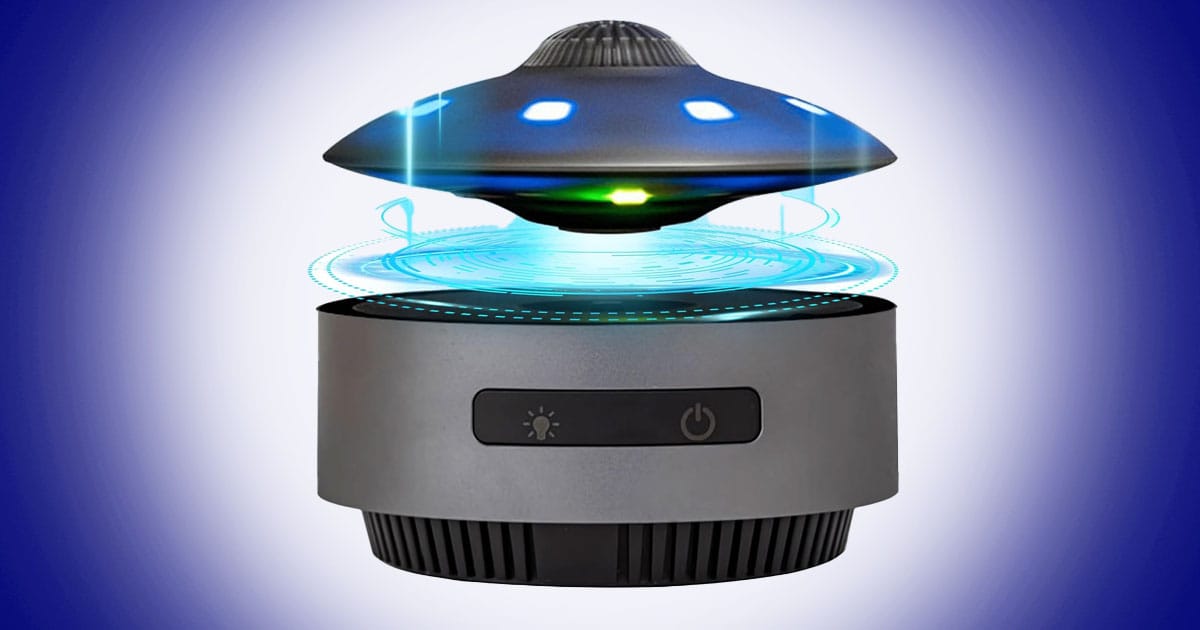
The floating UFO speaker feels like a prop recovered from the era when science fiction treated extraterrestrial contact with seriousness and restraint. Its suspended shape recalls the hovering craft that appeared throughout American cinema during the 1970s and 1980s.
The slow rotation creates the impression of controlled movement rather than spectacle. In a darkened room, the glowing disc resembles the kind of unidentified object that once drifted across radar screens, desert highways, and lonely farmland in films like "Close Encounters of the Third Kind."
Endurance Unit
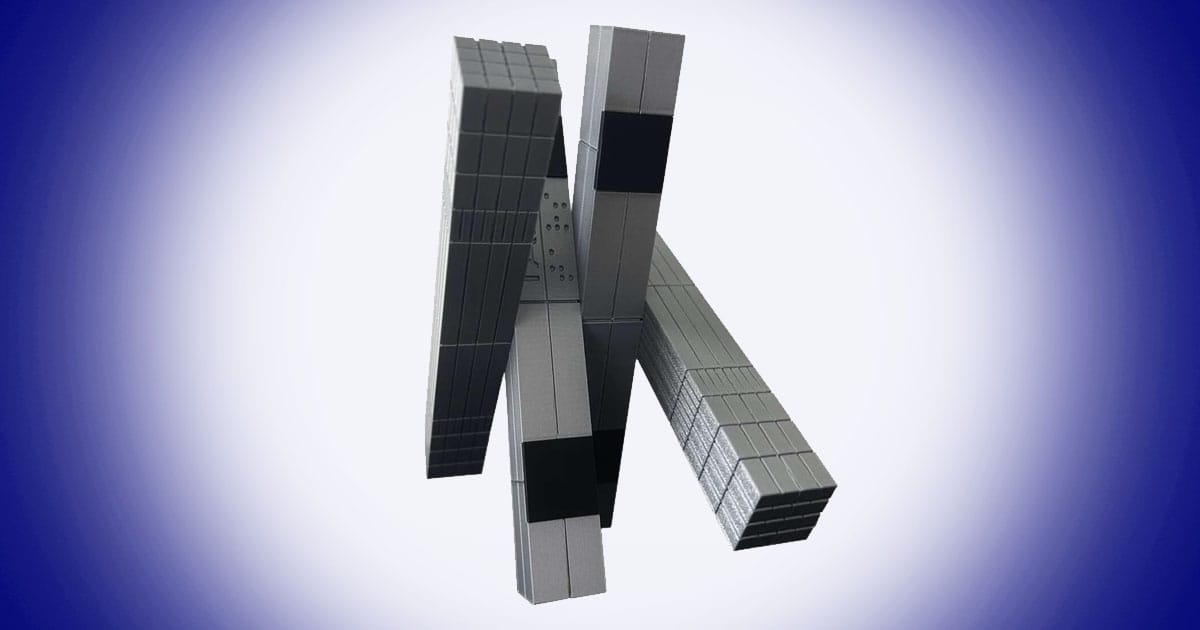
The robot model captures the severe industrial design that gave "Interstellar" much of its realism and emotional weight. Unlike the polished androids common in earlier science fiction, TARS appeared functional, durable, and built for survival in hostile conditions.
The rectangular frame and mechanical simplicity reflected a future shaped by engineering rather than ornament. Displayed on a shelf or desk, the figure recalls the grounded visual style that helped "Interstellar" present deep space as both majestic and unforgiving.
Cosmic Glow
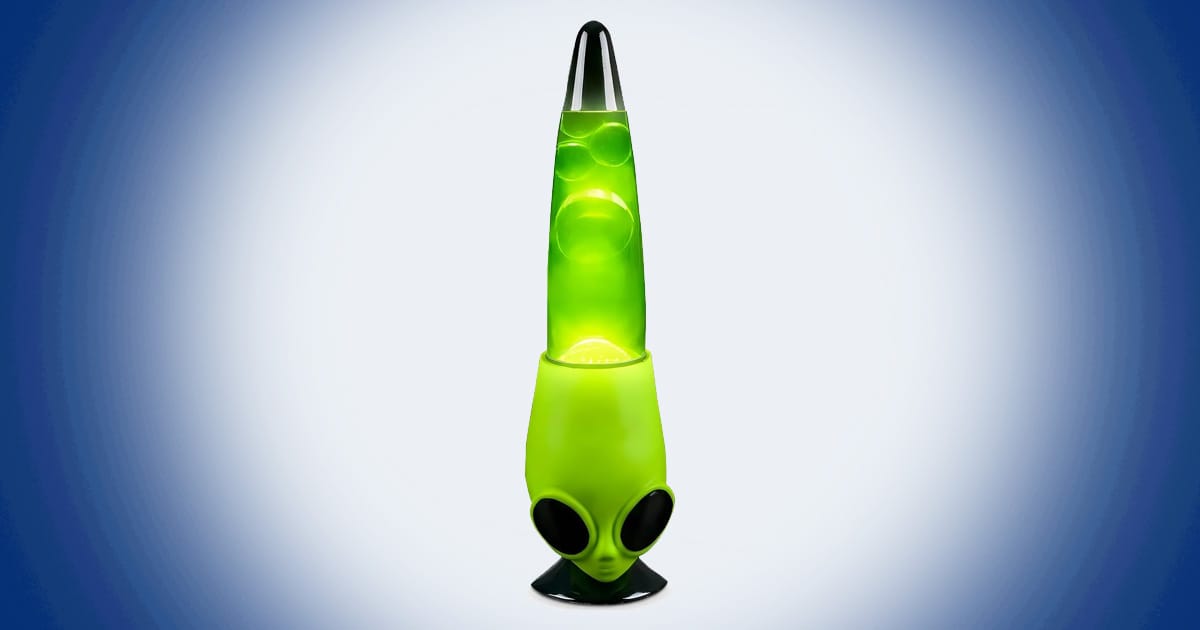
The alien head motion lamp recalls the period when science fiction embraced the strange and unexplained with wide-eyed fascination. Its glowing green surface and drifting wax patterns resemble the psychedelic imagery that filled bookstores, arcades, and late night television during the UFO obsession of the 1970s.
The lamp feels playful without losing its connection to classic extraterrestrial mythology. Sitting in a dark room, it creates the kind of eerie atmosphere that once surrounded stories of unexplained lights, distant signals, and visitors from beyond the stars.
Tractor Beam
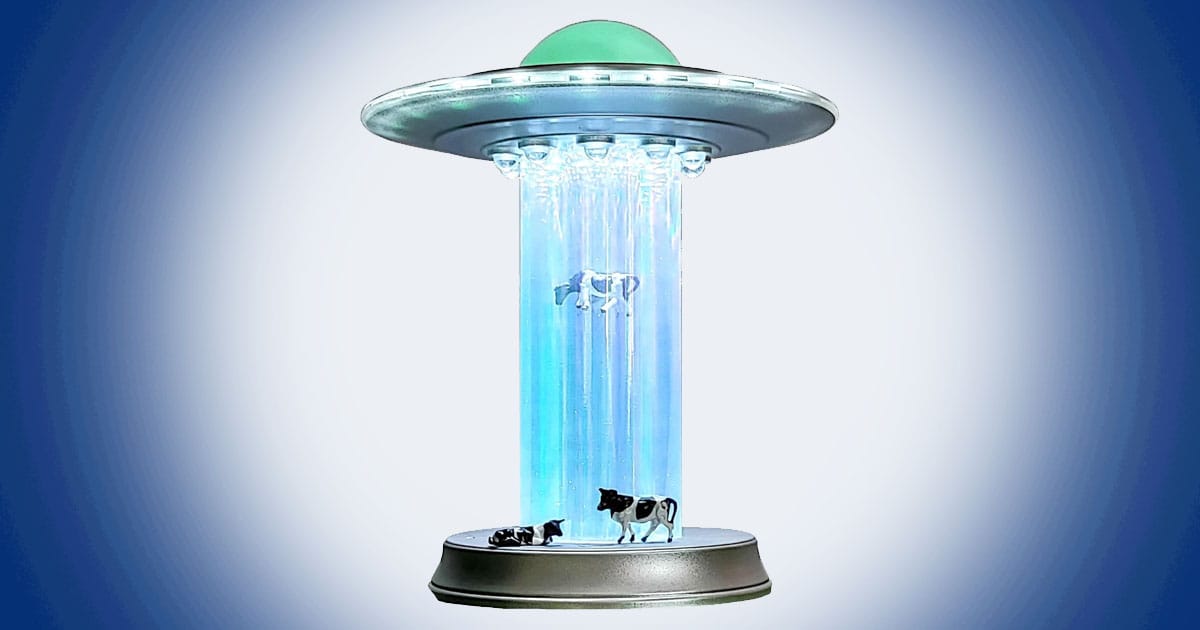
The UFO abduction lamp captures one of the strangest recurring images in American science fiction culture. During the late twentieth century, stories of mysterious lights, vanished cattle, and silent spacecraft became part of roadside folklore and late night television alike.
The glowing beam and suspended figures recreate that atmosphere with surprising accuracy. Its design recalls the era when films and paperback novels treated alien visitation as both unsettling and strangely believable. The result feels less like comedy and more like a preserved fragment from the great UFO obsession of the 1970s.
Zero Gravity
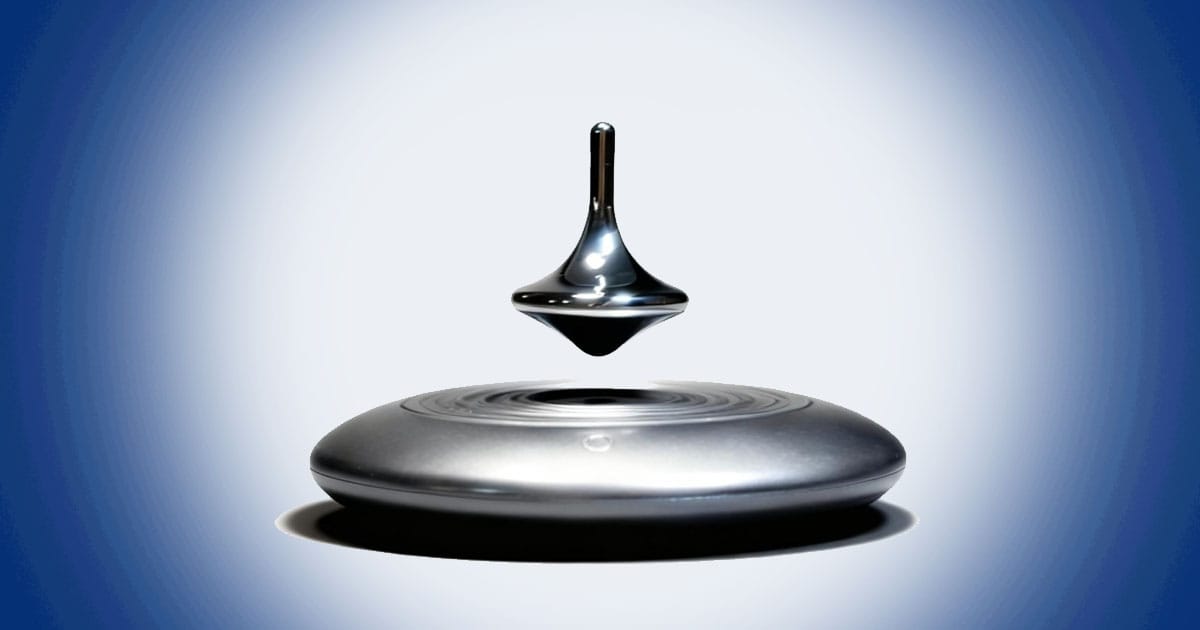
The levitating gyroscope resembles the kind of scientific instrument once placed on the desks of astronauts, physicists, and mission controllers in classic science fiction films. Its floating motion creates the illusion of perfect mechanical balance held in suspension against gravity itself.
The silent rotation recalls the calm precision that defined the visual design of movies like "2001 A Space Odyssey" and television programs from the height of the space race. More than simple desk decor, it captures the belief that advanced technology should appear elegant, controlled, and almost mysterious.
Celestial Drift
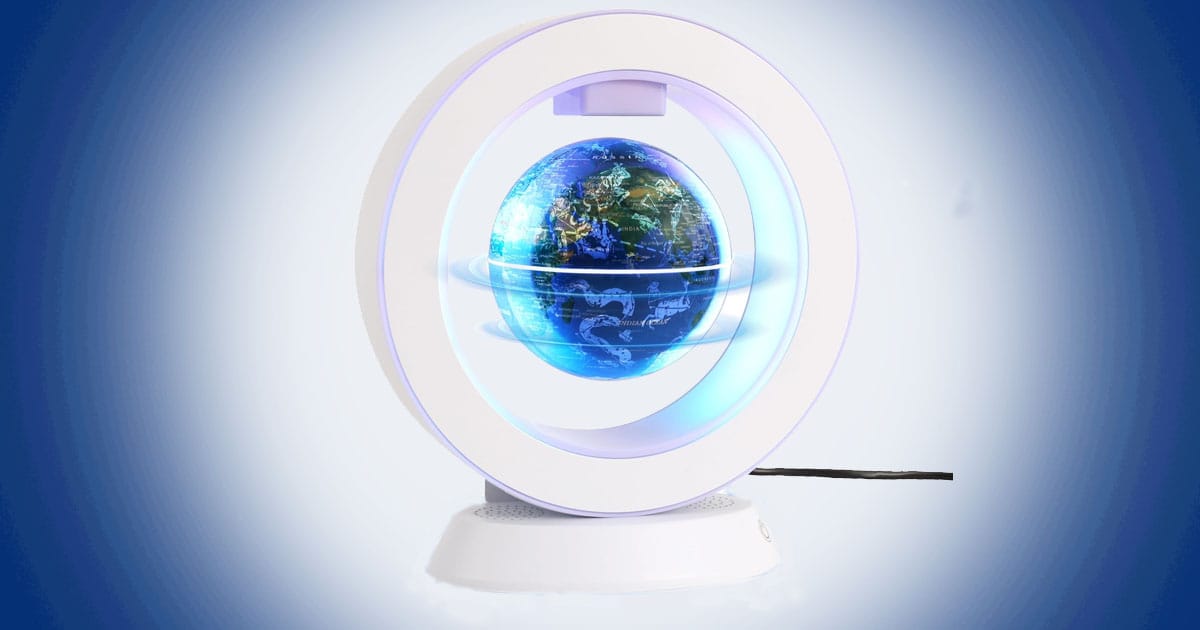
The floating globe speaker captures the optimistic spirit that once defined educational science fiction and the early space age. Its illuminated constellations and slow rotation resemble the classroom planetariums and orbital displays that inspired generations of young readers and filmgoers.
The design reflects a period when astronomy, engineering, and exploration occupied a central place in American culture. Suspended above its base in silence, the globe creates the impression of a miniature world held in orbit, echoing the calm futurism that shaped television and cinema throughout the twentieth century.
Deep Silence
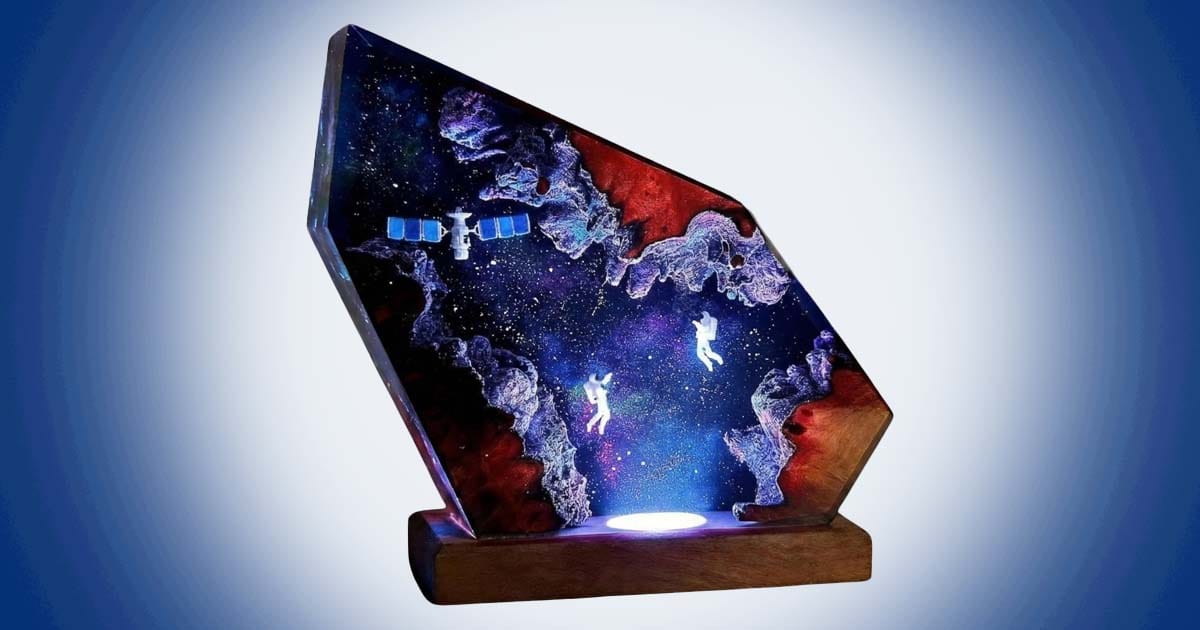
The astronaut resin lamp captures the reflective side of modern science fiction that emerged after the optimism of the early space race faded. Its floating figure suspended inside glowing cosmic imagery recalls films like "Interstellar" and later works that treated space exploration as lonely, immense, and deeply human.
The soft illumination creates the feeling of a distant observation window drifting through interstellar darkness. Rather than presenting the future as a mechanical spectacle, the lamp reflects the quieter emotional atmosphere that came to define twenty-first-century science fiction.