
Mentats And Human Minds Against Machines In Dune
Mentats in Dune represent human computation after the ban on thinking machines, with figures like Thufir Hawat and Piter de Vries illustrating both the precision and limits of disciplined logic.

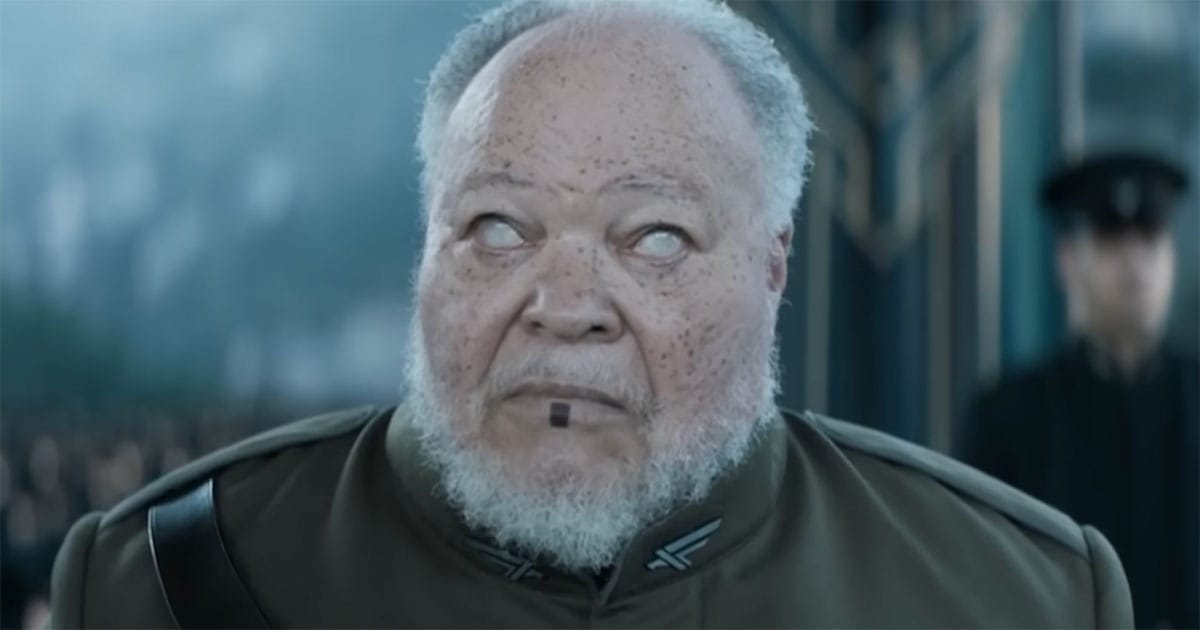
The Mentat stands as one of the most disciplined and enduring ideas in "Dune." It is not a single character but a role shaped by necessity and refined through training.
In a civilization that has turned away from machines that think, the Mentat becomes the answer to a problem that never truly disappears. Calculation, prediction, and strategy must still exist.
This figure appears at the edge of power rather than at its center. Thufir Hawat serves with loyalty and caution, while Piter de Vries embodies a colder and more dangerous application of the same training. Together, they define the range of the Mentat. They are not mystical beings, but they are more than ordinary men.
The Mentat is therefore both practical and symbolic. It answers a technical need while reflecting a deeper belief in human potential. Herbert presents the Mentat as a reminder that the mind itself can be shaped into an instrument of remarkable precision. It is a concept rooted in restraint rather than excess.
| FIELD | DETAILS |
|---|---|
| Name | Mentat |
| Affiliation | Servants of the Great Houses; Imperial court advisers; trained human order within the Imperium |
| First Appearance | "Dune" by Frank Herbert, 1965 |
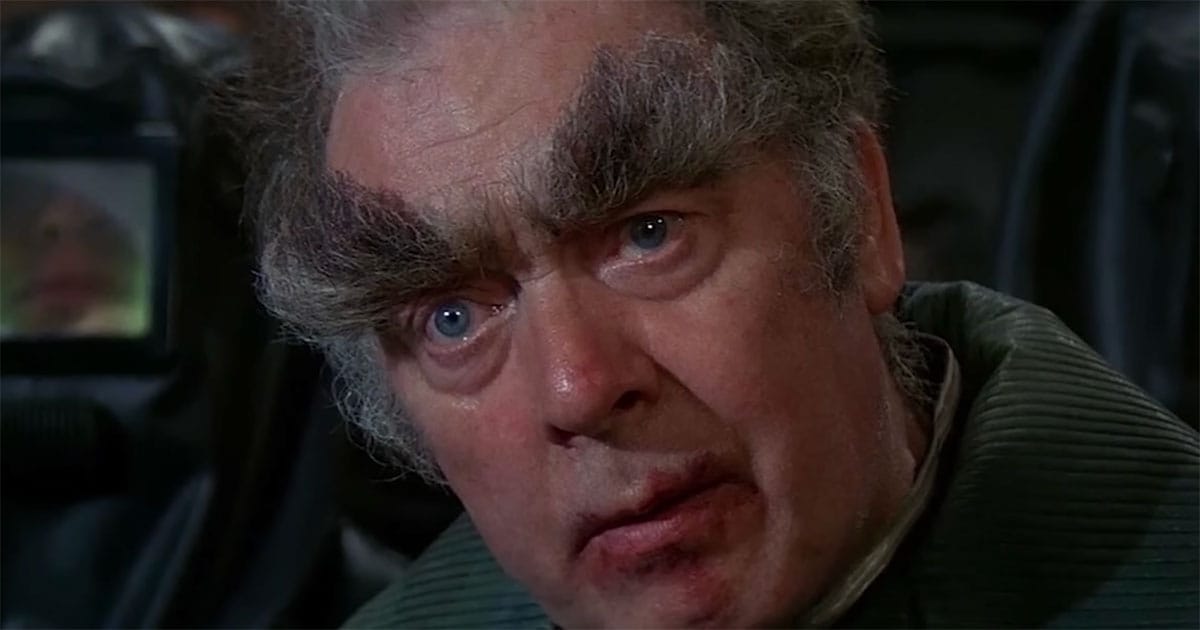
| Portrayed In Film By | Stephen McKinley Henderson (Thufir Hawat), David Dastmalchian (Piter de Vries) in "Dune" (2021); Brad Dourif (Piter de Vries) in "Dune" (1984) |
| Portrayed In Miniseries By | Jan Vlasák (Thufir Hawat), Jan Unger (Piter de Vries) in "Frank Herbert’s Dune" (2000) |
| Role | Human computers who perform advanced analysis, strategy, and political calculation in a machine-free society |
| Description | Mentats are individuals trained from childhood to process information with extraordinary speed and precision, effectively replacing banned thinking machines in the Imperium. Through disciplined logic, memory conditioning, and analytical rigor, they advise rulers on matters of war, politics, and survival. Figures such as Thufir Hawat and Piter de Vries demonstrate both the strengths and limitations of Mentat reasoning, revealing that even the most refined intellect remains dependent on the quality of its assumptions. |
Origins And Context
The rise of the Mentat begins with a prohibition. Long before the events of "Dune," humanity rejected thinking machines in the wake of the Butlerian Jihad.
This was not a minor reform but a civilizational turning point. The ban reshaped every structure of knowledge and power in the Imperium.
Without machines to perform complex calculations, society turned inward. Specialized schools emerged to cultivate human capabilities to an extreme degree.
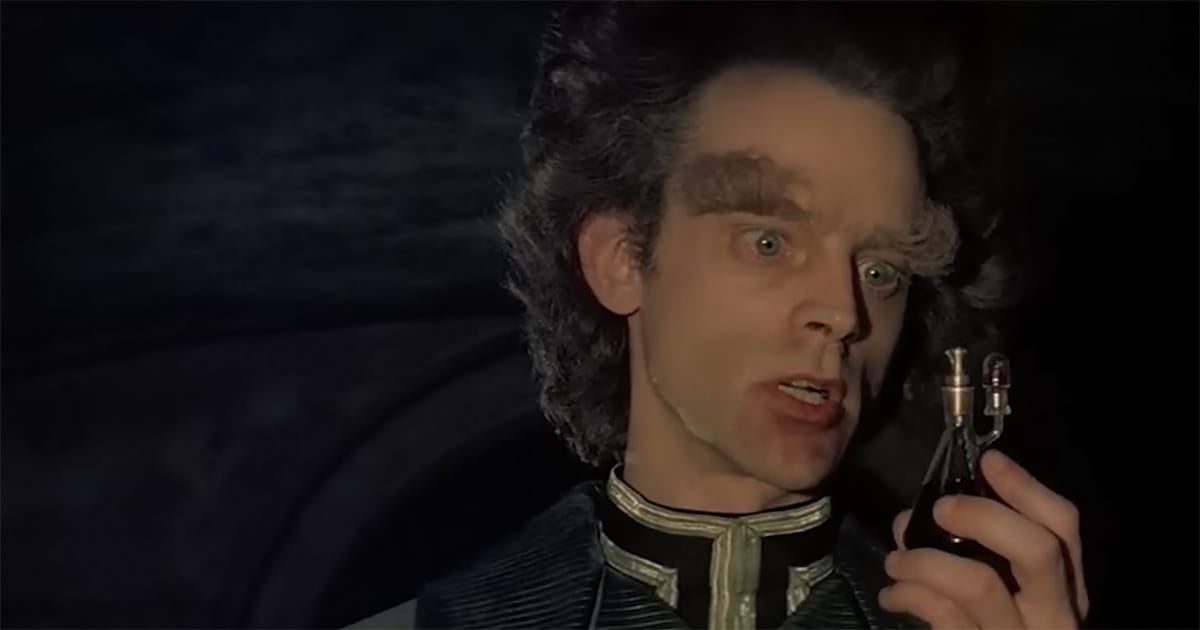
The Mentat was one such development, alongside the Bene Gesserit and the Spacing Guild. Each discipline addressed a different need, yet all shared the same origin in limitation.
The Mentat belongs to this broader system. He is not an isolated genius but a product of institutional training and cultural design. Noble houses rely on Mentats in the same way they rely on armies or alliances. The role is embedded in the fabric of the Imperium and persists across generations.
This context matters because it clarifies the Mentat's purpose. He is not a curiosity or an ornament. He is a necessary adaptation in a world that has chosen to forbid certain forms of technology while preserving the need those technologies once fulfilled. The Mentat reflects a society that fears dependence on machines yet cannot abandon calculation.
Training And Capabilities
A Mentat is trained from an early age through rigorous mental discipline. Memory exercises, logical frameworks, and analytical conditioning form the core of this education.
Over time, the individual learns to process large amounts of information with speed and precision. The result resembles computation, though it remains entirely human in method and limitation.
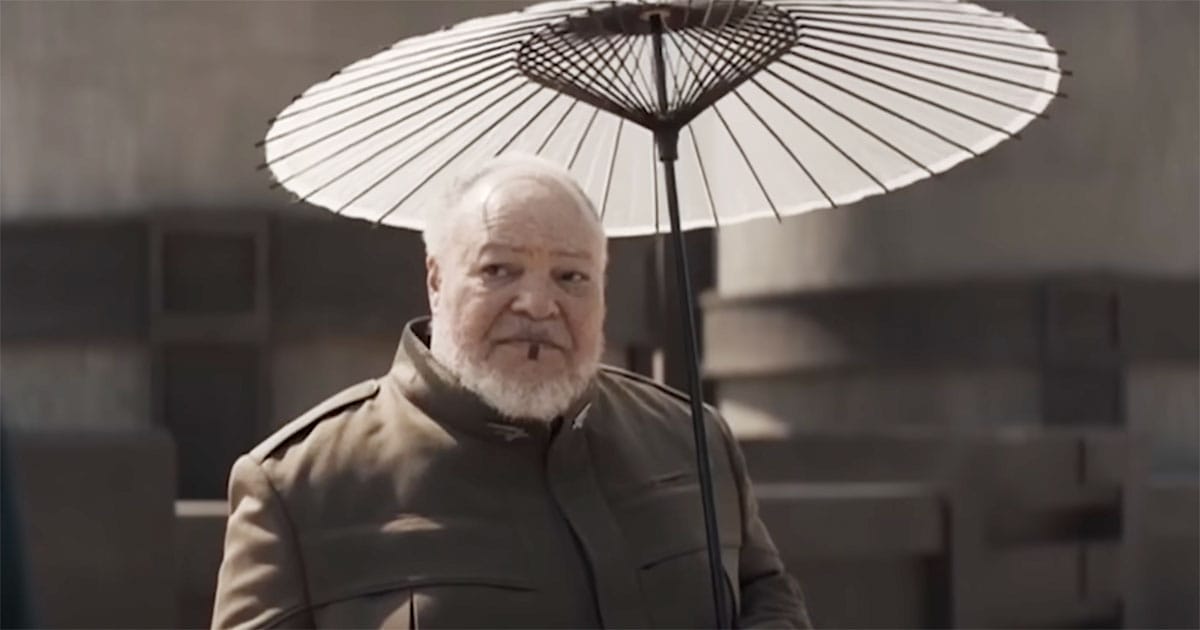
Sapho juice is sometimes used to enhance this process. It sharpens awareness and supports concentration, though it does not define the role. The true foundation of the Mentat lies in training rather than chemical aid. The mind itself is the primary instrument, shaped through repetition and control.
Despite their abilities, Mentats are not infallible. Their conclusions depend on the quality of the data they receive and the assumptions they accept. They do not possess prescience or supernatural insight. Their strength lies in disciplined reasoning, not in vision beyond time.
This distinction is essential. The Mentat represents the height of structured thought, but he remains bound by the same limitations that govern all human reasoning. His brilliance is real, yet it is never absolute or beyond error.
Role In The Story
Within "Dune," the Mentat operates as a counselor at the center of political life. Thufir Hawat serves House Atreides with long experience and careful judgment. He manages intelligence, evaluates threats, and advises Duke Leto on matters of survival. His presence reflects stability, memory, and disciplined caution.
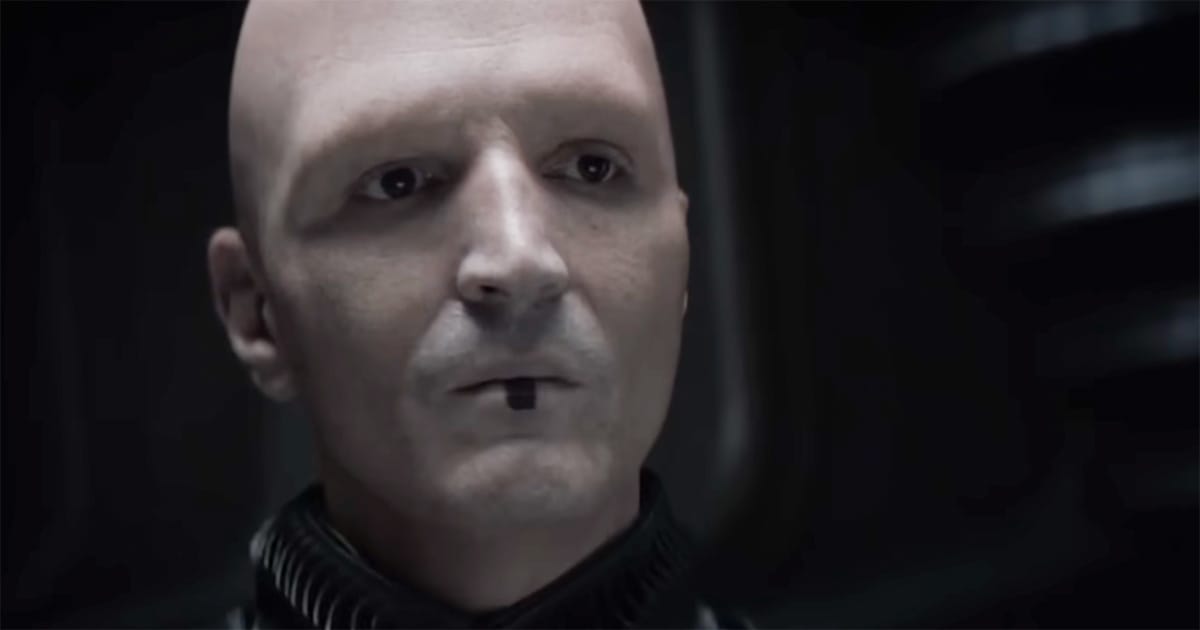
Opposing him is Piter de Vries, who serves House Harkonnen. His methods are equally precise but directed toward manipulation and cruelty. The contrast between the two men shows that Mentat training does not determine moral character. It sharpens the mind without guiding the conscience or restraining intent.
Paul Atreides also receives elements of Mentat training. This early conditioning contributes to his analytical habits and his ability to assess complex situations. It forms part of the foundation on which his later development rests. The influence is subtle but important in shaping his approach to power.
The story also reveals the limits of Mentat reasoning. Hawat misjudges a critical situation due to flawed assumptions and planted evidence. His logic remains sound, yet the outcome is wrong. Herbert uses this moment to demonstrate that even the most disciplined intellect can be led astray when its premises are corrupted or incomplete.
Meaning And Enduring Appeal
The Mentat endures because it offers a vision of human capability shaped by restraint. It suggests that limitation can produce refinement rather than decline. In this sense, the Mentat reflects a classical science fiction concern with the disciplined mind and the structures that shape it.
For readers, the appeal lies in this balance. The Mentat is powerful, yet recognizably human. He stands as both achievement and warning, a figure shaped by reason and constrained by it. The idea remains compelling because it treats intellect as both a tool and a responsibility.
Sources:
Mentat – Word of the Day (The English Nook, 2025)
Dune – What Is a Mentat (TheGamer)