
"Order 66" and the Fall of the Jedi Order
Order 66 explained in clear detail, covering its origins, implementation, and consequences in Star Wars, and how a secret contingency order destroyed the Jedi and ended the Republic.


"Order 66" is a central fictional directive in the "Star Wars" saga that brings about the destruction of the Jedi Order and the collapse of the Galactic Republic.
It represents a decisive moment in which a long-running galactic conflict is resolved not by battlefield victory but by internal betrayal. Within science fiction, "Order 66" stands as a landmark example of institutional power turning inward. Its significance lies as much in how it functions as in what it destroys.
"Order 66" is a secret military contingency order issued to the clone troopers of the Grand Army of the Republic. When activated, it commands them to treat all Jedi as traitors and execute them without hesitation.
The "order" is presented as a lawful response to treason rather than an act of mass violence. This framing allows it to operate within the existing political system.

Definition and Official Purpose
"Order 66" exists as one of roughly one hundred fifty contingency orders created for extreme emergency situations. Its official wording assumes a hypothetical scenario in which the Jedi leadership acts against the Republic.
In such a case, command authority transfers fully to the Supreme Chancellor. The Jedi are reclassified as enemies of the state.
This legalistic construction is essential to the "order's" effectiveness. It allows the extermination of the Jedi to appear procedural rather than ideological.
No public debate or declaration of war is required. The Republic's own laws become the mechanism of destruction.
Origins of Order 66
The true architect of "Order 66" is Darth Sidious, the Sith Lord operating under the public identity of Chancellor Palpatine. From the earliest stages of the Clone Wars, the conflict was designed to end with the annihilation of the Jedi.
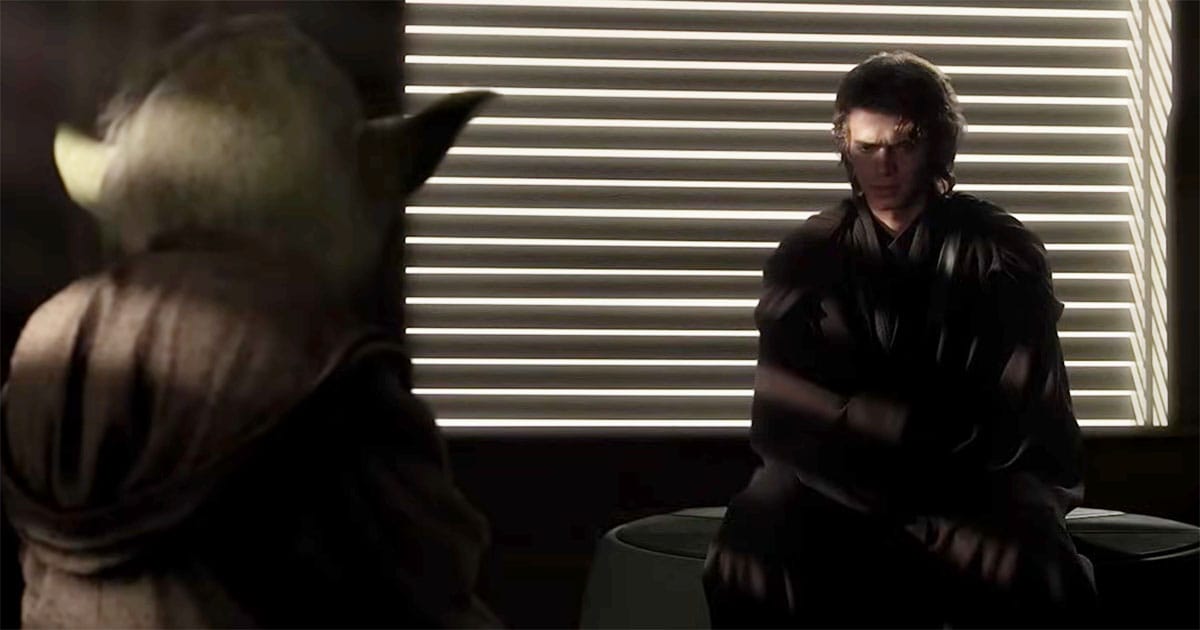
The clone army itself is commissioned under false pretenses to serve this final purpose. "Order 66" is the culmination of decades of manipulation.
By embedding the "order" within an official framework, Sidious ensures that the Jedi never see it as an existential threat.
The Jedi perceive the clone army as a tool of the Republic rather than a weapon aimed at them. This miscalculation proves fatal. Their trust in institutions becomes their undoing.
Methods of Implementation
In the current canon, "Order 66" is enforced through biological control. Each clone trooper is implanted with an inhibitor chip during development. This device contains behavioral programming that compels obedience when specific commands are issued. Once activated, the chip suppresses doubt and reframes the Jedi as hostile actors.
This mechanism removes individual moral choice from the equation. The clones do not deliberate or resist. Their actions are experienced as duty rather than betrayal. Science fiction here explores the consequences of engineered obedience.
Earlier continuity presents a different mechanism with similar results. In these accounts, clones are conditioned through doctrine and training to obey "Order 66" instantly. The absence of biological coercion shifts responsibility toward institutional culture. Loyalty to command outweighs personal bonds.

Execution During the Clone Wars
"Order 66" is activated near the end of the Clone Wars following a confrontation between Palpatine and senior Jedi leaders. Palpatine declares that the Jedi have attempted to overthrow the government.
The order is transmitted across military communication networks without delay. Its execution is immediate and coordinated.
Across the galaxy, clone units turn on their Jedi commanders in the midst of active combat zones. Many Jedi are killed without warning by soldiers they led and trusted.
The speed and simultaneity of the "order" prevent organized resistance. The Jedi Order collapses in a matter of hours.
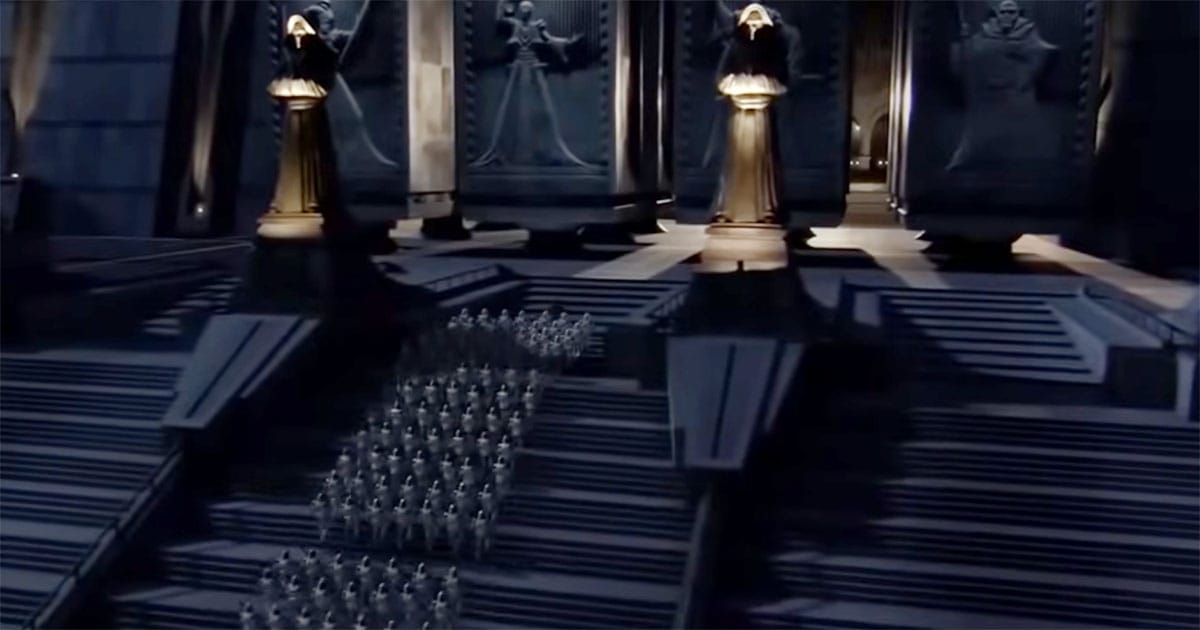
On Coruscant, Anakin Skywalker leads the 501st Legion in an assault on the Jedi Temple. This operation destroys the Order's archives, leadership, and remaining students. These events are depicted in "Star Wars: Episode III – Revenge of the Sith".
Immediate Consequences
The immediate result of "Order 66" is the near total extermination of the Jedi Order. Only a small number of Jedi survive, forced into exile and secrecy. The Jedi cease to function as a galactic institution. Their legacy becomes fragmented and suppressed.
Politically, "Order 66" enables Palpatine to retain emergency powers granted during the war. The Galactic Republic is formally reorganized into the Galactic Empire. The transition is presented as a necessary act of stability. The Senate largely accepts this transformation.
Long Term Significance
"Order 66" holds lasting importance within science fiction because it dramatizes the danger of unchecked systems.
The Jedi are not defeated by superior weapons or ideology. They are destroyed by legality, automation, and obedience. Power operates quietly and efficiently.
Within the "Star Wars" narrative, "Order 66" marks the end of one age and the beginning of another. It transforms heroes into fugitives and institutions into instruments of control.
Its legacy defines the moral landscape of the saga that follows. As a concept, "Order 66" endures as a warning about what happens when authority is allowed to override conscience.