
Stilgar and the Weight of Leadership
A clear, classic look at Stilgar, Fremen naib of Sietch Tabr, tracing his leadership, faith, and changing role across Frank Herbert’s Dune and its major film adaptations.


“Stilgar of the Fremen"
Among the many figures who give weight to "Dune," Stilgar stands out for his restraint. He is not driven by destiny or ambition, but by responsibility earned through survival. In a story filled with titles, houses, and prophecies, he feels like a man you could actually follow.
That realism is why Stilgar lasts. He anchors the narrative when larger forces begin to swell beyond human scale. Even viewers who come to "Dune" through film often sense that he belongs to the planet more than to any ideology.
Origins and Context
Stilgar ben Fifrawi is the Naib of Sietch Tabr, a major Fremen community on Arrakis. In Fremen society, leadership is practical and conditional. A Naib rules only as long as he proves capable.
Arrakis shapes the terms of that leadership. Water discipline is not a slogan, but an economic system and a moral code. Stilgar's authority grows out of those realities, and his decisions carry the weight of communal survival.
| Field | Details |
|---|---|
| Name | Stilgar ben Fifrawi |
| Affiliation | Fremen of Sietch Tabr |
| Rank or Role | Naib of Sietch Tabr; Fremen military leader |
| First Appearance | “Dune” by Frank Herbert, 1965 |
| Description | A seasoned Fremen leader shaped by the demands of survival on Arrakis, Stilgar governs through discipline, tradition, and earned authority. As Naib of Sietch Tabr, he serves as warrior, judge, and steward of his people, later becoming a key ally to Paul Atreides as tribal leadership gives way to planetary power. |
Leadership Before Paul
Before Paul Atreides enters the desert, Stilgar already commands respect. He leads fighters, maintains order, and enforces the rules that keep a sietch alive. His people follow him because he has earned their trust over years of hard choices.
His power is not imperial power. Stilgar governs through tradition, consensus, and personal credibility rather than decree. That difference explains why he can be both stern and deeply human without contradiction.
Role in the Story
Stilgar functions as a gatekeeper in the first novel. He stands at the boundary between Fremen life and the off world presence that has exploited Arrakis for generations. When he judges outsiders, the reader sees the moral logic of the sietch in action.
He also serves as the story's stabilizer. When prophecy and political momentum begin to dominate, Stilgar keeps returning to cost, risk, and responsibility. His presence makes the transformation of Paul feel grounded in culture rather than conjured by plot.
Acceptance of Outsiders
Stilgar's acceptance of Jessica and Paul becomes a hinge point for the whole narrative. He does not act out of blind faith, and he does not act out of sentiment. He tests, evaluates, and weighs what their arrival might mean for his people.
That choice also reveals what leadership looks like in a survival culture. Stilgar takes a calculated risk because stagnation can be as deadly as danger. The moment works because it feels like governance, not romance.

Faith and Practical Rule
Stilgar respects belief, but he governs through action. Among the Fremen, faith binds the tribe, hardens resolve, and gives meaning to sacrifice. He understands that belief is a social force that can unify a people.
At the same time, he begins as a cautious man. He listens, observes, and withholds certainty longer than many around him. That combination of discipline and openness makes him one of Herbert's most convincing leaders.
Power After Ascension
SPOILER WARNING
After Paul's rise, Stilgar's role changes within the new order. He becomes a commander and later a political figure within a system far larger than any sietch. His authority remains real, but it becomes less personal and more institutional.
Some readers experience this as a loss of stature. Others see it as a duty carried into a harsher stage of history. Herbert frames it as a consequence, and the consequence lands hardest on the men who helped make the revolution possible.
Adaptation Comparisons
David Lynch's 1984 "Dune" pushes Stilgar toward ritual severity. The performance and staging often emphasize distance, as if the Fremen world must remain intimidating and strange. This choice supports the film's dreamlike tone, but it can flatten the character's practical intelligence.
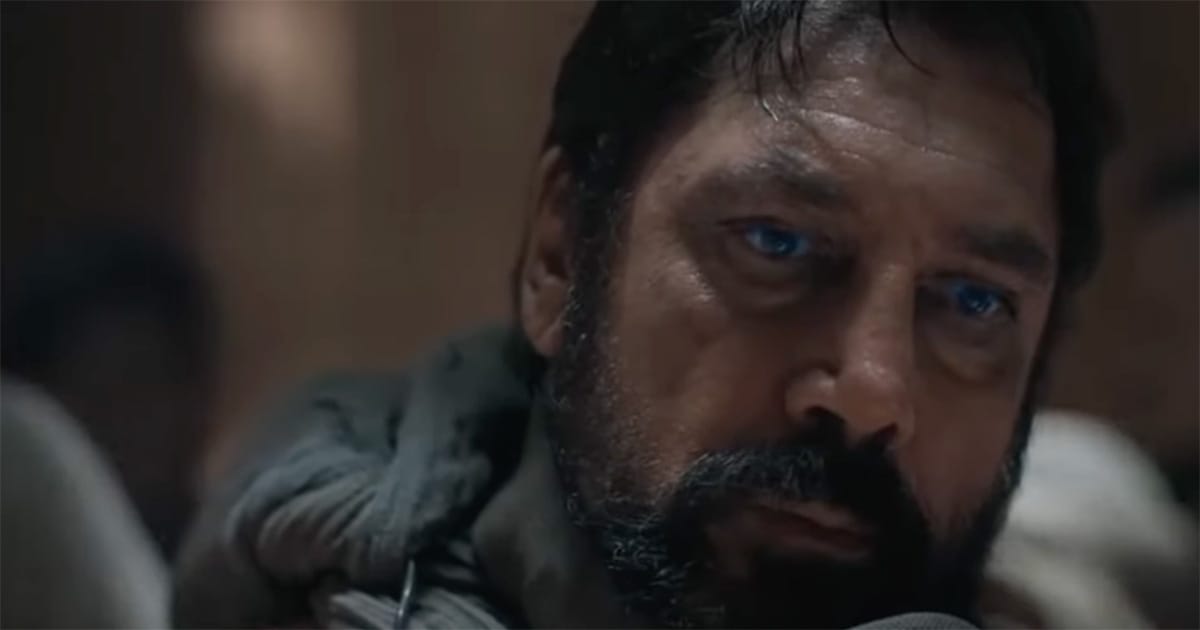
The Sci Fi Channel miniseries gives Stilgar more room as a political actor. It places greater emphasis on continuity and community, which suits his role as a stabilizing leader. Villeneuve's films add warmth and humor while preserving his authority, which helps modern audiences grasp his charisma without turning him into a caricature.
Why Stilgar Endures
Stilgar endures because he represents leadership without illusion. He values order, loyalty, and survival over glory. In a genre filled with conquerors and visionaries, he remains a man shaped by limits.
For classic science fiction readers, that restraint carries weight. Stilgar shows how good leaders can still be overtaken by historical momentum. The tragedy is quiet, and that is why it feels true.
Sources to Double Check
Frank Herbert, "Dune" (1965) – Primary Text