
The Many Faces of Jeffrey Combs in "Star Trek"
Jeffrey Combs played nine different characters and one voice across Star Trek series. Explore his roles in Deep Space Nine, Voyager, and Enterprise and why fans still celebrate them.

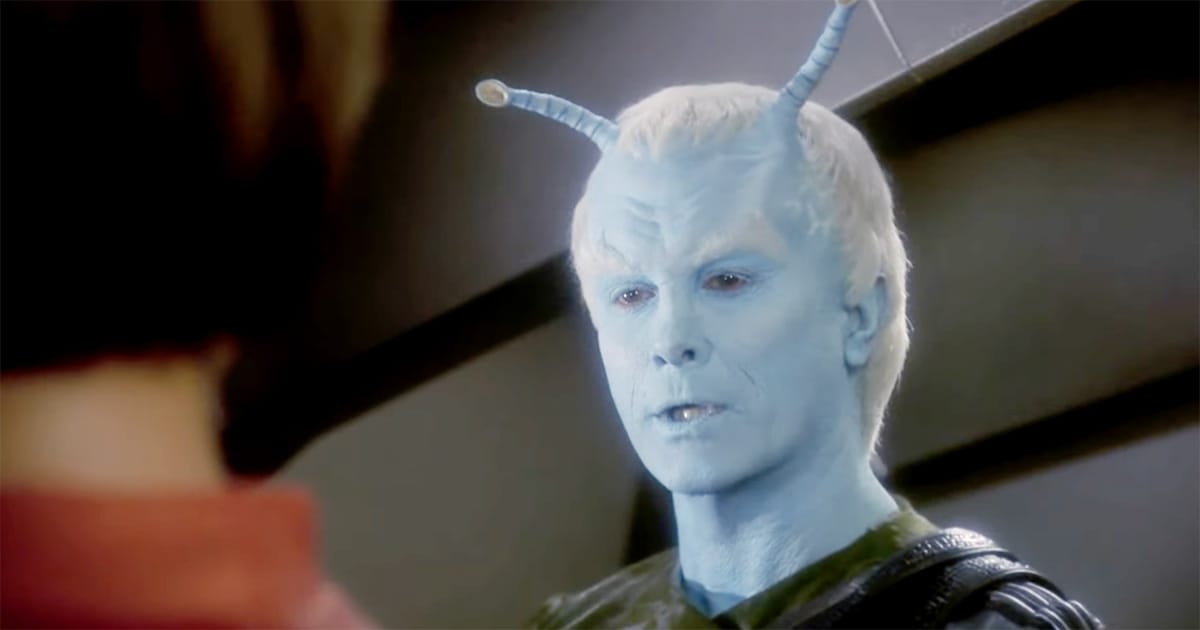
Few actors have embedded themselves so deeply into the architecture of "Star Trek" without ever holding a place in its opening credits. Jeffrey Combs achieved precisely that distinction by portraying nine separate on screen characters across three series, along with one additional voice role in a licensed game.
The statistic has become a favorite piece of fandom lore, but it is more than trivia. It reveals how the franchise relies on disciplined character actors to sustain its moral and political imagination.
The Arithmetic of Identity
The number most often cited is nine live action roles plus one voice performance. Some tallies rise higher when individual clones are counted separately. Other lists consolidate minor background appearances. The commonly accepted figure remains nine distinct on screen identities and one voice beyond them.
Deep Space Nine and the Dominion Face
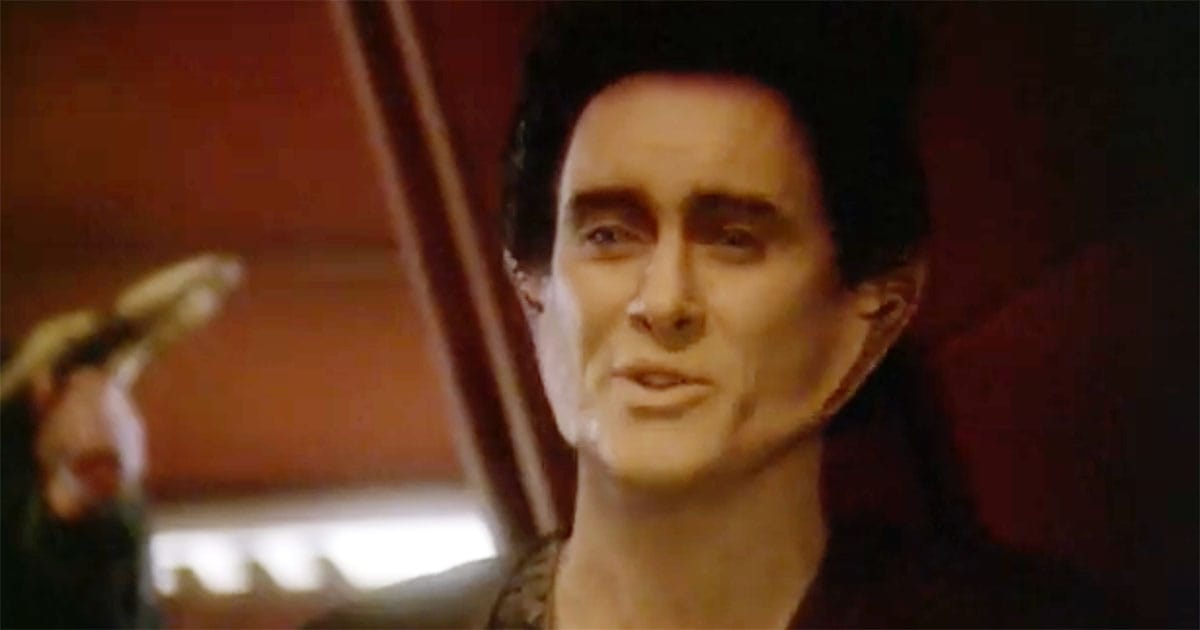
The heart of Combs' Trek career lies in "Star Trek: Deep Space Nine," a series that prized recurring antagonists and ideological debate. His most enduring contribution there is Weyoun, the Dominion's Vorta representative.
Though he portrayed multiple cloned iterations, they are usually treated as a single character lineage. The distinction matters because it highlights continuity of persona rather than biological duplication.
Weyoun is defined by civility sharpened into obedience. Combs delivers him with immaculate diction and unwavering composure. The performance inspires fanatic loyalty, not hysteria but serene conviction. In a war story driven by competing political systems, Weyoun becomes the Dominion's smiling diplomat of annihilation.
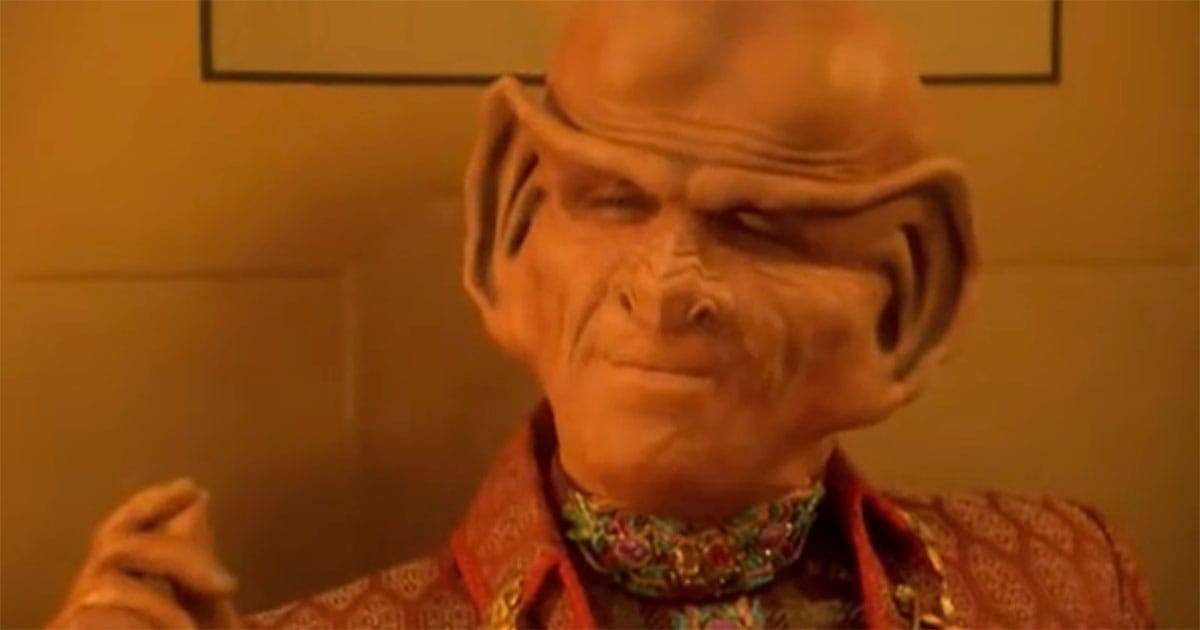
In striking contrast stands Brunt, the Ferengi Liquidator, who hounds Quark through layers of petty regulation. Where Weyoun embodies absolute devotion to the empire, Brunt thrives on procedural harassment. Combs adjusts posture, rhythm, and vocal timbre to separate the two beyond their prosthetics. The effect demonstrates how performance can outshine makeup in distinguishing alien identities.
The range continues with Tiron, the unsettling art patron whose desires distort the boundaries of taste. Though a one episode role, it underscores Combs' facility with discomfort. The character is neither a grand strategist nor a comic foil but an embodiment of obsessive entitlement. Such minor figures contribute to the tonal texture that made "Deep Space Nine" unusually mature within the franchise.
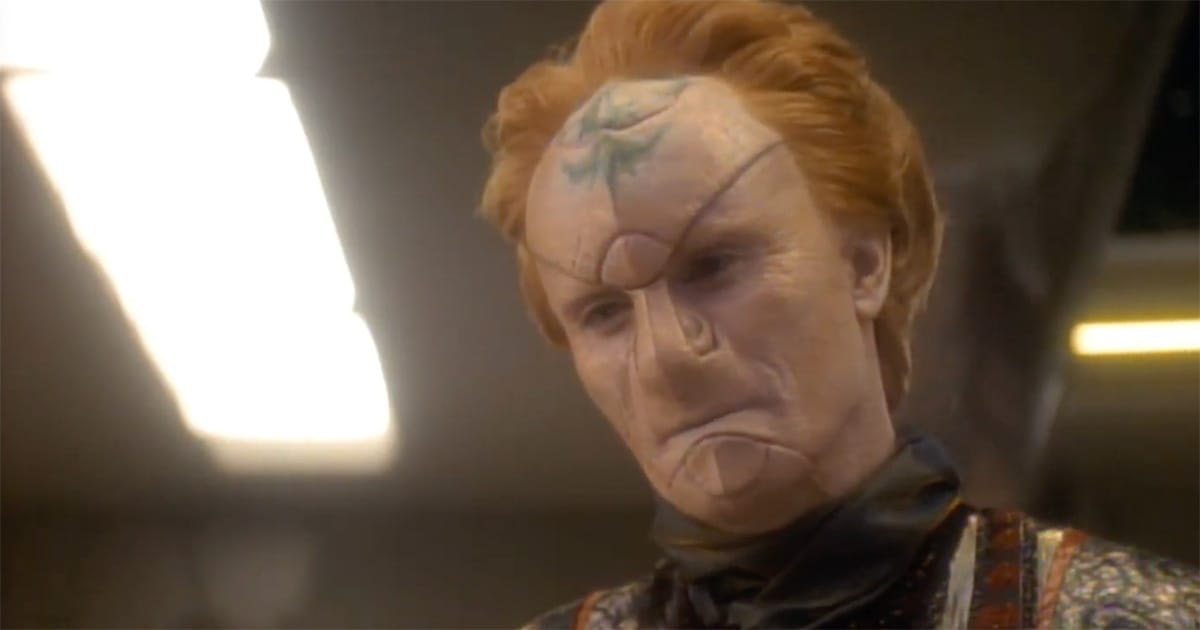
Combs also appears in "Far Beyond the Stars" as Officer Kevin Mulkahey, a human authority figure within the episode's 1950s setting. This role removes the alien mask entirely.
It places him inside the social realism that grounds the episode's alternate history conceit. Even without prosthetics, he projects institutional power with unnerving ease.
A brief holosuite patron in the series finale adds another credit often included in the nine. The appearance is fleeting, yet it testifies to the production's comfort in redeploying trusted performers. "Deep Space Nine" cultivated a semi repertory atmosphere in which recurring guest actors became part of the station's fabric. Combs stands as the most visible beneficiary of that system.
Voyager and the Theater of Spectacle
His single appearance on "Star Trek: Voyager" offers a different challenge. In "Tsunkatse," he portrays Penk, a promoter who packages violence as entertainment. The character exists within a high concept episode built around spectacle. Combs supplies the moral vacancy necessary to anchor that premise.
Penk lacks Weyoun's ideological fervor or Brunt's comic sharpness. He operates instead as a sleek impresario of cruelty. The performance is economical and self contained. It illustrates how effectively Combs can define a world in under an hour of screen time.
Enterprise and the Andorian Renaissance
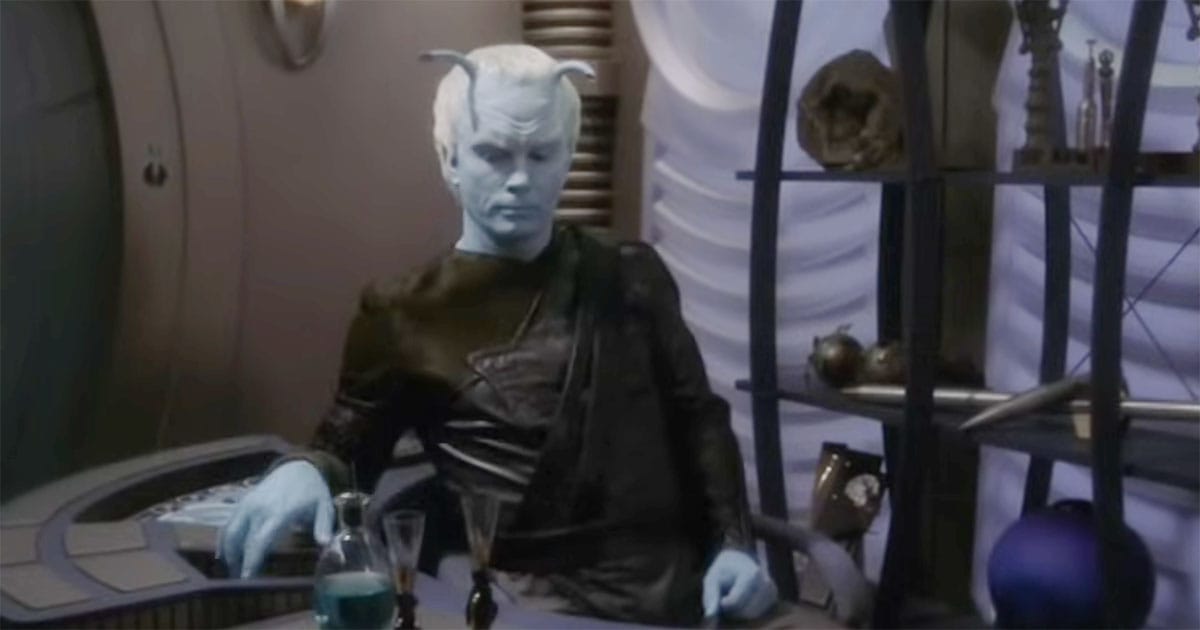
If "Deep Space Nine" provided the political arena, "Star Trek: Enterprise" granted Combs his most beloved creation. Thy'lek Shran begins as an adversary to Captain Archer. Over time, he evolves into a wary ally whose honor rivals his suspicion. Many viewers regard him as the emotional hinge of the Andorian resurgence.
Shran succeeds because Combs balances aggression with wounded pride. The antennae and blue makeup signal species identity, yet the performance communicates layered personal history.
He reframes the Andorians from legacy background figures into a culture with internal logic. Through Shran, "Enterprise" deepens its pre Federation political landscape.
Within the same series Combs also portrays Krem, a Ferengi pirate in "Acquisition." The role returns him to comic opportunism. Unlike Brunt, Krem operates outside formal authority. The distinction again rests in vocal inflection and physical bearing rather than costume alone.
One Voice Beyond the Screen
The ninth on screen credit sometimes depends on how one categorizes minor Ferengi or background distinctions. Lists vary in whether they split or merge these appearances.
The variation explains why some fans cite eight while others insist on nine or more. The consensus figure of nine remains the most defensible when Weyoun is counted as one character.
Beyond live action, Combs lent his voice to Suldok in "Star Trek: Elite Force II." The medium shifts from camera to microphone. Yet the sensibility remains consistent with his Trek work. Even without physical presence, he conveys authority edged with calculation.
When each Weyoun clone is counted separately, the total rises dramatically. Such arithmetic is amusing but somewhat misleading. The creative continuity of Weyoun's personality argues for a single role with multiple incarnations. The distinction between character and body lies at the core of that debate.
The Repertory Tradition in the Final Frontier
The enduring fascination with the count speaks to more than fandom bookkeeping. It reflects admiration for the craft of transformation within a shared universe. Star Trek thrives on a stable moral framework populated by ever shifting faces. Combs embodies that paradox with unusual clarity.
In the broader tradition of television science fiction, repertory casting has long sustained ambitious world building. Reliable performers become tonal anchors across decades of narrative experimentation. Jeffrey Combs stands as a modern exemplar of that tradition. Nine characters and one voice tell only part of the story, yet they chart a career woven tightly into the warp and weft of Star Trek's continuing voyage.