
"The Matrix" and the Problem of Knowing Reality
A clear, analytical review of "The Matrix" examining reality, perception, choice, and human comfort through the lens of classic science fiction and disciplined, idea-driven storytelling.

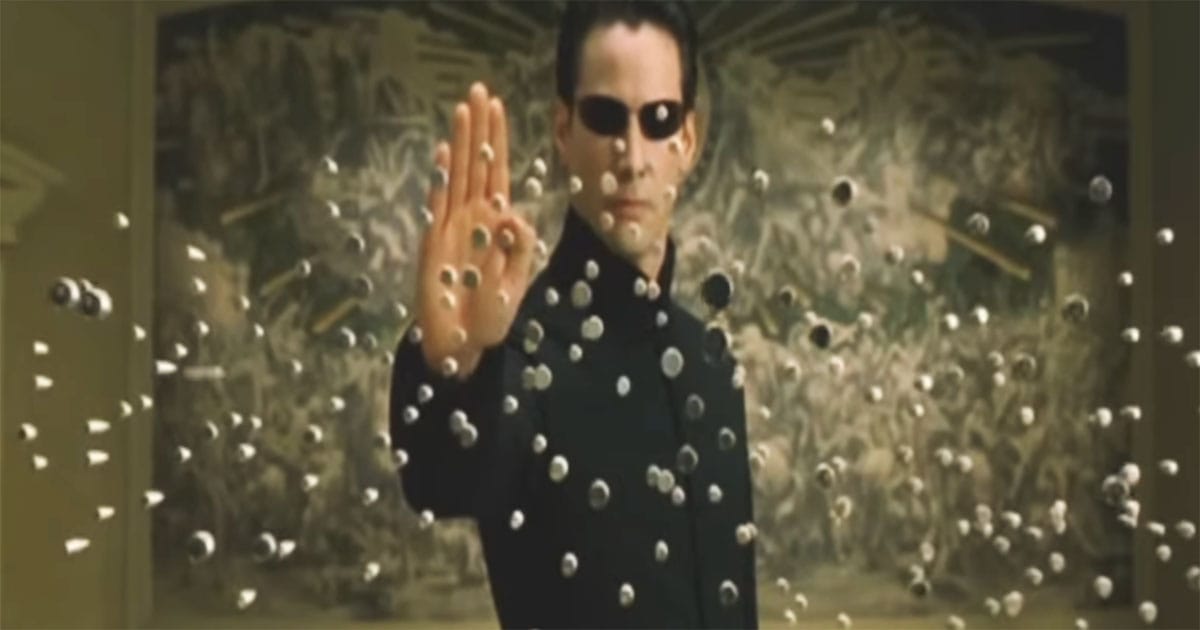
The Matrix was released in 1999, which is to say at the end of a century that had become very comfortable with machines and rather careless about thinking clearly about them.
Science fiction cinema at the time had learned how to astonish the eye but had largely forgotten how to engage the mind. This film arrived with the unfashionable idea that an audience might still enjoy being challenged.
At first inspection, "The Matrix" appeared to be an action picture dressed in the visual vocabulary of late-century cyberpunk. Black clothing, concrete architecture, and stylized violence suggested attitude rather than argument. That impression did not survive sustained attention.
What quickly became evident was that "The Matrix" was organized like a thought experiment. It proposed a single speculative condition and then examined how human beings might behave within it. The structure was logical rather than ornamental.
The film did not ask the viewer to admire mystery for its own sake. Instead, it invited the viewer to follow a line of reasoning. Each revelation followed from the last with deliberate care.
This approach placed "The Matrix" closer to the tradition of classic literary science fiction than to most of its cinematic contemporaries. The emphasis was not on novelty but on consequence. The question was not what machines might do, but what people might fail to notice.
Early responses acknowledged that something unusual was taking place, though not without reservation. The film's visual confidence was widely admired, while its intellectual ambitions were viewed with a degree of skepticism. That caution reflected uncertainty about whether the ideas would endure once the novelty faded.
With distance, however, the film's coherence becomes more apparent. What once felt incomplete now reads as restrained. "The Matrix" does not exhaust its ideas because it understands that good questions outlast definitive answers.
In this respect, "The Matrix" belongs to a long tradition of science fiction that treats speculation as a tool for examining ordinary human habits. Its subject is not the future but the present condition of complacency.
| Attribute | Details |
|---|---|
| Title | The Matrix |
| Director | Lana Wachowski, Lilly Wachowski |
| Writer | Lana Wachowski, Lilly Wachowski |
| Actors or Actresses | Keanu Reeves, Laurence Fishburne, Carrie-Anne Moss, Hugo Weaving, Joe Pantoliano |
| Rated | R |
| Runtime | 136 min |
| Box Office | $463,517,383 |
| U.S. Release Date | 31 Mar 1999 |
| Quality Score | 9/10 |
| Plot | Thomas Anderson, a computer programmer, discovers that the world he inhabits is an artificial simulation created by machines. Guided by a small resistance, he awakens to reality and learns that freedom depends not on force, but on understanding the |
Synopsis
The narrative of "The Matrix" follows Thomas Anderson, a competent computer programmer whose dissatisfaction with daily life lacks a clear cause. His illegal activities as a hacker are not acts of rebellion so much as symptoms of curiosity. He senses that the world behaves like a system whose rules are hidden.
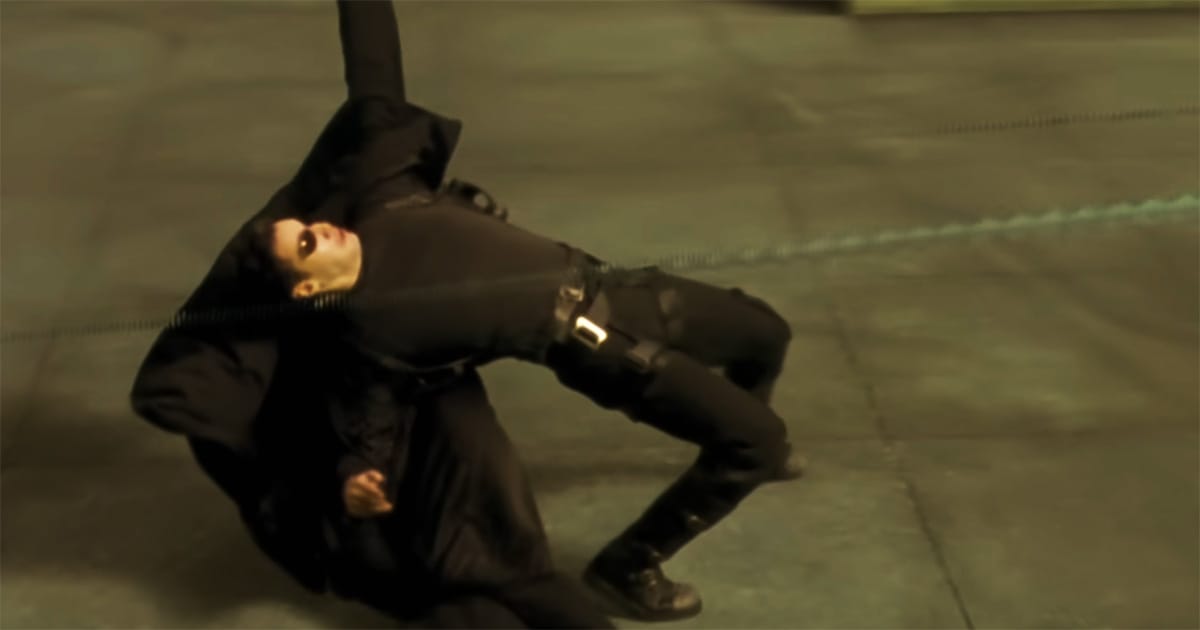
This intuition leads him to Morpheus, a man who claims that the apparent world is an elaborate simulation. According to Morpheus, humanity lives inside a constructed environment designed by intelligent machines. The purpose of this environment is not cruelty but efficiency.
Anderson is offered a choice that serves as the film's central pivot. One option allows him to forget the encounter and resume his familiar life. The other forces him to confront an unpleasant reality from which there is no retreat.
Upon choosing knowledge, Anderson awakens into a physical world that is inhospitable and fragile. Human survival depends on technology that barely sustains life. The price of awareness is discomfort.
The remainder of the narrative concerns Anderson's education. He is taught how the simulation functions and why it feels convincing. Physical laws within it exist because they are expected, not because they are necessary.
Agents are introduced as the system's immune response. These programs exist to maintain stability and suppress anomalies. They do not reason or persuade, as persuasion is unnecessary.
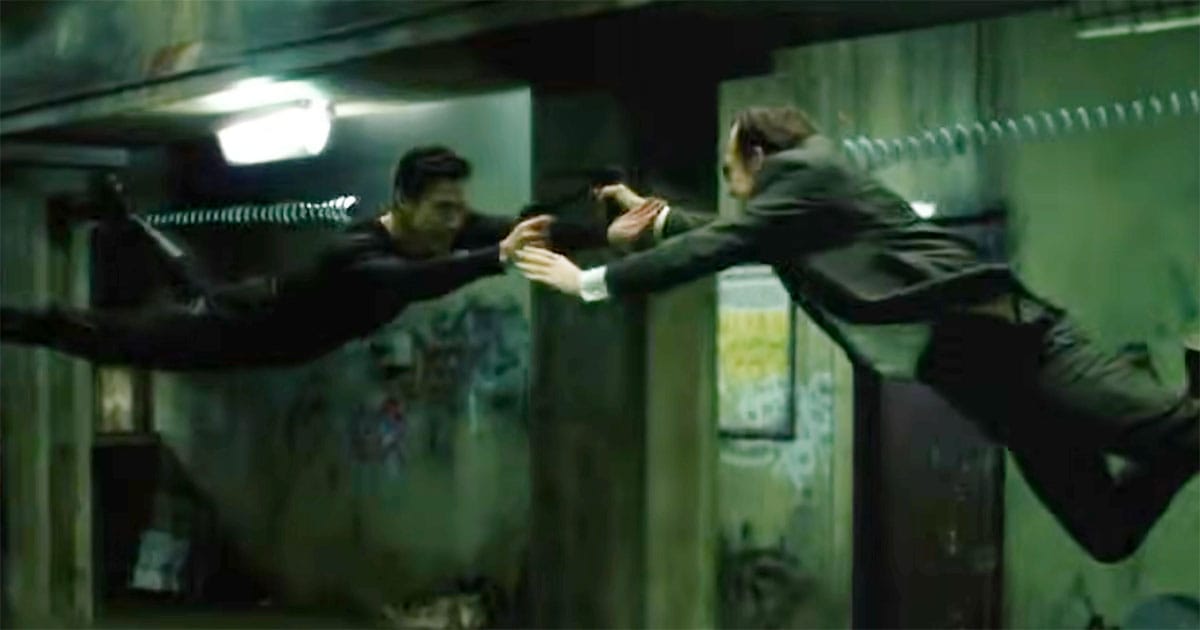
Conflict arises through pursuit, capture, and escape. Each encounter tests the characters' understanding of the system's limits. Failure results from misunderstanding rather than weakness.
The climax demonstrates mastery rather than annihilation. The system remains in place, but its authority is undermined. The film ends with the suggestion that understanding itself alters the balance of power.
The synopsis of "The Matrix" remains uncomplicated because the film values clarity. Complexity is reserved for implication, not narration.
Theme
The primary theme of "The Matrix" concerns the reliability of perception. The simulated world is convincing not because it is perfect, but because its inhabitants expect it to be real. Habit becomes evidence.
The film presents reality as something that must be reasoned toward rather than assumed. Sensory experience alone is insufficient. Without reflection, perception becomes submission.
Knowledge in "The Matrix" is consistently portrayed as costly. Those who awaken lose comfort, certainty, and safety. The film refuses the sentimental idea that truth is gentle.
Control operates through accommodation rather than force. The system succeeds because it provides structure, routine, and meaning. Most inhabitants participate willingly.
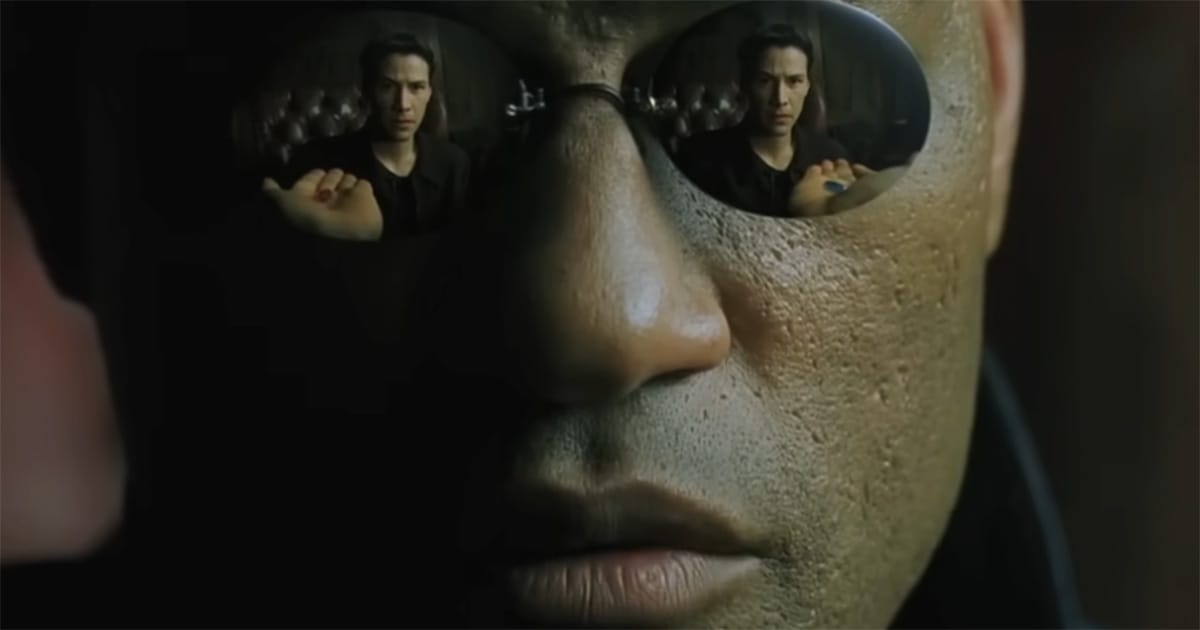
Freedom, therefore, begins as an intellectual act. Neo's progress depends on understanding the logic of the system. Action follows comprehension.
The agents represent authority without moral agency. They are not villains in the dramatic sense but mechanisms. Their effectiveness lies in their predictability.
Belief occupies an ambiguous position. Morpheus believes with absolute certainty, yet belief alone does not alter reality. The film quietly suggests that faith without understanding is unreliable.
Choice remains central to the system's persistence. The simulation continues because individuals accept it repeatedly. Large structures endure through small, habitual decisions.
Technology itself is neutral. It enables deception and awakening alike. Responsibility rests with those who abandon judgment in exchange for convenience.
Another theme involves identity. Neo must distinguish between who he is told to be and what he understands himself to be. The conflict is internal before it becomes external.
"The Matrix" ultimately argues that ignorance is rarely imposed by force. It is more often maintained by comfort. That observation gives the film its enduring relevance.
Who Will Watch This
"The Matrix" appeals most strongly to viewers who expect science fiction to think as well as entertain. Those interested in philosophy, logic, and systems of control find sustained engagement. The film assumes attention rather than distraction.
It suits viewers who appreciate structured arguments. The rules of the world are consistent and observable. Conclusions follow from premises.
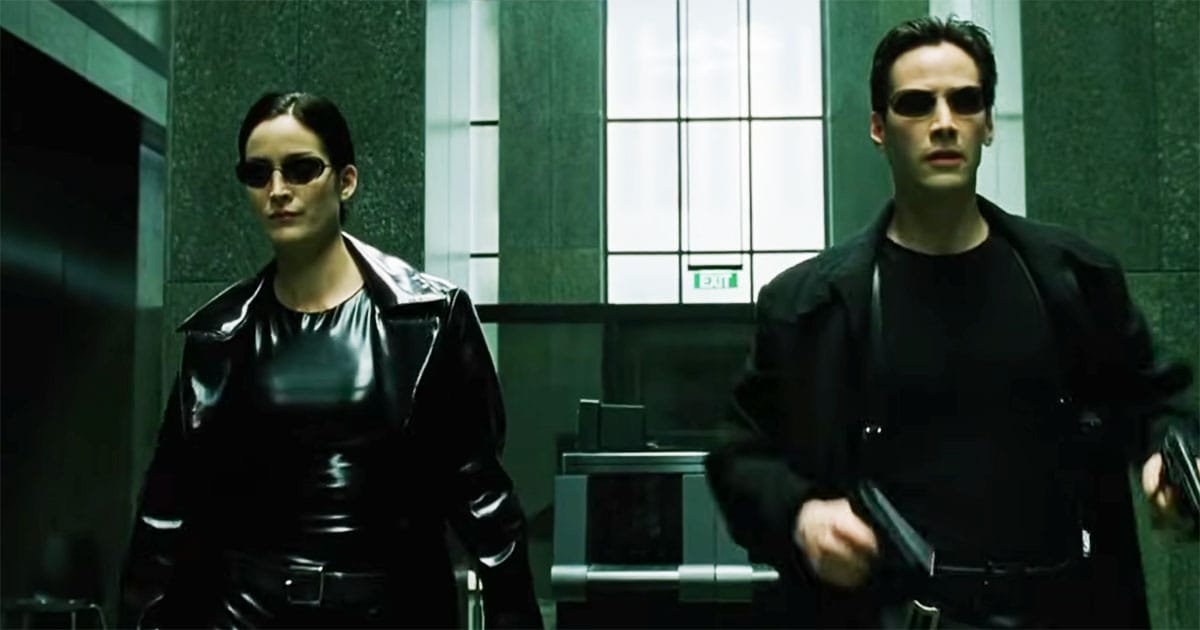
Readers familiar with classic science fiction literature often recognize the method immediately. "The Matrix" resembles an extended thought experiment more than a fantasy. Its ancestry is literary rather than mythic.
The film also rewards viewers who enjoy action constrained by logic. Combat scenes follow defined limits. Victory results from understanding rather than escalation.
Some viewers may find the pacing deliberate. The film allows ideas to develop without constant stimulation. This restraint is intentional.
Younger audiences often approach "The Matrix" for its style. Older viewers tend to remain for its ideas. This layered appeal explains its longevity.
"The Matrix" is best suited for viewers willing to question familiar systems. It assumes that the audience is capable of reflection and responsible for its conclusions. That assumption remains its most quietly radical feature.