
The Rope Behind the Whoosh in "Star Trek"
Discover how the famous “whoosh” doors in “Star Trek” were powered by stagehands with ropes, and how classic television craftsmanship made the future feel real.

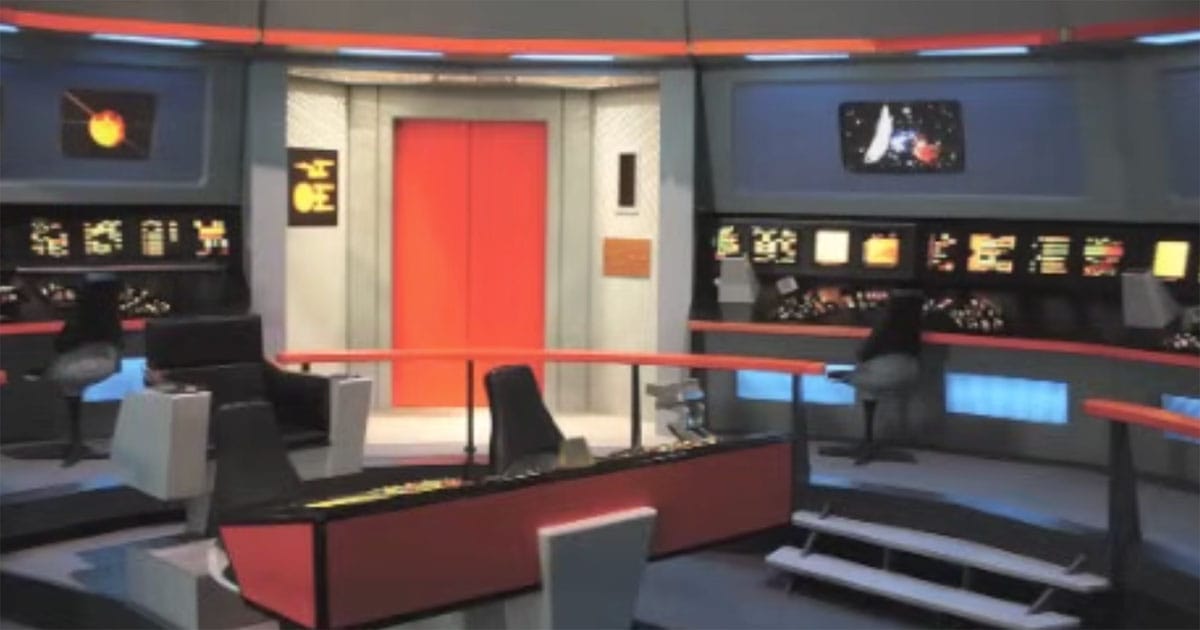
The future often arrives on television with a sound. In the 1960s, that sound was a brisk mechanical sigh as doors parted aboard the starship Enterprise in "Star Trek."
Viewers assumed sensors and motors guided every entrance. In truth, a stagehand with a rope made Captain Kirk look like he lived in the 23rd century.
The revelation feels almost too good to be true. The most modern doors on television were powered by forearms and timing. Yet that fact explains much about why classic science fiction continues to endure. The illusion worked because everyone involved respected the craft.
The Mechanics Behind the Magic
On the set of "Star Trek," crew members stood just off camera and pulled sliding panels apart on cue. They watched an actor's stride and listened for the rhythm of his final line.
If the timing slipped by even a second, the illusion faltered. A door might hesitate, or an actor might pause in that half beat where fiction threatens to become plywood.
The famous whoosh did not come from machinery. Sound designers added it later, giving the ear what the set could not provide. In spite of the simplicity behind the wall, the result felt seamless and inevitable. The audience heard automation and believed without reservation.
Suggestion Over Circuitry
This production trick reveals something larger about classic science fiction. The genre has always relied on suggestion over hardware. A blinking light implies a computer, a painted backdrop implies a galaxy, and a sliding panel implies a world beyond hinges. The viewer collaborates in the illusion, meeting the show halfway with imagination and goodwill.
There is a distinctly American practicality in that arrangement. The producers did not possess the budget of a major motion picture, yet the series projected confidence and order. The Enterprise operated like a well run ship, and the doors opened with military precision, even if a man crouched behind the bulkhead provided the muscle. Ingenuity bridged the gap between vision and resources.
Confidence Sells the Future
Accounts from the production tell of actors learning to walk with authority toward the doors. Hesitation could expose the trick and draw attention to the artifice.
Confidence, on the other hand, sold it completely. When a man strode forward as if the universe itself would make way, the panels parted, and the audience accepted the premise.
The story grows even better in retelling. A hospital reportedly wrote to the studio asking how to acquire doors that opened as swiftly and reliably as those on television. The answer carried a note of dry humor. There were no sensors to install, only stagehands to hire and rehearsals to perfect.
What endures is not the rope but the conviction behind it. For millions of viewers, those doors represented a future where technology served man smoothly and without fuss.
Classic science fiction like "Star Trek" trusted craftsmanship, discipline, and coordination to conjure tomorrow. The whoosh remains in memory, long after the rope has been coiled, the set dismantled, and the lesson quietly absorbed.