
Thirty Minutes at a Time. How Bradbury Wrote “Fahrenheit 451” on a Rental Typewriter
Ray Bradbury wrote “Fahrenheit 451” on a coin operated typewriter in a UCLA library. A pocketful of dimes and nine days of urgency helped produce one of science fiction’s most enduring novels.

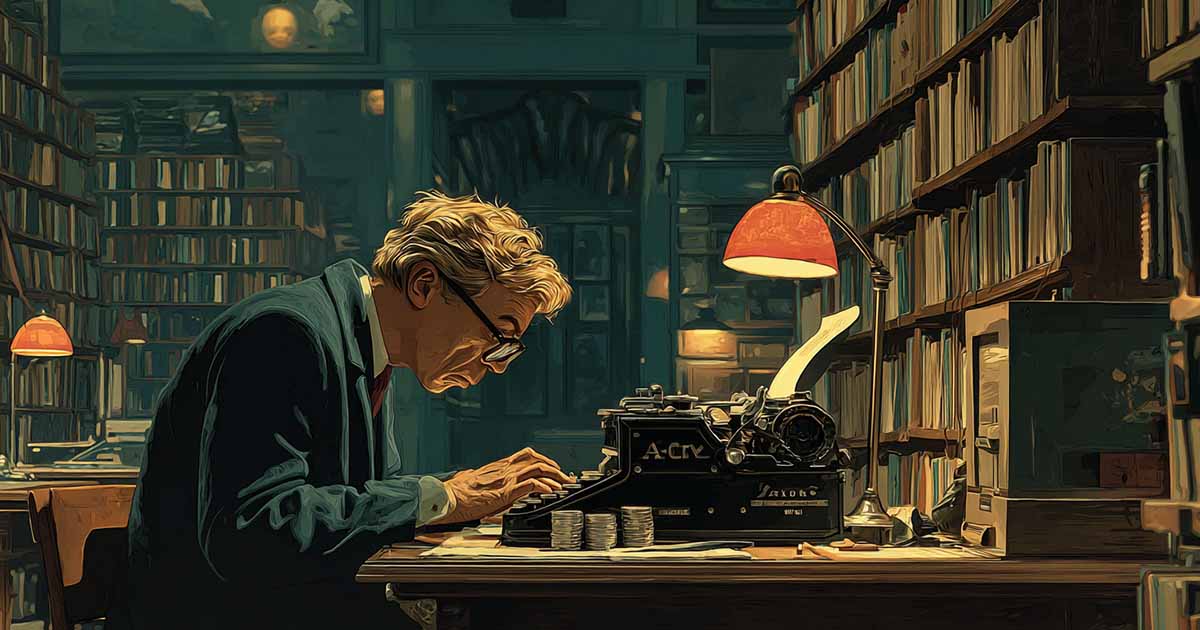
The Dime That Built a Classic
A Library Basement and a Meter Running
The origin story of "Fahrenheit 451" sounds almost like a parable about writing itself. In the early 1950s, Ray Bradbury did not have a quiet study or a polished desk overlooking California sunshine. What he had was a coin slot.
Bradbury wrote much of the novel in the basement typing room of the University of California at Los Angeles. The room held a row of rental typewriters that operated like parking meters. A dime bought thirty minutes of typing time.
The machine ticked away while Bradbury hammered out pages that would become one of the most enduring dystopian works in science fiction.
Writing Against the Clock
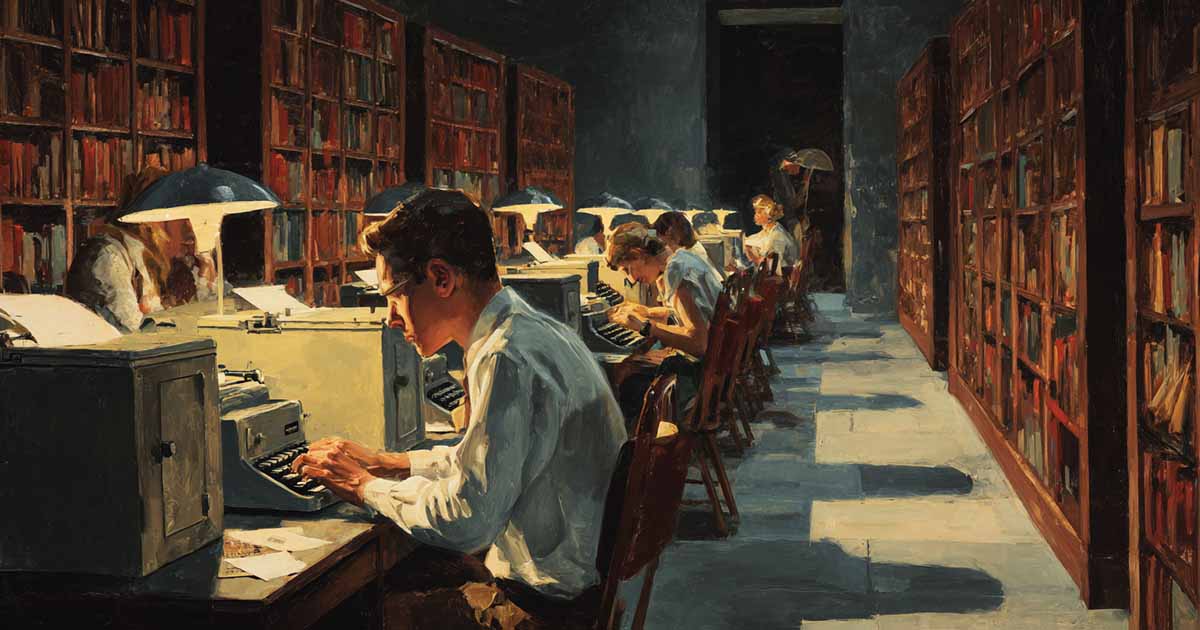
Bradbury later recalled the experience with a mixture of amusement and awe. The meter on the typewriter created a kind of literary stopwatch. Each coin meant another half hour of creative oxygen.
The result was an extraordinary burst of productivity. Bradbury completed the draft in roughly nine days of concentrated sessions. The final cost came to about ten dollars in dimes.
That modest pile of coins helped produce a novel that would travel around the world for generations.
The Strange Irony of the Setting
The setting of the work carries its own quiet irony. "Fahrenheit 451" imagines a future where books are hunted down and burned by professional firemen. Libraries disappear, and reading becomes a suspicious act.
Bradbury wrote the book while surrounded by shelves of volumes in a university library. The atmosphere of the building may have fueled the urgency of the story. The author once suggested that the library reminded him of the fragile miracle of printed knowledge.
In other words, the novel about lost books was born in the shadow of thousands of them.
A Story That Fits the Novel
The coin operated typewriter has become part of the mythology of science fiction. It feels strangely appropriate for a novel that celebrates the stubborn survival of ideas. Bradbury did not wait for ideal conditions to appear.
He borrowed time, thirty minutes at a stretch, and turned that time into literature.
The anecdote also reflects a pattern that runs through much classic science fiction. Many of the genre's most influential works emerged from modest circumstances. Writers worked in spare bedrooms, newsroom offices, or late night kitchen tables.
The basement typewriter room at UCLA belongs to that tradition.
The Meter and the Message
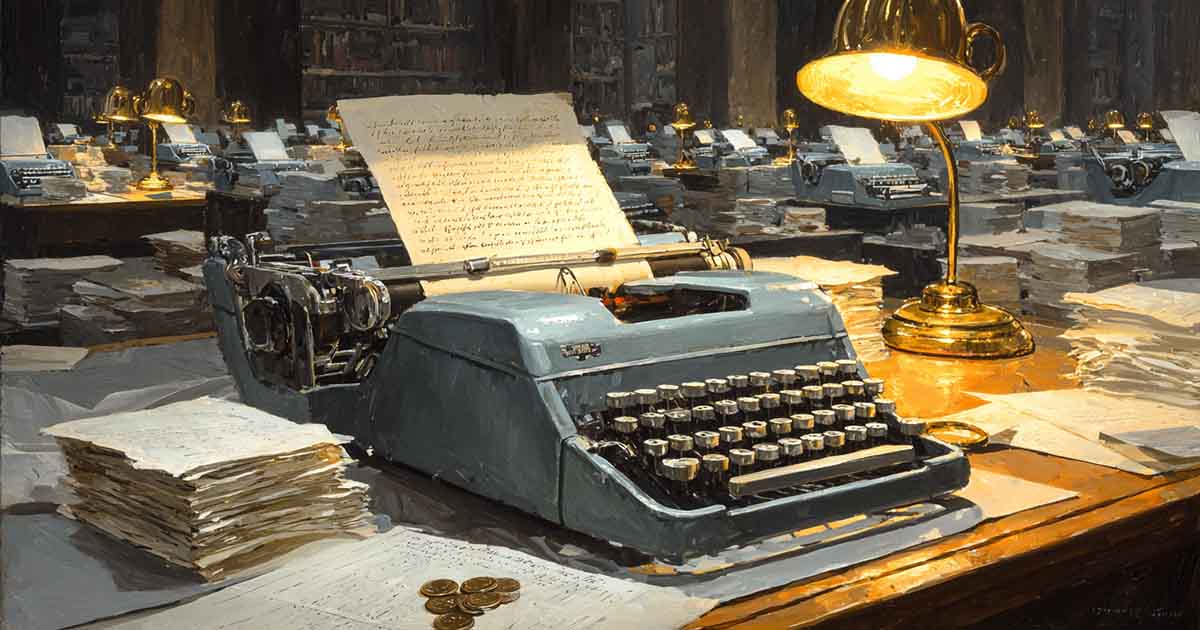
There is also something poetic about the mechanical timer clicking away beside Bradbury's hands. The novel itself warns about a society that measures human life in shallow bursts of distraction. Bradbury answered that world with focused imagination.
Every dime purchased a brief sanctuary for thought.
The pages that rolled out of that rental machine eventually formed "Fahrenheit 451," a novel that still asks readers to protect the fragile act of reading itself. In the quiet basement of a library, the future of one science fiction classic was written thirty minutes at a time.
The story lingers because it reveals something essential about the relationship between circumstance and creativity. A rented machine, a pocketful of coins, and a sense of urgency proved enough to produce one of the defining works of twentieth century science fiction.