
Time Lords in "Doctor Who" Explained
Time Lords in "Doctor Who" explained. Learn about Gallifrey, regeneration, and why the Doctor stands apart from his own people in this classic science fiction guide.

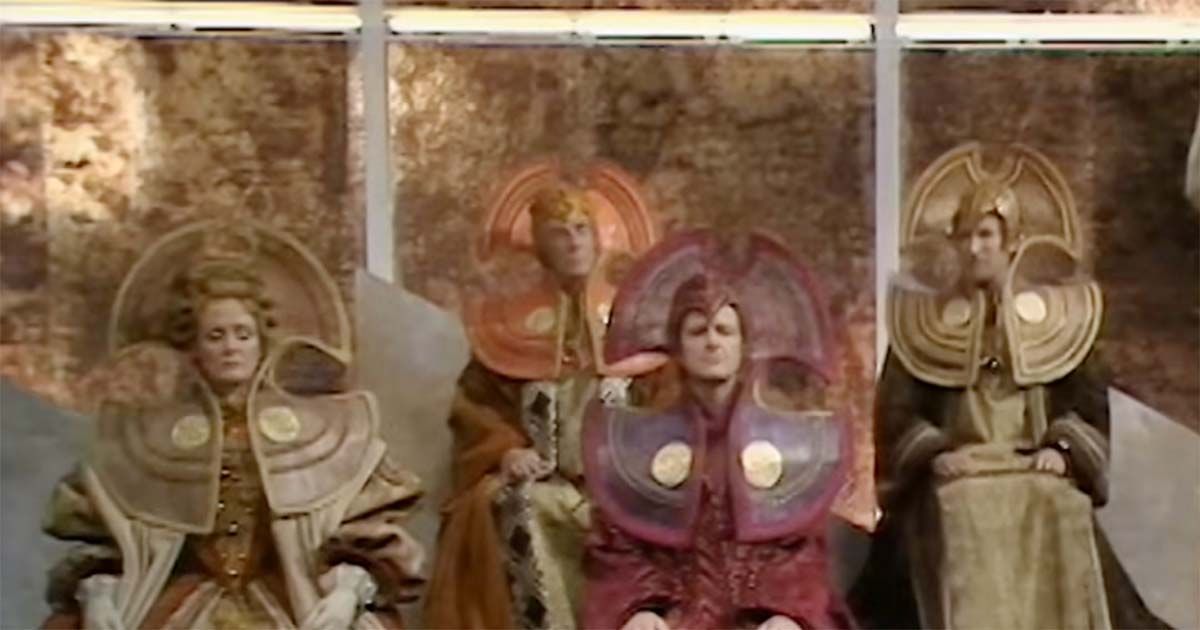
Time Lord in "Doctor Who"
A Time Lord is a fictional alien species in the television series "Doctor Who". They originate from the planet Gallifrey and are defined by their mastery of time travel, advanced science, and long lifespan. Within the series, they represent one of the most powerful and oldest civilizations in the universe.
Time Lords provide the structure that holds the series together. Their knowledge explains how time travel works and why history can be observed as a system. Through them, "Doctor Who" presents a universe where time is not random, but ordered and measurable.
Gallifrey and Social Order
Gallifrey is both a homeworld and a symbol of Time Lord culture. It reflects a civilization shaped by tradition, discipline, and caution. The planet is often presented as formal and controlled, with a strong emphasis on law and hierarchy.
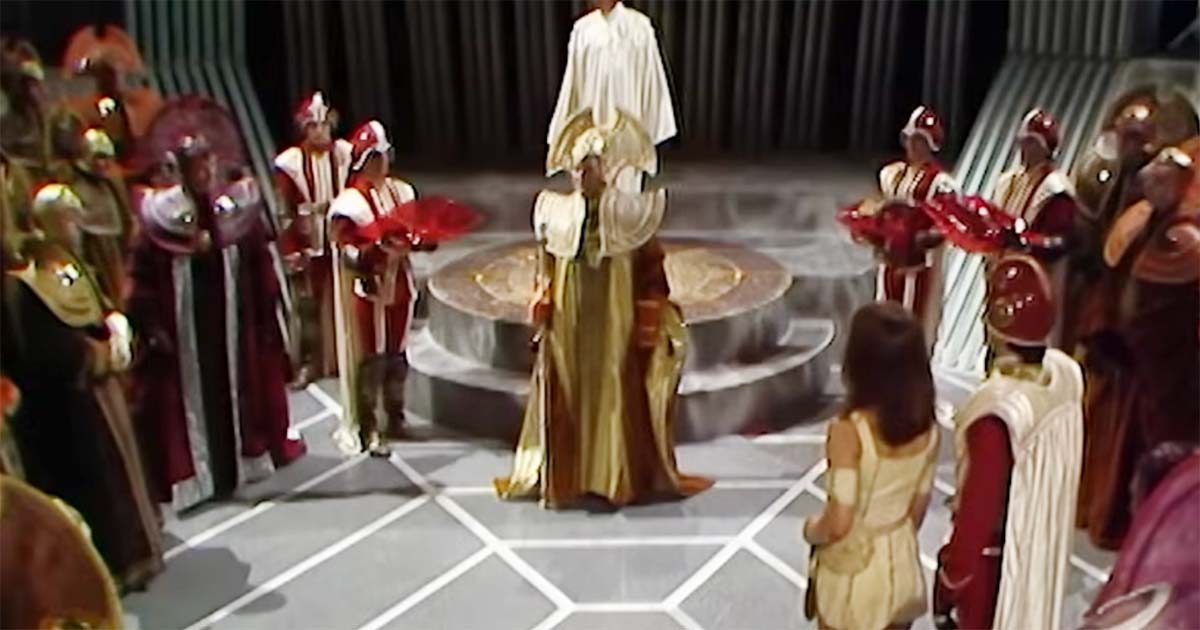
Leadership rests with governing bodies like the High Council. These groups regulate time travel and enforce rules that limit interference. Their goal is to preserve the timeline and avoid unintended consequences.
Time Lords follow a strict policy of non-intervention. They observe events across time but rarely act to change them. This approach reflects a belief that history should unfold without interference from those who control it.
In spite of their intelligence, this policy creates a clear weakness. They maintain order, but they often fail to respond to injustice or danger. Their restraint can appear responsible, yet it also creates distance from the lives affected by their decisions.
Origins and Expansion of Power
The rise of the Time Lords takes place over vast stretches of time. Early figures like Rassilon help develop the technology that allows control over time travel. These advances transform Gallifrey into the center of temporal knowledge.
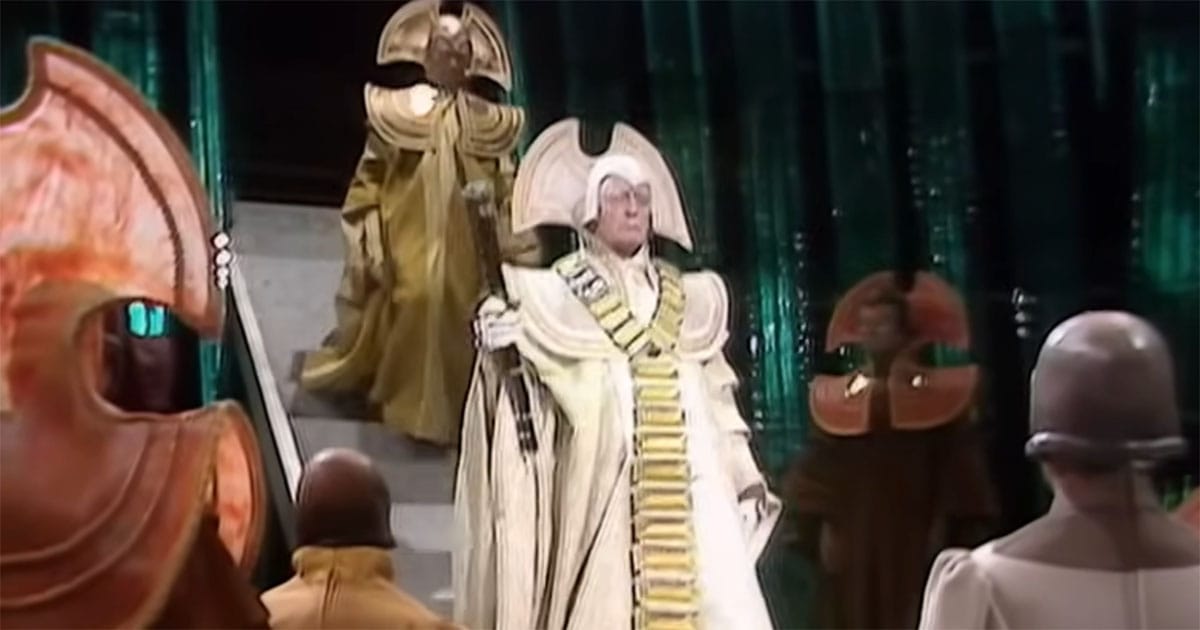
As their power grows, so does their influence over the structure of history. They gain the ability to monitor events and understand the consequences of change. This knowledge gives them a near unmatched position in the universe.
Over time, their society becomes more rigid. What begins as innovation settles into tradition. The same civilization that once explored now focuses on preservation.
Biology and Regeneration
The defining feature of a Time Lord is his ability to regenerate. When his body is near death, it transforms into a new form. His memories remain, but his personality and appearance may shift.
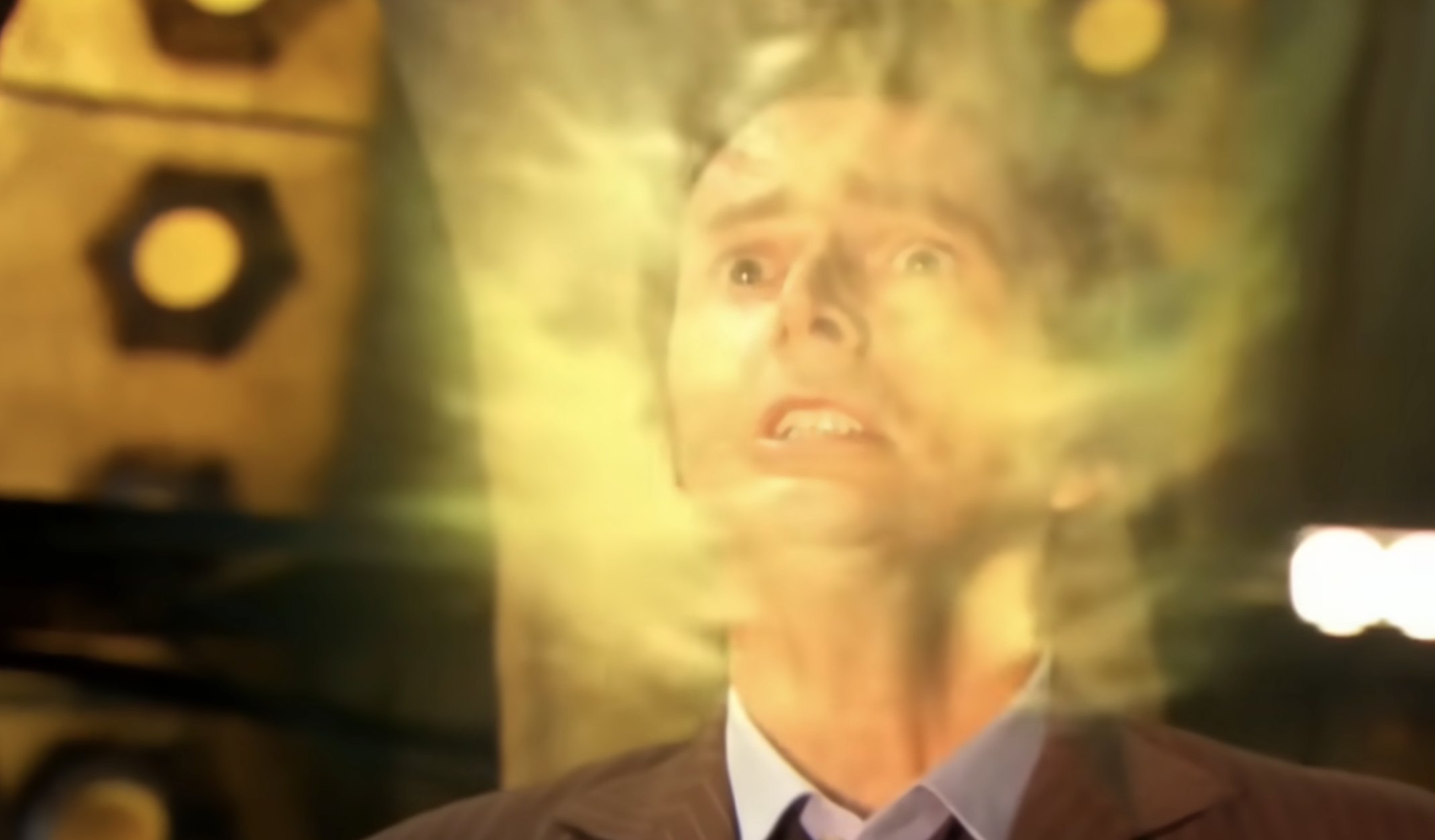
This ability allows Time Lords to live for extended periods. It also allows "Doctor Who" to continue across decades while maintaining a single character. Each regeneration brings change, yet continuity remains.
Time Lords also possess two hearts and a strong resistance to disease. These traits support their long lifespan and reinforce their role as beings who move through time rather than live within it.
Technology and Control of Time
Time Lord technology reflects their deep understanding of the universe. The most well known example is the TARDIS, a machine capable of traveling through time and space. It appears simple from the outside but contains a vast interior.
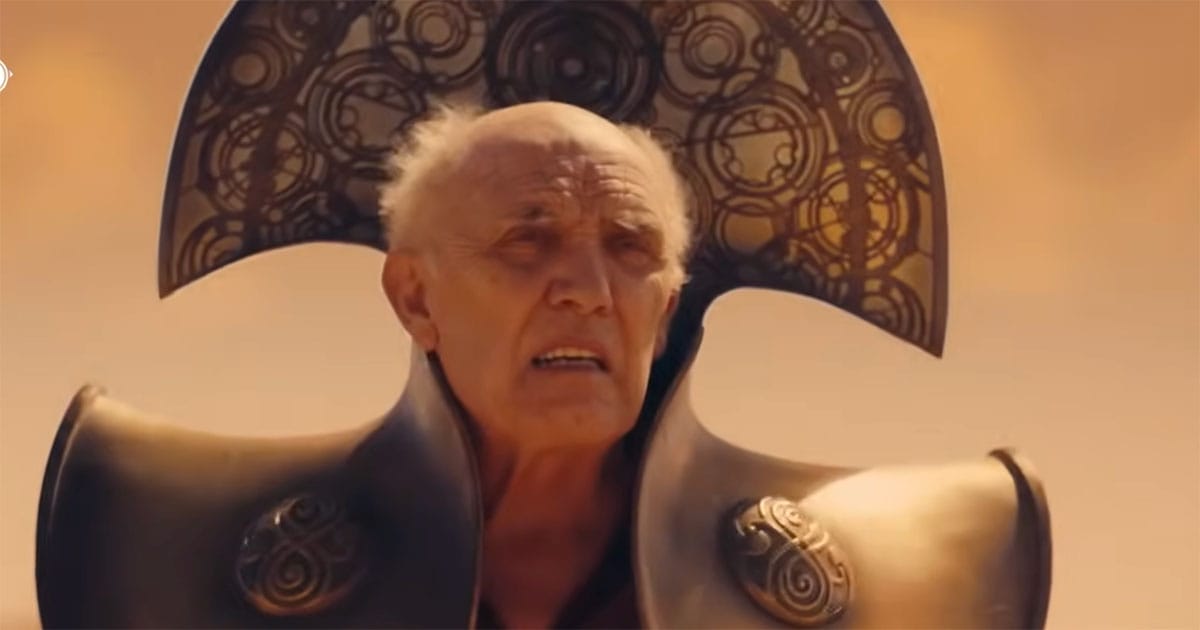
They also maintain systems that observe the timeline. These systems allow them to study history and measure the impact of potential changes. Their control over time is both precise and far reaching.
This level of power creates a central tension. They have the ability to reshape events, yet they choose restraint. Their technology gives them authority, but their philosophy limits its use.
The Doctor as a Time Lord
The Doctor is a Time Lord and the most important example for understanding the species. He shares their abilities, including regeneration and time travel, and originates from Gallifrey like all others.
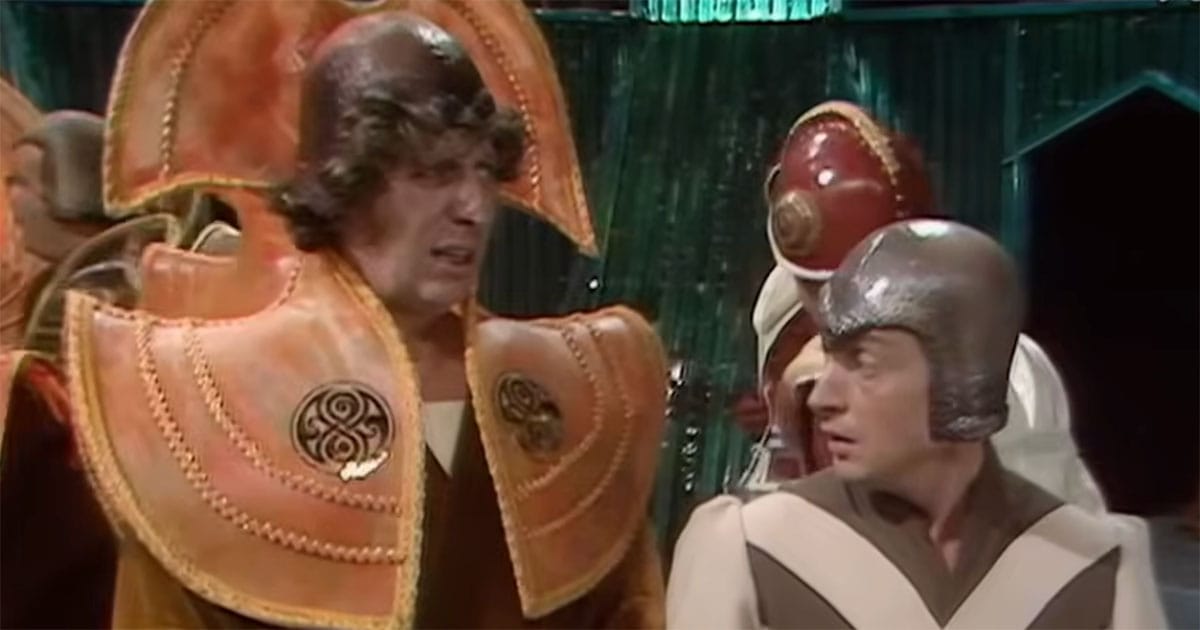
What separates the Doctor is his rejection of Time Lord policy. He leaves his homeworld and travels across time to help others. He does not accept that observation is enough when action is possible.
Where Time Lords preserve order, the Doctor accepts risk. Where they avoid involvement, he takes responsibility. This difference defines his role and gives the series its direction.
The Doctor's choices highlight the limits of Time Lord philosophy. His actions suggest that knowledge carries obligation. Control over time is not neutral. It requires judgment and, at times, intervention.
Contrasting Figures
Other Time Lords reveal different uses of the same power. The Master represents the opposite extreme. He uses Time Lord abilities for control and personal gain.
These contrasts show that a single moral path does not define Time Lords. Their abilities create possibilities, but each individual chooses how to act. This range adds depth to the concept and prevents it from becoming static.
Narrative and Thematic Importance
Time Lords give "Doctor Who" its larger meaning. They allow the series to explore identity through regeneration and long life. A man may change many times, yet still remain himself in important ways.
They also frame the central question of responsibility. If a man can control time, when should he act? The Time Lords answer with restraint. The Doctor answers with action.
This tension drives the series. It keeps the story focused on human concerns, even when dealing with vast ideas.

Lasting Significance
Time Lords remain one of the defining ideas in classic science fiction television. They combine advanced science with moral questions that continue to engage audiences.
Their presence gives "Doctor Who" both scale and structure. They show that even a civilization with mastery over time must still face the problem of choice.