
Top 10 Classic Sci-Fi Books to Read in 2026
Explore the ideas that shaped science fiction with ten essential classics. From distant futures to fallen worlds, these books reward thoughtful readers and remain worth reading in 2026 and beyond.

Classic science fiction novels occupy a special place in the genre's history. They are more than old stories with rockets and robots. They represent the moment when writers first wrestled seriously with the future and what it might demand of mankind.
Readers who return to these books are often searching for ideas rather than spectacle. Authors like Asimov, Clarke, Heinlein, Wells, and Le Guin treated science fiction as a testing ground for ethics, belief, and social order. Their work shaped the language and assumptions that still define the genre today.
For collectors, readers, and gift givers, classic science fiction carries lasting weight. These novels reward careful reading and reflection, offering insights that feel increasingly relevant as technology advances. They also serve as cultural artifacts, preserving the hopes and fears of earlier generations.
This guide focuses on standout classic science fiction novels worth owning, reading, or sharing. Each selection represents a meaningful contribution to the genre's foundation. Whether you are building a personal library or choosing a thoughtful gift, these books offer more than entertainment.
What follows is a curated look at essential works that continue to challenge the imagination. Each title invites the reader into a conversation that has endured for decades and shows no sign of ending.
Frank Herbert's Dune Saga 6-Book Set
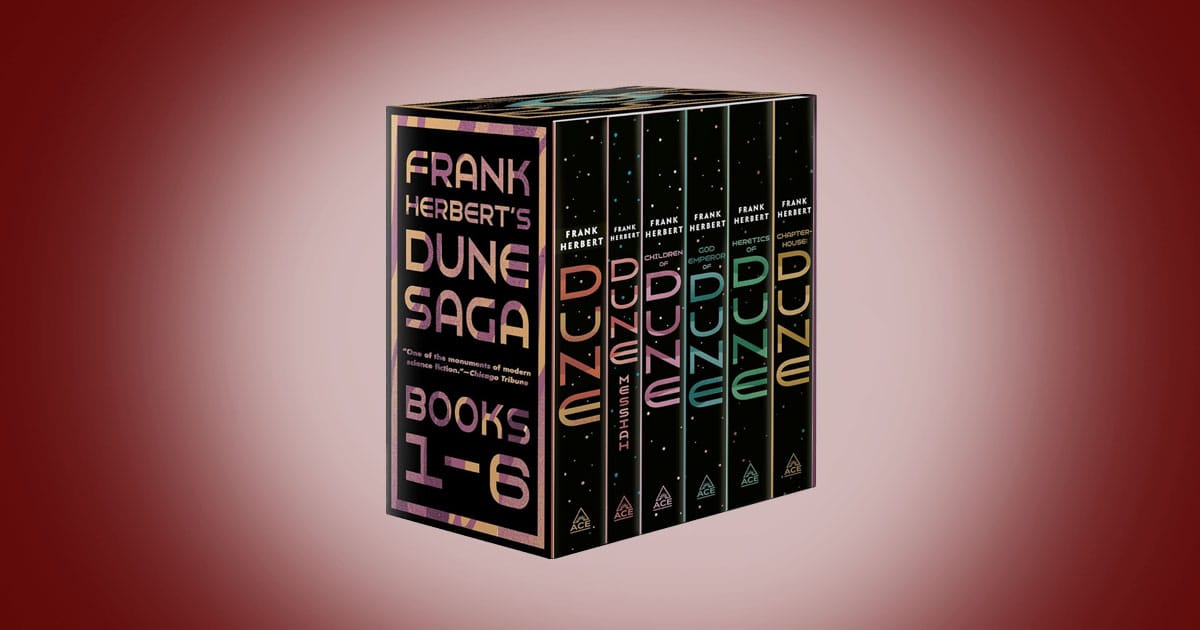
Frank Herbert's Dune Saga imagines a future where survival depends on wisdom rather than comfort. Set on a harsh desert world, the story examines power, prophecy, and the cost of control. Nothing comes without long consequences.
This six book boxed set presents the complete original vision in a single, coherent reading experience. It rewards patient readers who enjoy political tension, moral weight, and ideas that linger. As a collectible, it feels deliberate and enduring timelessly.
1984: 75th Anniversary
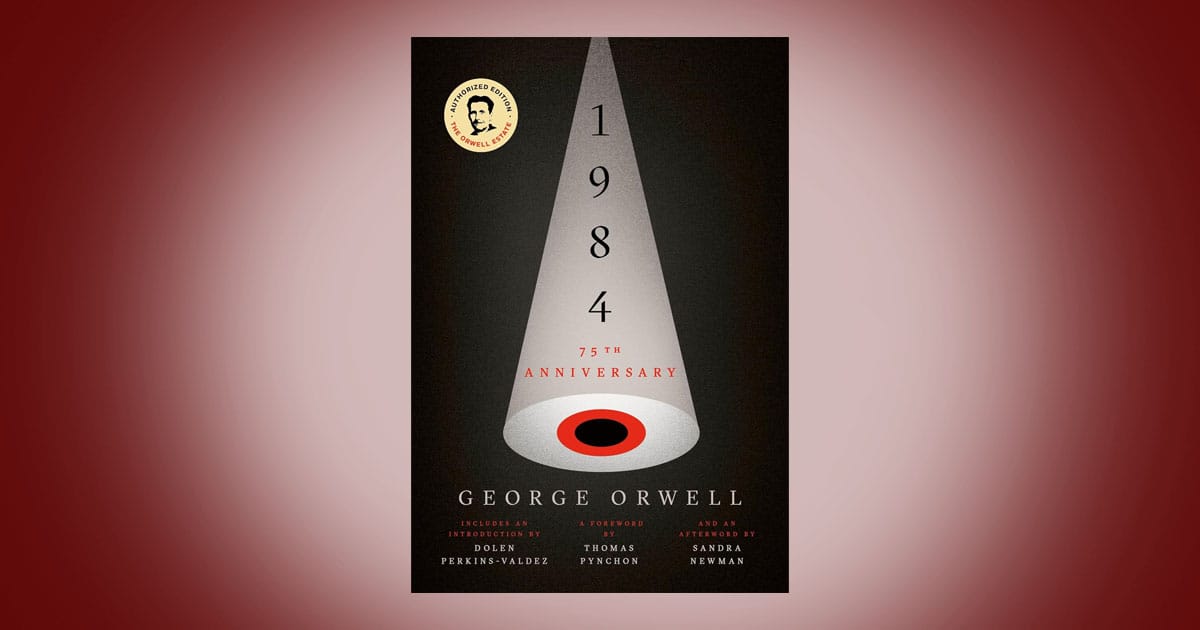
1984 remains one of the most unsettling futures ever put to paper. Orwell imagines a world where truth bends under pressure and language becomes a weapon. The novel's power comes from its quiet plausibility.
This 75th Anniversary Edition restores the novel as a cultural landmark worth revisiting. Added essays provide context without softening the blow. It suits readers who value warning as much as storytelling.
Fahrenheit 451
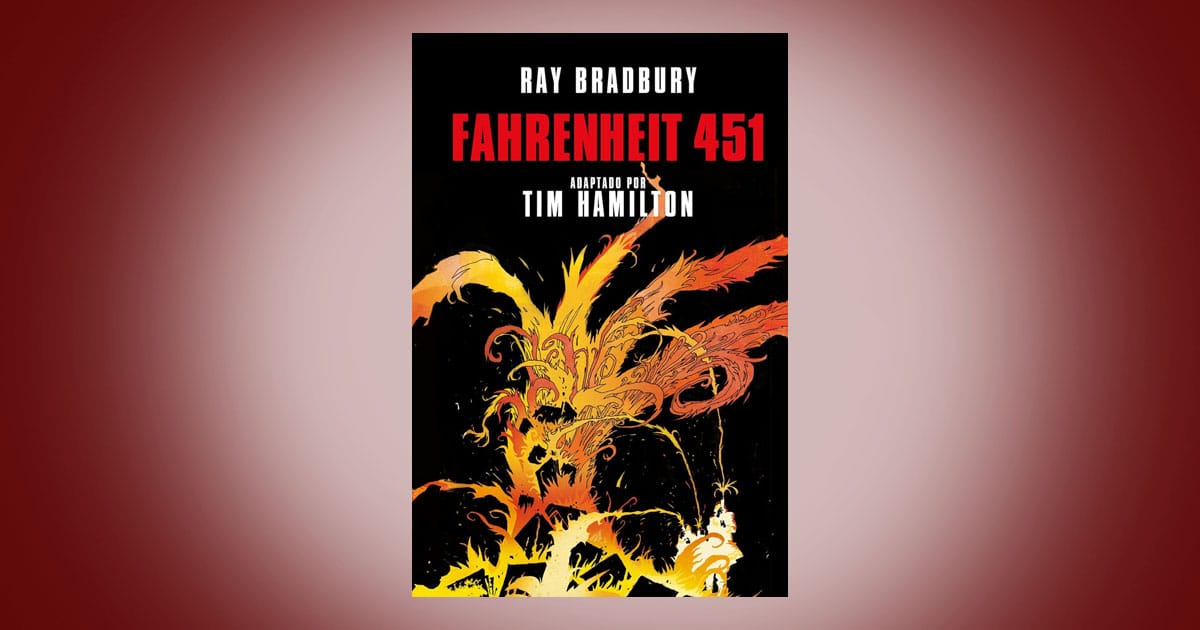
Fahrenheit 451 envisions a future where comfort replaces thought and fire erases memory. Bradbury frames censorship as a temptation rather than a decree. The horror grows from how willingly society accepts ignorance.
This graphic novel adaptation translates that warning into stark visual form. Tim Hamilton's art sharpens the novel's sense of loss and awakening. It appeals to readers who value ideas delivered with immediacy and lasting force.
Foundation and Chaos
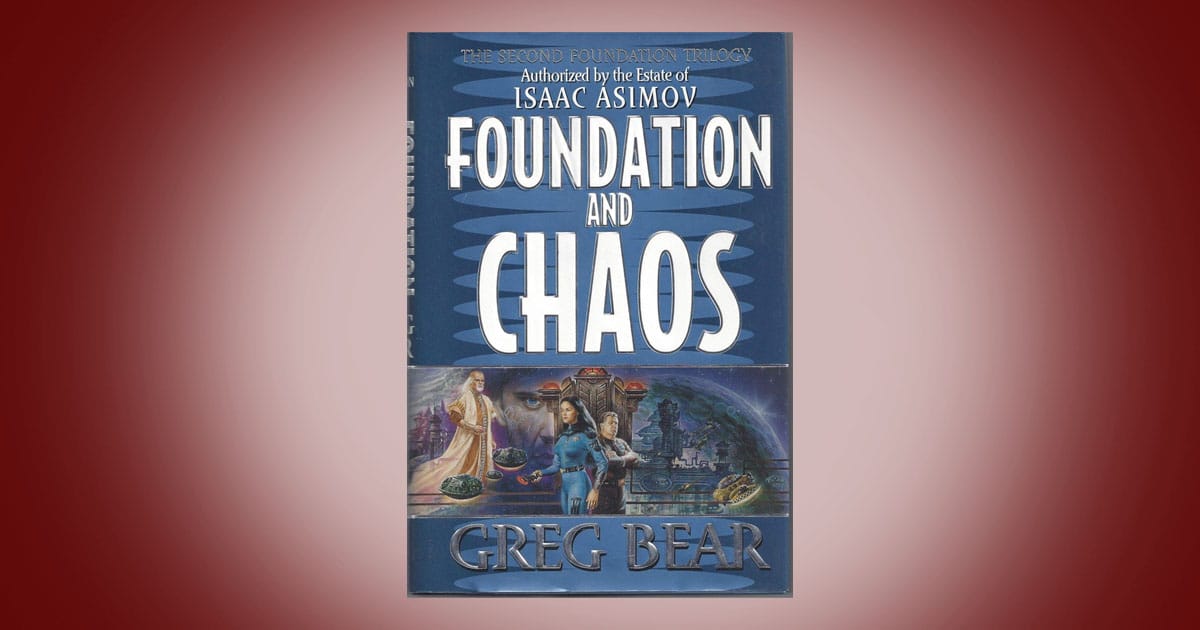
Foundation and Chaos extends Isaac Asimov's future history through a lens of uncertainty. Greg Bear focuses on the hidden tensions within the robot guardians of humanity. The familiar promise of order begins to fray.
As part of the Second Foundation Trilogy, this novel explores choice in a world where obedience once ruled. It suits readers who appreciate continuity treated with care and intelligence. The hardcover edition feels like a serious contribution rather than a mere sequel overall today.
The Hitchhiker's Guide to the Galaxy 25th Edition
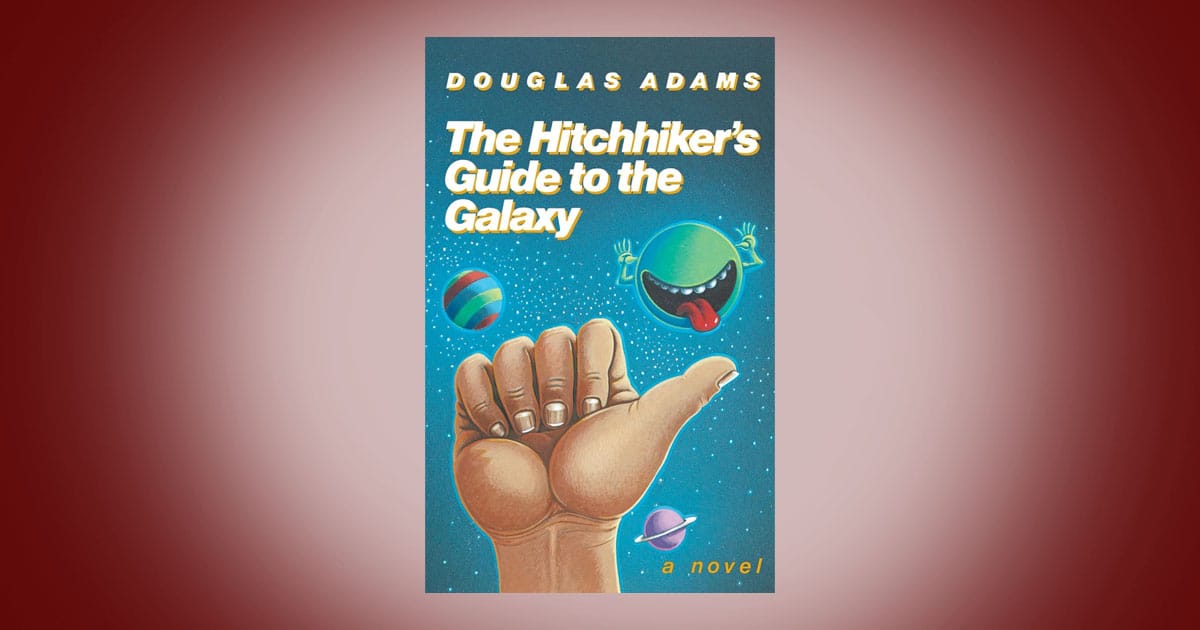
The Hitchhiker's Guide to the Galaxy treats the collapse of Earth as a minor inconvenience. Douglas Adams blends cosmic absurdity with sharp observation about modern life. Humor becomes a way to confront a meaningless universe without despair.
This 25th Anniversary hardcover preserves the novel as both a cultural artifact and a comedy. It appeals to readers who enjoy wit layered over serious questions. The book rewards rereading through language, timing, and ideas.
Frankenstein
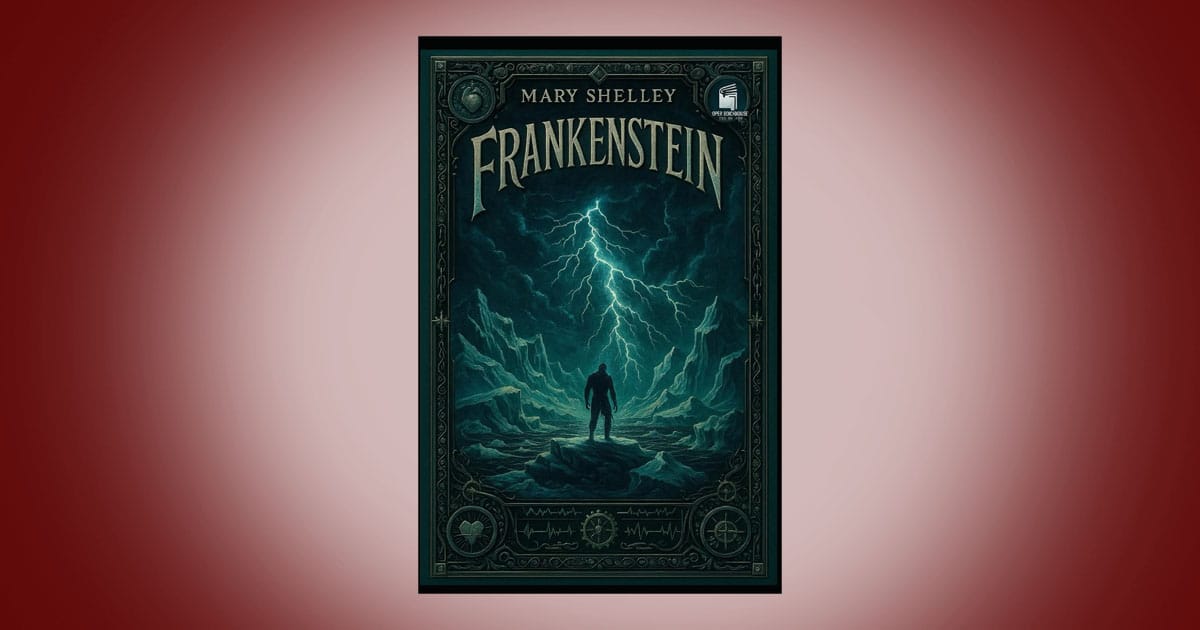
Frankenstein confronts the dangers of knowledge pursued without humility. Shelley frames creation as a moral burden rather than a triumph. The novel's power lies in its sorrow and restraint.
This annotated and illustrated edition deepens that experience through historical notes and visual context. It benefits readers who value careful study and atmosphere. As a collectible, it honors the novel's seriousness and lasting influence.
Neuromancer
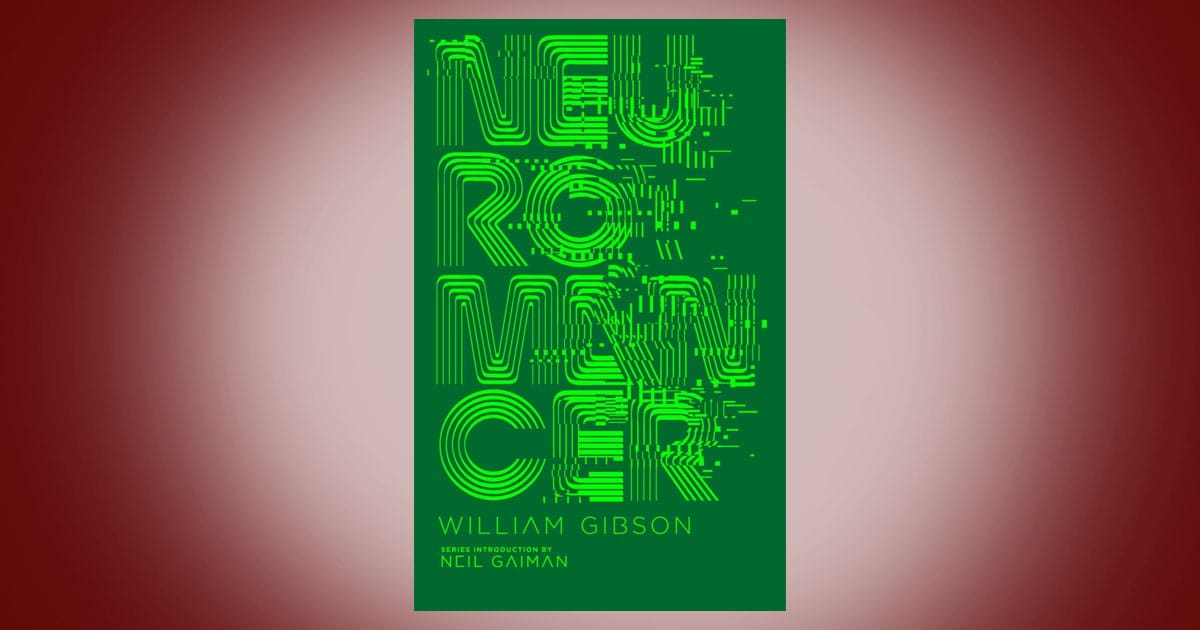
Neuromancer imagines a future wired together by data and desperation. Gibson presents technology as seductive and corrosive at the same time. The world feels cold, fast, and eerily familiar.
This Penguin Galaxy hardcover frames the novel as a modern classic. The design emphasizes clarity and restraint, matching the book's sharp vision. It suits readers who enjoy ideas delivered with speed and unease.
The Left Hand of Darkness
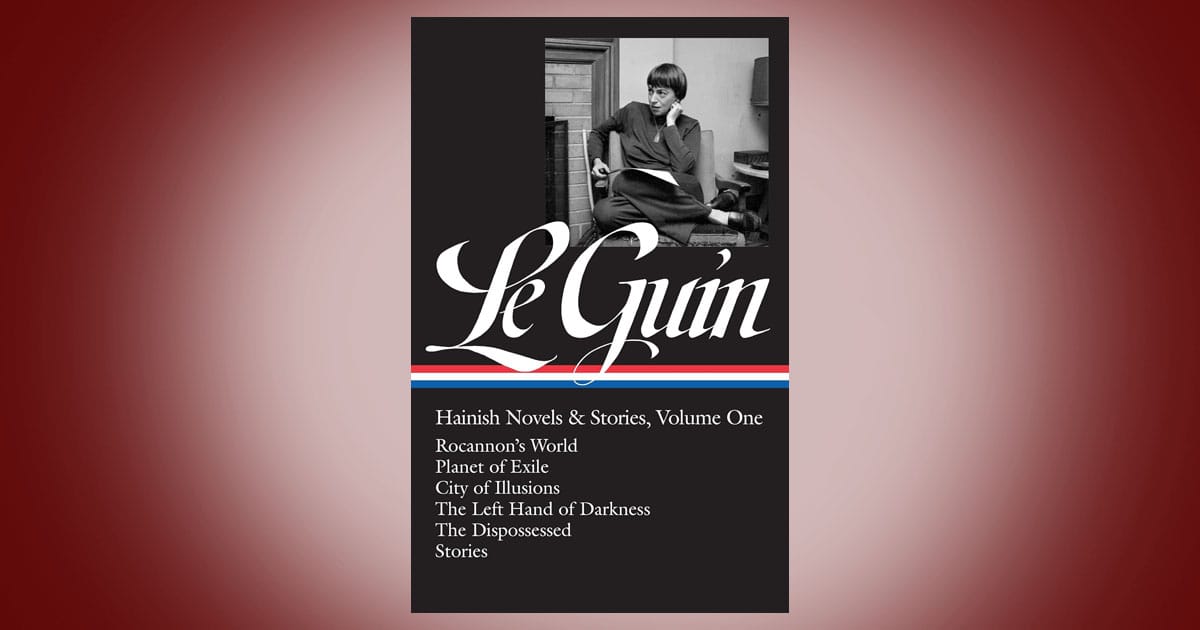
Hainish Cycle presents humanity spread across distant worlds, shaped more by culture than by machines. Ursula K. Le Guin treats exploration as a moral and anthropological act. The stories unfold with patience and quiet authority.
This Library of America volume gathers the early Hainish novels in a permanent, archival edition. It rewards readers who value reflection over spectacle. As a collection, it feels essential rather than decorative.
The Martian Chronicles
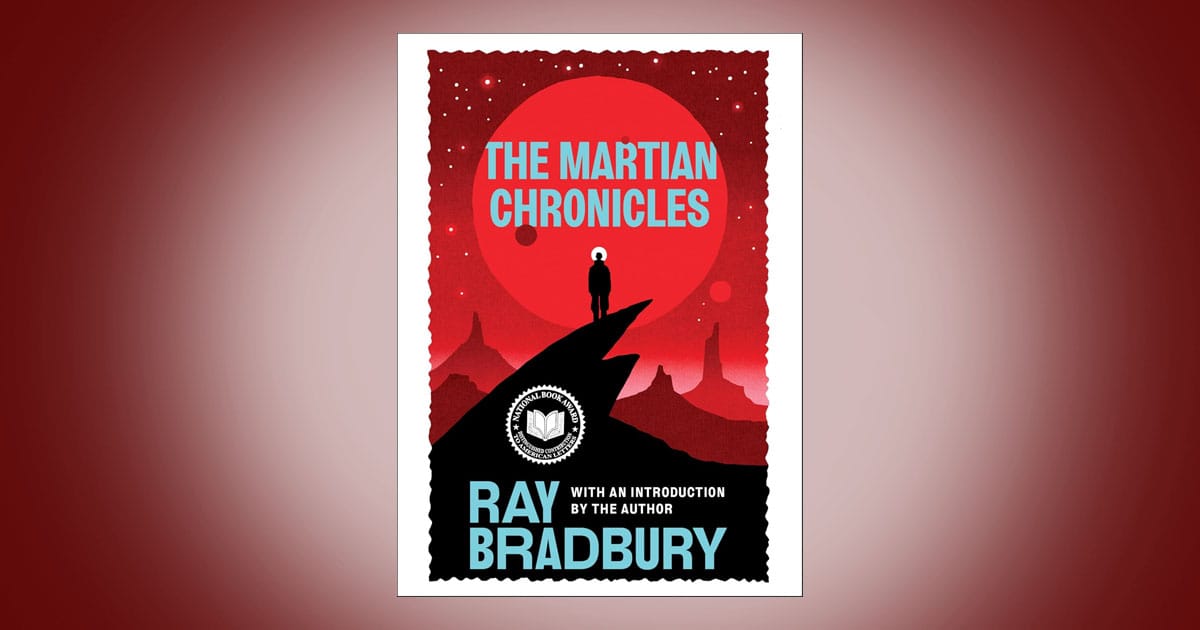
The Martian Chronicles approaches space travel as memory rather than conquest. Bradbury uses Mars to reflect human longing, regret, and habit. The future feels fragile and haunted.
This hardcover edition presents the interconnected stories as a single emotional arc. It rewards readers who prefer atmosphere to hardware. As a classic, it remains reflective, mournful, and quietly unsettling.
A Canticle For Leibowitz
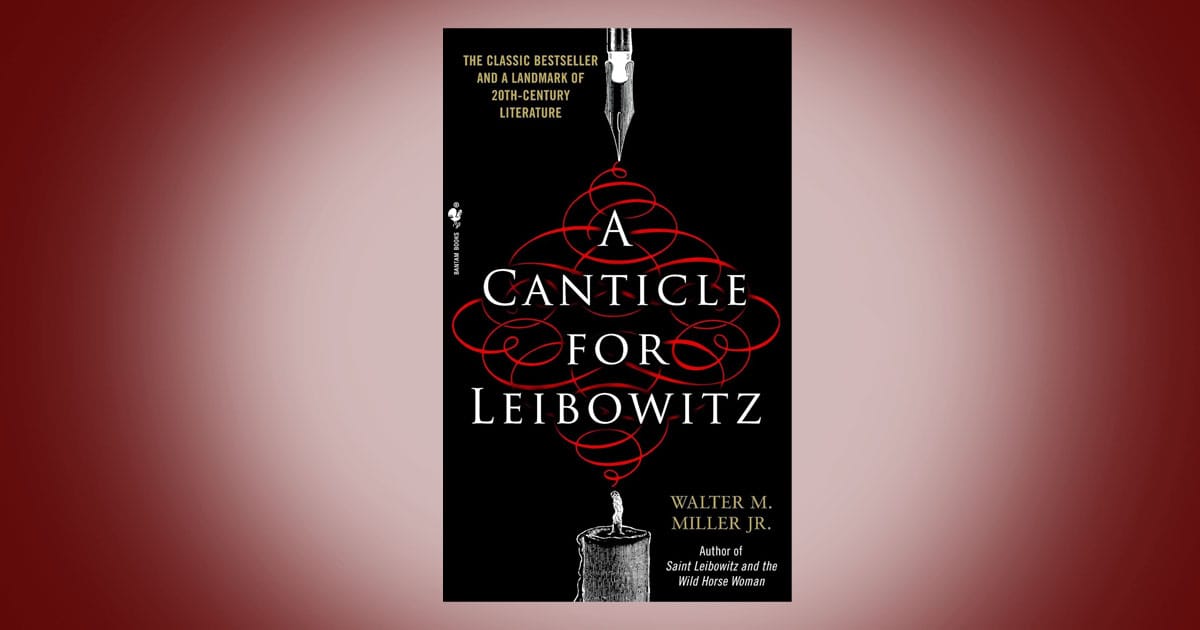
"A Canticle for Leibowitz" follows monks who copy broken science after a nuclear ruin. The novel moves through three eras, from a new Dark Age to a hard-won Renaissance. It shows civilization repeating its sins under brighter lamps.
On paperback, Miller's prose feels plainspoken and surgical, with flashes of black humor. Faith and reason argue without easy winners. The ending lands like a prayer said over ashes and lingers in the mind for days.