
What Makes Star Trek Endure
A look at the discipline and steady leadership that shaped classic Star Trek and helped create a future built on order, duty, and purpose.

This Week in Classic Science Fiction
Fans first returned to the bridge of the Enterprise in December of 1979 when "Star Trek: The Motion Picture" opened in American theaters. The timing added a sense of anticipation as audiences stepped into winter with a story that treated space exploration as a serious calling. Its release marked a moment when science fiction reached again for grandeur and purpose.
Another December event arrived in 1966 with the broadcast of "The Conscience of the King." Viewers saw the series lean into the moral weight carried by a man in command and the tension that follows when past deeds rise to the surface. The episode showed that Star Trek relied on reflection as much as adventure and used character to anchor its questions.
A third milestone from this same week came in 1996 with the episode "Macrocosm." The story placed its captain in a direct struggle yet still emphasized clear judgment and self-control. It was evidence that even as the franchise adapted to a changing era, it held fast to the discipline that shaped its identity.
All of these December moments point to a franchise built on order and steady leadership. Star Trek expanded its reach while keeping its foundation firmly in place.
Sponsored by: Among the Ruins of Light T-shirt

The “Among the Ruins of Light” T-shirt captures the quiet resolve of a pilot on the edge of an uncertain frontier. The design shows a lone figure looking toward twin suns that hang above a world caught between peace and conflict. It speaks to anyone who enjoys stories of duty, courage, and the long watch that marks a soldier’s life in deep space. This shirt is part of our galactic pilot collection and offers a bold way to carry the spirit of classic military science fiction into your everyday routine.
Why Structure and Discipline Hold Star Trek Together
Star Trek endures because it presents a future shaped by order rather than disorder. The series offers a world where calm action matters more than noise and where structure gives meaning to each mission. Viewers sense that the universe works because the people within it take their responsibilities seriously. That steady tone separates Star Trek from stories that rely on spectacle alone.
The heart of the franchise has always been the dignity of purposeful work. The crew of a starship faces wonders that stretch imagination, yet the response is measured rather than frantic. Discipline allows the extraordinary to remain believable. It also gives the series a sense of maturity that appeals to viewers who value clarity over chaos.
Starfleet and the Architecture of Order
Starfleet serves as the backbone of the entire fictional world. Its uniforms, training, and hierarchy present a future that feels stable and coherent. A viewer senses that each crewman knows his role and understands the duty placed upon him. That confidence in process gives the narrative an anchor.
The world of Star Trek becomes more inviting because it is organized. The missions feel real when preparation is treated as a virtue. Even the strangest discoveries hold meaning when filtered through the hands of a disciplined team. Starfleet's structure creates a sense of earned progress.
The franchise also shows that exploration demands more than curiosity. It demands order. That expectation shapes every decision and gives the stories a dependable rhythm. Starfleet stands as a reminder that a clear system strengthens even the most daring journey.
Leadership as the Center of Gravity
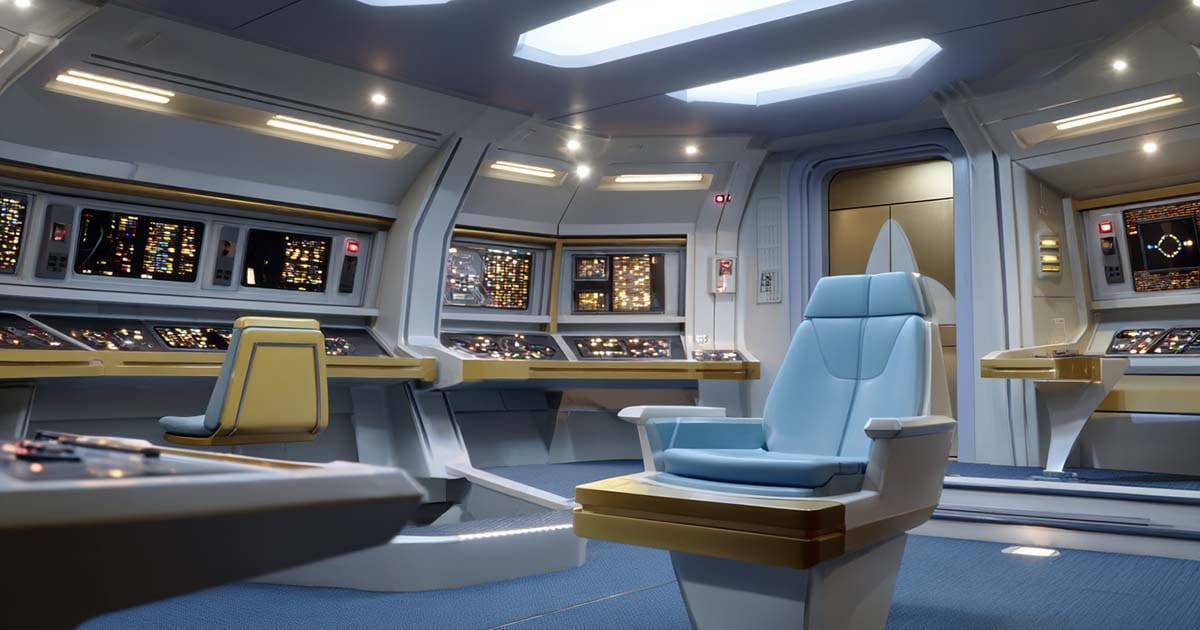
The captain's chair brings a calm authority to the entire ship. The men who occupy it lead with judgment rather than impulse. They listen before they act and make choices that carry weight. Their steadiness becomes a guide for everyone under their command.
Viewers recognize that leadership in Star Trek is a burden carried with quiet resolve. The captain is expected to protect his crew while upholding the mission's values. He does not chase glory. He provides direction and sets the tone for how the ship confronts danger.
This approach gives the franchise a sense of balance. Conflict becomes meaningful because it is handled with thought rather than noise. The captain's decisions feel significant because they arise from duty. His restraint strengthens the world around him.
Routine as the Foundation of Adventure
While Star Trek delivers moments of danger and discovery, it is the daily routines that give those moments weight. Logs, briefings, and repeated procedures create the feeling that the crew lives real lives between crises. These small habits allow the extraordinary to appear as rare and consequential rather than constant noise.
Routine also creates a contrast that heightens tension. A normal day aboard the Enterprise carries a familiar rhythm. When that rhythm breaks, the audience feels the shift. The disruption matters because order had been firmly established.
This blend of predictability and risk makes the adventures more engaging. The crew's discipline provides the tools needed to respond without panic. Their professionalism provides reassurance in every encounter.
A Steady Light in the Deep
Star Trek has lasted because it treats discipline as the force that holds its universe together. The series honors the man who stays clear headed when uncertainty closes in. That model resonates with viewers who find comfort in a future guided by structure rather than confusion.
The stories endure because they rest on dependable values. Each episode shows that the future is shaped by responsible men who understand their duty. The Enterprise moves through the void with confidence because its crew respects the order that protects them.
In a world that often feels hurried, Star Trek offers a reminder that steadiness still matters. Courage becomes strongest when paired with discipline. A ship run with care and purpose can travel far beyond the edge of the stars.
Star Trek Trivia
- The sound of the Enterprise transporter effect was created by blending a slowed-down cymbal crash with electronic reverb.
- William Shatner wore a different hairpiece nearly every season to keep Captain Kirk's look consistent under studio lighting.
- The sound of the Enterprise's doors came from a simple sheet of paper being pulled quickly across a microphone.