
Why Planets Like Tatooine Matter in Science Fiction Stories
Why planets like Tatooine matter in science fiction stories. Explore how frontier worlds shape heroes, define conflict, and drive narrative in classic sci-fi films.

"Why Are Certain Planets Like Tatooine So Central to the Story"
In science fiction, some planets do far more than provide scenery. They hold the story together by shaping its mood, its conflicts, and its view of human nature.
Tatooine in "Star Wars Episode IV A New Hope" matters for exactly that reason. It is the place where the story discovers its moral bearings before it enters the wider galaxy.
A central planet gives the audience a firm place to begin. Before a viewer can understand empires, rebellions, smugglers, and ancient orders, he needs ground under his feet. Tatooine provides that ground. Its sand, heat, poverty, and danger establish a world where life is hard and choices matter.
The planet as foundation
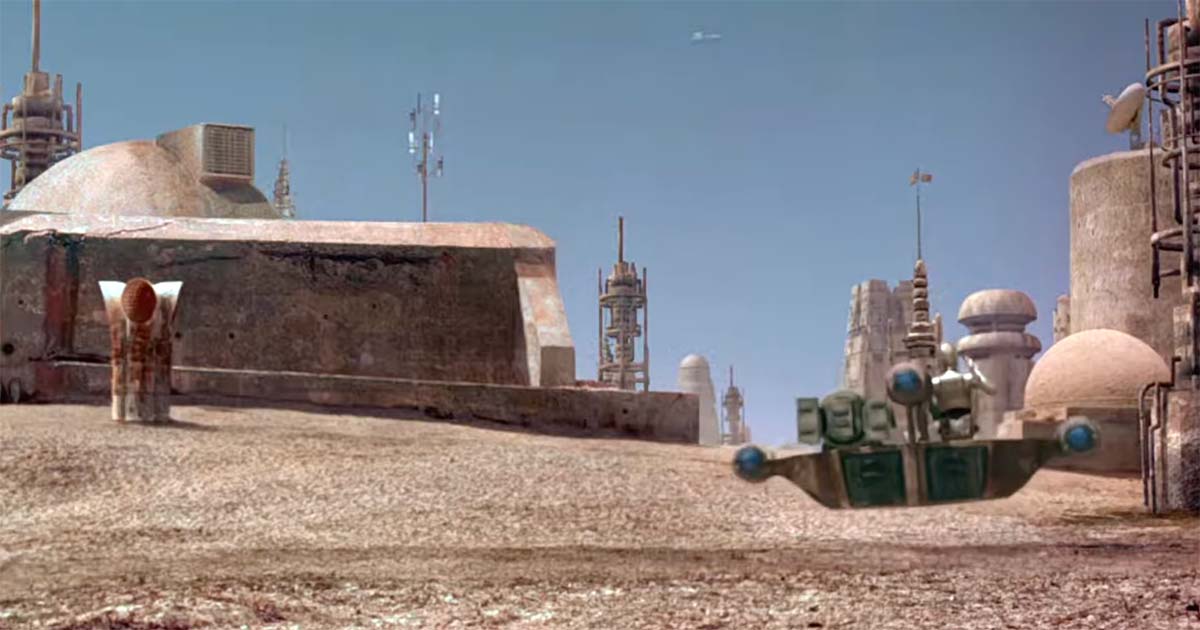
The importance of Tatooine begins with narrative economy. A story of galactic scale needs a local point of entry. If the film began in the center of power, the audience would face systems and politics before it cared about the people inside them.
Instead, the story begins far from the center. That distance gives the plot clarity. It lets the audience encounter the galaxy through the eyes of a young man whose life is limited, ordinary, and understandable.
This is one reason planets like Tatooine become central to the story. They reduce complexity at the beginning so the larger design can unfold step by step. The audience first learns what a person wants, what he lacks, and what kind of world has formed him.
The frontier and the American imagination
Tatooine also draws its strength from the frontier tradition. In classic American storytelling, the frontier is a proving ground where comfort is scarce and character is tested. It is a place where formal authority weakens and personal responsibility grows.
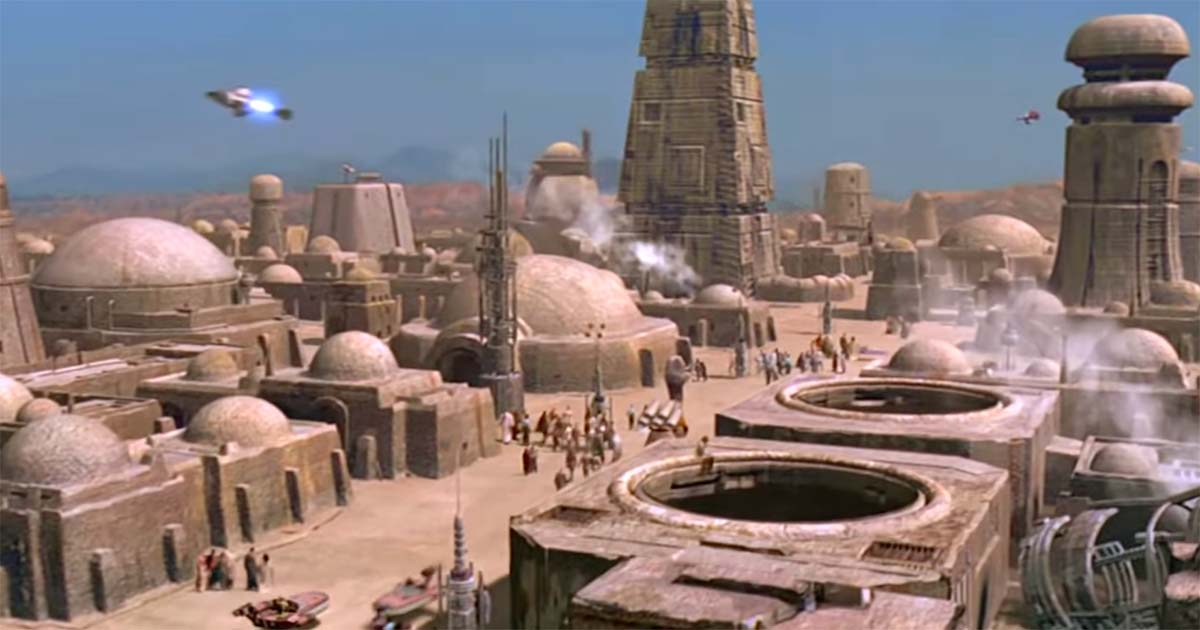
Science fiction often takes that frontier model and moves it into space. Tatooine is a frontier world in nearly every sense. It is remote, rough, commercially active, and morally dangerous.
This matters because the frontier remains one of the clearest ways to dramatize growth. A protected man may talk about virtue, but a tested man reveals it. Tatooine places its people under pressure, and pressure shows who they are.
That pressure shapes the atmosphere of "Star Wars Episode IV A New Hope." Uncle Owen is practical because survival requires practicality. Luke Skywalker dreams of something larger because confinement sharpens longing.
Hardship gives meaning to aspiration
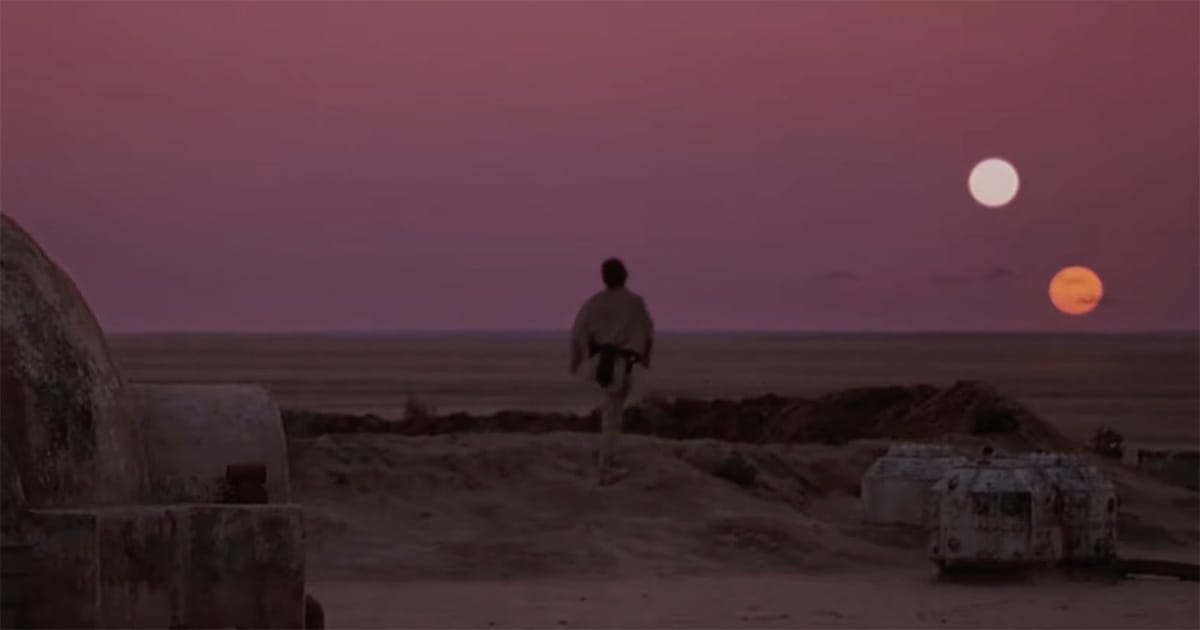
A planet becomes central when it gives emotional weight to a character's desire. Luke does not merely want adventure in the abstract. He wants escape from labor, heat, repetition, and a life that appears already decided for him.
The image of the twin suns works because the landscape around it is so spare. If he were already living in abundance, his longing would carry less force. Tatooine makes aspiration credible because it first shows limitation.
This is a pattern found throughout classic science fiction. A severe world gives ambition its edge. The dream of departure matters most when the place of origin feels binding, exposed, and demanding.
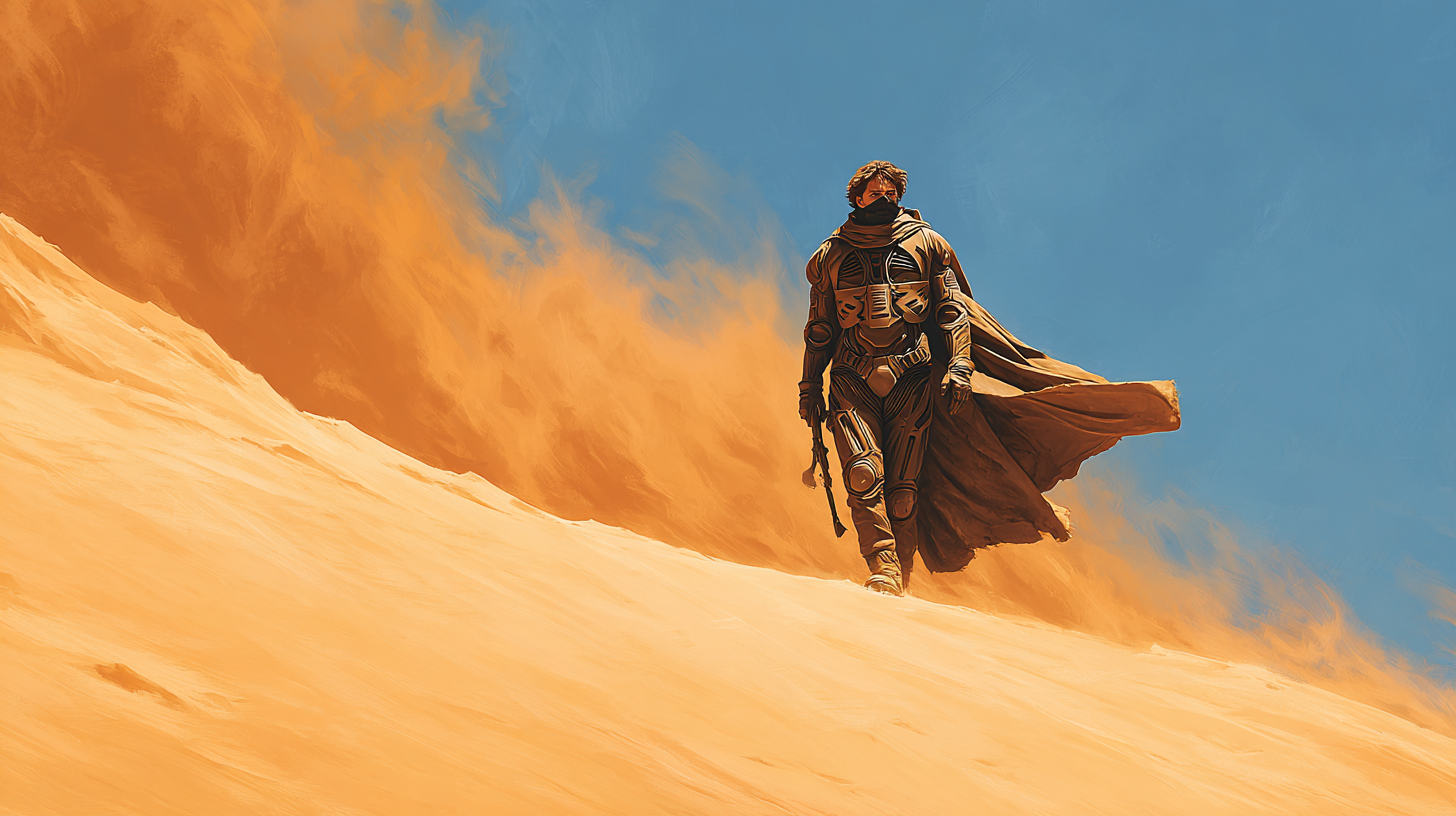
That same principle helps explain why Arrakis is central in "Dune." The environment shapes not only survival, but belief and destiny.
A planet can become a moral diagram
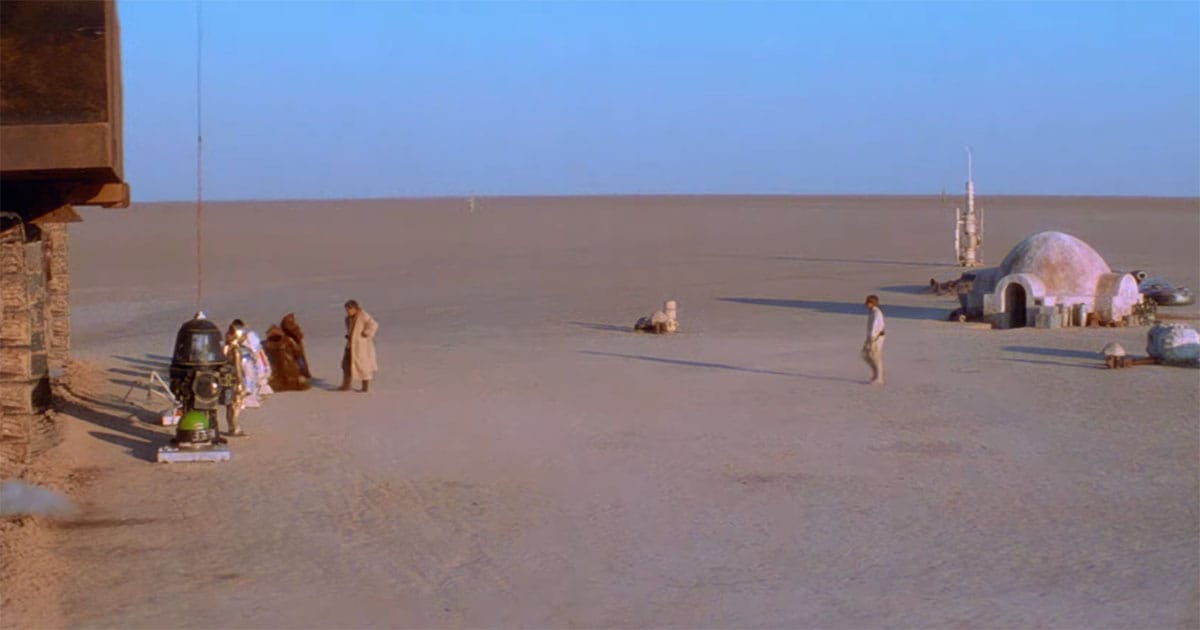
Tatooine is simple on the surface, but that simplicity is part of its power. A desert world strips away distraction. It reduces life to need, risk, labor, and exchange.
When a setting does that, it becomes almost diagrammatic. It shows essential truths in visible form. Scarcity reveals who hoards, who serves, who bargains, and who endures.
This is one reason audiences remember planets like Tatooine so vividly. The planet is not cluttered with detail for its own sake. Its design channels attention toward human behavior under pressure.
The edge of civilization
Another reason certain planets become central is their location at the edge of established order. Tatooine lies far from the Empire's polished machinery. That distance allows both lawlessness and freedom.
Edges are dramatically useful because they permit hidden beginnings. Great figures can emerge in obscurity. Dangerous information can change hands. New loyalties can form away from official scrutiny.
Stories often depend on that margin. The center of power preserves itself, but the edge remains porous. Smugglers, farmers, scavengers, fugitives, and wanderers all move through such places, and that mixture generates story.
Familiar patterns across the genre
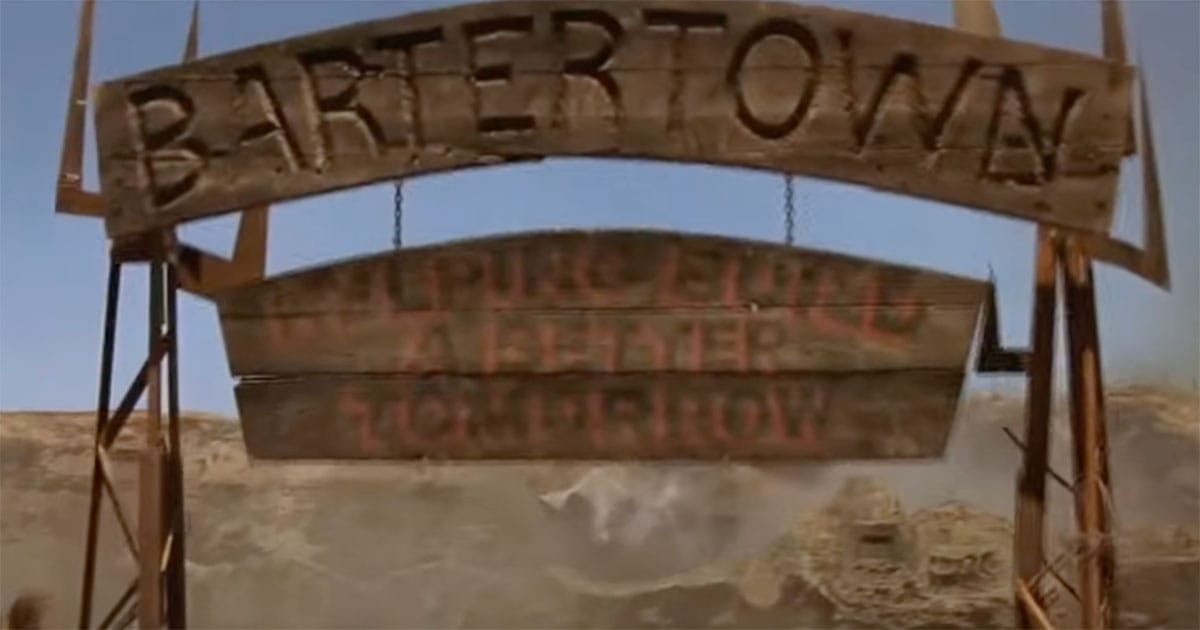
This structure appears across many science fiction films, which helps explain its staying power. The details change, but the function remains consistent. A harsh or remote world shapes the man before the larger conflict begins.
A few clear examples reinforce the pattern:
- "Dune" – Arrakis as a world shaped by scarcity and discipline
- "Mad Max Fury Road" – A wasteland that reduces life to survival
- "Pitch Black" – A hostile planet that forces cooperation under threat
These films follow the same logic as "Star Wars Episode IV A New Hope." The environment is not secondary. It is the engine that drives character and conflict.
Visual clarity and memory
Science fiction depends on immediate recognition. Tatooine succeeds because one look tells the audience where it is. The bleached light, endless dunes, crude machinery, and worn settlements create a strong visual identity.
That kind of identity does more than please the eye. It makes narrative memory easier. The audience recalls where the hero began, and that memory gives later developments shape.
A planet with less visual coherence may still be interesting, but it will not anchor the story as effectively. Tatooine anchors it because it is clear and elemental.
Why the pattern endures
Planets like Tatooine remain central because they unite several functions that fiction needs. They introduce character, dramatize hardship, symbolize theme, and simplify a vast setting into human terms. Very few story elements can do all of that at once.
They also reflect an enduring truth about storytelling. A man often begins in limitation before he earns a larger world. He starts in dust, uncertainty, and routine, then discovers that the wider universe demands more from him than he expected.