
12 Hidden Details in “Star Wars” That Make the Galaxy Feel Real
A closer look at 12 hidden details in “Star Wars” original trilogy reveals how worn machines, routine lives, and implied history create a deeply believable galaxy.

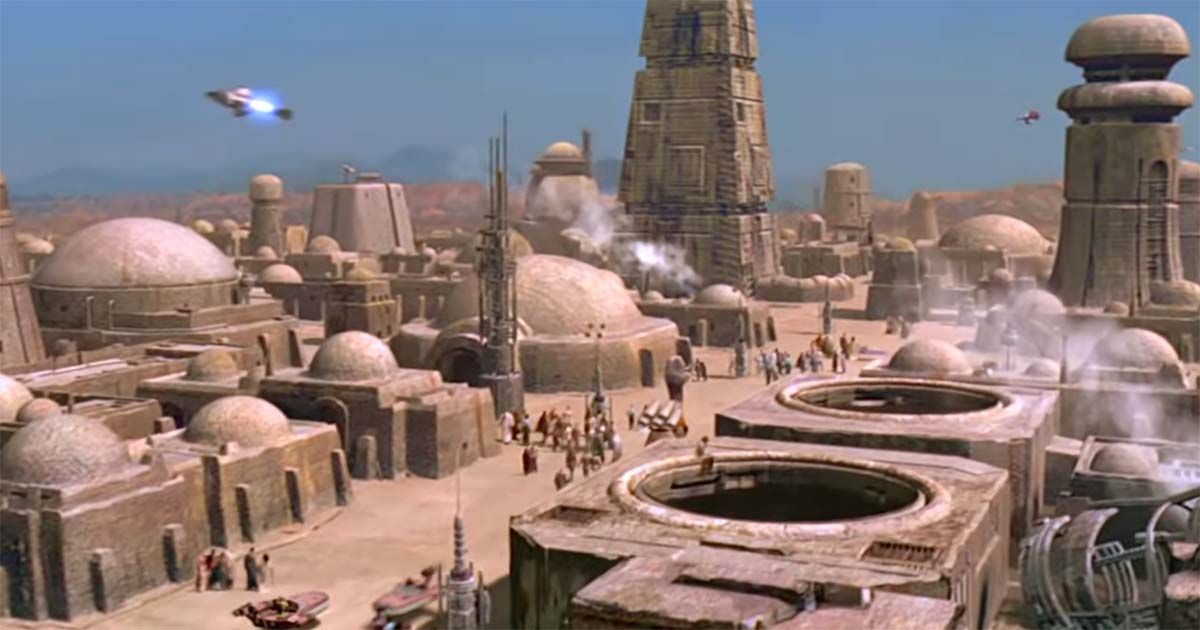
The Lived-In Galaxy
The enduring illusion of reality in "Star Wars" rests not on exposition but on accumulation. When it first appeared in 1977, the film stood apart from much of contemporary science fiction by refusing to explain itself in conventional terms.
There is no protracted orientation to its political structures, no systematic breakdown of its technologies, and no guiding voice to mediate the unfamiliar. Instead, the viewer is placed within a functioning world and expected to keep pace.
Across "Star Wars," "The Empire Strikes Back," and "Return of the Jedi," this strategy becomes a governing principle. The trilogy presents a galaxy that is already worn, already inhabited, and already in decline in certain corners.
Its environments bear the marks of use, its machines exhibit failure as often as function, and its inhabitants behave as though their lives extend beyond the boundaries of the frame. This approach transforms what might have been spectacle into something closer to observation.
The effect is cumulative rather than declarative. No single detail establishes credibility on its own, yet, taken together, they form a network of suggestions that imply history, economy, and routine. The viewer is not told that this galaxy is real, but is instead given sufficient evidence to infer it. What follows are twelve such details, each minor in isolation, yet essential to the trilogy's enduring sense of authenticity.
Machines That Have Owners
The first detail lies in the mechanical temperament of the Millennium Falcon. Under the command of Han Solo, the ship resists the notion of seamless futurism.
Its hyperdrive failures interrupt escape and complicate intention, introducing friction into what might otherwise be effortless travel. This friction implies maintenance, age, and the limits of repair.
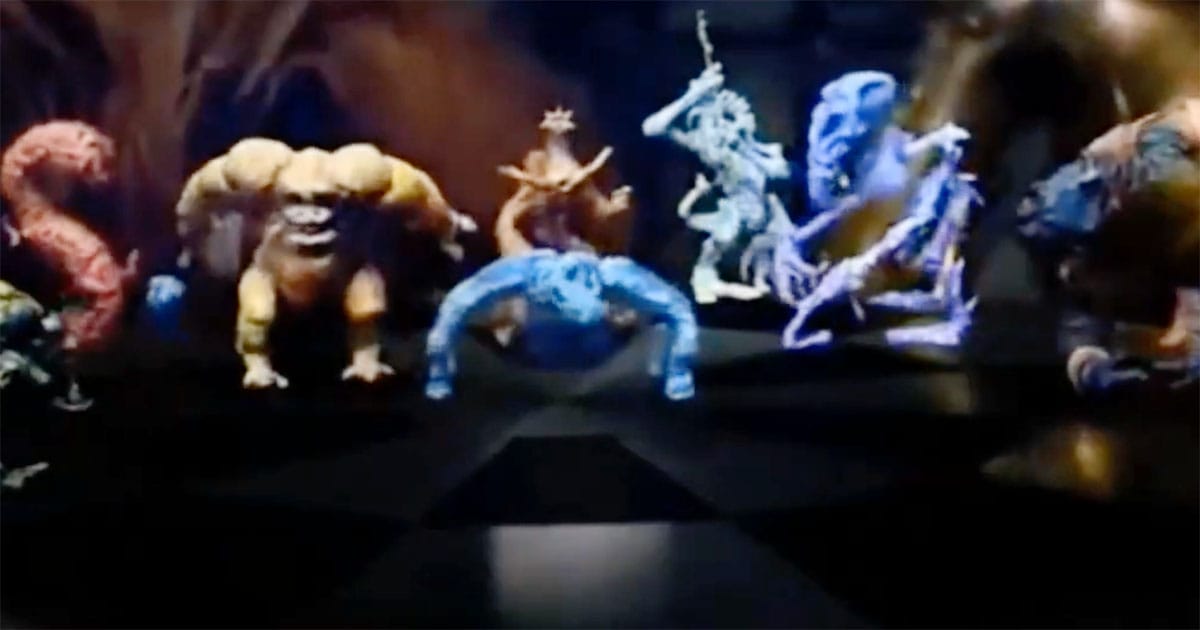
A second detail emerges in the Falcon's interior spaces. The dejarik table, worn seating, and exposed conduits suggest a vessel shaped by habitation rather than design.
Objects are not arranged for display, but for use, and often left where they last proved useful. The ship reads as an environment of work and rest, marked by time rather than polish.
A third detail appears in the condition of Luke Skywalker's landspeeder. Its weathered exterior reflects a life of constant exposure and practical necessity.
The vehicle functions reliably enough, but its appearance speaks to a culture of endurance rather than replacement. This distinction situates Tatooine within a broader economic hierarchy.
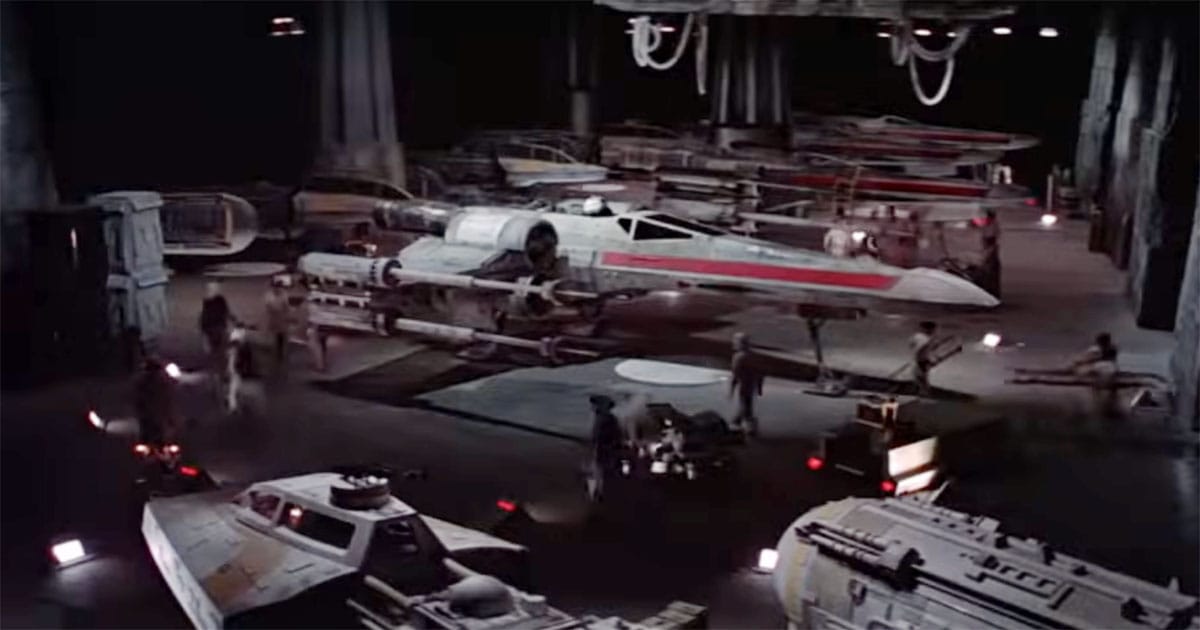
A fourth detail grounds the Rebel Alliance in visible preparation. Within the Yavin base, technicians move with practiced efficiency, tending to starfighters before launch.
Their actions suggest training, coordination, and routine, all of which exist beyond the immediate demands of the narrative. Heroism, in this context, is supported by labor that rarely receives acknowledgment.
Background Lives and Local Customs
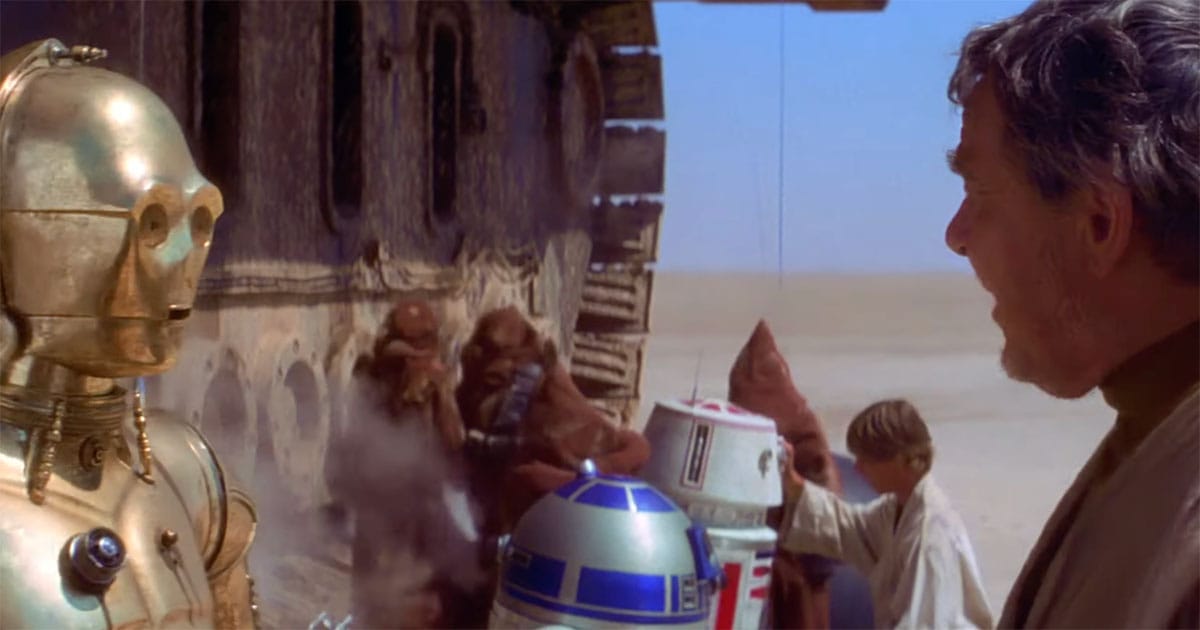
A fifth detail emerges in the Jawas and their scavenging economy. Their trade in droids reflects a system of value built on recovery and redistribution.
Their interaction with Owen Lars demonstrates shared assumptions about worth, function, and negotiation. This exchange implies a network of needs that extends far beyond a single farm.
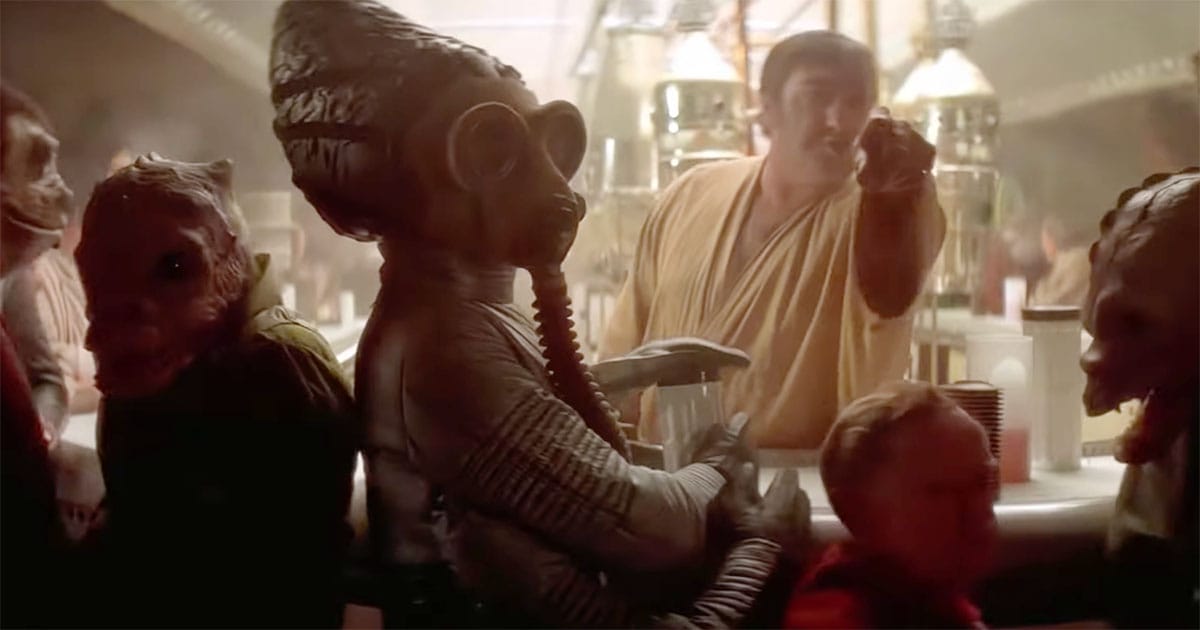
A sixth detail takes shape within the Mos Eisley cantina. The musicians perform without regard for the narrative significance of the moment.
Patrons occupy themselves with conversation and drink, largely indifferent to the presence of outsiders. The scene conveys a social rhythm that persists independently of galactic conflict.
A seventh detail appears in the domestic routine of the Lars household. Beru Whitesun Lars serves blue milk as part of an unremarkable meal.
The absence of explanation transforms the object into a quiet assertion of normalcy. It suggests systems of agriculture and distribution that function without narrative attention.
An eighth detail introduces a form of unintended ecology within Imperial space. The garbage compactor aboard the Death Star contains a living organism that thrives within refuse.
This presence indicates that even the most controlled environments generate byproducts that resist regulation. Order, in this galaxy, is always partial.
The Empire as Bureaucracy
A ninth detail reveals itself through the informal behavior of stormtroopers. Their casual exchanges about assignments and equipment suggest familiarity with routine.
These soldiers are not perpetually alert symbols, but participants in an ongoing system of duty. Their presence gains weight through repetition rather than spectacle.
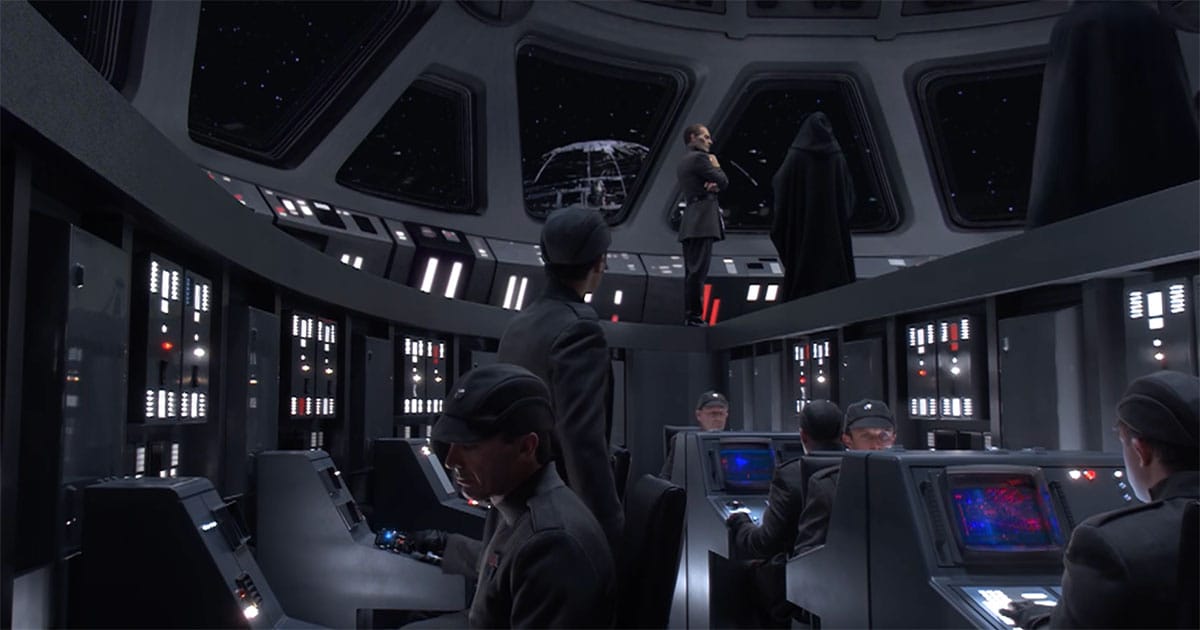
A tenth detail unfolds in the disagreements among Imperial officers. Authority figures such as Grand Moff Tarkin operate within a structure that permits debate, however constrained.
These exchanges expose hierarchy as something negotiated through language and protocol. Power is maintained not only through force, but through administration.
An eleventh detail lies in the procedural texture of the Death Star. Communication channels remain active, identification is verified, and detention follows recognizable patterns.
These processes suggest continuity and scale, reinforcing the idea of an institution that functions beyond moments of crisis. The intrusion of the protagonists disrupts, but does not define, this system.
Ruins, Relics, and Unspoken History
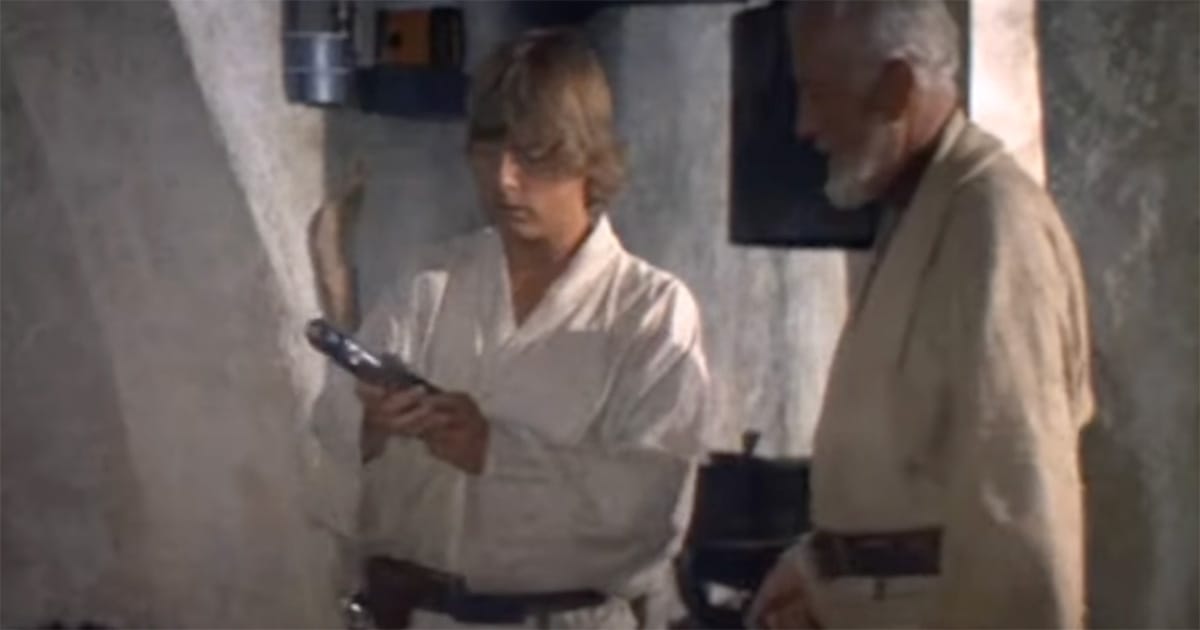
A twelfth detail anchors the trilogy in a past that remains deliberately obscured. Obi-Wan Kenobi speaks of the Clone Wars with the ease of recollection rather than exposition.
His lightsaber carries the weight of continuity, linking present action to prior conflict. The audience is invited to sense history rather than receive it.
This strategy extends to other figures and spaces that bear the marks of time. Yoda inhabits a dwelling that appears shaped by environment and duration. Darth Vader survives through machinery that implies an earlier catastrophe and adaptation. These elements resist closure, allowing the galaxy to remain larger than any single story.
In this way, the original trilogy achieves a rare balance within science fiction. It constructs a world that feels complete without ever appearing finished. Each detail contributes not to explanation, but to the impression of continuity, and it is this continuity that persuades the viewer that the galaxy, in all its disorder and routine, truly exists.