
Why the Robot in "Lost in Space" Never Needed a Name
The Robot in "Lost in Space" had a formal name, B-9, yet the series rarely used it. This article explores how a simple label became one of sci-fi’s most memorable characters.

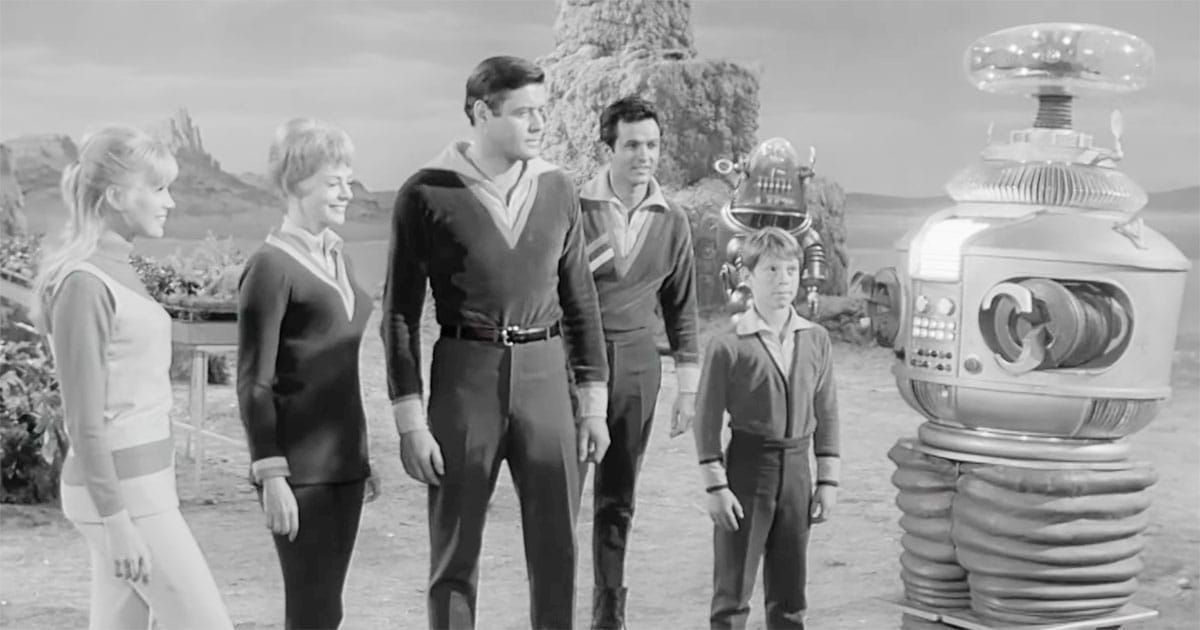
A Machine Called Only Robot
In Lost in Space, one of the most recognizable figures in television science fiction carries no proper name in the usual sense. He is called simply Robot, a term that sounds generic but quickly becomes precise through repetition.
The machine is officially designated B-9, though the Robinson family almost never calls him that. Viewers remember him not as a unit, but as a presence.
That distinction appears early and holds throughout the series. The designation B-9 Environmental Control Robot suggests a machine built for duty and reliability. It reads like a catalog entry, not a name a boy would call out in danger. The show quietly sets that formal title aside and allows something more human to take its place.
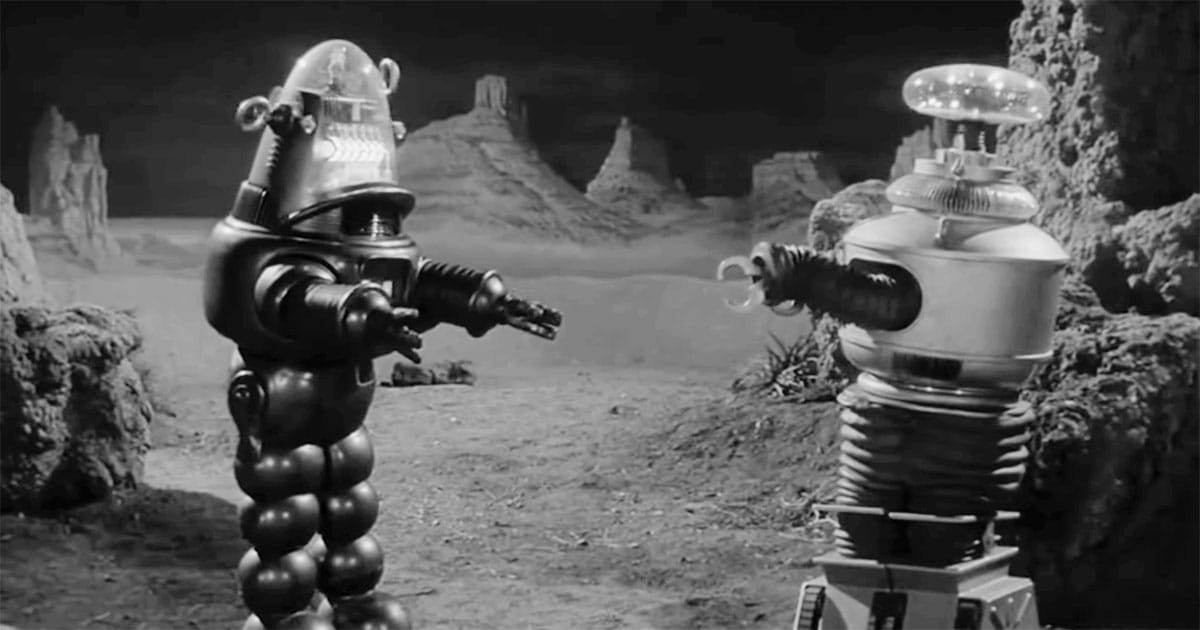
A Product Built for Function
The full designation carries weight. It implies a world where machines are designed with clear limits and defined purposes. The phrase Non-Theorizing Environmental Control Robot hints at restraint, as if the builders feared what might happen if the machine began to think too freely.
This idea fits the tone of 1960s science fiction. Engineers in these stories often build tools to serve man, not to rival him. The Robot begins within that tradition, a device meant to assist a stranded family in a hostile universe.
Yet the series does not hold that line for long. The Robot begins to speak, to warn, and to react in ways that feel less like programming and more like judgment. The designation remains fixed, but the character does not.
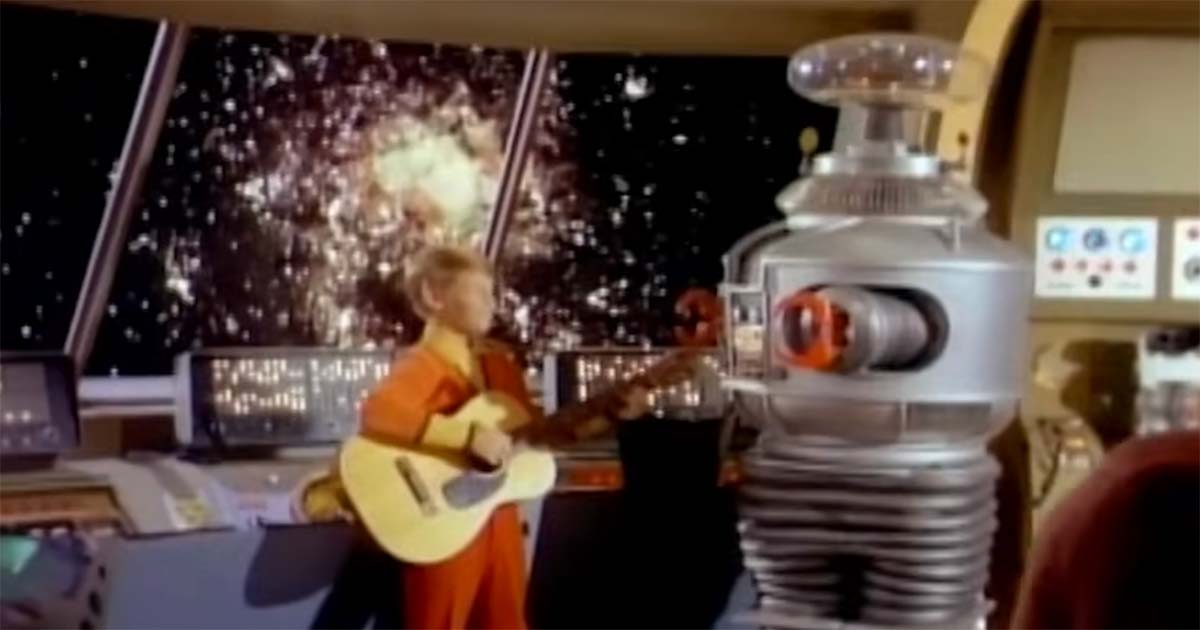
When a Label Becomes a Name
The shift happens gradually. Each time a character says "Robot," the word carries a little more meaning. It no longer refers to any machine, but to this one machine.
Language adjusts to experience. The audience recognizes that this is no interchangeable unit. The absence of a formal name stops feeling like a lack and starts to feel like a choice.
Other well known figures, like R2-D2, arrive with names that signal individuality from the start. The Robot in Lost in Space follows a different path. He earns his identity through action rather than introduction.
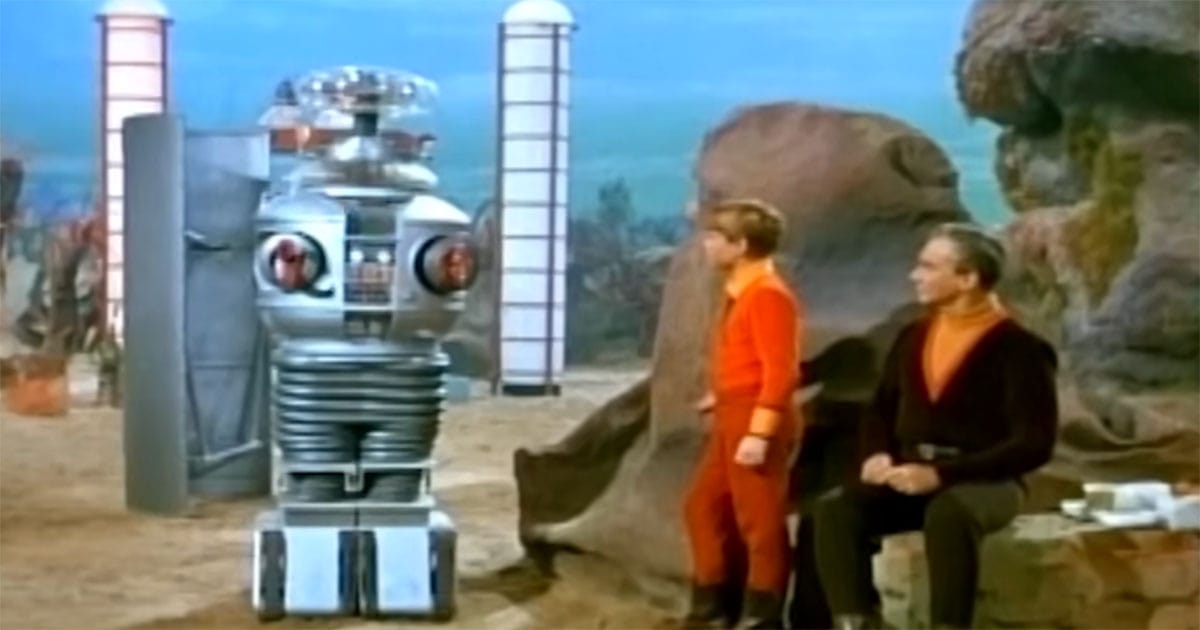
The Bond with Will Robinson
At the center of that change is the relationship with Will Robinson. Their exchanges give the Robot a role that goes beyond service. He protects, he warns, and he shows concern in ways that suggest loyalty.
The famous warning becomes a kind of signature. It is repeated often, but it never feels empty. Each time it carries urgency and intention.
Will, for his part, treats the Robot as more than equipment. He speaks to him, trusts him, and depends on him. That bond does not require a name to feel real.
Why the Name Still Matters
The question of the Robot's name continues to surface because it points to a deeper issue. When does a machine become something more than a machine? The series never answers this directly, but it provides steady evidence.
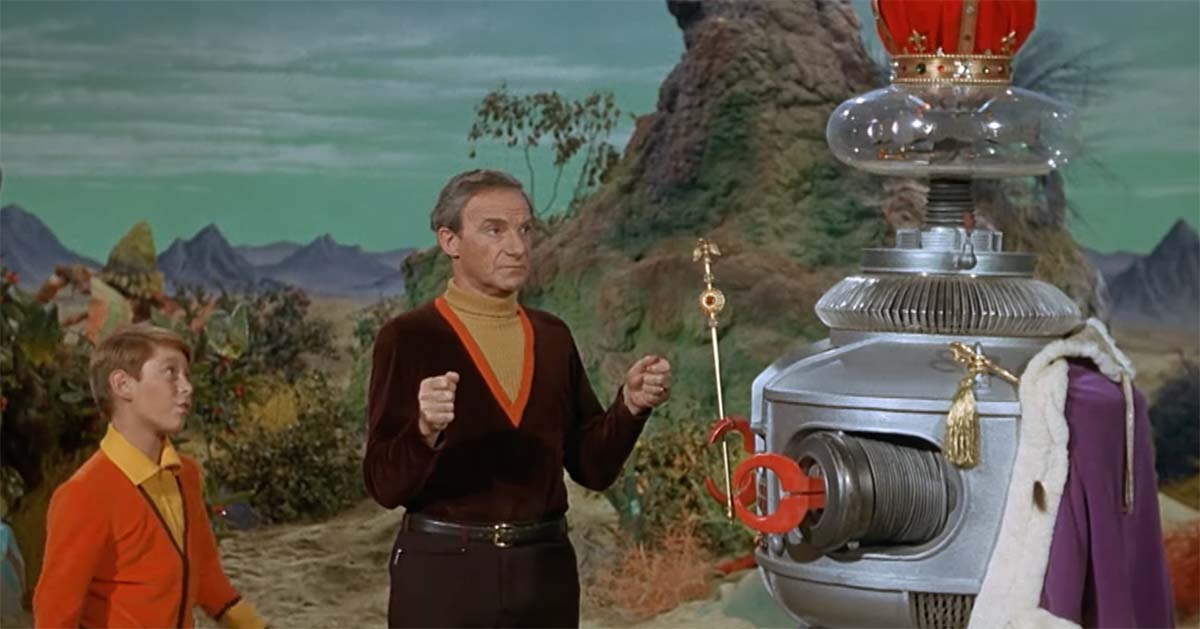
The lack of a standard name invites the audience to consider the question for himself. It leaves space for interpretation without forcing a conclusion. That restraint gives the character lasting interest.
A Legacy Beyond Designation
The B-9 label still appears in guides and fan discussions. It satisfies the need for order and classification. At the same time, it feels secondary to what viewers remember.
Science fiction often imagines machines that look impressive or sound advanced. Few achieve a sense of familiarity that endures across decades. This Robot does so, in part, because he crosses from function into character without a formal announcement.
In the end, the lesson is simple. A name can define a machine, but it does not always define a character. In this case, identity emerges through action, loyalty, and presence, even when the only name spoken is Robot.