
The Kwisatz Haderach Explained for Classic Sci Fi Fans
A clear look at the Kwisatz Haderach in "Dune", its origins, powers, and role in Paul Atreides’ rise, and why Herbert presents it as both a breakthrough and a warning.


In "Dune," the Kwisatz Haderach is not simply a man. It is a designed end point, a title given to a figure the Bene Gesserit hoped to produce through long planning and careful control. The phrase means the shortening of the way, a mind that can reach knowledge others cannot access.
In practice, the idea becomes inseparable from Paul Atreides. He appears to fulfill the role, yet not in the controlled manner intended. The Kwisatz Haderach stands at the center of Herbert's narrative. It connects memory, prophecy, and political power into one uneasy structure.
For readers and viewers alike, the concept offers more than a simple chosen figure. It presents a test case. What happens when human design attempts to shape destiny itself?
| Field | Details |
|---|---|
| Name | Shai-Hulud |
| Aliases | Sandworms of Arrakis; Makers; Old Man of the Desert; Old Father Eternity |
| Affiliation | Arrakis; Fremen culture; spice cycle; planetary ecology |
| First Appearance | "Dune" by Frank Herbert, 1965 |
| Portrayed In Film By | Practical and mechanical effects in "Dune" (1984); CGI in later films |
| Portrayed In Miniseries By | CGI depictions in "Frank Herbert’s Dune" (2000) and "Children of Dune" (2003) |
| Role | Keystone species of Arrakis; producers of melange; apex desert organism |
| Description | Massive sandworms native to Arrakis, central to the spice cycle and Fremen belief |
Origins And Context
The origins of the Kwisatz Haderach lie in a long, disciplined effort. For thousands of years, the Bene Gesserit guide bloodlines across the Imperium. Their work is quiet and deliberate. Each generation serves a plan that no single participant fully sees.
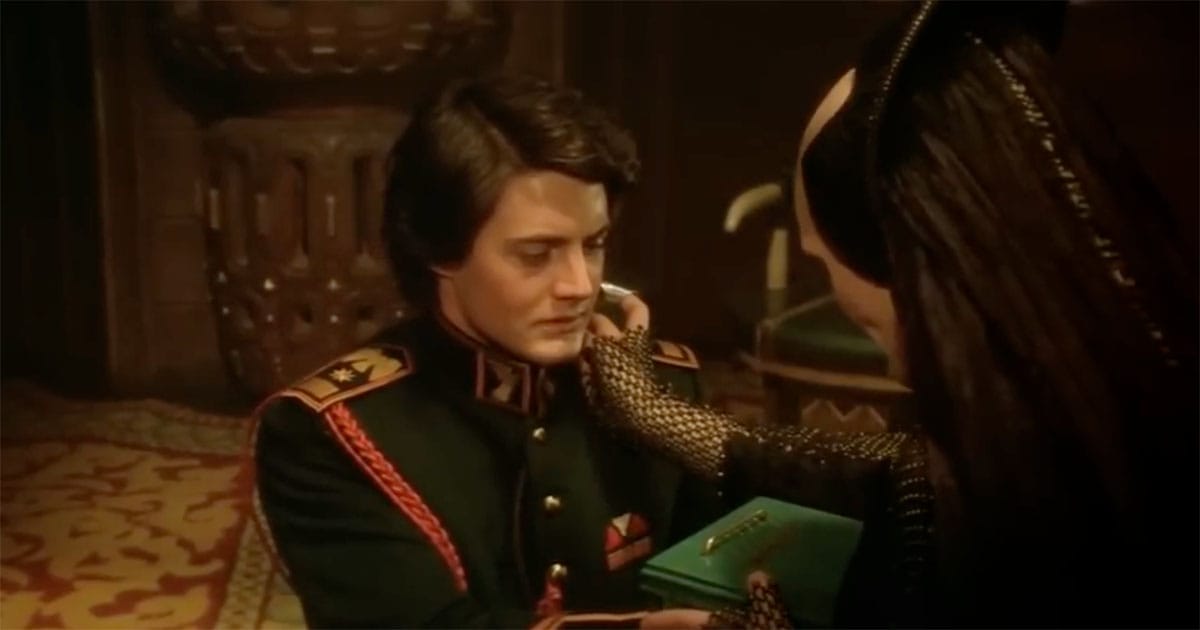
Their aim is not just improvement. It is control. They seek a man who can exceed their own abilities and act as a bridge across limits they cannot cross. This goal reflects a belief that human history can be directed if the right mind is created.
The term itself reflects this ambition. It suggests a direct path through complexity. For the Sisterhood, this is not symbolic language. It is a practical objective tied to influence, survival, and long-term order.
The plan depends on precision. The Atreides and Harkonnen lines are meant to merge in a controlled union. From that union, the Kwisatz Haderach would emerge, shaped and guided from birth. The expectation is simple. With the right design, the future can be managed.
Powers And Limits
What sets the Kwisatz Haderach apart is not simple intelligence. The Bene Gesserit already produce highly trained minds. Their members can observe, calculate, and influence with rare skill.

The difference lies in access. Reverend Mothers can recall the lives of their female ancestors. This memory is not abstract. It is vivid and immediate, a living archive carried within the mind.
Yet there is a boundary they cannot cross. The male line remains closed to them, described as a place that repels and overwhelms. The Kwisatz Haderach breaks that barrier. He carries both lines and holds the full span of human memory.
This power extends into prescience. He can see possible futures and trace their outcomes. However, this ability comes with limits. It does not create freedom. It reduces it.
To see the future is to face it. Choices narrow as consequences become clear. The Kwisatz Haderach must select among paths that all carry weight. The burden is not only knowledge, but responsibility.
Role In The Story
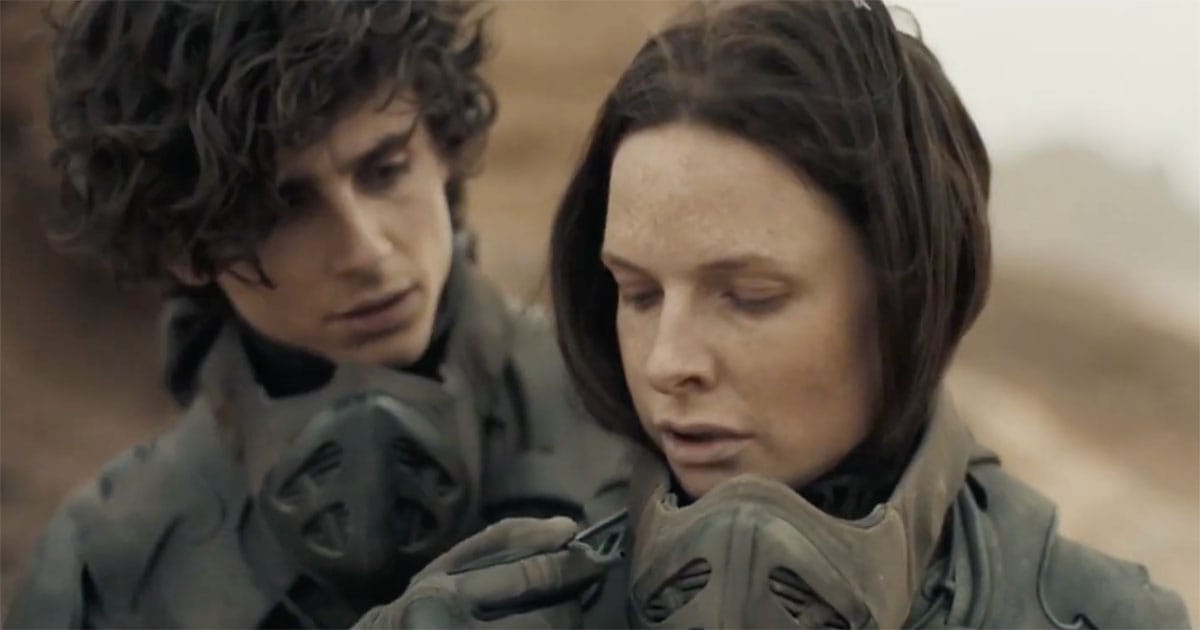
In "Dune," Paul Atreides emerges as an early result of the breeding plan. His mother's decision alters the design. Instead of a controlled arrival, the Kwisatz Haderach appears ahead of schedule.
This shift changes everything. The Bene Gesserit lose their firm hold on the outcome. What they intended as a tool becomes an independent force.
On Arrakis, Paul's abilities begin to sharpen. The environment plays a role. Spice exposure expands awareness, while danger forces rapid growth. His visions deepen and begin to shape his decisions.
At the same time, the Fremen interpret him through their own beliefs. Their culture has been prepared to expect a figure like him. This expectation gives Paul a place within their world.
The result is a merging of design and belief. The Kwisatz Haderach is no longer hidden. He becomes visible, active, and influential.
By the close of the first novel, Paul stands as both fulfillment and disruption. The plan succeeds in form, but fails in control. The Kwisatz Haderach exists, yet he acts on his own terms.
Prophecy And Misreading
A central tension in "Dune" lies in the gap between intention and interpretation. The Bene Gesserit create myths to prepare populations. These myths serve a purpose. They allow control to be exercised from a distance.
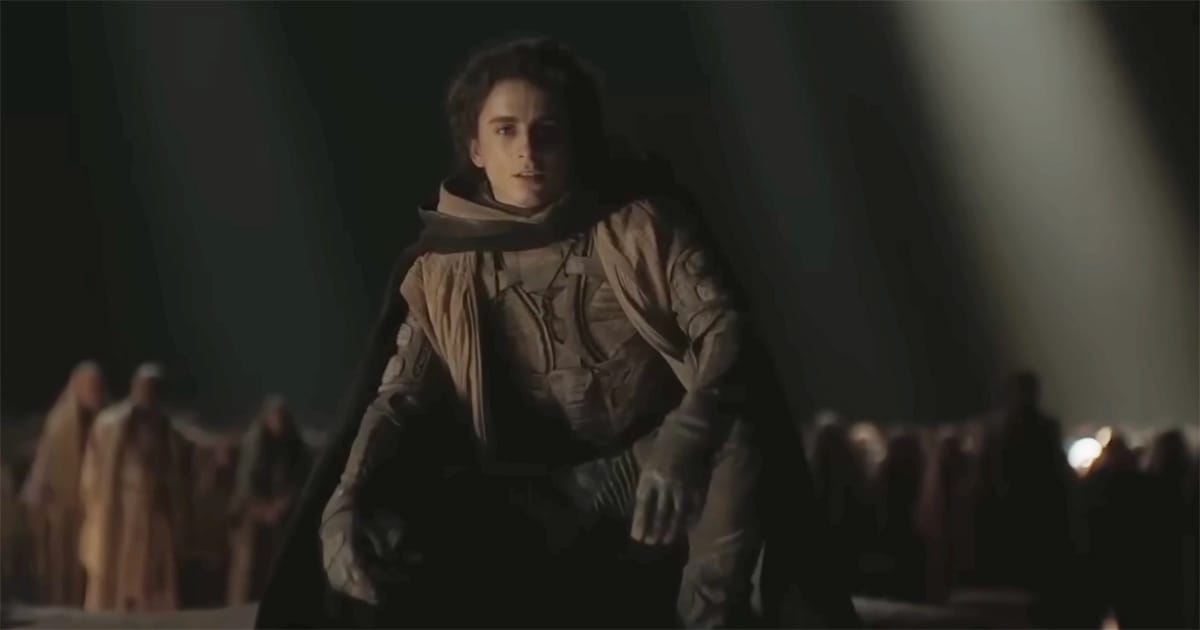
The Fremen prophecy is one such construct. It provides a framework for belief, ready to receive a figure like Paul. When he arrives, the pieces align.
However, alignment does not mean identity. The Kwisatz Haderach is a product of design. The Fremen messiah is a figure of faith. When the two overlap, the result gains strength.
Belief amplifies power. Once the idea takes hold, it cannot be easily directed. The Kwisatz Haderach becomes more than a calculated outcome. He becomes a symbol that others act upon.
This shift shows a key truth in Herbert's work. Systems designed for control can produce forces that exceed their creators. The line between planning and destiny grows thin.
Adaptations On Screen
The 1984 film "Dune" presents the Kwisatz Haderach in direct terms. The concept is explained clearly and early. The tone is grand, with emphasis on prophecy and fulfillment.
The 2000 miniseries offers a more measured approach. It follows the structure of the novel with greater care. This allows the political and cultural elements to develop alongside the idea.
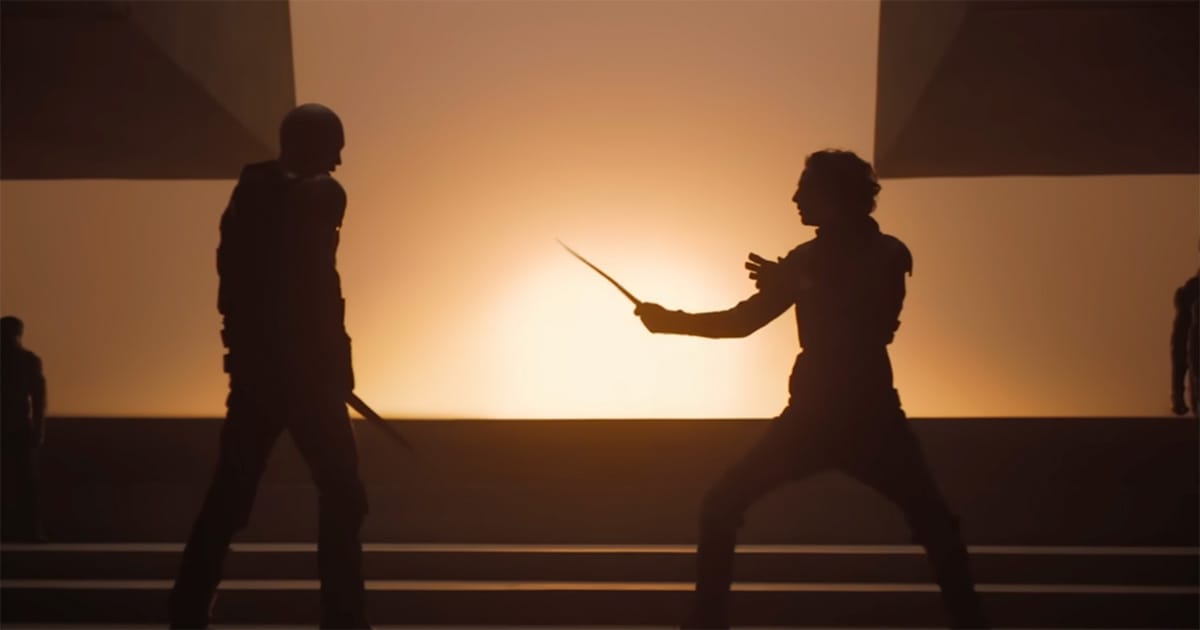
The modern films "Dune" (2021) and "Dune Part Two" (2024) shift the focus. They present the Kwisatz Haderach with restraint. The idea unfolds through Paul's experience rather than formal explanation.
This approach highlights uncertainty. It shows the weight of the role rather than just its power. The audience sees not only what the Kwisatz Haderach can do, but what it costs.
Enduring Questions
The Kwisatz Haderach remains a lasting idea because it asks a direct question. Would complete knowledge improve human judgment or lead to greater failure?
Herbert's answer is cautious. Knowledge alone does not solve human problems. It can deepen them. The more one sees, the harder it becomes to choose.
The figure of the Kwisatz Haderach reflects this tension. He is both achievement and warning. A product of human ambition, and a sign of its limits.