
Before Aliens Became the Enemy
Early sci-fi asked how man should face the unknown. “The Man from Planet X” shows a time when aliens were not enemies, but tests of human judgment and restraint.

This Week in Classic Science Fiction
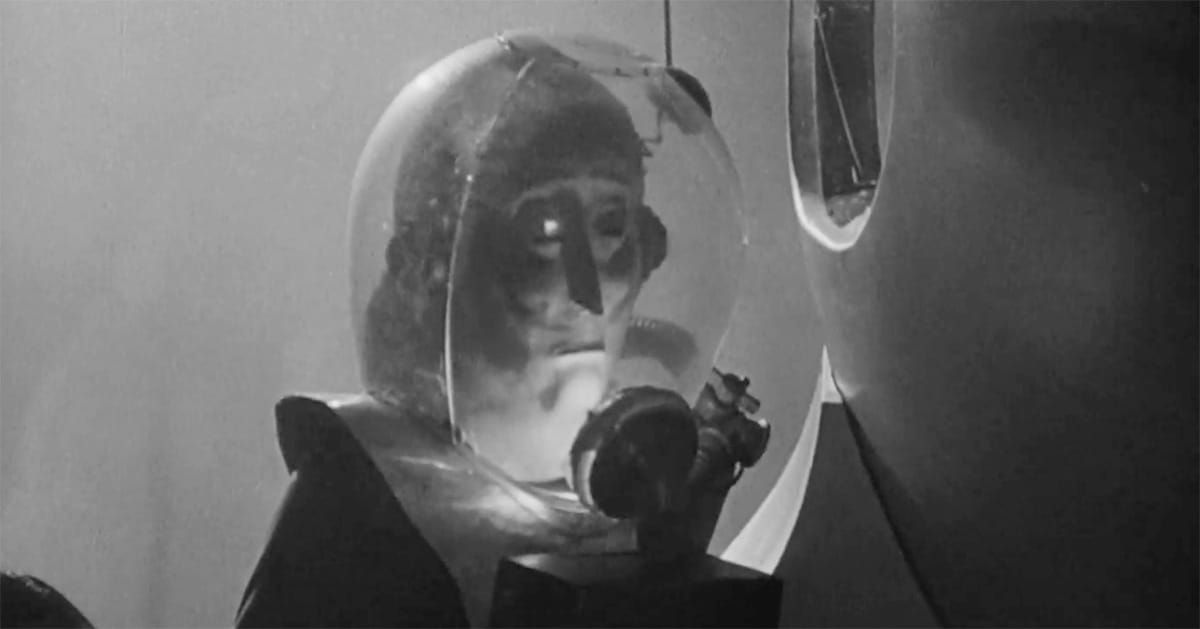
A spaceship lands, and nothing explodes. On April 27, 1951, "The Man from Planet X" opened in the United States, offering a kind of science fiction that feels almost foreign today. Directed by Edgar G. Ulmer, the film was made quickly and cheaply, yet it carries a quiet confidence that many larger productions never achieve.
The story is simple. An alien visitor arrives on a fog-covered Scottish moor, and a small group of men must decide how to respond. One seeks understanding. Another sees opportunity. It is not long before suspicion replaces curiosity, and the visitor becomes less a guest than a problem to be controlled.
What gives the film its staying power is not action, but restraint. In a decade known for invasions and destruction, this picture turns inward. The tension comes from human behavior—fear, greed, and the urge to dominate what is not understood. The alien, for all his strangeness, is not the true threat.
Released the same year as The Day the Earth Stood Still, it represents the quieter path science fiction could take. Not the loudest film of 1951, but one that still speaks with clarity.
Sponsored by: Green Lady Alien & Pet | గ్రీన్ లేడీ ఏలియన్ T-shirt

Some visitors arrive quietly. They do not announce themselves, yet they leave an impression all the same. This week’s sponsor offers a design that captures that same sense of presence, composed, unusual, and difficult to ignore.
When Science Fiction Asked the Right Question
Early science fiction did not begin with answers. It began with uncertainty. The central problem was not how to defeat the unknown, but how to understand it. That distinction shaped many of the genre's most thoughtful early works, including "The Man from Planet X". These stories did not rush toward conflict. They paused long enough to consider what the encounter meant.
This approach gave the genre a different kind of tension. The audience was not told what to think at once. The visitor might be dangerous, but he might also be misunderstood. That uncertainty created a sense of unease that action alone could not provide. It required attention and patience from both the characters and the viewer.
The Question Before the Answer
In early science fiction, the unknown was treated as a problem rather than a threat. Characters did not always act immediately. They observed, debated, and hesitated. This delay allowed the story to develop in a more deliberate way.
The drama came from disagreement. One man might see risk, while another saw opportunity. A third might argue for caution. These competing views shaped the direction of the story. The alien presence forced decisions that revealed deeper beliefs.
This method created tension without spectacle. The stakes were real, but they were not always visible. The audience had to consider what might happen, not just what was happening. That made the experience more engaging for a thoughtful viewer.
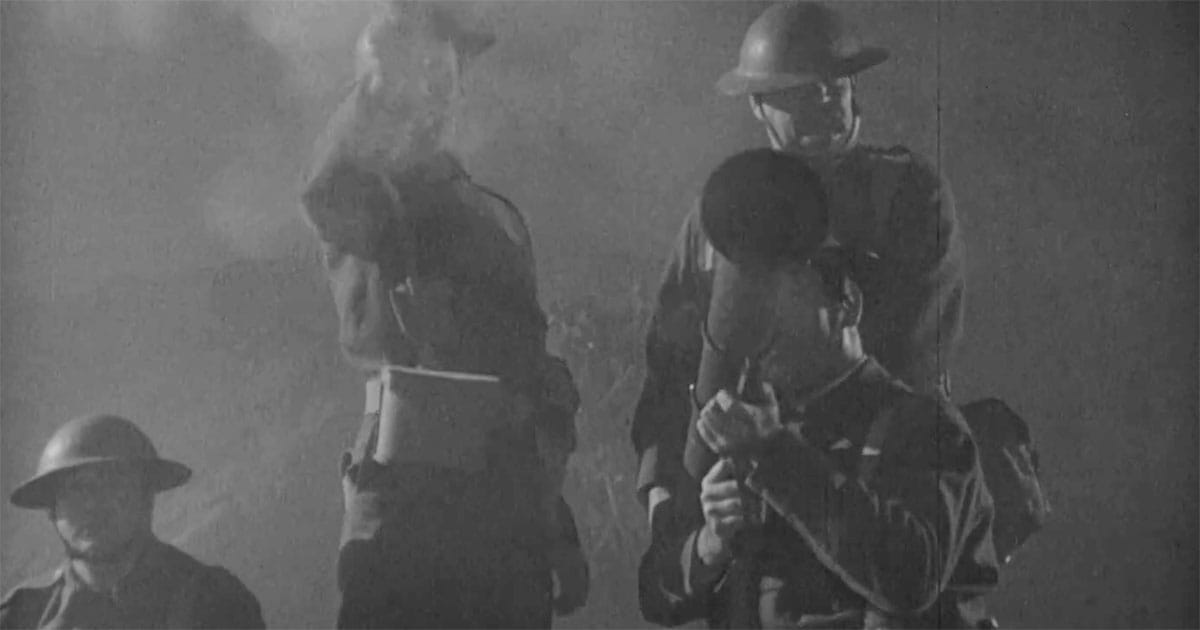
Judgment Under Uncertainty
When the unknown is not clearly defined, human judgment becomes the center of the story. Every action carries greater consequence. A mistake cannot be corrected by force alone. It must be lived with.
This is where early science fiction often found its strength. The alien encounter exposed character. A careful man showed restraint. A reckless man acted too quickly. The difference between them shaped the outcome in lasting ways.
The tension was both external and internal. The characters were not only dealing with an unfamiliar presence. They were also confronting their own instincts. Fear, ambition, and curiosity all competed for control.
The Visitor as a Mirror
The alien in these stories often serves a quiet but important role. He reflects the attitudes of those around him. He does not need to act aggressively to influence events. His presence alone is enough to reveal what lies beneath the surface.
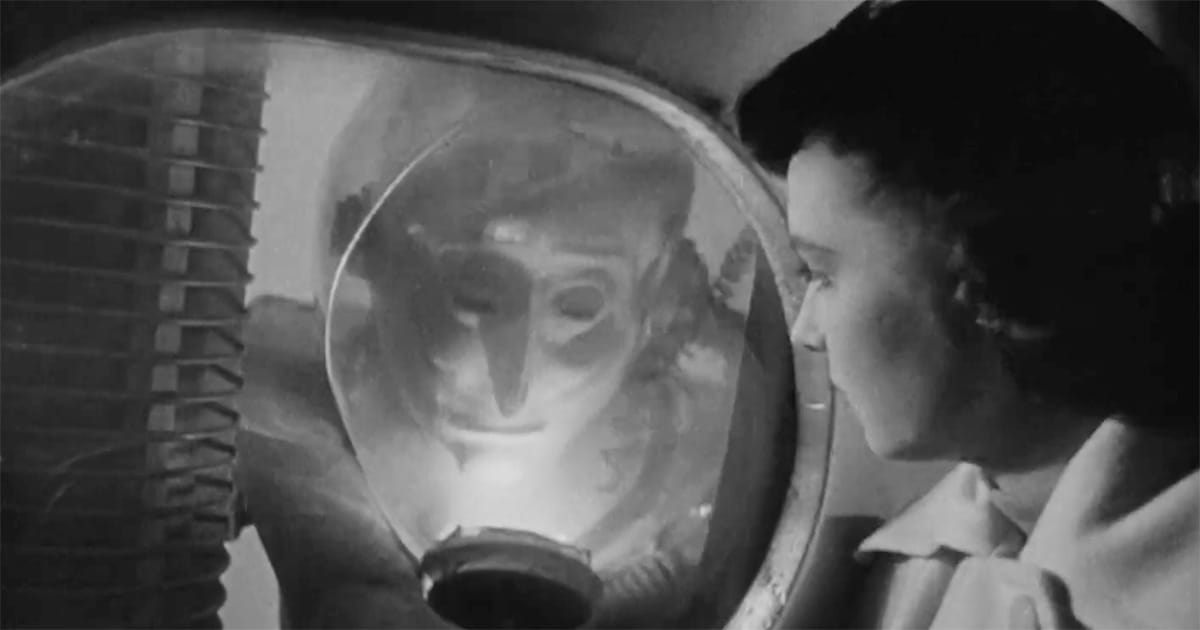
In "The Man from Planet X", the visitor reveals more about the men who encounter him than about himself. Their reactions define the conflict. The alien becomes a mirror that shows fear, ambition, and restraint in equal measure.
This idea appears in other films of the same period. "The Day the Earth Stood Still" presents a visitor whose message forces mankind to examine its own behavior. The danger is not only external. It comes from within.
A World Without Clear Answers
The early 1950s provided the conditions for this kind of storytelling. The world had entered a period of uncertainty. Old assumptions no longer seemed reliable. The future felt unstable, and that feeling found its way into science fiction.
Films like "The Man from Planet X" reflect that uncertainty. The characters do not fully understand what they are facing. They must make decisions without complete information. This creates a different kind of suspense, one based on doubt rather than danger alone.
This approach allows the story to explore ideas without forcing a conclusion too quickly. The audience is left to consider what might have been done differently. The lack of certainty becomes part of the experience.
The Shift Toward Conflict
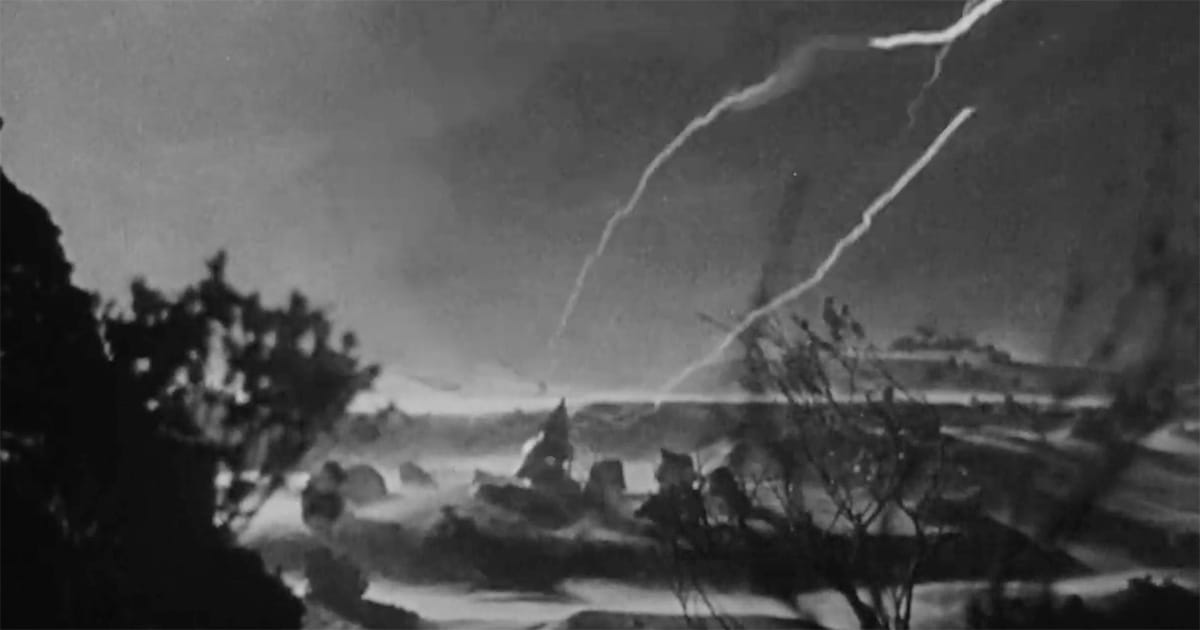
As the decade progressed, science fiction began to favor clearer threats. The unknown was no longer uncertain. It was hostile, and the audience knew it from the beginning. This change made stories easier to follow and more immediate in their impact.
Films like "War of the Worlds" helped establish this pattern. The danger was obvious, and the response was direct. There was little need for interpretation. The story moved quickly toward confrontation.
This shift brought energy to the genre, but it also narrowed its scope. When the alien is always the enemy, the story becomes predictable. The audience no longer needs to consider alternative outcomes. The focus turns to survival rather than judgment.
What Was Gained and Lost
The move toward action and clarity gave science fiction a broader appeal. Larger audiences responded to visible stakes and faster pacing. The genre became more commercially successful as a result.
At the same time, something quieter was set aside. The earlier approach allowed for reflection. It asked the viewer to think about motive and consequence. It suggested that not every encounter must end in conflict.
This older style required more discipline from both storyteller and audience. It did not provide easy answers. It demanded attention and patience. In return, it offered a deeper level of engagement.
Why the Question Still Matters
Science fiction continues to evolve, but the earlier approach still has value. Stories built on uncertainty and judgment can engage the mind in ways that spectacle cannot. They remind us that not every problem has a simple solution.
"The Man from Planet X" endures because it trusts that idea. It does not rely on scale or noise. It relies on the question at its center. What should be done when the unknown arrives?
That question extends beyond science fiction. It applies to any situation where a man faces something unfamiliar. His response will shape the outcome. In that sense, the film offers more than a story. It offers a standard by which to measure human judgment.
"The Man from Planet X" Trivia
- The film was shot in just six days and reached theaters quickly, arriving ahead of bigger 1951 releases like "The Day the Earth Stood Still" and "The Thing from Another World".
- The heavy fog was used to hide mismatched reused sets from other productions.
- The alien's stiff movements stemmed from costume limitations, which made him even more unsettling.