
7 "Star Trek" Episodes That Feel Like Miniature Science Fiction Novels
These classic "Star Trek" episodes delivered big science fiction ideas, emotional drama, and unforgettable stories that still feel larger than television today.

The Power of Big Ideas
Modern science fiction often depends on giant budgets and endless visual effects. Classic "Star Trek" worked differently. The original series relied on strong ideas, memorable characters, and moral conflict.
That approach gave many episodes unusual depth. Some stories feel less like television and more like condensed science fiction paperbacks from the golden age of the genre.
The best episodes of "Star Trek" trusted the audience to think. They explored war, sacrifice, fear, duty, and human weakness without losing their sense of adventure.
These seven episodes still feel larger than television decades after they first aired.
"The City on the Edge of Forever"
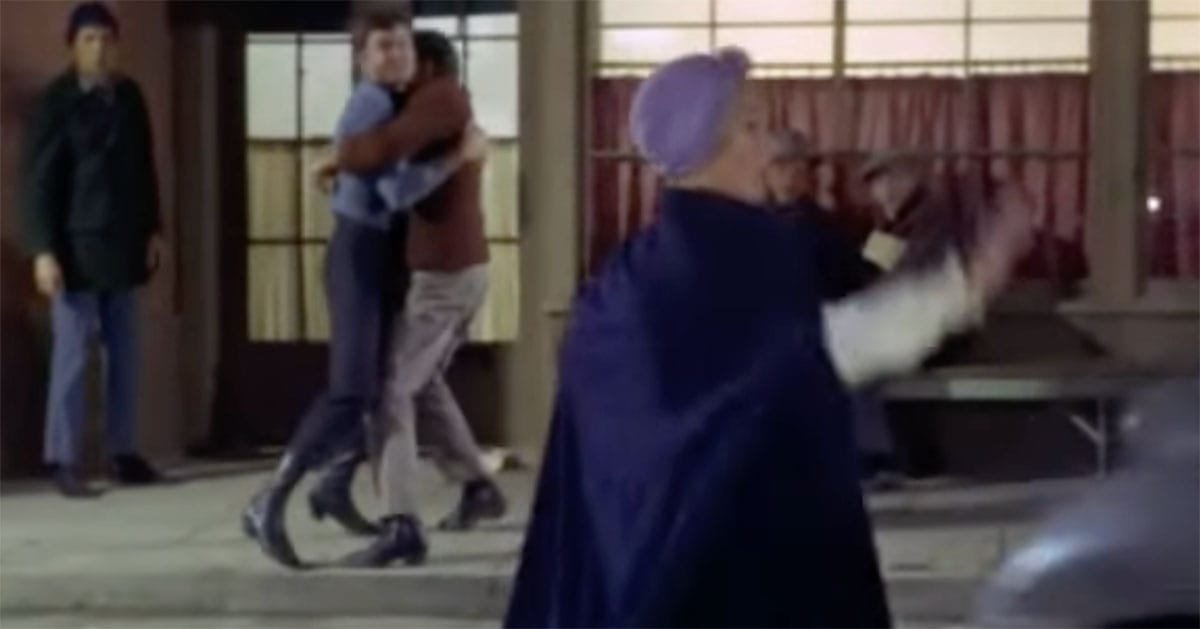
At first glance, this episode looks like a traditional time-travel story. Kirk, Spock, and McCoy travel back in time to Earth's past after a transporter accident creates a disastrous alternate timeline.
The story becomes something far more emotional once Kirk meets Edith Keeler. She is intelligent, hopeful, compassionate, and completely believable as a real person.
Spock eventually discovers the terrible truth while rebuilding a crude computer from 1930s technology. Edith Keeler must die in order for history to unfold correctly.
If she survives, America enters World War II too late. Nazi Germany wins the war, and the future that creates the Federation never exists.
That revelation changes everything for Kirk. He realizes he cannot save Edith and save the future at the same time.
Most science fiction television in the 1960s avoided painful endings. "The City on the Edge of Forever" embraces one.
The final moments remain devastating because Kirk understands exactly what he must allow to happen. His silence says more than pages of dialogue ever could.
"The Doomsday Machine"
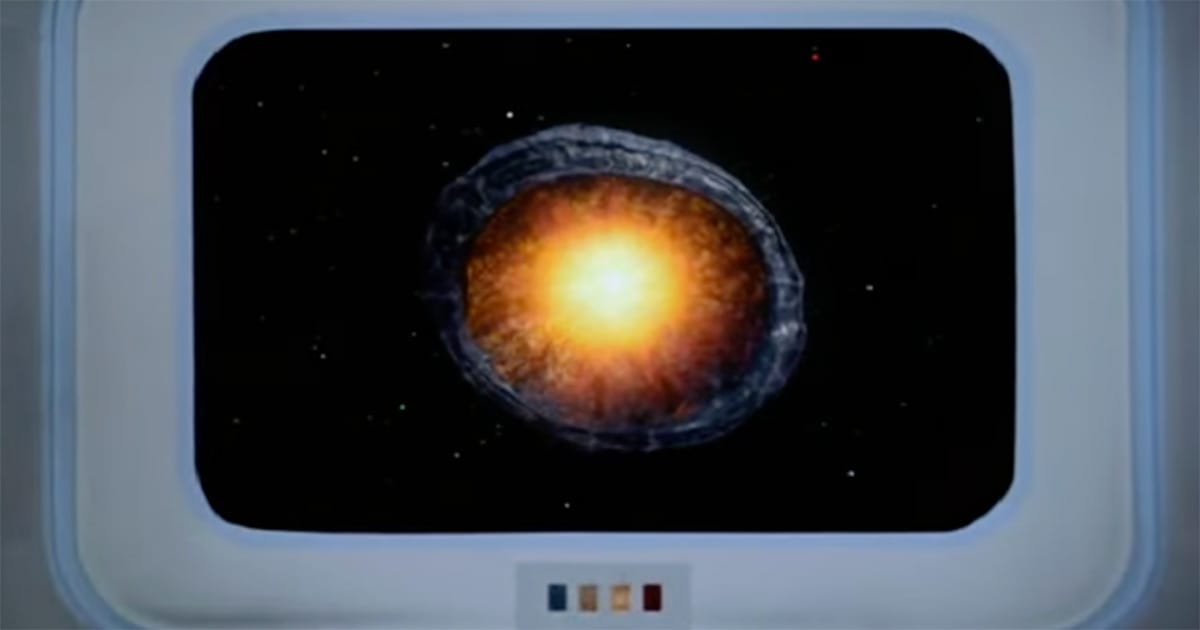
The giant planet killer gives this episode immediate scale. The machine moves through space like an unstoppable force of nature.
What truly matters, however, is Commodore Decker. He survives the destruction of his crew and slowly collapses under the weight of guilt and obsession.
William Windom plays Decker like a broken military commander who cannot accept failure. His behavior becomes increasingly reckless as the episode continues.
The story reflects Cold War fears about weapons beyond human control. In many ways, the machine feels less frightening than the damaged men trying to stop it.
"The Doomsday Machine" succeeds because the emotional danger matters as much as the physical danger.
"Balance of Terror"
This episode strips science fiction down to pure tension. The Enterprise hunts a Romulan warship through deep space like a submarine captain hunting an enemy vessel beneath the ocean.
The suspense comes from patience and strategy rather than visual spectacle. Every decision carries consequences.
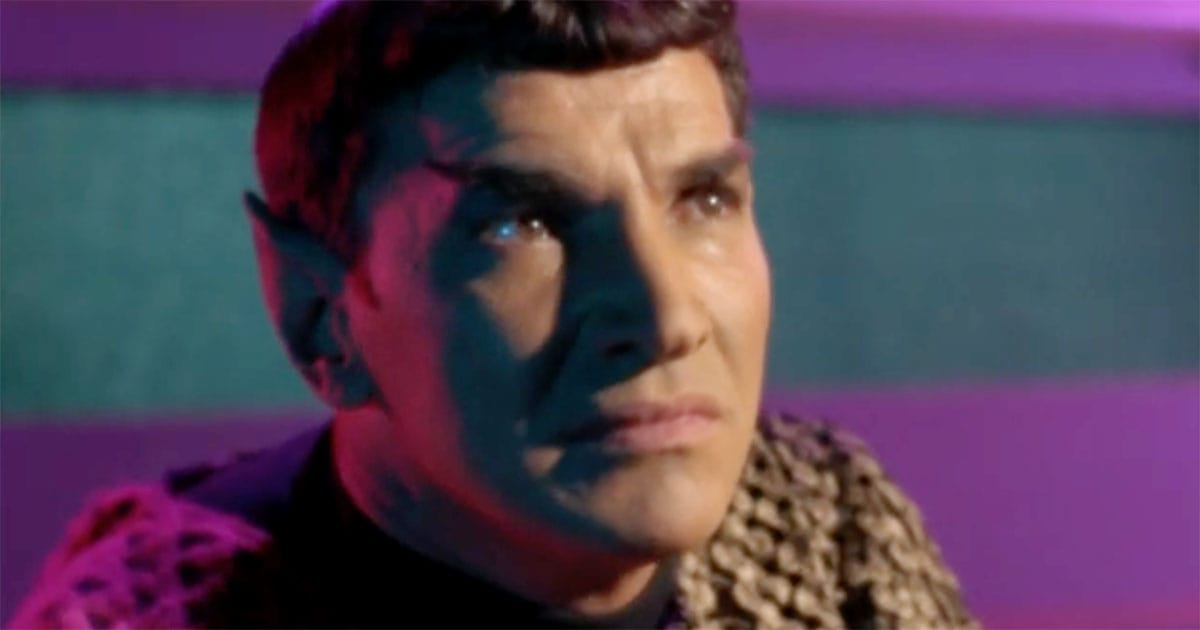
Kirk and the Romulan commander quickly recognize one another as intelligent professionals. That mutual respect gives the conflict unusual maturity.
The episode also explores fear and prejudice. Suspicion grows aboard the Enterprise once the Romulans are revealed to resemble Vulcans.
"Balance of Terror" still feels modern because it understands that intelligent opponents create stronger drama than simple villains.
"The Devil in the Dark"
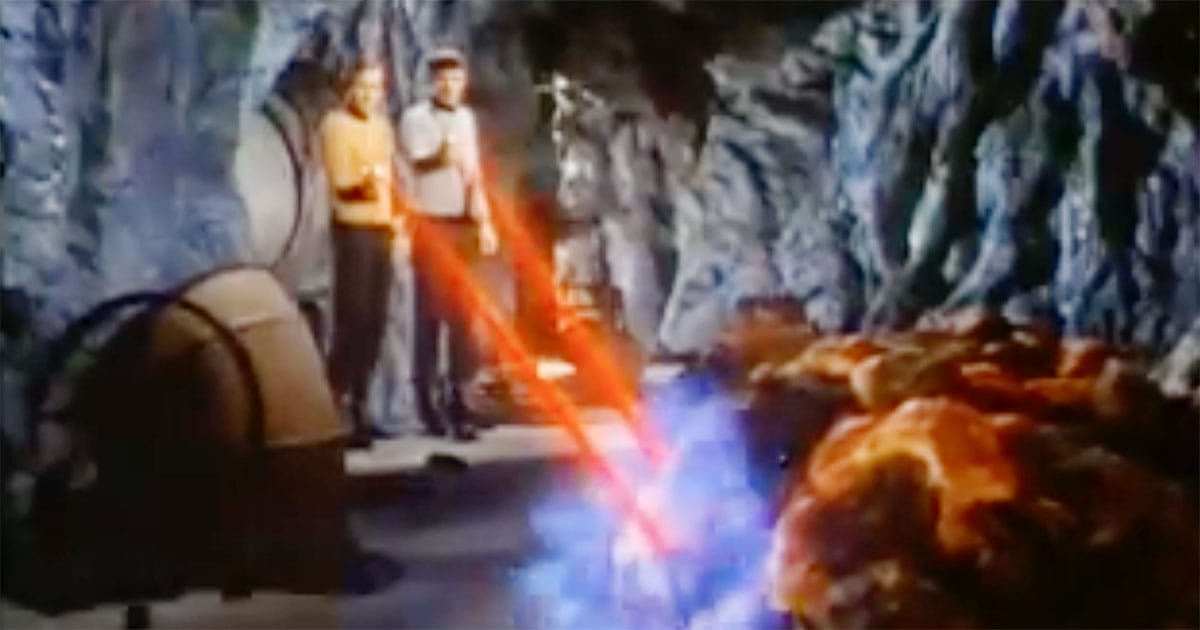
The opening scenes suggest a classic monster story. Miners on a distant world are dying at the hands of a mysterious underground creature.
The Horta first appears terrifying. It burns through rock, destroys equipment, and leaves behind strange tunnels.
Then the episode changes direction completely. Spock discovers the creature is intelligent and protecting its eggs.
The conflict exists because both sides misunderstand one another. Once communication begins, the violence ends.
That idea sits at the heart of classic "Star Trek." Understanding the unknown matters more than destroying it.
The Horta becomes memorable because the creature is not evil. It is frightened, desperate, and defending its children.
"Mirror, Mirror"
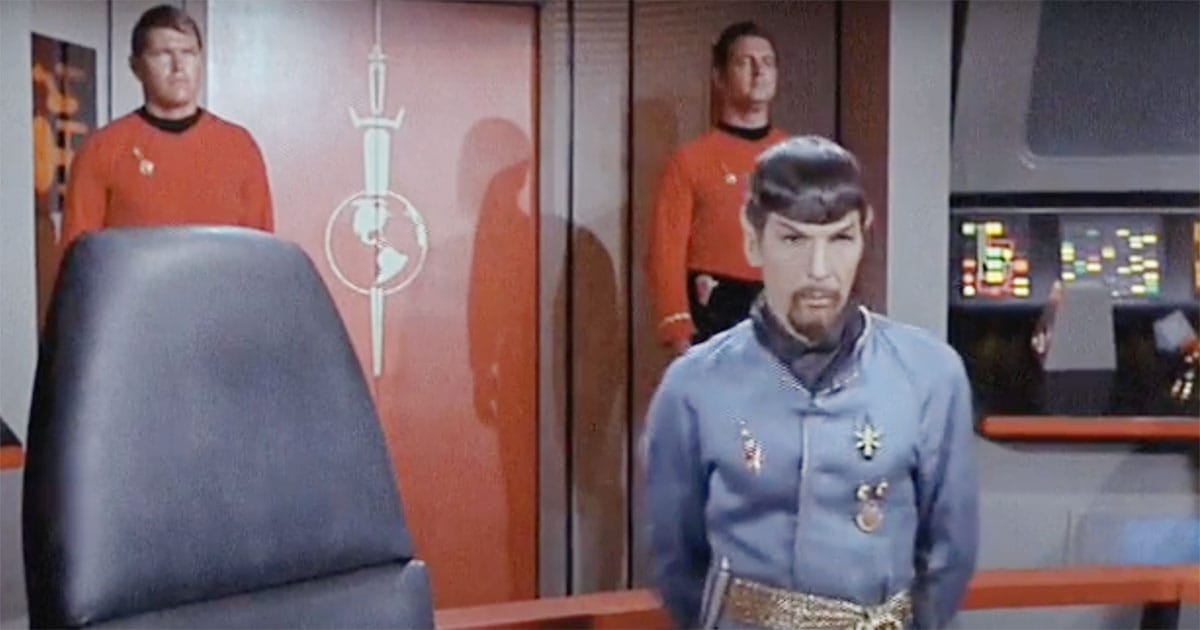
A transporter accident sends Kirk, McCoy, Scotty, and Uhura into a brutal alternate universe. In this reality, the Federation has become the violent Terran Empire.
The episode immediately creates tension because every familiar character becomes dangerous. Trust disappears.
Mirror Spock gives the story its strongest moments. Beneath the beard and cold authority, he still recognizes the moral weakness of the Empire.
The episode asks an uncomfortable question about civilization. How much separates a peaceful society from tyranny and violence?
That question helped the Mirror Universe survive long after the original series ended. Fans continue returning to the idea because it exposes the darker side of human ambition.
"The Galileo Seven"
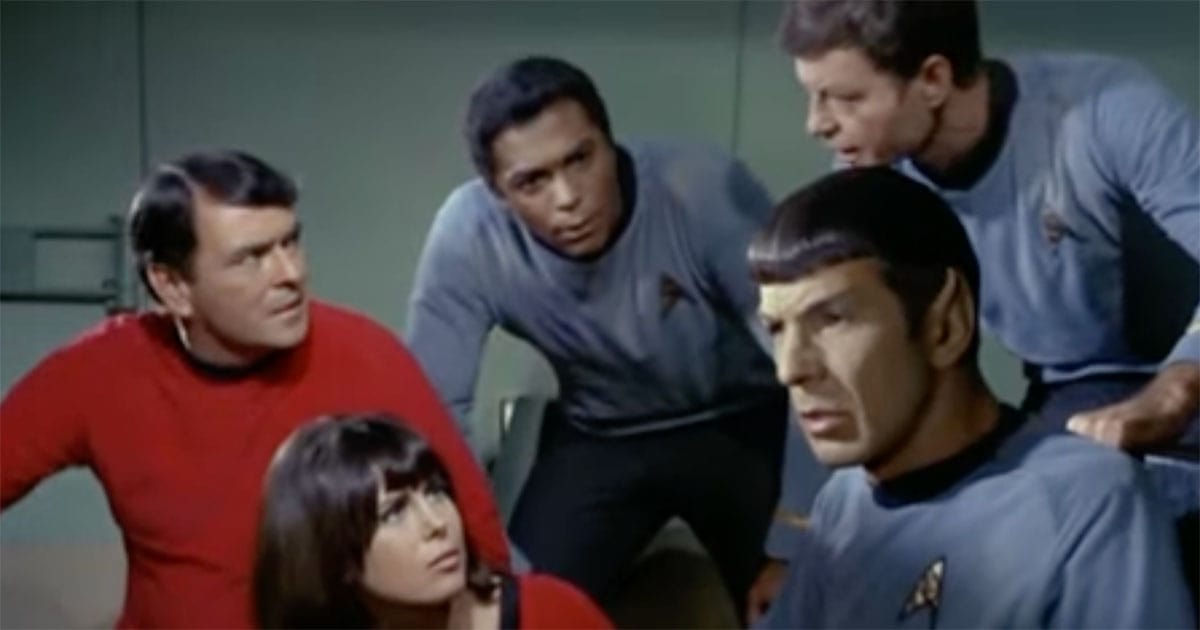
A shuttlecraft crash strands Spock and several crew members on a hostile planet. Supplies are running low as fear and frustration spread through the group.
Spock attempts to solve every problem through logic. The crew slowly loses confidence in his leadership.
The episode works because Spock cannot calculate his way out of every situation. Human beings do not always behave rationally under pressure.
Leonard Nimoy gives one of his most subtle performances in the series. Tiny expressions and pauses reveal Spock's growing uncertainty.
"The Galileo Seven" feels literary because it focuses on psychology instead of spectacle. The central battle takes place inside the characters themselves.
"This Side of Paradise"
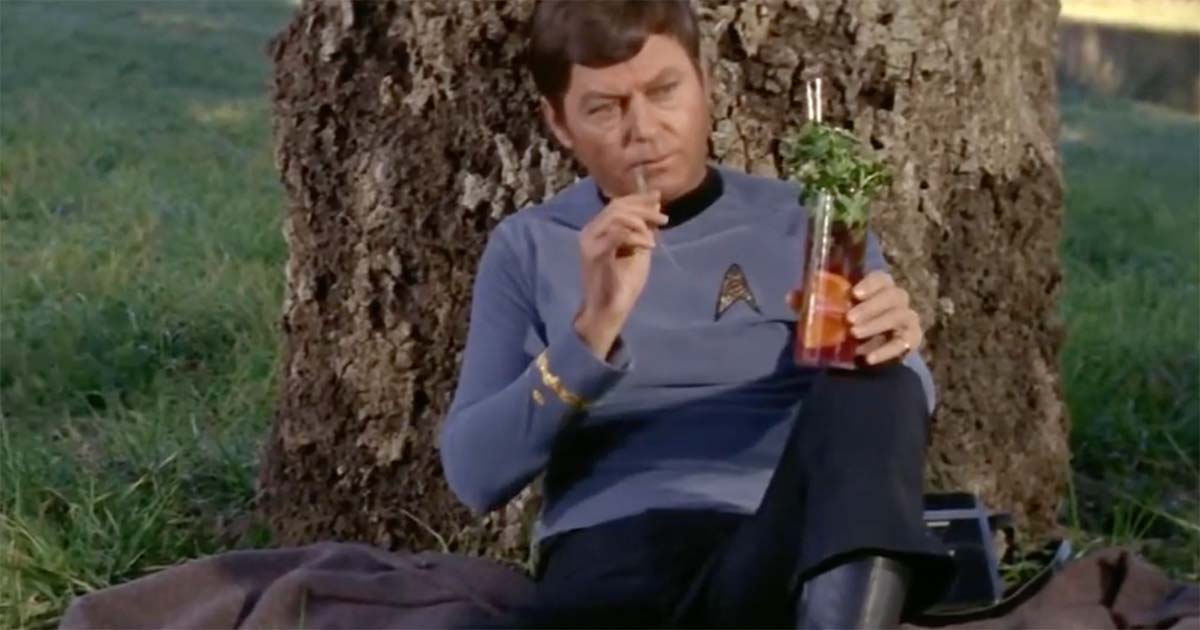
The Enterprise discovers colonists living in peace on a dangerous world. Strange spores remove fear, anger, and emotional pain.
At first, the colony appears idyllic. Nobody argues, struggles, or suffers.
The deeper problem slowly becomes clear. The spores also remove ambition, discipline, and purpose.
Spock experiences emotional freedom for perhaps the first time in his life. His happiness makes the eventual conflict surprisingly painful.
The episode questions whether mankind actually needs hardship in order to grow stronger. That theme gives the story unusual depth.
Many science fiction stories imagine perfect societies. "This Side of Paradise" asks what humanity might lose in exchange for comfort.
Why These Stories Still Matter
The original "Star Trek" often operated under severe limitations. Sets were reused, effects were simple, and budgets remained tight.
None of those limitations mattered when the writing connected with audiences. Strong ideas carried the series.
These episodes endure because they combine adventure with meaningful science fiction concepts. They respect the intelligence of the audience without becoming cold or academic.
Long before prestige television became fashionable, "Star Trek" already understood that science fiction could entertain viewers while asking serious questions about mankind, morality, and civilization.