
The Enemy Within in 1950s Science Fiction
Explore how 1950s sci-fi films like "Invaders from Mars" turned alien invasion into a story of hidden control, testing trust, authority, and resilience in Cold War America.

This Week in Classic Science Fiction
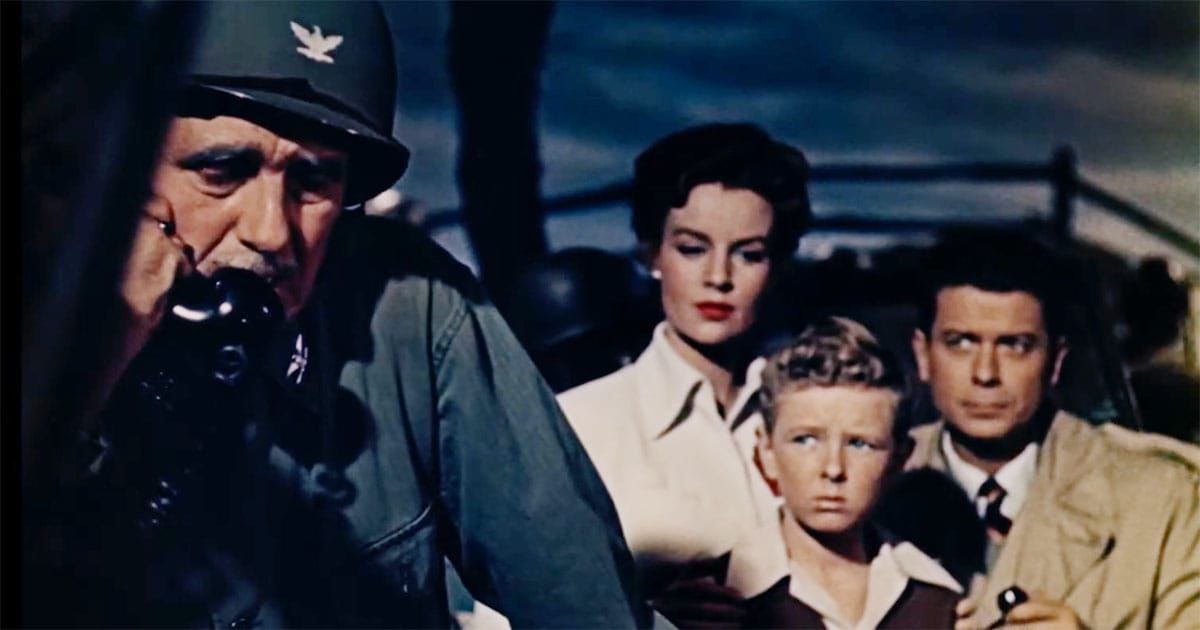
In 1953, "Invaders from Mars" captured a particular kind of American fear. The Cold War had settled into daily life, and suspicion often replaced certainty. This film reflects that mood with a story that feels both intimate and deeply unsettling.
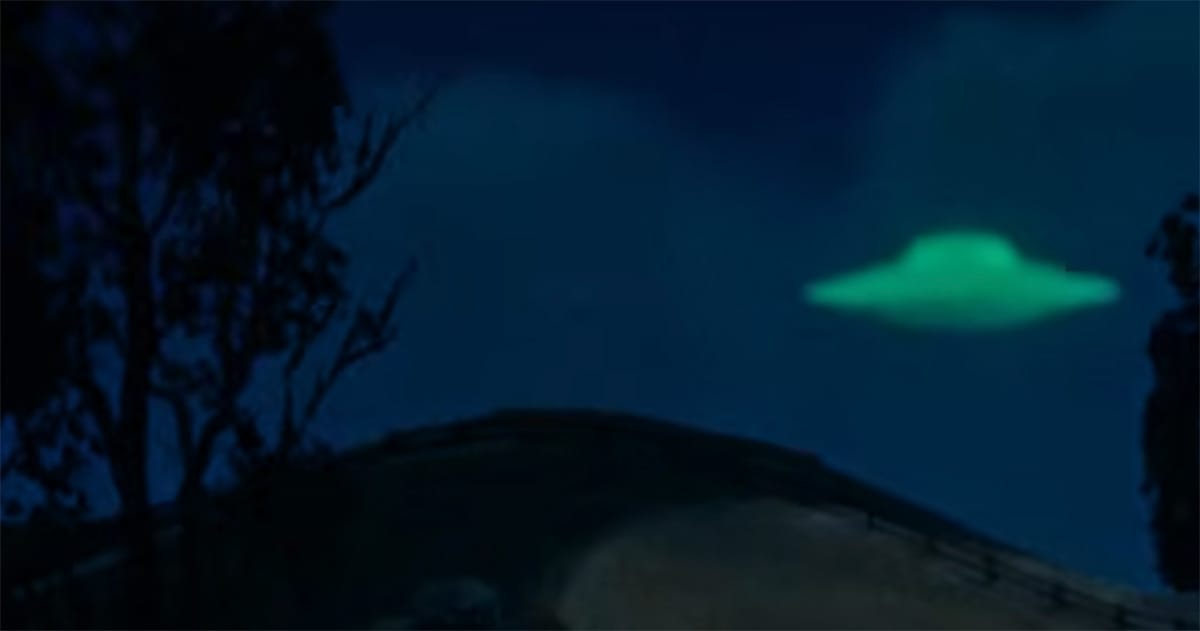
Directed by William Cameron Menzies, the film follows a young boy who witnesses a flying saucer land near his home. What begins as curiosity quickly turns into dread. His father returns from the landing site changed, and soon other authority figures begin to behave the same way.
Unlike grand invasion spectacles like War of the Worlds, this story keeps its horror close to home. It suggests that the real danger is not destruction, but control. The familiar world becomes unreliable, and trust begins to erode.
The film's stylized visuals give it a dreamlike quality that sets it apart from its peers. In the end, military and scientific forces restore order, offering reassurance to the audience. Even so, the central idea lingers that the most dangerous threats are the ones that arrive without warning and hide in plain sight.
Sponsored by: I Got This Alien Invasion T-shirt
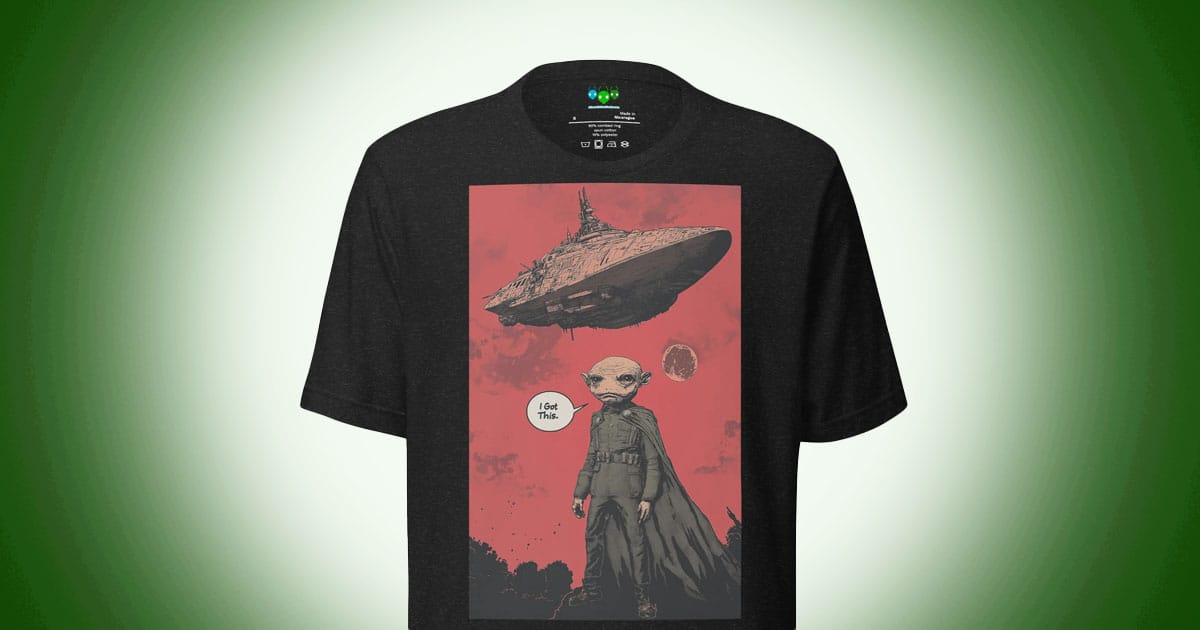
When the saucer lands, confidence counts. This design captures that classic sci-fi moment when an invader assumes victory is certain.
With a bold, retro style, it nods to the golden age of alien invasion stories where things rarely go as planned.
"The Enemy Within" – Invasion as Infiltration in 1950s Science Fiction
In the early 1950s, science fiction took a notable turn inward. The threat from space no longer arrived only in massive ships or open destruction. With "Invaders from Mars", the danger became quieter and far more personal. The film presents a world where the enemy does not conquer cities, but instead takes hold of the people who live in them.
This shift reflects a growing awareness that danger does not always announce itself. Audiences were no longer satisfied with spectacle alone. They responded to stories that suggested something was wrong beneath the surface of everyday life. In this way, the film captures a deeper and more enduring kind of fear, one rooted not in explosions, but in uncertainty.
Fear Close to Home
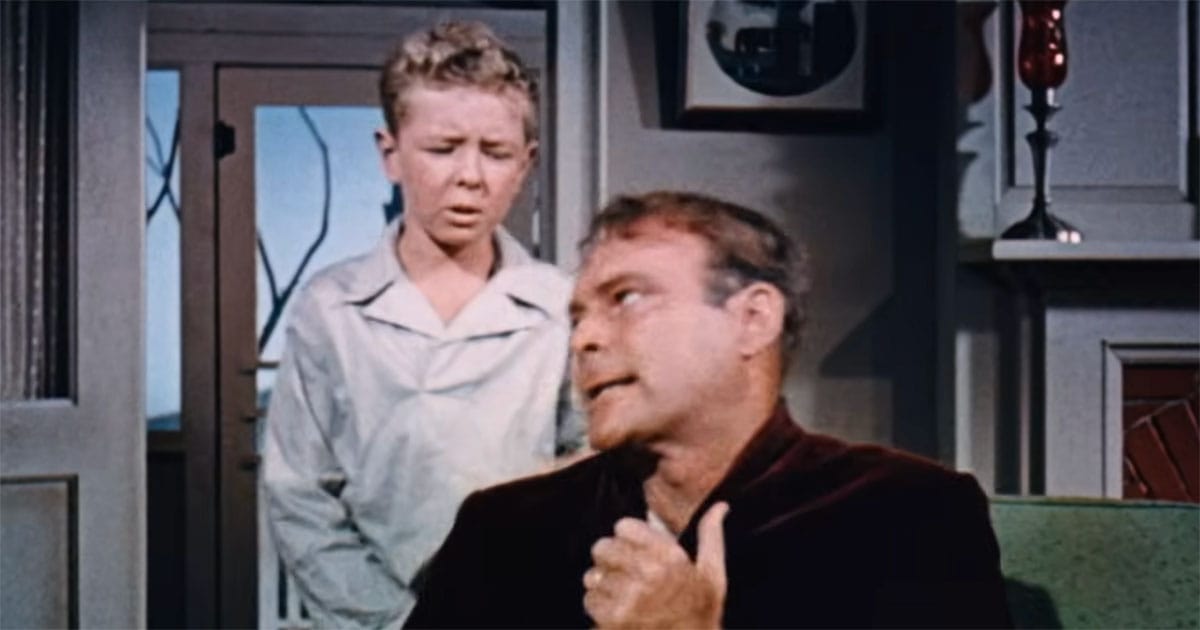
The Cold War shaped the mindset of the era in clear and lasting ways. Americans understood that conflict might not come as open warfare, but as hidden influence working quietly over time. "Invaders from Mars" reflects that concern by bringing the threat directly into the home. A father returns changed, and the family unit becomes the first place where trust begins to break down.
This idea appears again in "Invasion of the Body Snatchers", where entire towns lose their sense of individuality. These films suggest that the real danger lies not in destruction, but in control. The familiar world becomes uncertain, and the people one depends on can no longer be taken at face value. That tension gives these stories their lasting power and explains why they continue to resonate decades later.
Authority Tested, Not Destroyed
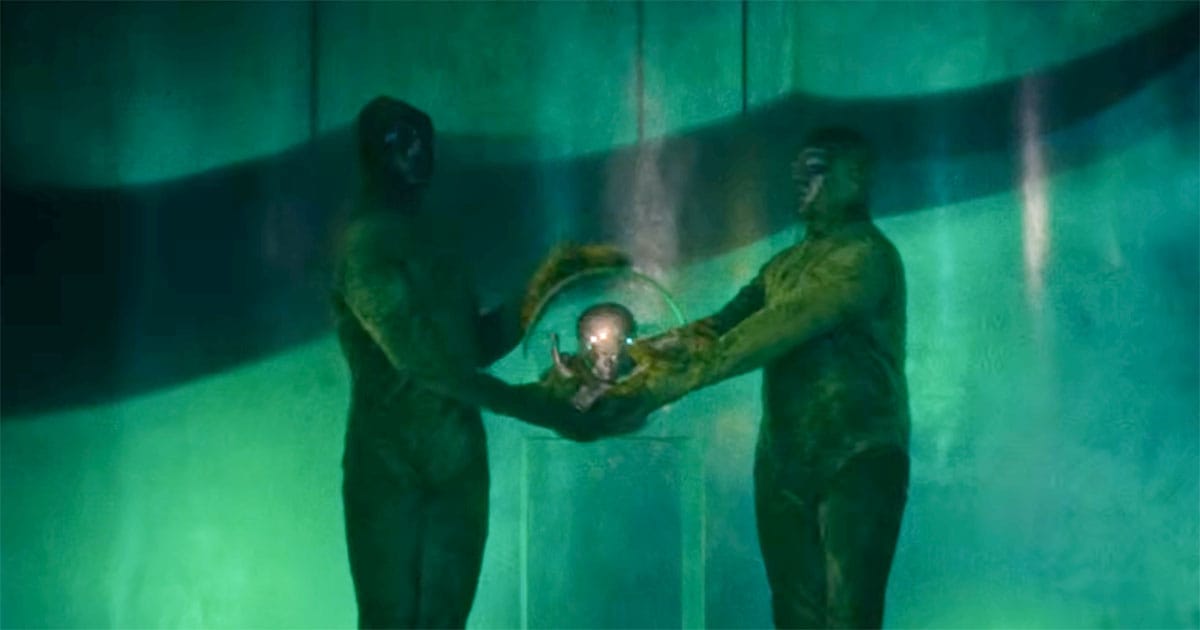
One of the most striking elements in these films is the temporary collapse of authority. Fathers, police officers, and officials fall under outside control and begin to act against their own communities. This creates a sense of instability that reaches beyond the immediate threat and into the foundations of daily life.
Yet these stories do not abandon faith in authority. Instead, they present a test of its strength and durability. Once the threat is understood, proper leadership reemerges and takes action. The message is steady and deliberate. Authority may be challenged, but it is not easily replaced or erased. It can recover, and when it does, it often returns stronger and more focused than before.
The Individual Matters
In "Invaders from Mars", the first person to recognize the danger is a child. His perspective gives the story urgency, but it also highlights a key idea that runs through much of 1950s science fiction. Awareness often begins at the individual level. Even when institutions are compromised or slow to respond, a single person can recognize that something is wrong.
This emphasis on the individual reinforces responsibility. These films suggest that vigilance is not limited to leaders or experts. It belongs to everyone. Courage and clear thinking at the personal level become essential tools in confronting hidden threats. The message is practical and grounded. Society depends on individuals who are willing to observe, question, and act when necessary.
A Coordinated Response
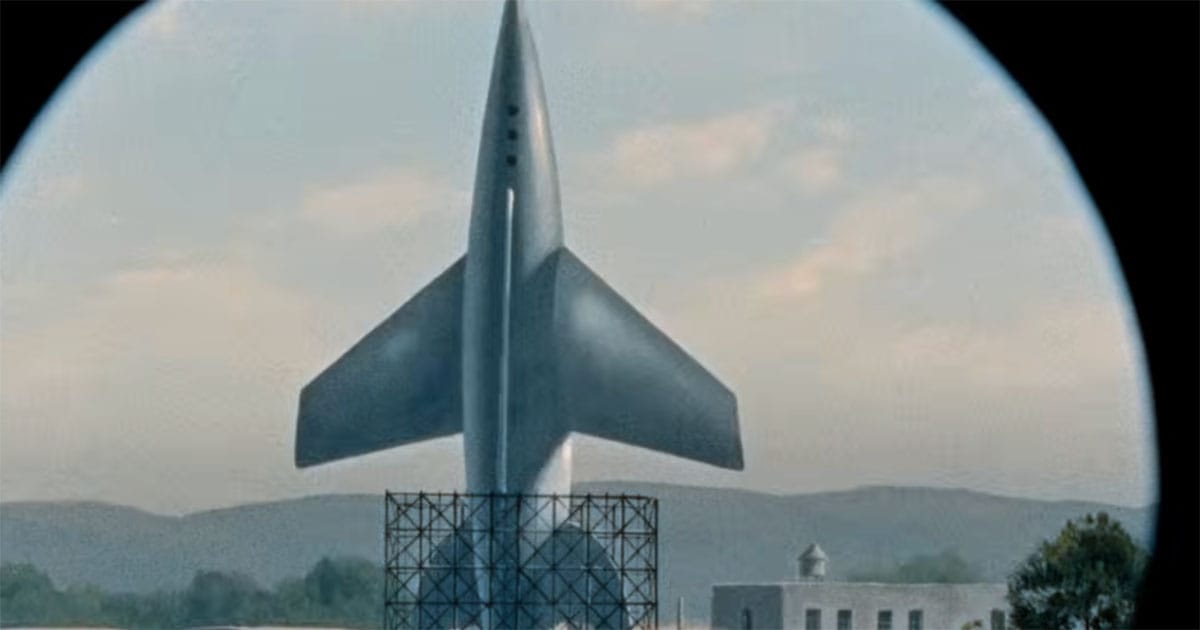
Once the nature of the threat becomes clear, the response shifts from confusion to coordination. Scientists, military leaders, and government officials begin to work together in a disciplined and methodical way. Their efforts reflect structure rather than panic, and that distinction is important.
In "War of the Worlds", large scale chaos dominates much of the narrative. Cities fall, and humanity struggles to respond effectively. In contrast, infiltration stories emphasize recovery and organization. Society does not collapse under pressure. It regroups, evaluates the threat, and begins to act with purpose. This reinforces a sense of stability and competence that audiences found reassuring.
Order Restored Through Reason
The resolution of these films carries a strong and reassuring message. In "Invaders from Mars", the threat is confronted through careful investigation and decisive action. Science provides understanding, and the military provides strength. Together, they restore order in a way that feels earned and credible.
This is not a fragile victory. It is grounded in competence and discipline. The audience is left with the sense that while danger may arise in unexpected ways, it can still be addressed through the proper use of knowledge and authority. That confidence becomes one of the defining traits of the era's science fiction, and it helps explain its lasting appeal.

Why the Theme Endures
The idea of infiltration continues to resonate because it speaks to a fundamental concern that extends beyond any single era. A visible enemy can be faced directly. A hidden one requires patience, awareness, and discipline. This distinction gives infiltration stories a lasting edge over more straightforward tales of invasion.
Films like "The Thing from Another World" present a more obvious threat, yet even there, the question of control and survival remains central. Infiltration stories challenge complacency and reward vigilance. They remind the audience that strength lies not only in force, but in perception and judgment.
Confidence in the Face of the Unknown
In the end, these films offer more than tension and suspense. "Invaders from Mars" suggests that society is not easily undone. It may be tested in unexpected ways, but it retains the ability to respond and recover. That message carries weight beyond the screen and into the broader cultural imagination.
The enemy within is a powerful idea because it touches on trust, stability, and identity. Yet these stories do not leave the viewer in despair. They point toward clarity, discipline, and confidence. Even in uncertain times, order can hold, and when it is challenged, it can be restored through steady leadership and informed action.
"Invaders from Mars" Trivia
- "Invaders from Mars" was directed by William Cameron Menzies, who was better known for his work as a production designer on films like "Gone with the Wind." His visual approach gave the film its distinctive dreamlike quality.
- The film's story is told almost entirely from a child's perspective, which was unusual for science fiction at the time. This choice heightens the sense of confusion and fear, since the audience experiences events with the same limited understanding as the young protagonist.
- "Invaders from Mars" was remade in 1986 by Tobe Hooper. While the remake increased the scale and effects, many critics and fans continued to favor the original for its atmosphere and focused storytelling.