
Essential Classic Science Fiction Novels Every Reader Should Read in 2026
A collection of classic science fiction novels that shaped the genre with bold ideas, strong themes, and lasting impact, offering readers timeless stories that continue to challenge and inspire.

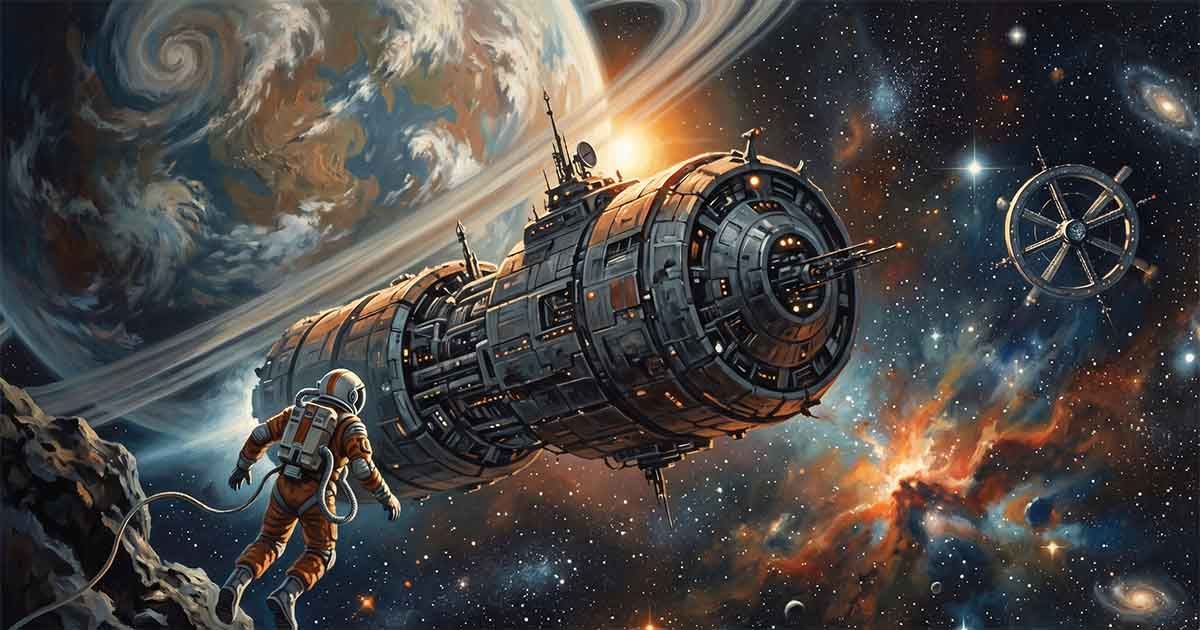
Classic science fiction speaks with a firm and steady voice that modern works often lack. These stories come from a time when writers treated the future as a serious testing ground for human character, moral order, and scientific progress. The language remains clear, the ideas remain bold, and the purpose remains grounded in enduring truths. Readers find themselves challenged rather than comforted, which gives these works their lasting power.
This tradition demands precision in both storytelling and thought. The authors build worlds that follow rules, where actions carry weight and consequences unfold with logic. In spite of advancing technology, the focus remains on man and his responsibility within creation. These novels do not drift into abstraction but stay anchored in questions that matter across generations. That sense of order gives the genre its distinct authority and lasting appeal.
Writers from this period approach science fiction as both entertainment and examination. They explore the limits of knowledge while holding a steady view of human nature. The result is fiction that feels both imaginative and grounded. Readers encounter ideas that stretch the mind without losing sight of practical reality.
The selections that follow reflect this enduring approach to the genre. Each book presents a distinct vision of the future while holding fast to recognizable human concerns. They reward patience and careful reading, offering insights that grow clearer over time.
A Canticle for Leibowitz
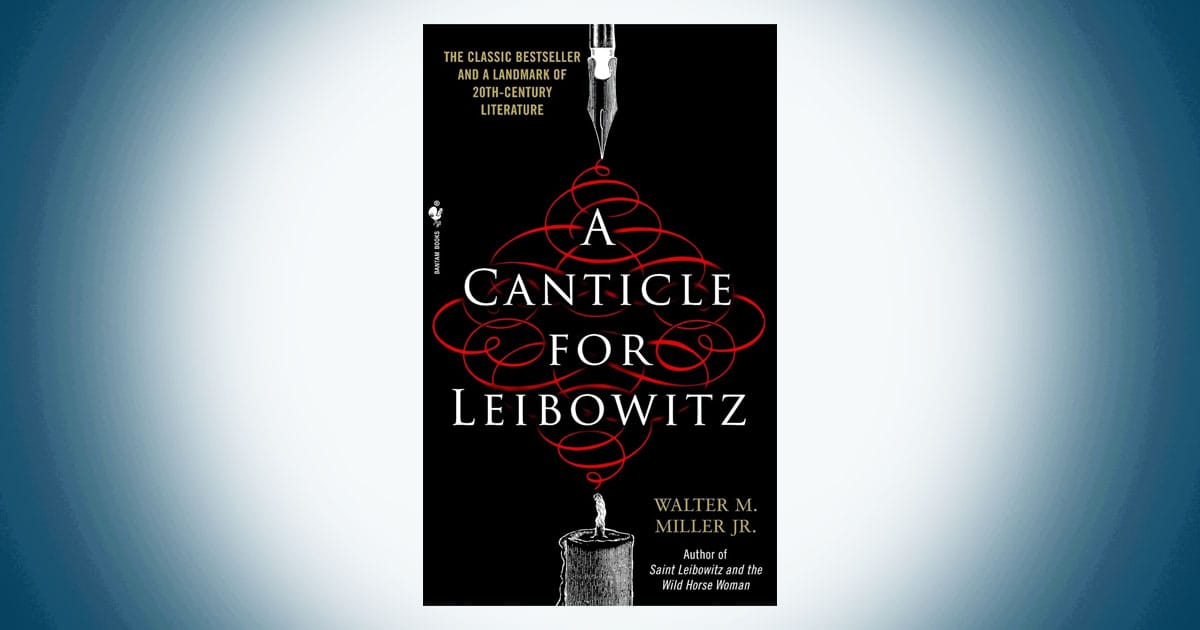
The novel unfolds across centuries in a world recovering from nuclear destruction. The story follows a monastic order devoted to preserving fragments of scientific knowledge that earlier generations nearly erased.
Its structure moves through three distinct eras, each revealing the same pattern of human ambition and failure. The novel earned the Hugo Award in 1961 and remains a sober reflection on memory, faith, and the cost of forgetting hard lessons.
The Stars My Destination

A future shaped by personal teleportation creates a society divided by power and access. The ability to jaunte reshapes wealth, security, and human movement in ways that feel both logical and dangerous.
At the center stands Gully Foyle, a crude man driven by betrayal into a singular purpose. His transformation carries the story with relentless force. The novel offers a hard look at ambition and the cost of unleashing raw human will.
The Dispossessed
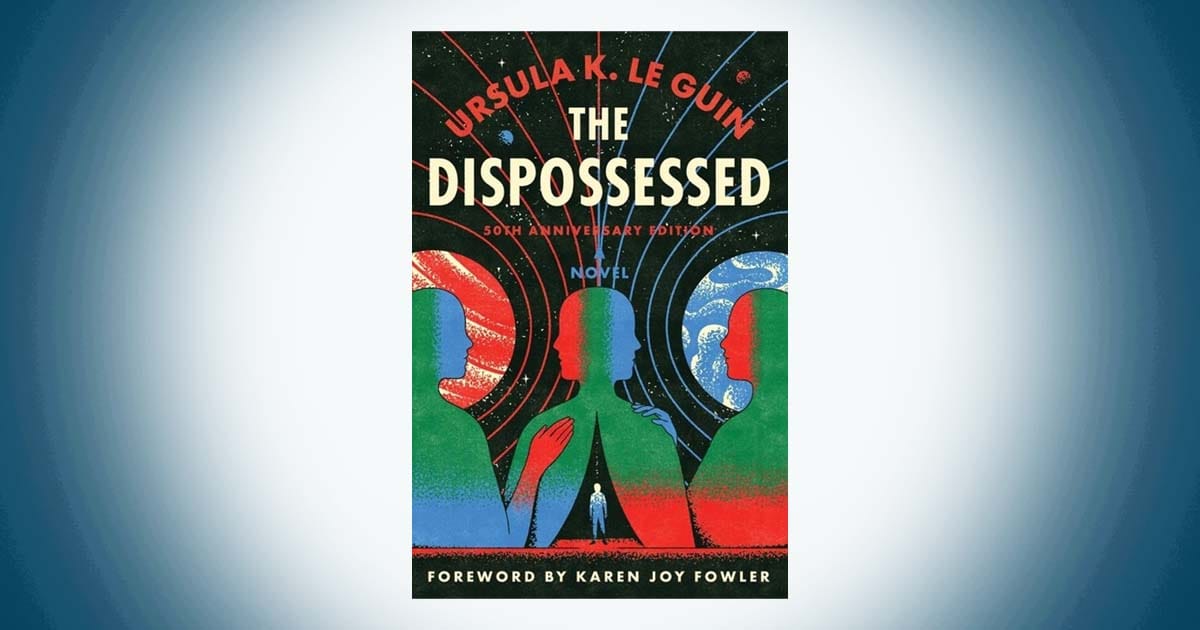
A divided human civilization forms the core of this thoughtful narrative, set between a harsh moon and a wealthy parent world. The physicist Shevek seeks to bridge the gap between these societies through knowledge and personal sacrifice.
His journey reveals the strengths and limits of each system without simple answers. The novel earned both the Hugo and Nebula Awards, and it remains a careful study of loyalty, truth, and human cooperation.
Ice
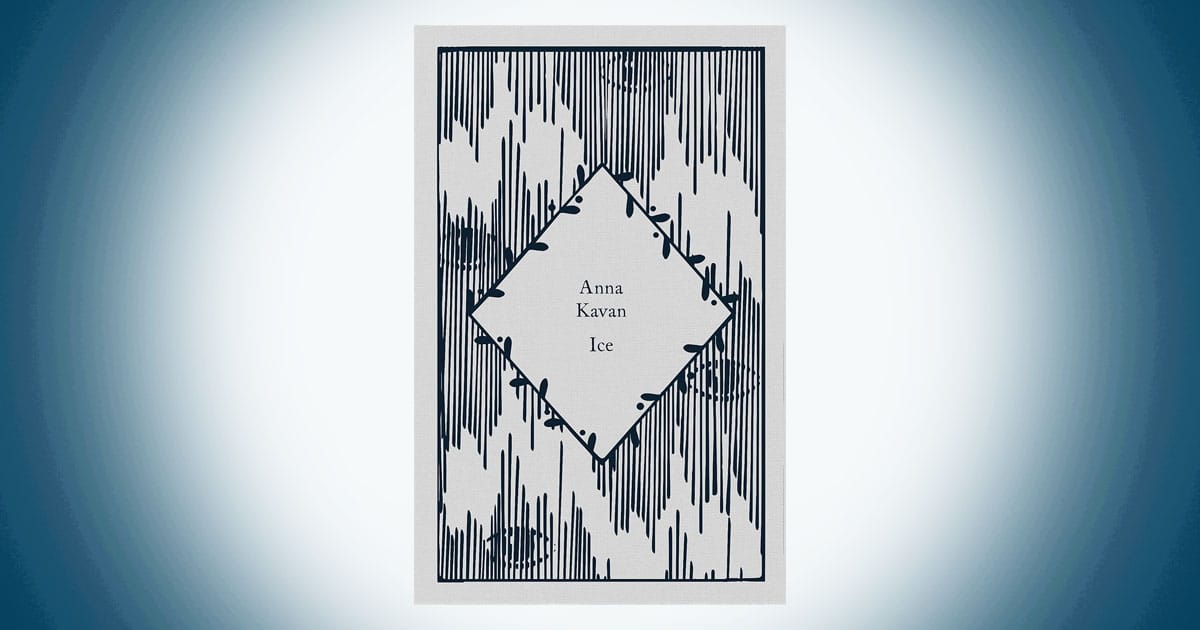
A frozen landscape advances without mercy, erasing the last traces of civilization as it spreads across the globe. The story follows a nameless man driven by obsession as he searches for a mysterious silver-haired girl across shifting, unstable terrain.
Reality bends and reforms, giving the narrative a dreamlike intensity that never settles. First published in 1967, the novel offers a stark vision of collapse and control that continues to unsettle readers.
The Mote in God's Eye
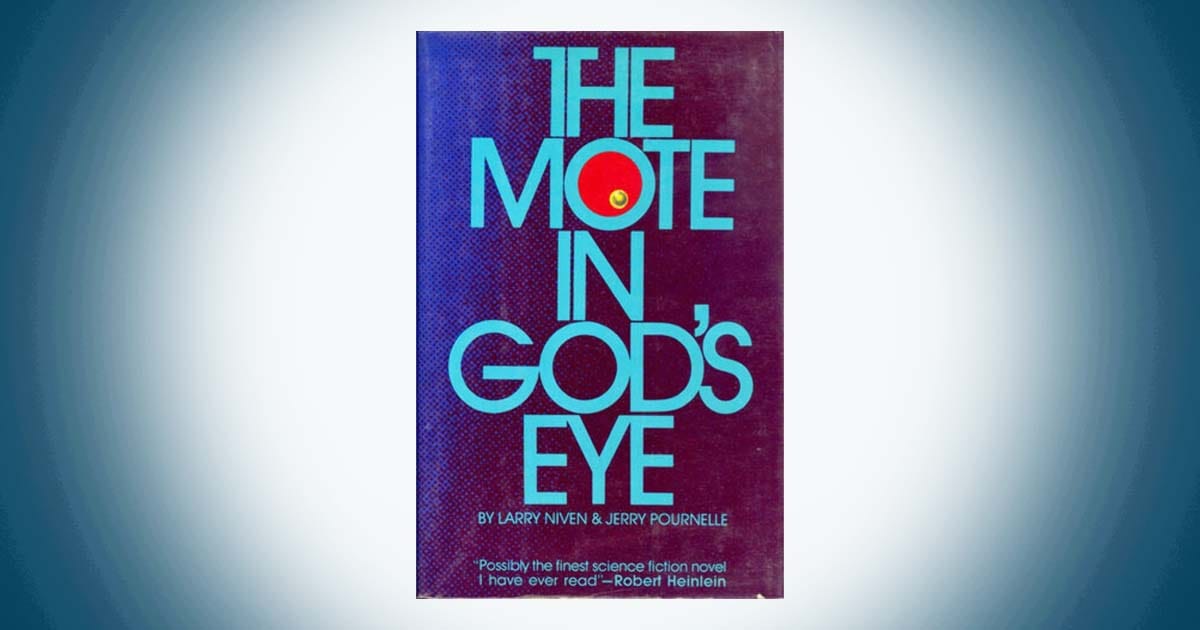
A distant future empire encounters its first intelligent alien species, setting the stage for a careful and tense first contact. The discovery forces humanity to confront both opportunity and risk in equal measure. The alien civilization appears rational, yet its hidden limitations create a growing sense of unease.
Published in 1974, the novel was nominated for major awards and remains a defining example of disciplined, idea driven science fiction.
Eon & Eternity
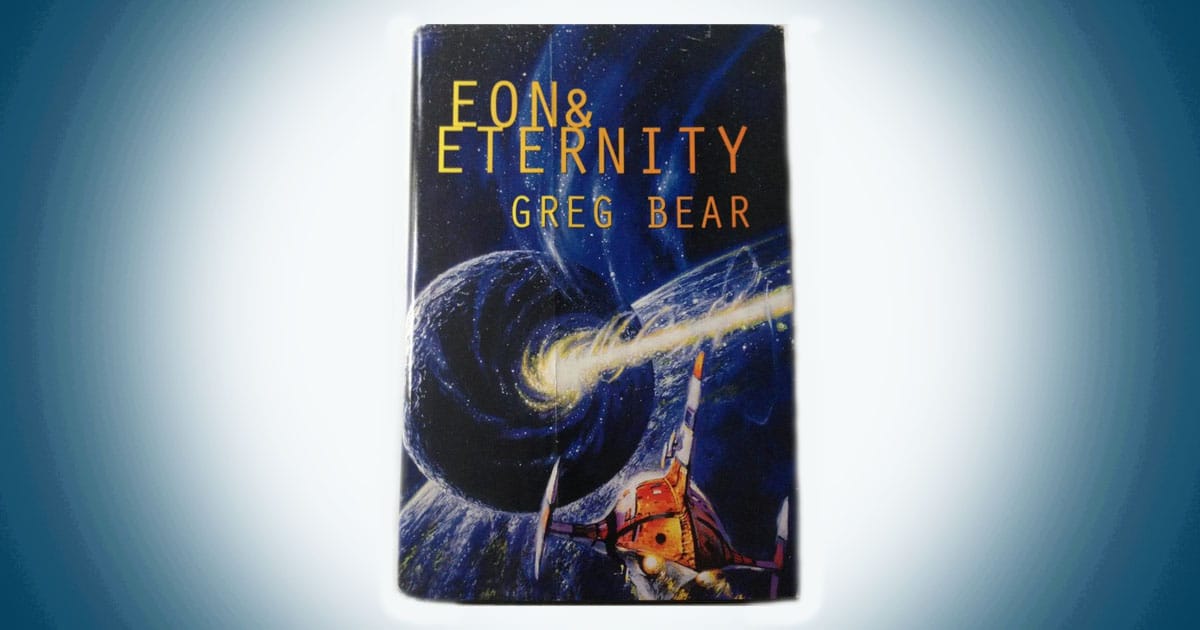
A massive artificial structure appears in Earth orbit, opening into a corridor that stretches beyond known space and time. As nations compete to understand and control it, the discovery reveals pathways into humanity's possible futures.
Bear builds the narrative on firm scientific ideas while expanding its scope with measured precision. "Eon," published in the 1980s, reflects a belief that exploration carries both promise and responsibility, with consequences that extend far beyond the present.
Gateway
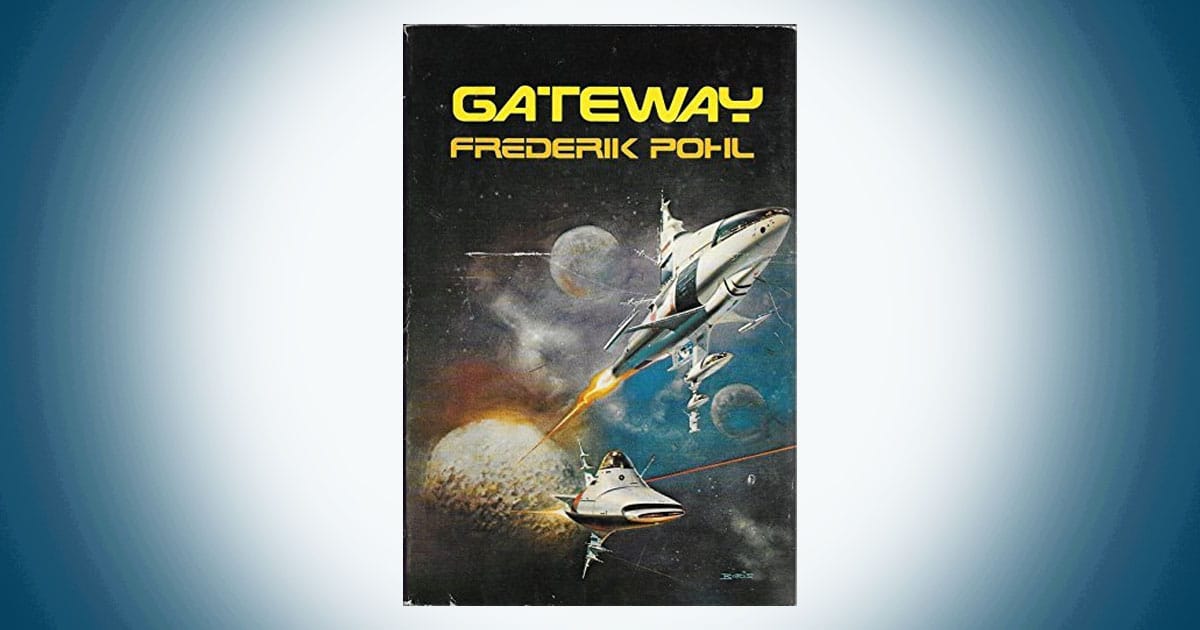
A distant asteroid station becomes humanity's gateway to alien technology left behind by a vanished species. Prospectors risk their lives by piloting unknown ships to uncertain destinations, where success brings wealth and failure often means death.
The story follows one survivor haunted by the choices he made in pursuit of fortune. First published in 1977, the novel combines psychological depth with sharp speculation about risk, reward, and the cost of ambition.
Rendezvous with Rama
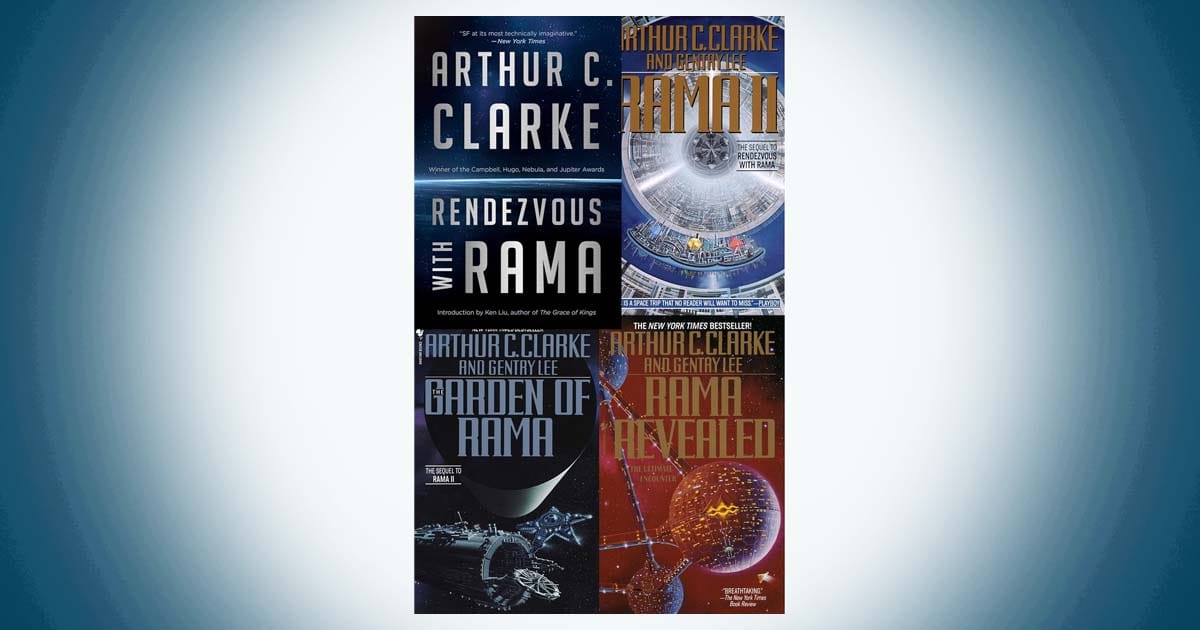
A mysterious cylindrical object enters the solar system, drawing human explorers into an encounter with the unknown. The first volume presents a careful examination of the alien vessel, where observation replaces conflict and discovery unfolds step by step.
Later entries expand the story with deeper human involvement and consequence. Beginning in 1972, the series reflects a disciplined vision of exploration, where curiosity drives progress and the universe remains vast, ordered, and indifferent to man.