
The Gom Jabbar Test In "Dune" And What It Reveals About Humanity
The Gom Jabbar test in "Dune" reveals the line between instinct and control. Learn how it works, why it matters, and what Paul Atreides proves in this defining moment.

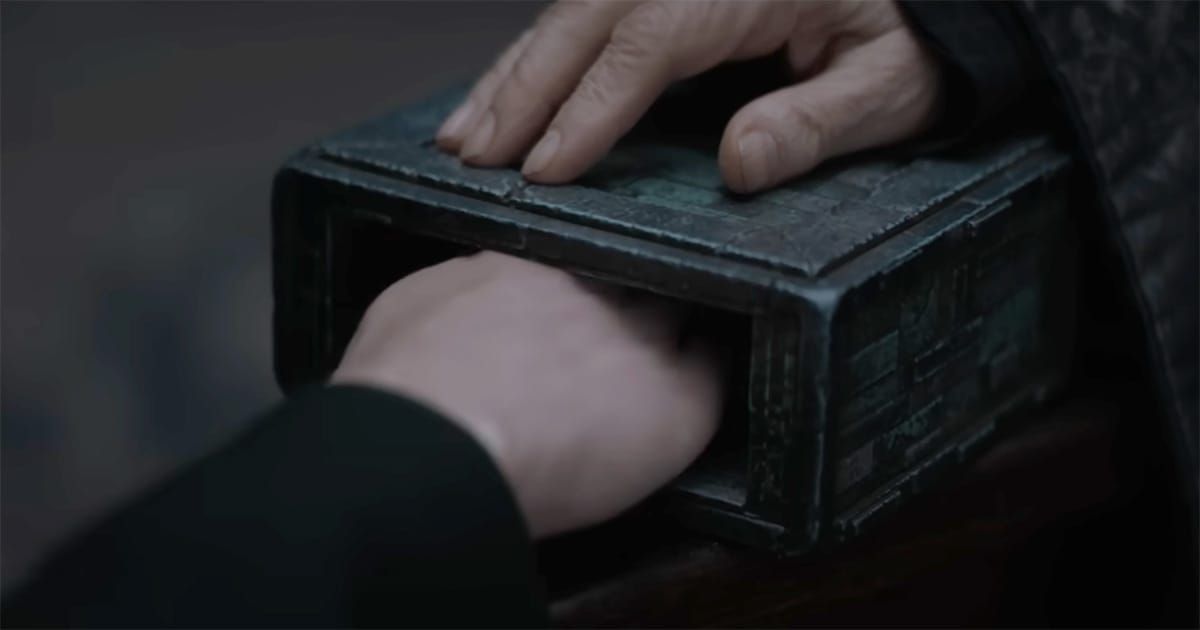
Few moments in "Dune" announce the novel's ambition as clearly as the Gom Jabbar test. It appears early and establishes the tone before the larger conflicts unfold. A young noble sits in a quiet chamber, facing a choice that is simple and absolute. The scene is restrained, yet it carries a weight that extends across the entire narrative.
Pain fills the senses while death waits close at hand. The structure is minimal, but its implications reach far beyond the room. Frank Herbert uses this moment to define the intellectual framework of "Dune". The reader encounters discipline, consequence, and the cost of survival.
The test works because it is immediate and easy to grasp. There is no need for elaborate explanation. A single decision determines the outcome. That clarity gives the scene lasting power and makes it one of the most memorable passages in science fiction.
| Field | Details |
|---|---|
| Name | Gom Jabbar Test |
| Aliases | Test of Humanity; Pain Box Trial |
| Affiliation | Bene Gesserit; Imperial power structures; human breeding program |
| First Appearance | "Dune" by Frank Herbert, 1965 |
| Portrayed In Film By | Scene depicted with practical effects in "Dune" (1984); modern cinematic realism in "Dune" (2021) |
| Portrayed In Miniseries By | Adapted in "Frank Herbert’s Dune" (2000) with simplified visual effects |
| Role | Rite used to distinguish humans from animals through control over instinct |
| Description | A Bene Gesserit test in which a subject endures intense simulated pain while a poisoned needle threatens death if they react impulsively |
Origins And Context
The Gom Jabbar test originates with the Bene Gesserit, a secretive order devoted to shaping humanity across generations. Their work combines training, observation, and long-term planning. They act with patience and precision rather than force. Their influence moves quietly through bloodlines and political structures.
Within this framework, the test serves as a method of selection. It identifies individuals capable of maintaining control under extreme pressure. The Bene Gesserit do not prize physical strength above all else. They value the ability to think clearly when instinct demands immediate action.
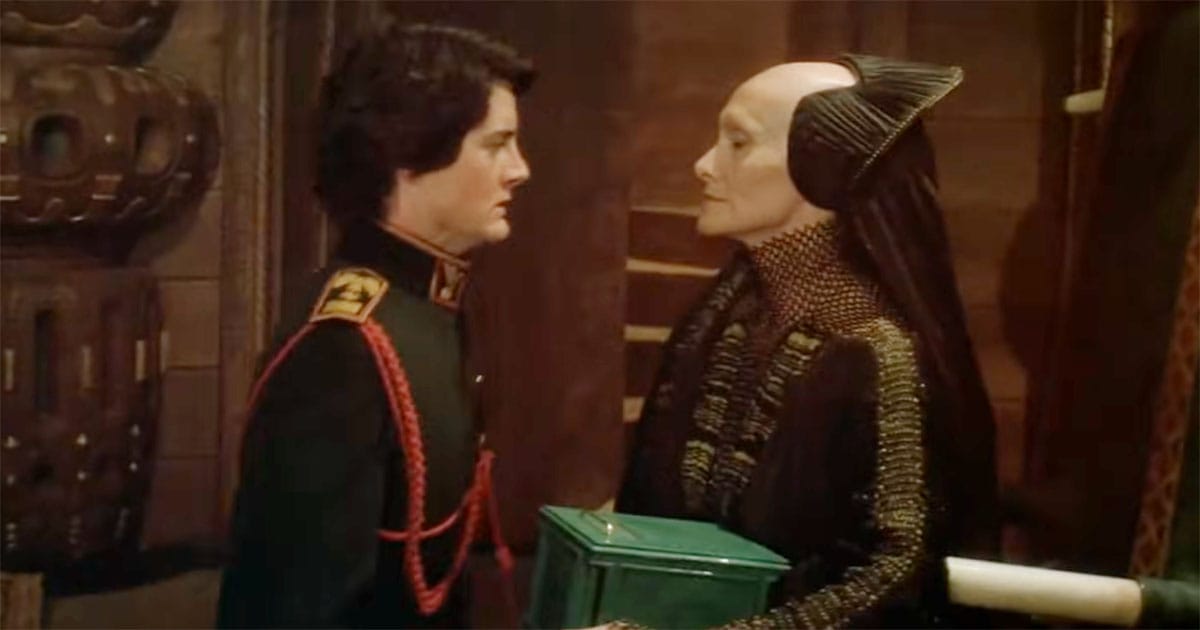
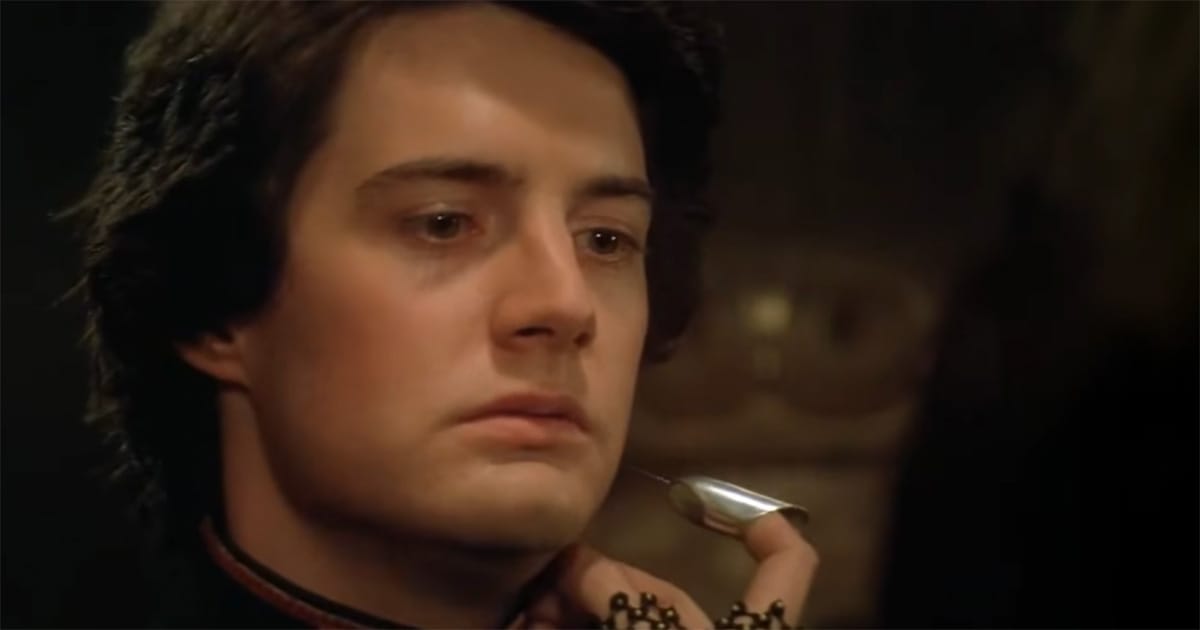
The term Gom Jabbar refers to the poisoned needle itself. The test includes both the needle and the pain-inducing box. The box creates the sensation of severe injury, while the needle represents certain death. This pairing is deliberate and reflects the order's understanding of perception and reality.
The Bene Gesserit view humanity in practical terms. A human being is one who can pause, evaluate, and choose a response rather than react blindly. This belief runs through "Dune" and shapes its conflicts. The test presents that idea in its most concentrated form.
How The Test Works
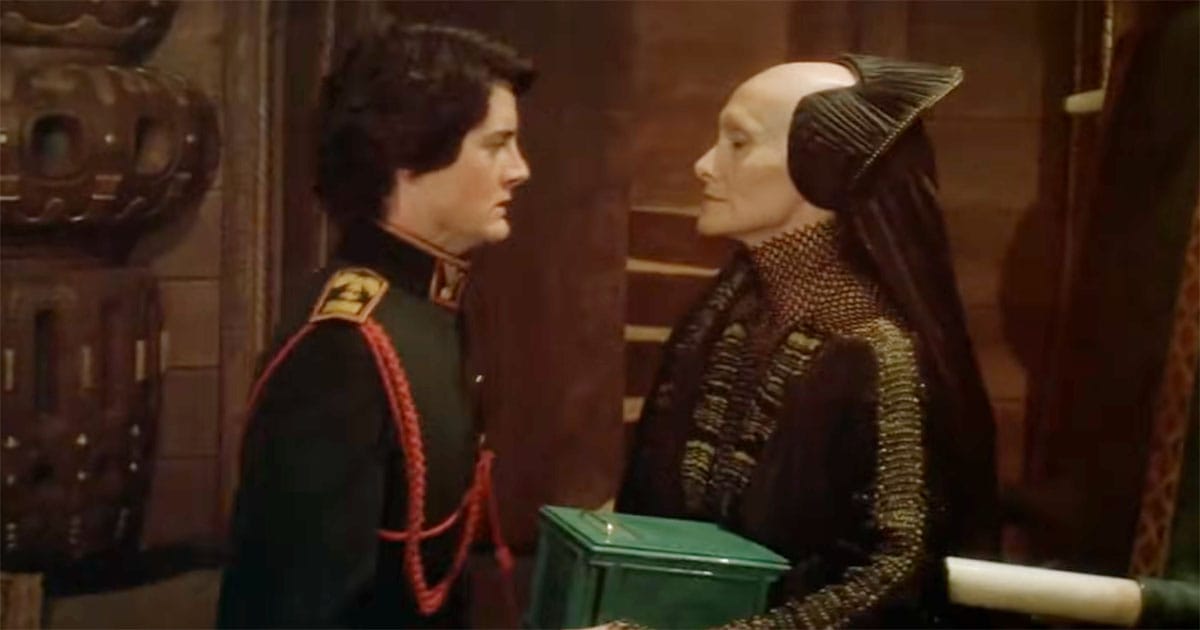
The mechanics of the test are direct and carefully controlled. The subject places a hand inside a small box. Once inside, the device induces intense nerve pain that grows steadily stronger. The sensation mimics destruction, yet it causes no physical damage.
There is no visible injury to confirm the experience. The pain exists entirely within perception. This forces the subject to confront a powerful contradiction. What feels real is not actually happening.
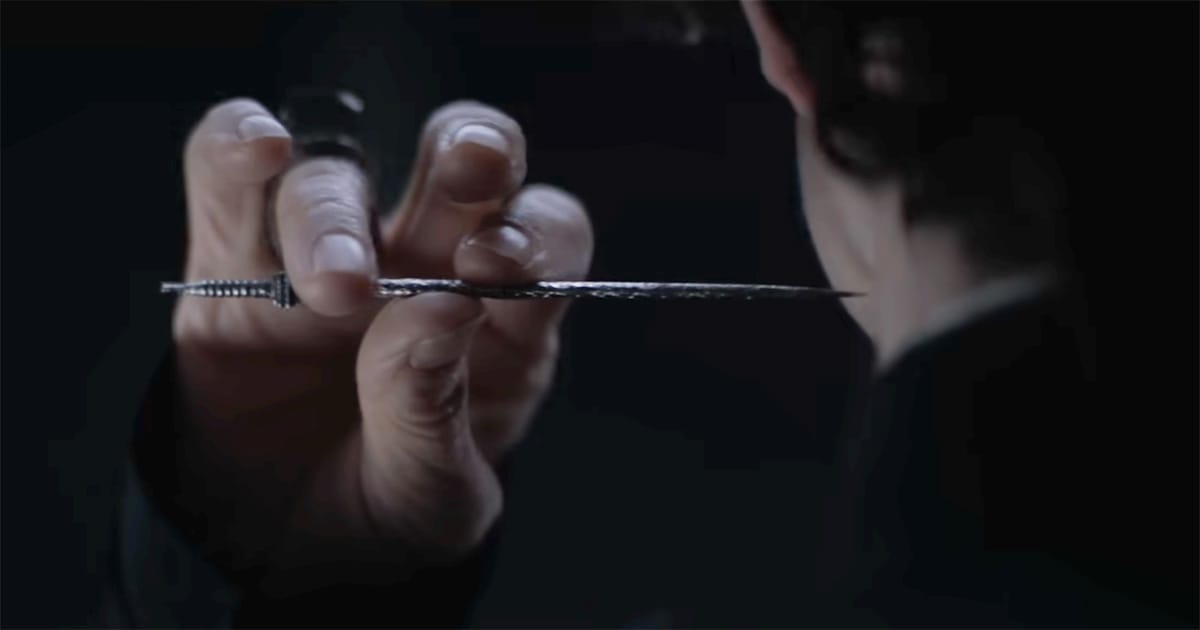
At the same time, the examiner holds the Gom Jabbar needle close to the subject's neck. The rule is clear and final. If the hand is withdrawn, the needle is used. There is no delay and no second chance.
This arrangement creates a precise test of judgment. The body reacts to pain with urgency and panic. The mind must interpret the situation and recognize the true danger. The subject must choose to ignore the false signal and respond to the real one.
Success depends on clarity under pressure. The subject must remain aware of the structure of the test even as the sensation intensifies. This is not a question of endurance alone. It is a question of understanding and control.
Role In The Story
The Gom Jabbar test appears at a critical point in "Dune". It takes place before the move to Arrakis and before the larger political conflict unfolds. This placement ensures that the reader understands the deeper stakes of the story from the beginning.
The scene introduces the Bene Gesserit as a disciplined and calculating force. Their methods are quiet but absolute. They do not rely on armies or open displays of power. Instead, they shape outcomes through individuals and decisions.
The test also establishes the importance of fear as a theme. Fear is not presented as something to avoid, but as something to examine. This idea will return throughout the novel in both personal and political contexts.
The chamber itself becomes a model for the wider world of "Dune". Characters face pressures that demand immediate reaction. Survival depends on resisting that impulse and choosing a deliberate course. The small, controlled test reflects the larger struggles that define the story.
Paul Atreides And Meaning
When Paul Atreides undergoes the test, his performance sets him apart. He does not lose awareness as the pain increases. He continues to think and observe, even as the sensation intensifies. This sustained clarity draws the attention of the examiner.
Paul endures longer than expected, suggesting a level of control beyond standard training. His response shows that he can separate sensation from consequence. He recognizes that the pain is a tool and refuses to let it dictate his actions.
This moment establishes a central idea in "Dune". Humanity is defined by the ability to act against instinct when necessary. Knowledge and training matter, but they are not enough without control.
The test also serves as an early indication of Paul's future role. The discipline he demonstrates in this confined setting will be required again under far greater pressures. The qualities revealed here will shape his path as the story unfolds.
Adaptations And Legacy
The Gom Jabbar test has appeared in each major adaptation of "Dune", with each version offering a distinct interpretation. "Dune" from 1984 emphasizes ritual and atmosphere. The scene carries a heightened sense of unease and mystery.
"Frank Herbert’s Dune" from 2000 presents the test in a more direct manner. The focus remains on its function within the narrative and its role in establishing character. The presentation is clear and accessible.
"Dune" from 2021 returns to restraint. The scene relies on silence, close framing, and controlled pacing. The emphasis falls on internal struggle rather than visual spectacle.
Across these versions, the essential structure remains unchanged. A hand in a box and a needle at the throat. This simplicity allows the scene to retain its meaning across different styles and interpretations.
The legacy of the Gom Jabbar test lies in its precision. It reduces a complex philosophy to a single decision. Readers and viewers understand the stakes immediately. The question it raises about control and survival continues to resonate.
Sources
Nerdist – “What Is Dune’s Gom Jabbar Test” (2020)
TheGamer – “Dune Gom Jabbar Needle Test Explained” (2023)
Yahoo Entertainment – “Dune Mysterious Gom Jabbar Test” (2021)