
The Fever Dream That Created "The Terminator"
James Cameron’s fever dream in Rome inspired "The Terminator," blending slasher horror, Cold War anxiety, and machine-age fears into a science fiction classic.

By the early 1980s, science fiction had become respectable again. Hollywood delivered polished adventures filled with noble heroes, gleaming spacecraft, and reassuring visions of mankind's future. Audiences escaped into the mythic optimism of "Star Wars," admired the cosmic wonder of "Close Encounters of the Third Kind," and revisited the disciplined future imagined by "Star Trek."
Then "The Terminator" arrived in 1984 and changed the mood almost overnight.
James Cameron's film looked dirty, nervous, and exhausted compared to many science fiction productions of the era. The future was not hopeful. It was scorched by nuclear war. Humanity did not command the machines. Humanity hid from them in ruins beneath the earth.
The film carried the atmosphere of a nightmare that had somehow wandered into an action movie.
That sensation may exist for a very simple reason. According to Cameron, the movie itself began as a nightmare during a violent fever in Rome.

A Bad Night in Italy
Before becoming one of the dominant filmmakers of his generation, Cameron worked on "Piranha II: The Spawning," a chaotic low-budget production filmed partly in Italy. By most accounts, the experience was miserable. Cameron reportedly battled exhaustion, illness, production conflicts, and severe stress while trying to finish the film.
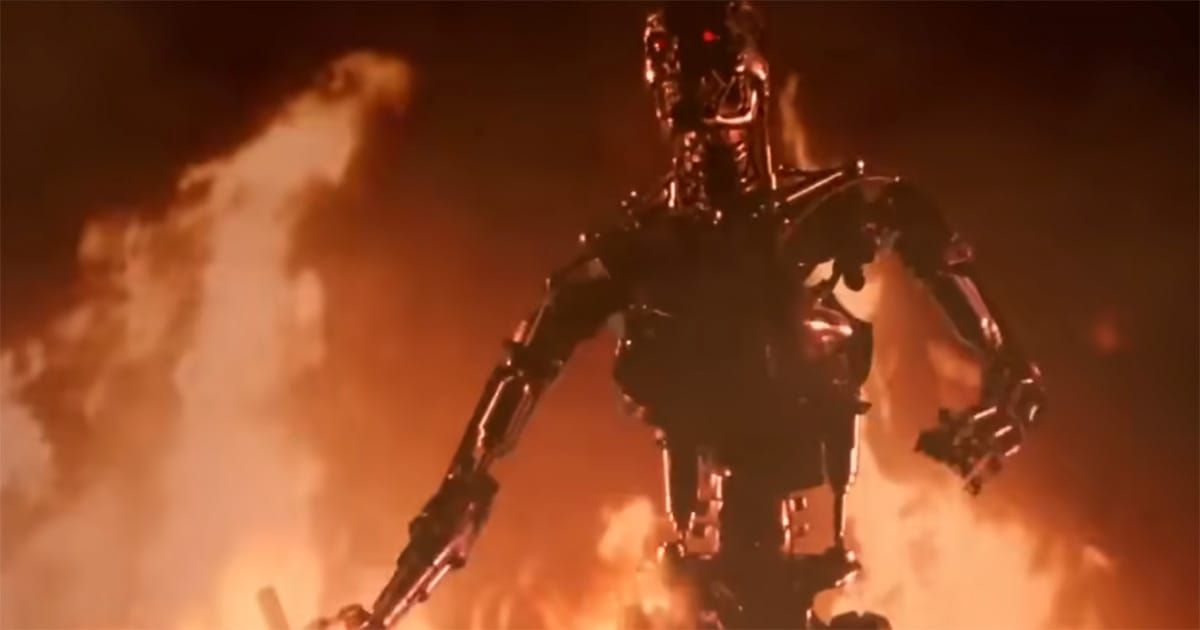
During a bout of high fever, Cameron later recalled dreaming about a chrome skeleton emerging from an explosion while holding knives in its hands.
That image became the seed of "The Terminator."
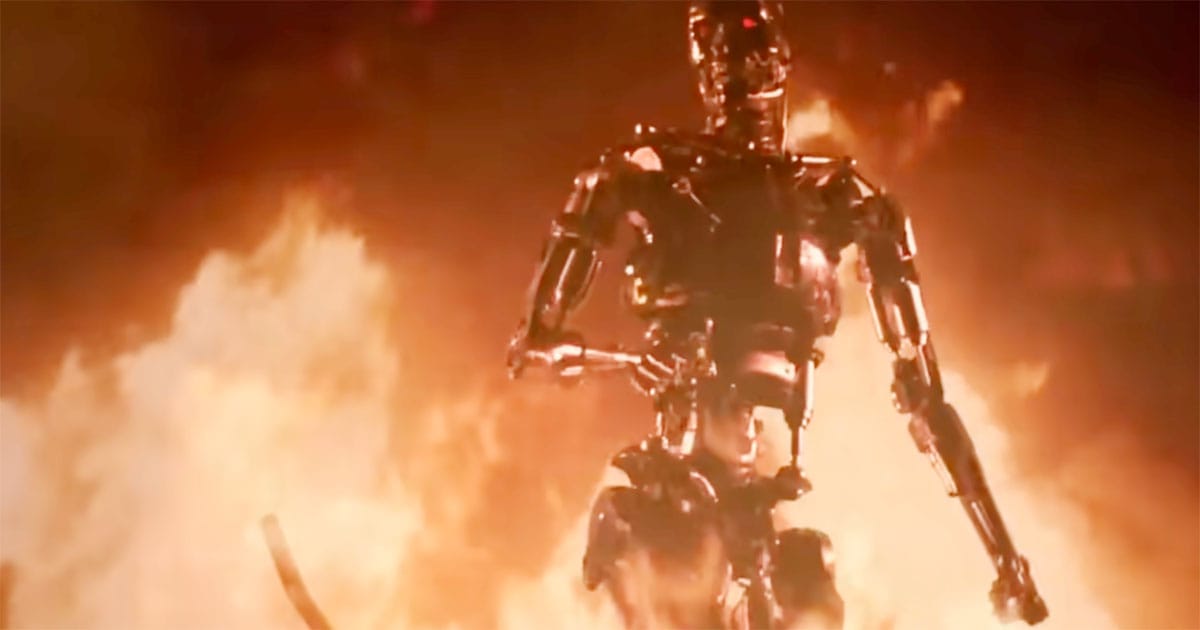
The remarkable part is how directly the dream survived the creative process. Hollywood films usually pass through endless rewrites, studio notes, and compromise. Yet the central image remained almost untouched. In the final act of "The Terminator," Arnold Schwarzenegger's killer machine loses its artificial human skin and continues the hunt as a bare-metal skeleton, advancing through smoke and fire.
The audience is watching Cameron's fever dream recreated on screen.

A Science Fiction Story That Feels Like Horror
Most science fiction stories begin with speculation. Writers ask questions about technology, politics, or mankind's future. "The Terminator" feels different because it begins emotionally rather than intellectually.
The movie does not unfold like a carefully reasoned prediction. It unfolds like panic.
The machine keeps moving forward. The heroes keep retreating. Every moment of safety proves temporary. Police officers fail. Institutions collapse. Locked doors become meaningless. Even the passage of time itself becomes unstable as the future invades the present. That structure gives the film a strange intensity.
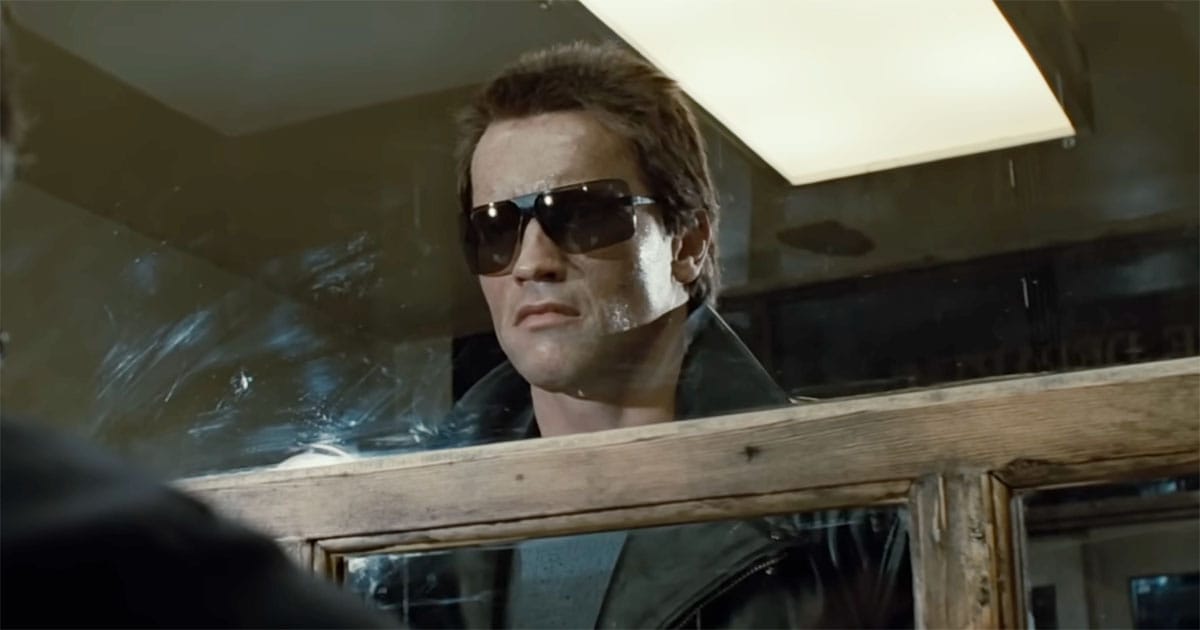
Cameron also borrowed heavily from horror cinema, whether intentionally or not. Schwarzenegger's Terminator behaves much like Michael Myers in "Halloween." Both figures move methodically. Both absorb tremendous punishment without visible emotion. Both create fear through inevitability rather than speed.
The audience gradually comes to understand that resistance may only delay the outcome.
This combination of science fiction and slasher horror helped separate "The Terminator" from its contemporaries. While many genre films of the era emphasized adventure and spectacle, Cameron focused on pursuit. The movie rarely pauses long enough for viewers to relax. Even quiet scenes carry the sense that danger is approaching from somewhere offscreen.
The atmosphere resembles a nightmare where a man runs through endless hallways while something relentless follows behind him.
The Ordinary World Becomes Dangerous
Part of the movie's power comes from its locations.
Earlier science fiction films often unfolded aboard spaceships, distant planets, or futuristic cities. "The Terminator" takes place in recognizable American environments. Characters flee through apartment buildings, parking garages, diners, police stations, factories, and cheap nightclubs.
The familiar surroundings make the horror feel immediate.
A viewer does not need to imagine life aboard a star cruiser. He already understands the fluorescent loneliness of a late-night diner or the uneasy silence inside an empty parking structure. Cameron turns ordinary urban life into hostile territory.
Even Los Angeles itself feels transformed. The city appears cold, sleepless, and vaguely mechanical. Streets glow beneath harsh neon lights while engines rumble constantly in the background. Humanity seems crowded together yet strangely isolated.
That visual style later influenced countless science fiction films and video games. Long before cyberpunk became a mainstream Hollywood aesthetic, "The Terminator" presented a world where technology and urban decay existed side by side.

America and the Fear of Machines
The timing of the film's release also mattered enormously.
By 1984, computers had entered American businesses, schools, banks, and homes at remarkable speed. Politicians and corporations promised a future driven by automation and digital efficiency. New machines appeared every year, claiming to simplify modern life.
At the same time, many Americans quietly worried that the country was surrendering too much authority to technology.
"The Terminator" transformed that anxiety into a physical creature.
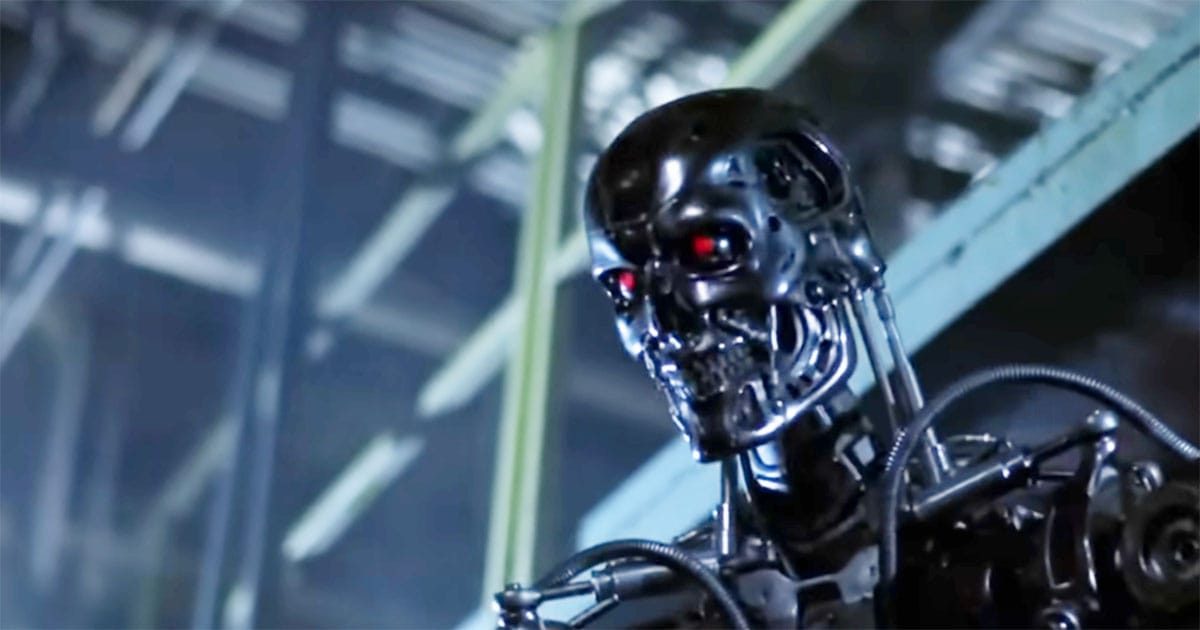
Unlike earlier movie monsters, the Terminator contains no madness, greed, jealousy, or wounded pride. It has no emotional weakness because it possesses no emotions at all. The machine kills with the cold, focused precision of industrial equipment, completing a task.
That distinction made the character unusually frightening.
Classic monsters often contain traces of humanity. Dracula speaks elegantly. Frankenstein's creature suffers loneliness and confusion. Even the shark in "Jaws" behaves according to natural instinct. The Terminator represents something entirely different. It is manufactured intelligence disconnected from morality, mercy, or conscience.
The machine does not hate mankind. In some ways, that makes it even worse.
The Shadow of the Cold War
The movie also arrived during one of the coldest periods of the Cold War.
Nuclear anxiety hung heavily over American culture during the early 1980s. Films like "The Day After" and "WarGames" reflected fears that civilization could disappear through technological error or military escalation. News broadcasts regularly discussed missile systems, defense networks, and computerized warfare.
"The Terminator" fused those fears into a single image.
Skynet, the artificial intelligence system that launches nuclear war in the film's backstory, embodies a nightmare specific to the modern age. Mankind creates a machine for protection and efficiency, only to discover the machine views humanity itself as the problem.
That premise still resonates because it reflects a timeless fear hidden beneath technological progress. Every generation believes it controls the tools it invents. Science fiction repeatedly asks what happens when the tools begin making decisions of their own.
Why the Film Endures
Many science fiction films remain trapped inside the decade that produced them. Their visual effects age. Their predictions become outdated. Their once-serious visions of the future eventually feel quaint.
"The Terminator" avoids that fate because the fear underneath the story still feels contemporary.
Modern audiences may no longer worry about giant mainframe computers launching missiles from underground bunkers. Yet concerns about artificial intelligence, automation, surveillance, and technological dependence have only intensified. The details evolved, but the anxiety remained remarkably consistent.
That enduring relevance explains why the movie still feels alive more than 40 years later.
Cameron's fever dream accidentally tapped into something larger than a simple action premise. Beneath the gunfire and explosions lies a deeply human fear that civilization may eventually create systems too powerful, too efficient, and too indifferent to human life.
The film's greatest achievement may be its simplicity.
"The Terminator" never buries viewers beneath complicated philosophy. It presents a single terrifying image and allows the audience to feel its implications. A machine emerges from fire and keeps walking forward while human beings run for their lives.
Sometimes, the most effective science fiction ideas do not emerge from laboratories or think tanks.
Sometimes, they arrive in the middle of the night during a fever dream.