
Data and the Meaning of Personhood in Star Trek
Data’s quest to understand humanity explores what Star Trek says about personhood, dignity, moral choice, and why Gene Roddenberry believed character defines what makes someone a person.

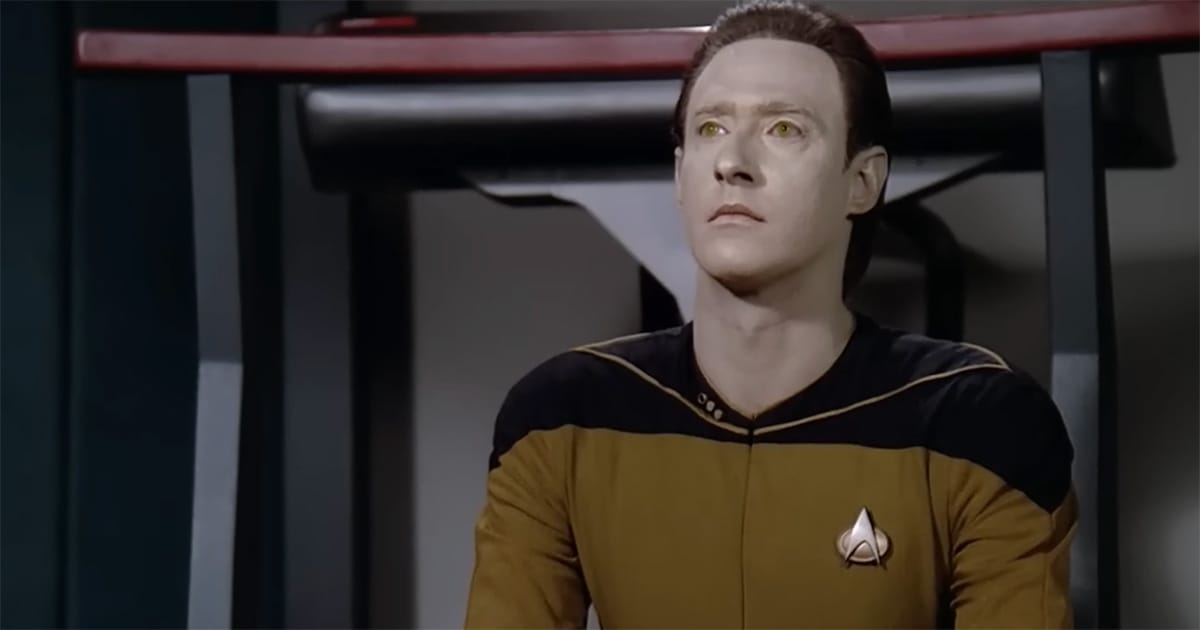
This week marks the birthday of Gene Roddenberry, the creator of Star Trek, and Brent Spiner, the actor who brought Data to life. It is a fitting pairing. Few creator and character combinations are more tightly bound by a shared philosophy.
Roddenberry believed science fiction should present humanity as capable of moral growth. His future was not perfect, but it was purposeful. People argued, failed, and struggled, yet they aimed upward.
Star Trek became the primary vehicle for that vision. The franchise repeatedly returned to questions about duty, restraint, and what it means to be human. Technology existed to support those ideas, not replace them.
Data enters this tradition as an outsider who studies humanity with unusual seriousness. He is intelligent, disciplined, and deeply curious. He does not seek power or dominance.

What Data wants is understanding. He wants friendship, a sense of belonging, and an understanding of why humans value kindness, loyalty, and sacrifice. His lack of emotion becomes a lens rather than a handicap.
Brent Spiner's performance gives Data warmth without sentimentality. The character never mocks human weakness. He treats human behavior as something worthy of respect.
In many ways, Data becomes Roddenberry's philosophy made visible. He shows what a being looks like when growth is chosen deliberately. That idea remains one of Star Trek's quiet strengths.
Their birthdays arriving in the same week feels appropriate. One imagined a better future. The other helped give that future a face.
Sponsored By: Yellow Conehead Alien | پیلا کون ہیڈ ایلین T-shirt

Some science fiction asks what it means to be human. Others ask what it means to be someone. The Yellow Conehead Alien T-shirt plays with that same idea, using bold, strange imagery to celebrate the enduring question of identity.
Data and the Meaning of Personhood in Star Trek
Roddenberry's Central Question
Star Trek has always returned to one central question. What does it mean to be human? Gene Roddenberry believed science fiction should explore this question seriously. He did not believe the future had to be dark.
Data exists as one of Roddenberry's clearest tools for asking that question. He is not human, and he knows he is not human. Yet he spends his life trying to understand what humanity truly is. His journey is quiet and deliberate.
Roddenberry rejected the idea that intelligence alone defines a person. Many machines in science fiction can think. Few are treated as moral beings. Star Trek draws a careful distinction.
Intelligence and Responsibility
Data is different because his intelligence is paired with responsibility. He accepts duty without resentment. He follows orders out of commitment to shared purpose. Responsibility becomes his defining trait.
Personhood in Star Trek is closely tied to choice. Data repeatedly demonstrates that he can choose restraint over impulse. He can choose service over self-interest. These choices carry moral weight.
Those choices force other characters to reconsider their assumptions. If a being can make moral decisions, can that being be property? The question unsettles comfortable categories. Star Trek never treats it lightly.
Dignity Without Biology
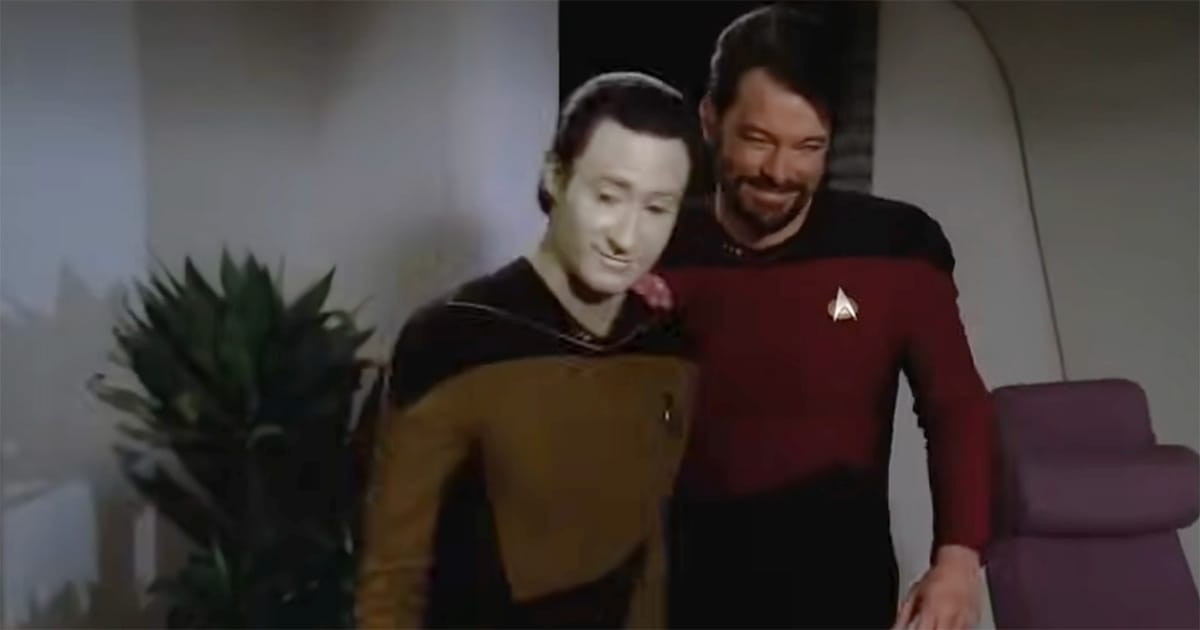
The courtroom hearing over Data's status as Starfleet property captures this tension. The debate is not really about circuitry. It is about dignity. It is about whether dignity can exist without biology.
Roddenberry frames dignity as something that cannot be manufactured. It emerges through action. Data earns dignity through consistent moral behavior. His conduct becomes his argument.
Data does not seek rights to dominate others. He asks for the freedom to exist as himself. That distinction matters. Motivation reveals character.
Beyond Emotion
Many science fiction stories equate personhood with emotion. Data complicates that formula. He lacks emotions for much of his existence. Yet he behaves ethically.
He shows loyalty. He shows patience. He shows concern for others. These qualities appear without emotional impulse.
Star Trek quietly suggests that emotion is not the foundation of morality. Character is. Moral action matters more than inner sensation. This idea runs throughout the series.
A Student of Humanity
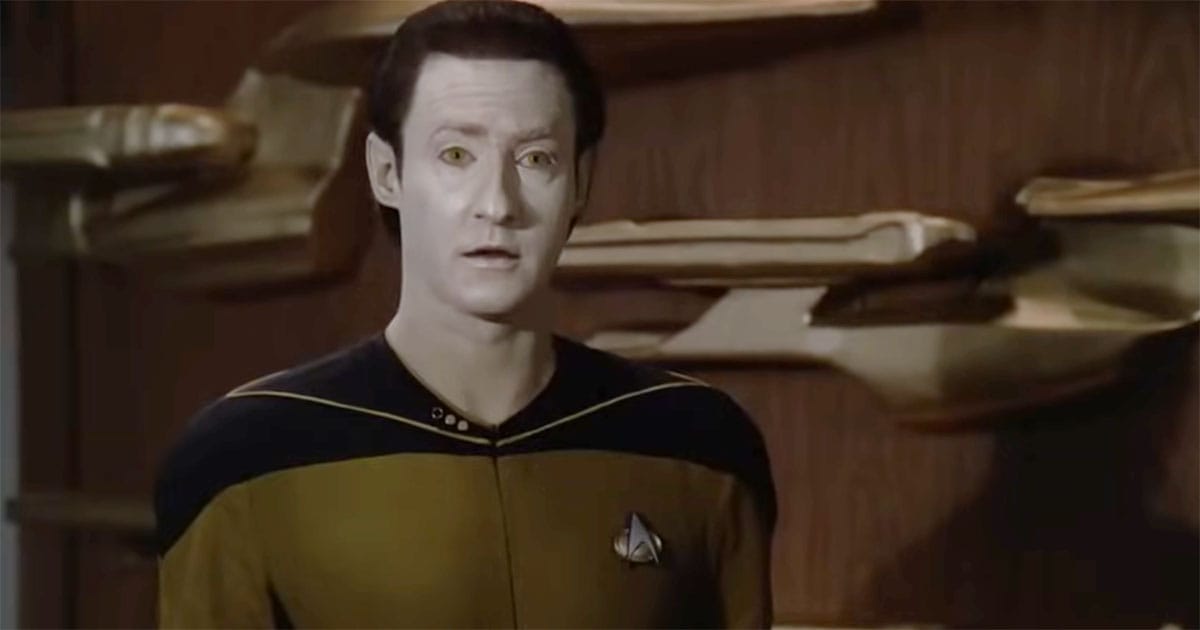
Data studies humanity the way a scholar studies a great civilization. He observes rituals, friendships, jokes, and customs. He treats them as meaningful. Nothing is dismissed as trivial.
This attitude separates him from cynical artificial intelligence characters. Data does not mock human weakness. He approaches it with respect. Curiosity replaces contempt.
Roddenberry believed humanity's flaws were real but not final. Data embodies that belief. He sees humanity as something worth learning from. That judgment carries weight.
Growth as Proof
Personhood in Star Trek is also connected to growth. Static beings feel less alive. Data grows. He changes over time.
He improves his understanding of language. He refines his social behavior. He develops personal preferences. Each step signals an inner life.
Growth implies direction. Data's inner life is not emotional, but it is intentional. He directs himself toward becoming better. Effort becomes evidence.
Roddenberry presents this directed growth as a moral signal. Beings who strive are closer to personhood than beings who merely function. Striving reveals interiority. Function alone does not.
Friendship and Recognition
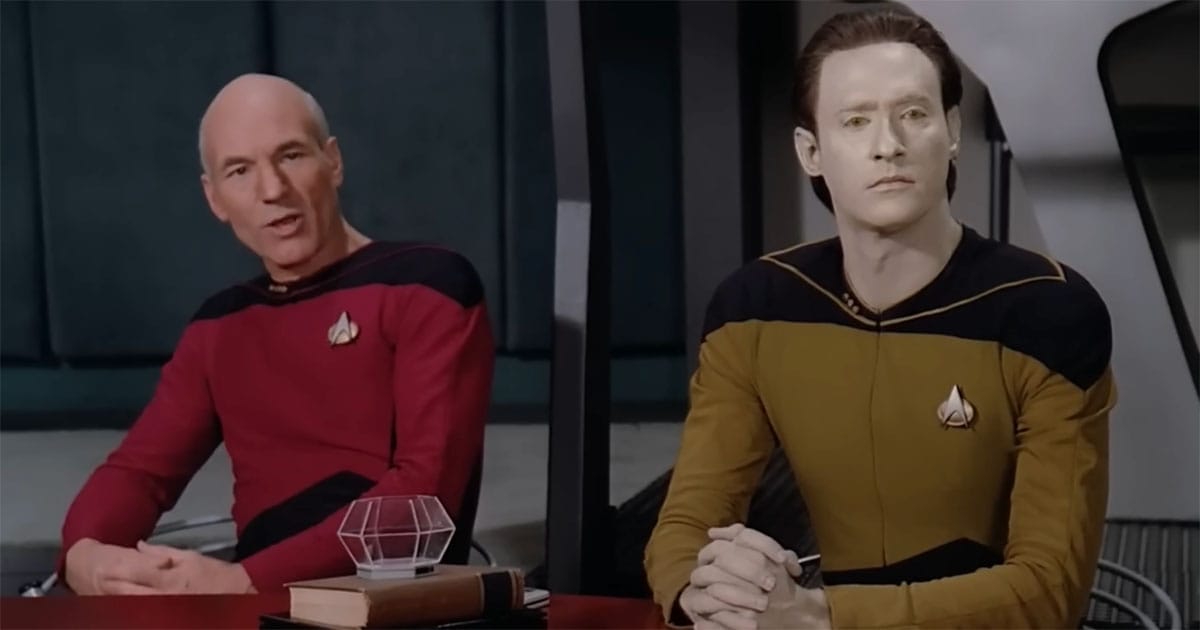
Data's friendships further strengthen his case. He forms bonds with crewmates who come to rely on him. These relationships are not transactional. They are rooted in trust.
Trust requires recognition of agency. The crew gradually treats Data not as equipment, but as a colleague. The shift happens organically. Behavior drives acceptance.
Star Trek avoids making Data flawless. He misunderstands people. He makes social errors. He sometimes fails.
These mistakes make him more humanlike. Perfection suggests programming. Imperfection suggests participation. Limitation becomes a sign of life.
Mortality and Intention
Roddenberry understood humanity is defined partly by limitation. Data's limitations mirror this truth in a different form. Both reveal dependence. Both invite humility.
Another element of personhood is mortality. Data does not age like humans. Yet he understands death. He takes it seriously.
He studies death. He mourns when others die. His understanding of loss is sincere. Sincerity matters more than sensation.
Roddenberry's worldview places heavy weight on moral intention. Data's intentions are consistently oriented toward good. He seeks understanding. He seeks harmony.
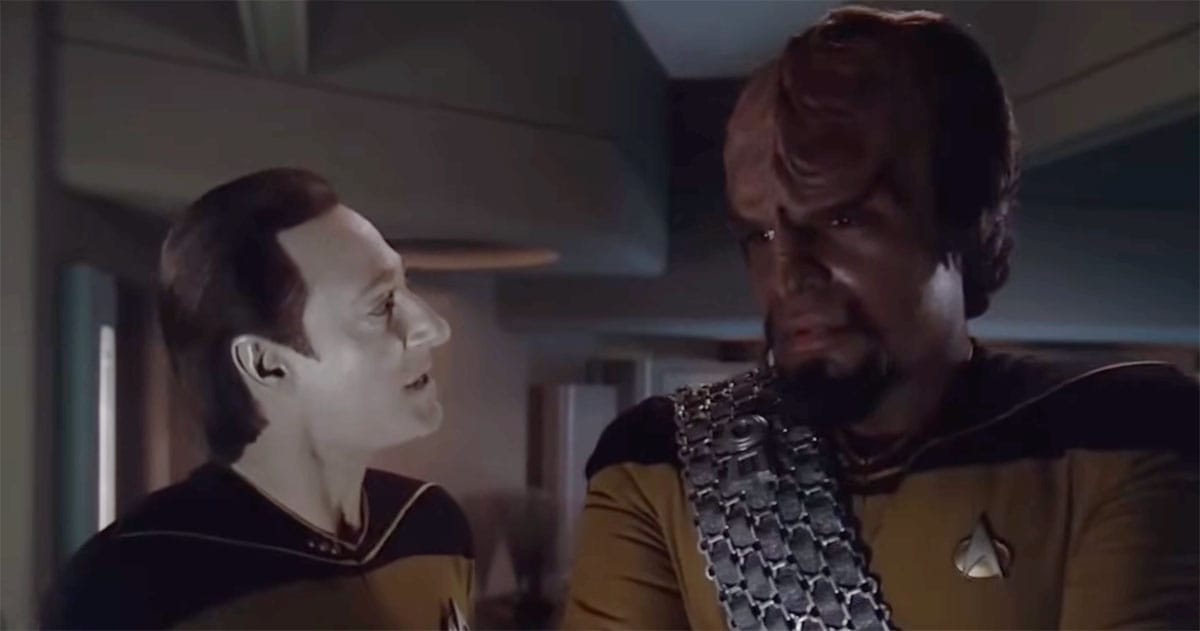
Order, Belonging, and Choice
Data does not seek power. He does not seek dominance. He aims to learn. That orientation shapes his identity.
Roddenberry did not believe freedom means absence of structure. He believed freedom grows inside order. Data thrives inside Starfleet's structure. Structure gives his life meaning.
Personhood does not require breaking chains. It requires choosing the right bonds. Data chooses belonging. He chooses service.
Roddenberry uses Data to argue personhood is revealed through conduct. It is not granted by birth. It is not bestowed by hardware. It is earned.
Data never becomes biologically human. That is not a failure. Becoming human is a direction, not a destination. The journey matters.
Data moves in that direction with remarkable consistency. Through him, Roddenberry offers a hopeful answer. A person is a being who strives toward the good. That idea remains quietly powerful.
Star Trek Trivia
- The courtroom episode about Data's legal status, "The Measure of a Man," was written specifically to explore whether an artificial being could possess individual rights under Federation law.
- Brent Spiner modeled parts of Data's physical stillness and controlled facial expressions after silent film comedians, especially Buster Keaton.
- Gene Roddenberry described Data as a character created to ask philosophical questions about humanity rather than to function as a conventional robot hero.