
Engineered Superiority in Classic Science Fiction
Engineered humans, genetic destiny, and the uneasy role of superiority in classic science fiction. From "Star Trek" to "Gattaca," stories that question enhancement, power, and human limits.

This Week in Classic Science Fiction
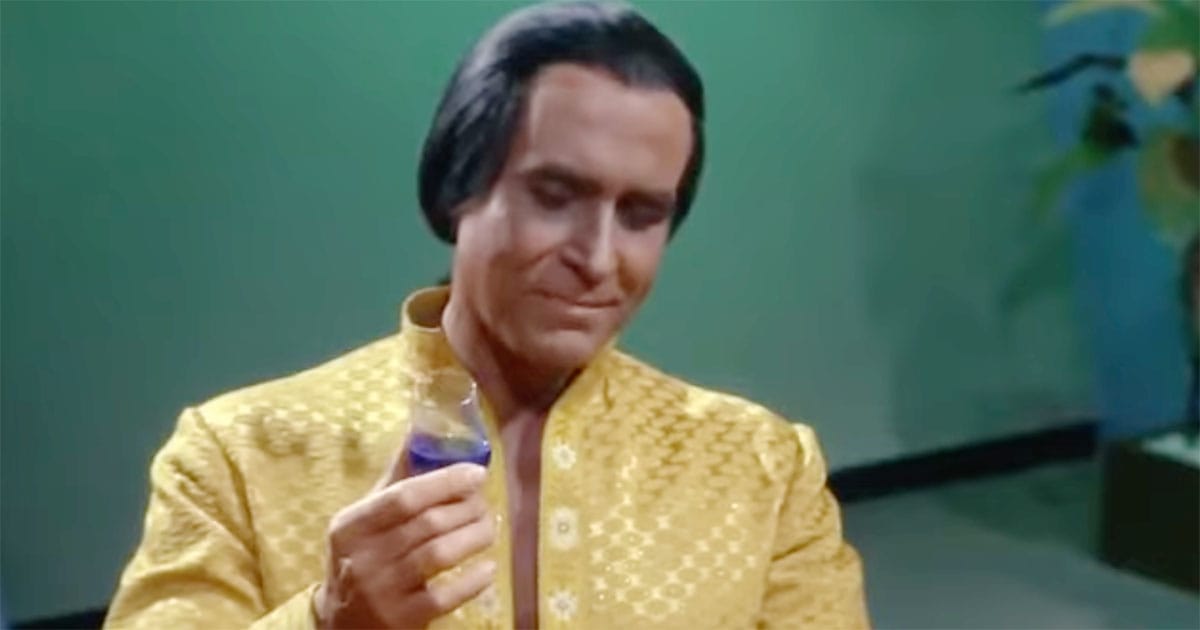
This week marks one of the most consequential broadcasts in the history of television science fiction. On February 16, 1967, "Star Trek" aired the episode "Space Seed," introducing audiences to Khan Noonien Singh.
The episode did more than present a memorable antagonist. It quietly expanded the Star Trek universe by suggesting a turbulent chapter of human history shaped by genetic engineering and conflict. Botany Bay and its passengers implied a past in which scientific ambition and political instability collided.
Khan's characterization distinguished him from many television villains of the era. He was intelligent, disciplined, and ideologically certain. His threat did not arise from chaos or madness, but from conviction and a belief in engineered superiority. This framing gave the conflict unusual dramatic weight.
The long-term significance of the broadcast only became fully visible years later. "Star Trek II: The Wrath of Khan" transformed a single episodic story into the foundation of one of science fiction cinema's most enduring rivalries. Few television episodes have generated consequences as compelling as these.
What remains striking is how effectively the story captures a recurring science-fiction concern. Scientific progress, in spite of its promise, can magnify danger when detached from restraint or humility. That tension continues to define many of the genre's most durable works.
More than half a century after its first broadcast, "Space Seed" remains a defining example of how classic science fiction combined speculative ideas with philosophical conflict.
Sponsored by: The Pilot Beneath the Twin Moons Sci-Fi T-shirt

The Pilot Beneath the Twin Moons design reflects a familiar science fiction theme of solitude, duty, and quiet anticipation. A lone pilot, a waiting craft, and a sky marked by history capture the restrained tension common in classic military science fiction.
Khan and the Superior Human
In 1967, viewers of "Star Trek" encountered Khan Noonien Singh in the episode "Space Seed." The character immediately stood apart from many television antagonists of the era.
Khan was not chaotic or irrational, but composed, articulate, and strategically patient. His presence suggested that danger in science fiction could emerge from excellence rather than disorder.
Khan's abilities were inseparable from his origins. He represented the idea of the engineered human, designed for leadership, intellect, and physical advantage. The episode framed these traits as impressive yet deeply unsettling. Superiority itself became the source of narrative tension.
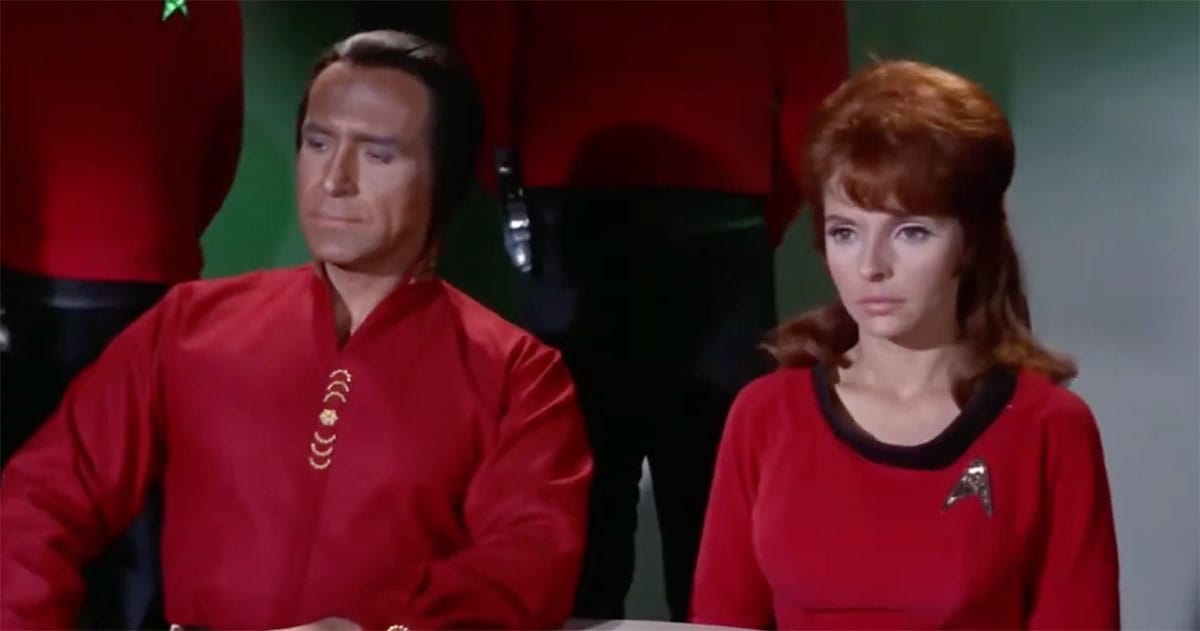
Classic science fiction repeatedly returns to this figure. Enhanced humans do not appear simply as characters but as challenges to the moral and social assumptions of their fictional worlds.
Khan belongs to a long tradition that treats exceptional ability with caution. His significance lies less in villainy than in what he represents.
Khan's portrayal also departed from familiar villain archetypes common in mid-century television. Many antagonists of the period relied on emotional instability or overt aggression. Khan's threat instead derived from competence and certainty. This distinction gave the story unusual intellectual weight.
Competence in science fiction often produces a different kind of unease. A highly capable adversary forces protagonists into genuine conflict rather than procedural resolution. Superiority becomes narratively disruptive because it cannot be dismissed as error or madness. The story must confront the implications directly.
Why Superiority Becomes a Problem
Superiority disturbs the basic logic of many science fiction societies. If some individuals possess inherent advantages, equality becomes unstable. Systems built on merit or effort begin to fracture. Stories often explore the resulting imbalance rather than celebrating the advantages themselves.
Enhanced individuals introduce questions that resist easy resolution. Should authority belong to the most capable, or to the most legitimate? Does engineered talent justify dominance? Classic science fiction rarely answers these questions comfortably.
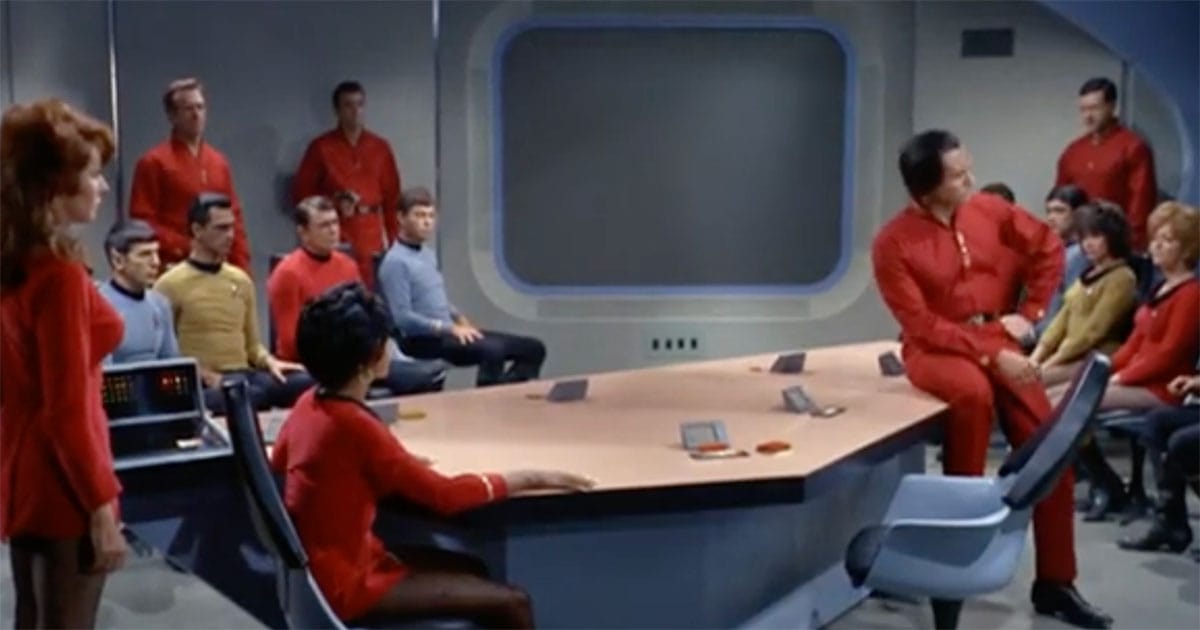
Many narratives portray superiority as socially corrosive. Exceptional ability separates individuals from their peers. Difference generates hierarchy, and hierarchy generates conflict. The tension arises from structure rather than spectacle.
This pattern reflects a recurring skepticism within the genre. Progress measured purely in capability risks undermining cohesion and trust. Superiority may promise efficiency, yet it threatens stability. Science fiction frequently stages this contradiction.
Merit-based systems are particularly vulnerable to the problem of enhancement. When ability is artificially amplified, the meaning of achievement becomes ambiguous. Effort competes with design. Fairness becomes difficult to define.
Classic science fiction often treats this instability as a central dramatic engine. Social structures built on shared assumptions strain under unequal capability. The resulting conflicts are philosophical as much as political. The genre repeatedly interrogates these fractures.
These stories rarely argue against intelligence or excellence themselves. Instead, they examine the consequences of unequal distribution. Superiority functions as a destabilizing force within otherwise orderly systems. Narrative tension emerges from imbalance rather than hostility.
Intelligence, Detachment, and Control
Enhanced characters are often marked by psychological distance. Their abilities place them outside ordinary human limits. That separation produces narrative unease. Intelligence becomes associated with detachment rather than wisdom.
Khan exemplifies this dynamic. His discipline and intellect command attention, yet his worldview isolates him from those around him. He perceives himself as naturally entitled to command. The conflict emerges from perspective rather than aggression.
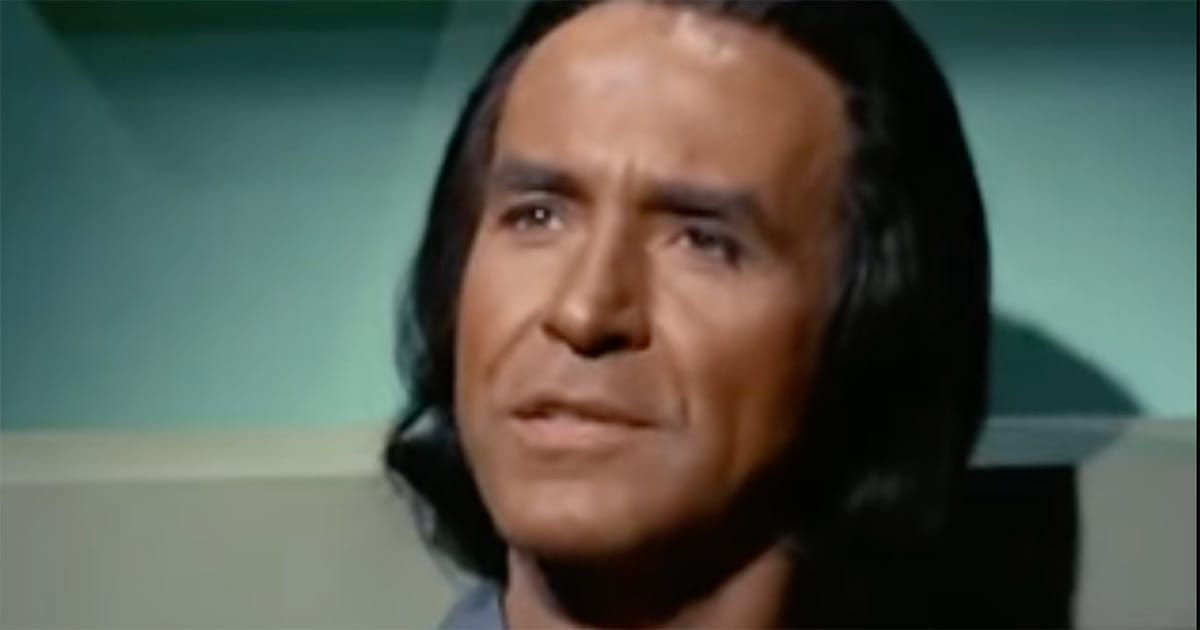
Science fiction regularly links superiority with diminished restraint. Characters defined by exceptional cognition may regard others instrumentally. Emotional bonds weaken as calculation strengthens. The resulting tension is both ethical and dramatic.
This theme appears across many classic works. The threat does not depend on cruelty or madness. It arises from the logic of enhanced perception itself.
Intelligence alone does not guarantee moral clarity. Science fiction frequently explores the gap between cognition and judgment. Highly capable characters may lack humility or empathy. Their superiority complicates cooperation and trust.
Detachment becomes dramatically significant because social life depends on shared limits. Characters who transcend those limits may struggle to relate to others. Perspective widens while connection narrows. This imbalance produces narrative friction.
The genre repeatedly treats restraint as more important than raw capability. Superior cognition without proportional ethical grounding appears hazardous. Science fiction stories often emphasize this asymmetry. Conflict arises from imbalance rather than intent.
Genetic Destiny and Engineered Outcomes
Some science fiction narratives shift the problem from individuals to systems. Genetic advantage becomes institutional rather than exceptional. Social order reorganizes around inherited capability. Destiny replaces aspiration.
"Gattaca" offers a clear illustration. Biological attributes determine opportunity, status, and expectation. Personal striving competes with predetermined classification. The drama centers on legitimacy and constraint.
Genetic determinism transforms superiority into a governing principle. Ability becomes fixed at birth rather than developed through effort. This structure redefines identity and mobility. Science fiction often portrays the consequences as restrictive rather than liberating.

Such systems reshape how characters understand themselves. Identity becomes a function of classification rather than experience. Opportunity narrows. Agency contracts.
Deterministic structures also alter the cultural meaning of success. Achievement appears less connected to discipline or sacrifice. Biology displaces effort. The genre repeatedly examines the psychological effects of this shift.
Classic science fiction often presents these systems as efficient yet dehumanizing. Order increases while flexibility diminishes. Stability emerges alongside constraint. The tension remains unresolved.
The Enduring Warning
The persistence of engineered superiority themes reflects technological change. Advances in genetics, computation, and bioengineering continually renew the premise. Old stories retain relevance because the underlying tension remains unresolved.
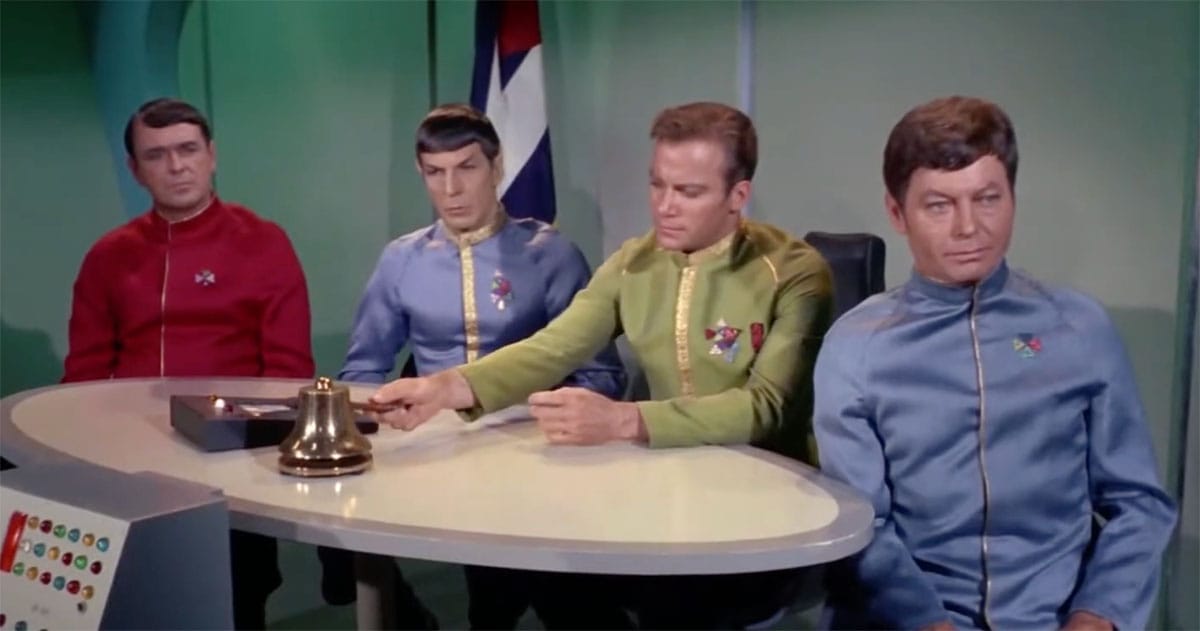
Classic science fiction rarely treats enhancement as an uncomplicated good. Superior ability introduces instability alongside advantage. Narratives emphasize tradeoffs rather than triumph.
These stories reveal a durable concern about human limits and social order. Enhancement magnifies capacity, yet it complicates legitimacy and cohesion. Superiority challenges not only biology, but ethics and governance.
Khan's legacy illustrates why the theme remains compelling. The character embodies ambition, discipline, and contradiction in equal measure. His story captures a foundational science fiction question about power and restraint.
Technological progress ensures the theme's continued relevance. Each generation confronts new possibilities for human modification and augmentation. Science fiction provides a framework for examining potential consequences. The cautionary pattern persists because the risks remain imaginable.
Trivia
- The Eugenics Wars mentioned in "Space Seed" occur in the 1990s, placing Star Trek's imagined history uncomfortably close to the real world of its original audience.
- Khan's superiority is framed as both a strength and a flaw, a balance that became a recurring pattern for later science fiction antagonists.
- The Botany Bay storyline introduced the idea that humanity's greatest threats might originate from its own past rather than deep space.